The Secret Handshake: Countries That Actually Pay You to Live Your Remote Dream
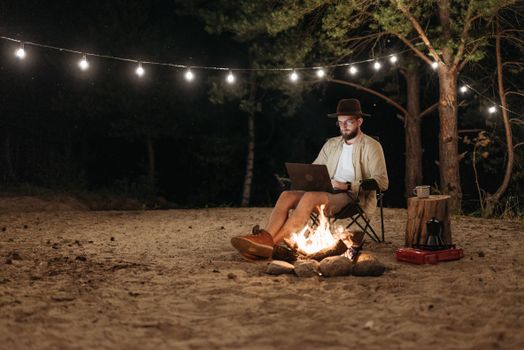
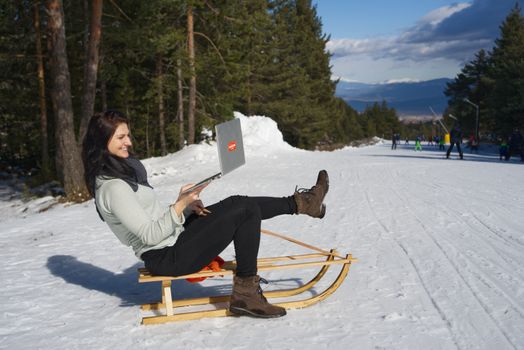
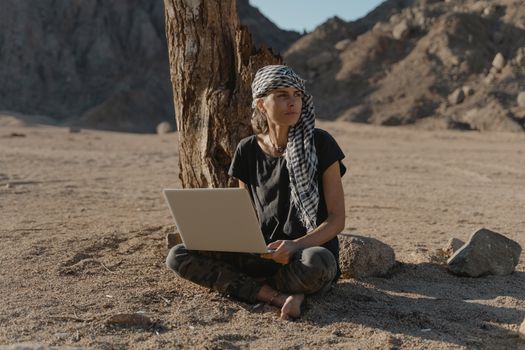
Picture this: you're scrolling through Instagram, another perfectly curated shot of an influencer working from a beach in Bali, a café in Paris, or a mountain chalet in Switzerland. They make the digital nomad life look effortlessly glamorous, financially boundless, and utterly aspirational. But what if I told you there's a deeper, more incredible secret they’re probably not sharing? A world where countries don't just tolerate remote workers, they actively incentivize them – sometimes even paying you to come and live there.
I remember staring at my laptop screen late one night, a half-empty mug of lukewarm coffee beside me, feeling the familiar pull of wanderlust mixed with the very real pinch of my bank account. I was a digital nomad, yes, but the "glamour" often felt like a tightrope walk between exciting new experiences and the constant grind to make ends meet. That's when I stumbled upon a forum post, buried deep in a niche corner of the internet, talking about a village in Italy offering money for people to move there. My first thought was, "Surely, this is a scam." My second thought, fueled by desperation and a healthy dose of curiosity, was, "What if it's not?"
That rabbit hole led me to discover a fascinating, often overlooked aspect of international remote work: a growing number of countries, regions, and even tiny villages are rolling out the red carpet – and often financial incentives – for skilled remote workers and entrepreneurs. They're not just offering visas; they're offering grants, significant tax breaks, and even direct payments to boost their economies and revitalize their communities. And trust me, these aren't the places you typically see saturating your Instagram feed. These are the hidden gems, the places ripe for authentic experience, and frankly, the smart money moves for any serious remote worker.
Ready to peel back the curtain and discover where your next remote adventure could actually pay you? Let's dive in.
1. Italy's Rural Revival: Get Paid to Live La Dolce Vita
Italy. The land of pasta, ancient ruins, and breathtaking landscapes. But beyond the bustling tourist hubs, many of Italy's charming, historic villages are facing depopulation. To combat this, several regions and municipalities have launched incredible initiatives, offering financial incentives for new residents – often perfect for remote workers looking for a slower, more authentic pace of life.
The Gist:
These programs typically offer grants for individuals or families willing to relocate, often requiring a commitment to residency and sometimes the intention to start a local business or renovate a property.
Specifics & Anecdotes:
* Presicce-Acquarica, Puglia: This picturesque town in the heel of Italy has offered up to €30,000 for people to buy an empty home and register their residency. Imagine waking up to the scent of olive groves, sipping espresso in a sun-drenched piazza, and knowing a significant chunk of your home purchase was covered. My friend, Elena, a freelance graphic designer, looked into this program. While the bureaucracy was a challenge, the idea of living rent-free for years in a renovated stone house, surrounded by ancient traditions, was incredibly appealing. She's still saving, but the dream is very real.
* Calabria Region: Known for its stunning coastline and rugged mountains, Calabria has offered up to €28,000 (around $33,000 USD) over three years to entice people under 40 to move to one of its many small villages (like Aieta or Civita). The catch? You need to commit to starting a small business or taking up specific professions, and you must become a resident. This is ideal for remote workers with an entrepreneurial spirit who dream of launching that online boutique or coaching service from a truly inspiring locale.
* Sardinia (Island Life with a Bonus): This Mediterranean paradise has recently announced a program offering up to €15,000 to those who move to one of its depopulated municipalities. The conditions are similar: you need to buy or renovate a home and register for residency. Imagine working from a balcony overlooking the turquoise Sardinian sea, your mornings filled with the aroma of freshly baked bread from the local panificio.
Tripsora Tip:
These programs are highly competitive and often have specific requirements (age, business plan, residency commitment). Thorough research on the specific municipality's official website is crucial. Learning basic Italian isn't just polite; it's often a necessity for navigating the process and truly integrating.
2. The Tax Advantage Powerhouses: Portugal, Greece & Croatia
While not always direct cash in hand, significant tax incentives can effectively "pay" you by letting you keep a much larger portion of your income. These countries are strategically positioning themselves as magnets for remote talent, understanding that a thriving digital nomad community boosts local economies.
The Gist:
These nations offer special tax statuses or digital nomad visas that come with substantial tax reductions for new residents, especially those earning foreign income.
Specifics & Anecdotes:
* Portugal (The OG Digital Nomad Hub): Portugal has been a digital nomad darling for years, largely due to its Non-Habitual Resident (NHR) tax regime. While the NHR program has seen changes (and will cease for new applicants from 2024), it previously offered a flat 20% income tax rate on certain professional incomes for 10 years, and often zero tax on foreign-sourced income. This was a game-changer for many. Even with changes, Portugal remains attractive with its new Digital Nomad Visa, allowing stays for up to a year (renewable) or residency. While the direct financial "pay" aspect of NHR is evolving, the overall low cost of living outside Lisbon/Porto, stunning natural beauty, and vibrant expat community still make it a financially smart move. I spent a month in the Algarve, working from a villa overlooking the Atlantic. The cost of living was incredibly low compared to Western Europe, and the quality of life felt like a constant vacation.
* Greece (The Aegean Advantage): Imagine working with the Parthenon in the distance or the sound of waves on a Cycladic island. Greece introduced a fantastic incentive: a 50% income tax exemption for seven years for new tax residents who move from abroad. This applies to remote workers, freelancers, and employees. To qualify, you must not have been a tax resident of Greece for the previous five out of six years, and you must move your tax residency to Greece. This means if you earn €50,000, you're only taxed on €25,000 for seven years! That's a massive saving. A friend of mine, a software developer, moved to Crete last year and is absolutely loving the lifestyle and the financial relief. He says the fresh seafood and the warm hospitality are just bonuses.
* Croatia (Adriatic Dream with Perks): Croatia was one of the first countries in the EU to introduce a dedicated Digital Nomad Visa. While the visa itself doesn't offer direct payments, it exempts digital nomads from income tax in Croatia (provided their income is foreign-sourced). This means you get to experience the stunning Adriatic coastline, historic cities like Split and Dubrovnik, and a vibrant culture, all while keeping 100% of your remote income (subject to tax in your home country or where you're tax resident, of course, but not in Croatia). I spent a summer island-hopping in Croatia, and the thought of being able to stay indefinitely, tax-free on my foreign earnings, was incredibly tempting. The internet infrastructure is surprisingly good, even on smaller islands!
Tripsora Tip:
Tax laws are complex and constantly changing. Always consult with a tax professional specializing in international taxation before making any big moves. The savings can be immense, but understanding the nuances is critical.
3. Island Escapes & Welcome Stamps: The Caribbean's Open Arms
While less about direct grants and more about creating incredibly attractive environments, several Caribbean nations have rolled out "Welcome Stamp" or similar programs to attract remote workers. They might not "pay" you, but they make it incredibly easy and financially viable to live in paradise, often with tax benefits for your business.
The Gist:
These programs offer extended visas (often 12 months, renewable) with streamlined application processes, allowing you to live and work from stunning island locations. The financial incentive often comes from the ease of doing business and potential tax advantages for your company or personal income (depending on your tax residency).
Specifics & Anecdotes:
* Barbados Welcome Stamp: Launched during the pandemic, Barbados was a pioneer. For a fee ($2,000 for individuals, $3,000 for families), you can get a 12-month visa to live and work remotely from this idyllic island. You're exempt from local income tax if your income is foreign-sourced. Imagine your office being a beach shack, your lunch break a swim in turquoise waters, and your commute a stroll along white sands. I've always dreamed of doing this, and the Welcome Stamp makes it a tangible reality. The cost of living can be higher than other places, but the quality of life and the lack of local income tax on foreign earnings can make it a net positive for many.
* Anguilla's "Work From Anguilla" Program: Similar to Barbados, Anguilla offers a program for remote workers. For a fee, you can stay for up to 12 months, with no local income tax on foreign earnings. Anguilla is known for its pristine, less-crowded beaches and luxury feel. If your remote income is substantial, the lack of local tax can be a significant "paycheck" in itself, allowing you to enjoy this high-end destination without the usual tax burden.
* Montserrat Remote Worker Stamp: This smaller, lesser-known Caribbean gem also offers a Remote Worker Stamp for a fee, allowing you to live and work for up to 12 months. It's for those seeking a truly off-the-beaten-path experience, with volcanic landscapes and a laid-back vibe.
Tripsora Tip:
While these islands offer tax exemptions on foreign income, remember your home country's tax obligations. Some countries tax their citizens' worldwide income regardless of where they live. Always check your specific situation.
4. The Tech-Forward & Entrepreneurial Hubs: Estonia and Beyond
Not all "payment" comes in direct cash. Sometimes, it's about unparalleled ease of doing business, low administrative burden, and access to a highly efficient digital infrastructure that saves you time and money – effectively boosting your net worth and productivity.
The Gist:
These countries attract remote workers and entrepreneurs by offering innovative digital services and favorable business environments.
Specifics & Anecdotes:
* Estonia (The E-Residency Pioneer): While Estonia doesn't offer direct grants for moving, its groundbreaking e-Residency program allows anyone in the world to establish an EU-based company and manage it entirely online, from anywhere. This means simplified administration, low bureaucracy, and access to the EU market. Coupled with its Digital Nomad Visa (which requires proof of sufficient income, around €3,500/month), Estonia offers an incredibly efficient and low-cost environment for remote entrepreneurs. The tax system is also straightforward: corporate profit is only taxed when distributed. I've heard countless stories from freelancers and startup founders who've streamlined their businesses through e-Residency, saving hours of administrative work and thousands in fees – time and money they can put back into their lives or businesses. It’s like having a silent, efficient business partner that handles all the boring stuff.
* Georgia (The Nomad's Hidden Gem): With its "Remotely from Georgia" program, this fascinating country offers a visa for remote workers to stay for a year or more. Like Croatia, it typically exempts foreign-sourced income from local taxation, making it highly attractive. The cost of living is remarkably low, the food is incredible, and the hospitality is legendary. I spent a month exploring Tbilisi and the Caucasus mountains, and the idea of being able to live there long-term, working remotely with minimal tax burden, was incredibly appealing. It’s a place where your money goes a long, long way.
Tripsora Tip:
E-Residency is for business, not residency. You still need a separate visa (like the DNV) to live in Estonia. However, combining the two creates a powerful setup for remote entrepreneurs.
5. Beyond the Headlines: How to Unearth Your Own Paid Adventure
The programs listed above are some of the most prominent, but the landscape of incentives for remote workers is constantly evolving. Smaller towns, regions, and even private initiatives are popping up all the time.
How to Find Them:
* Government & Regional Tourism Websites: Often, these initiatives are launched by local governments looking to revitalize their areas. Dive deep into the tourism and development sections of smaller regions.
* Digital Nomad Forums & Communities: Websites like NomadList, Reddit's r/digitalnomad, and various Facebook groups are goldmines of information, where fellow nomads share their discoveries and experiences.
* Real Estate Agencies in Depopulated Areas: Sometimes, local realtors are the first to know about these programs, as they directly impact property values and demand.
* News Alerts: Set up Google Alerts for terms like "move to [country/region] grant," "digital nomad incentives," "remote work relocation."
Practical Tips for Making it Happen:
- Do Your Homework (Seriously!): These programs have strict eligibility criteria. Don't just read a headline; download the official documents, understand the commitments (e.g., residency duration, business requirements), and check deadlines.
- Verify Visa Requirements: A grant to move doesn't automatically mean you have the right to live and work there. You'll likely need a specific visa (digital nomad, entrepreneurial, long-stay) that aligns with the program.
- Financial Proof: Most countries require proof of sufficient funds to support yourself, even if they offer grants. This ensures you won't become a burden on their social system.
- Learn the Local Language: While English might get you by in tourist areas, integrating into a small village or navigating bureaucracy will be infinitely easier (and more rewarding) if you speak the local language. Even basic phrases go a long way.
- Embrace the Culture Shock: Moving to a new country, especially a small village, comes with its challenges. Bureaucracy can be slow, customs might be different, and things won't always work like they do back home. Approach it with an open mind and a sense of adventure.
- Healthcare & Insurance: Don't overlook health insurance. Most programs will require you to have comprehensive coverage. Research local healthcare systems.
- Community Matters: Seek out other expats or digital nomads, but also make an effort to connect with locals. They are your gateway to authentic experiences and invaluable local knowledge.
Your Next Chapter: A World That Wants You
The dream of working remotely and traveling the world is no longer just for the privileged few with endless savings. It's becoming increasingly accessible, especially if you know where to look. While Instagram influencers might focus on the glamorous surface, the real secret lies beneath: a world of opportunities where your skills are valued, and your presence is actively sought after, often with financial backing.
This isn't just about saving money; it's about unlocking a richer, more intentional way of living. Imagine the stories you'll tell, the cultures you'll immerse yourself in, and the personal growth you'll experience when you're not just visiting a place, but truly living there – with a financial helping hand.
So, stop scrolling, start planning. This isn't a fantasy; it's a very real, very attainable future. Which hidden gem will be your next paid remote adventure? The world is literally waiting to pay you to discover it.
What's stopping you? Share your dream destination in the comments below, and let's inspire each other to make these financially savvy remote dreams a reality! Don't forget to share this post with any aspiring digital nomads who need to know these secrets!
---