The Hook
I stepped off the overnight ferry, the salt-laced air thick with the scent of frangipani and something else… a subtle, smoky char from a distant grill. The pre-dawn sky was a bruised purple, just beginning to bleed into a soft apricot. Below, the water wasn't just blue; it was a shifting spectrum of aquamarine and sapphire, lapping gently against a shoreline fringed with palm trees that seemed to whisper secrets in the breeze. This wasn't the postcard-perfect, manicured beauty I’d seen a million times. This was raw, alive, and utterly intoxicating. This was the feeling of discovering a place before it hits the mainstream, a thrill that every seasoned traveler craves.
For years, the Caribbean has reigned supreme, a reliable beacon of sun, sand, and turquoise waters. And while I’ll never turn down a piña colada on a St. Barth’s beach, the truth is, the world is vast, and new paradises are constantly emerging, offering unique flavors, fewer footprints, and sometimes, a much kinder price tag. This year, a wave of destinations is quietly, yet powerfully, challenging the Caribbean’s dominance. They’re not just pretty beaches; they’re experiences waiting to unfold.
The New Horizon: Where to Find Your Next Beach Obsession
Forget the predictable. We’re diving deep into the emerging beach destinations that are set to redefine your idea of a tropical escape. These are the places where authenticity thrives, where the local rhythm is as captivating as the coastline, and where you can still find that elusive sense of discovery.
1. The Jewel of the Adriatic: Albania's Undiscovered Riviera
I’ll be honest, when Albania first crossed my radar, I pictured rugged mountains and historical ruins. I wasn't entirely prepared for the sheer, unadulterated beauty of its coastline. Think the turquoise waters of Greece, but with the wild, untamed charm of a place still finding its voice. The Ionian coast, particularly the stretch between Sarandë and Himarë, is where the magic truly happens.
The air here hums with a different energy. It’s less about bustling resorts and more about finding your own secluded cove. I remember stumbling upon Ksamil, a cluster of tiny islands just a stone’s throw from the mainland, accessible by a short boat ride or even a confident swim. The water was so clear, I could see the sandy seabed beneath me, dotted with colorful pebbles. The seafood, caught that morning, was grilled to perfection with local herbs that tasted like sunshine.
Pro-Tip:
For the ultimate escape, rent a small boat and explore the uninhabited islets off Ksamil. Pack a picnic of local cheese, olives, and fresh bread. You'll feel like a castaway in the best possible way.
Insider Insight:
The Albanian Riviera is rapidly developing, but for now, charming guesthouses and family-run tavernas still dominate. Look for places with "Agriturismo" in their name – they often offer the most authentic culinary experiences. Don't miss the local Raki, a potent fruit brandy, often homemade and surprisingly smooth when sipped slowly.
Quick Facts: Albania's Ionian Coast
- Estimated Costs ($): $50-$100 per day (budget to mid-range)
- Best Time to Visit: May-June & September-October (warm, fewer crowds, pleasant sea temperatures)
- How to Get There: Fly into Tirana International Airport (TIA) and take a bus or rent a car for the scenic 4-5 hour drive south. Alternatively, fly into Corfu (CFU) in Greece and take a short ferry to Sarandë.
2. The Pacific Gem: El Salvador's Surf and Soul
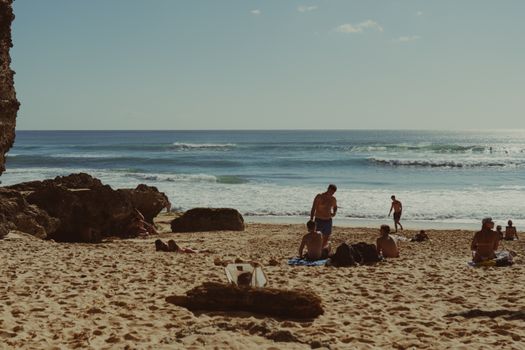
El Salvador. The name alone might conjure images of something entirely different for many. But for those in the know, it’s a burgeoning haven for surfers, adventurers, and anyone seeking a vibrant, unpretentious beach experience. The Pacific coast is a revelation, a dramatic stretch of black sand beaches and powerful waves that are drawing a new breed of traveler.
My first encounter with El Salvador’s coast was in El Tunco, a bohemian surf town that pulses with a laid-back energy. The iconic rock formation that gives the town its name stands sentinel against the crashing waves. Even if you’re not a surfer, the atmosphere is infectious. Evenings are filled with the rhythmic strumming of guitars from beachfront bars, the air thick with the aroma of pupusas – El Salvador’s delicious national dish, often stuffed with cheese and beans.
Pro-Tip:
If you're new to surfing, take a lesson at Playa El Sunzal. The waves are generally more forgiving, and the instructors are fantastic. The sunsets here are legendary, painting the sky in hues of orange, pink, and deep purple.
Insider Insight:
Beyond the surf, explore the nearby colonial town of Suchitoto for a dose of history and culture. The vibrant murals adorning the buildings tell stories of the nation’s past and present. And for a truly unique experience, visit a local pupuseria and learn how to make them yourself. The secret is in the masa and the perfect balance of fillings.
Quick Facts: El Salvador's Pacific Coast
- Estimated Costs ($): $40-$80 per day (budget to mid-range)
- Best Time to Visit: November-April (dry season, calmer seas, perfect surf conditions)
- How to Get There: Fly into Monseñor Óscar Arnulfo Romero International Airport (SAL) near San Salvador. From there, take a taxi or shuttle to the coast (approx. 1 hour).
3. The Spice Island's Secret Sister: Zanzibar, Tanzania's Untamed North
Zanzibar. The name evokes images of spice markets and ancient stone towns. But beyond the well-trodden paths of Stone Town and Nungwi, the island holds secrets for those willing to venture further. The northern coast, particularly Matemwe and the surrounding areas, offers a more tranquil, authentic slice of Zanzibari paradise.
I remember waking up to the gentle sound of dhows gliding across the horizon. The beaches here aren’t manicured strips of white sand; they are wild, edged with casuarina trees and dotted with local fishing villages. The tide recedes for miles, revealing an astonishing underwater world. Snorkeling or diving off the Mnemba Atoll is like entering a vibrant, technicolor aquarium. The coral gardens teem with life, and if you’re lucky, you might spot a pod of dolphins.
Pro-Tip:
Arrange a spice tour with a local guide. It’s not just about tasting; it’s about understanding the history and cultural significance of these incredible ingredients. Ask about the legendary Zanzibar pizza – a sweet or savory crepe-like creation sold from street carts, often filled with chocolate, banana, or even minced meat.
Insider Insight:
The local Swahili culture is incredibly welcoming. Learn a few basic phrases like "Jambo" (hello) and "Asante sana" (thank you very much). Engage with the fishermen bringing in their catch; you might even get to buy some of the freshest seafood imaginable and have it grilled at your guesthouse. The scent of cloves and cinnamon hangs in the air, a constant reminder of the island's rich heritage.
Quick Facts: Zanzibar's Northern Coast
- Estimated Costs ($): $80-$150 per day (mid-range to higher-end)
- Best Time to Visit: June-October & December-February (dry seasons, pleasant temperatures)
- How to Get There: Fly into Abeid Amani Karume International Airport (ZNZ) in Zanzibar. From there, hire a taxi or pre-book a transfer to Matemwe (approx. 1-1.5 hours).
4. The Undiscovered Archipelago: The Azores, Portugal's Atlantic Eden
Often overlooked in favor of mainland Portugal or its Mediterranean counterparts, the Azores are a volcanic wonderland in the middle of the Atlantic. This archipelago of nine islands offers a dramatic, emerald-green landscape meeting the deep blue ocean. It’s a destination that appeals to the adventurous spirit, with a coastline that’s as rugged and captivating as it is beautiful.
My first impression of São Miguel, the largest island, was one of overwhelming green. Rolling hills, lush valleys, and volcanic craters covered in vibrant hydrangeas. The coastline is a testament to the islands' fiery origins, with black sand beaches nestled beside dramatic cliffs and natural swimming pools carved into the volcanic rock. I spent a blissful afternoon at Ponta da Ferraria, a natural thermal pool heated by volcanic activity, where the warm ocean water mixes with the cool Atlantic.
Pro-Tip:
Don't miss the opportunity to go whale and dolphin watching. The Azores are one of the best places in the world to spot these magnificent creatures. Book a tour from Pico or Faial for the highest chances of sightings.
Insider Insight:
The local cuisine is hearty and delicious, heavily influenced by the sea and the land. Try the Cozido das Furnas, a stew cooked underground using volcanic heat – a truly unique culinary experience. The local cheese, Queijo de São Jorge, is also a must-try, known for its sharp, tangy flavor. The air smells of damp earth, sea salt, and wild flowers.
Quick Facts: The Azores
- Estimated Costs ($): $70-$120 per day (mid-range)
- Best Time to Visit: May-September (mild temperatures, longer daylight hours, blooming flowers)
- How to Get There: Fly into Ponta Delgada Airport (PDL) on São Miguel. Inter-island flights or ferries are available for exploring other islands.
5. The Southeast Asian Secret: Palawan, Philippines' Untamed Beauty
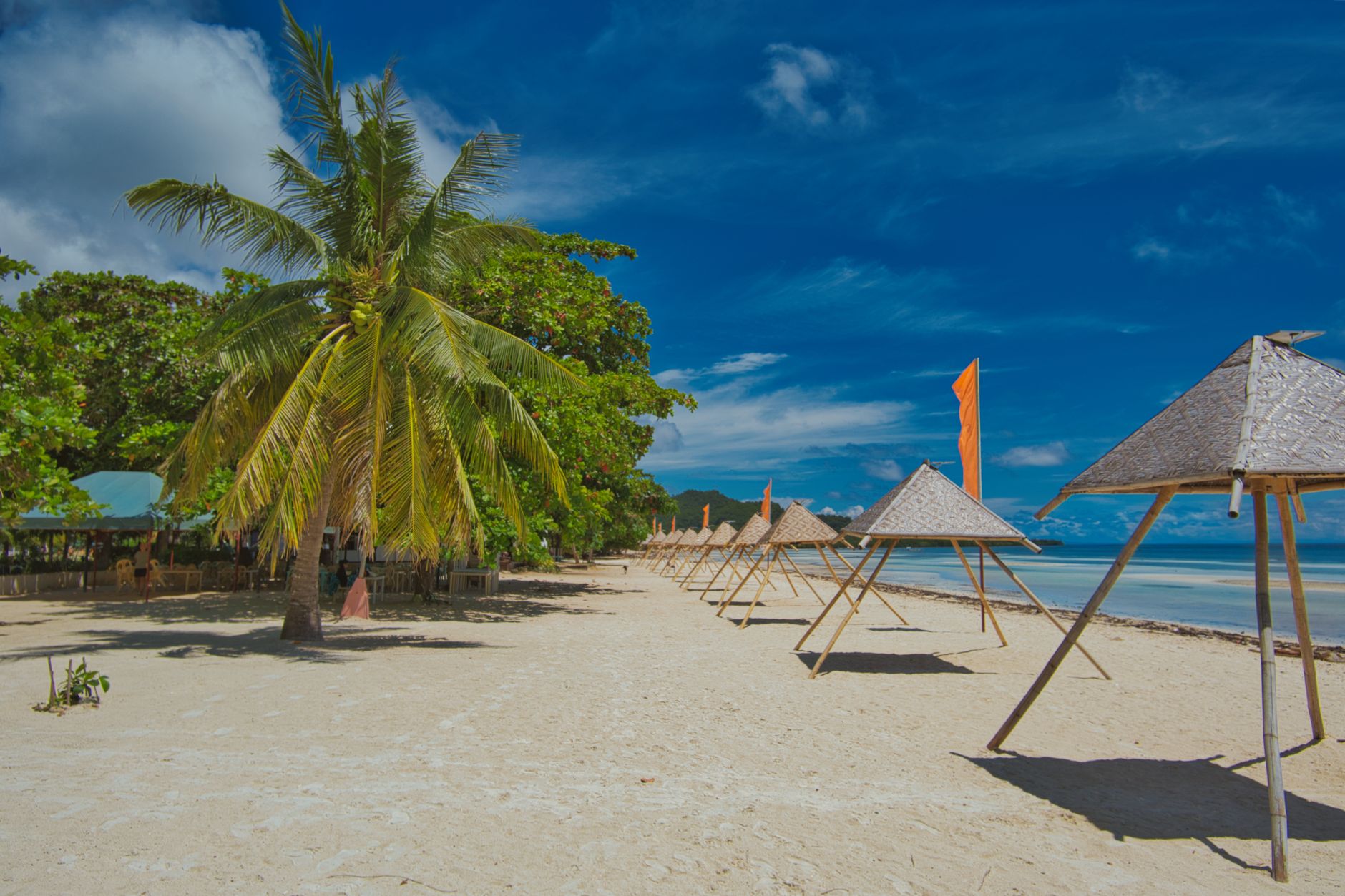
While Boracay and El Nido have gained global fame, the Philippines' vast archipelago holds countless other treasures. Palawan, often hailed as the last frontier, continues to offer an unparalleled level of natural beauty and a sense of untouched paradise. Beyond the popular spots, there are pockets of pure magic waiting to be explored.
I remember the first time I saw the limestone karst formations rising dramatically from the impossibly clear waters of Coron. It felt like stepping into a prehistoric landscape. Kayaking through the hidden lagoons, with only the sound of my paddle and the distant cry of seabirds, was an experience of profound peace. The underwater world here is equally spectacular, with numerous shipwrecks from World War II creating unique diving and snorkeling sites.
Pro-Tip:
For a truly off-the-beaten-path experience, consider visiting Port Barton before it becomes the next big thing. It offers a more laid-back vibe than El Nido, with stunning beaches and excellent island-hopping opportunities.
Insider Insight:
The Filipino hospitality is legendary. Engage with the locals, and you'll be rewarded with genuine warmth and often, delicious home-cooked meals. Don't be afraid to try the local delicacies; Kinilaw, the Filipino version of ceviche, is incredibly fresh and flavorful, usually made with fresh fish, vinegar, onions, and ginger. The scent of coconut oil and sea brine is ever-present.
Quick Facts: Palawan, Philippines
- Estimated Costs ($): $60-$100 per day (budget to mid-range)
- Best Time to Visit: November-May (dry season, ideal for island hopping and water activities)
- How to Get There: Fly into Francisco B. Reyes Airport (USU) in Coron or Puerto Princesa International Airport (PPS) in Puerto Princesa. From there, you can arrange boat transfers to various islands and towns.
The Future of Beach Travel: More Than Just Sand
These emerging destinations offer more than just stunning coastlines. They provide an opportunity to connect with local cultures, support sustainable tourism, and experience the thrill of discovery. They are places where the scent of spices mingles with the salty air, where the sounds of local music drift on the breeze, and where every turn reveals a new, unforgettable vista.
The Caribbean will always hold a special place in the hearts of beach lovers. But for those seeking something new, something authentic, something that whispers tales of adventure rather than shouts of commercialism, these emerging destinations are calling. Pack your bags, open your mind, and prepare to be captivated. The future of paradise is here, and it's more diverse and exciting than ever before.
---