Safari Secrets: Beyond Africa's Wilds Locals Don't Want Tourists to Know (Until Now!)
I’ll never forget the first time I challenged my own definition of "safari." It was a sweltering afternoon in the heart of Brazil's Pantanal, not the Serengeti. My guide, a weathered Pantaneiro named Jorge, pointed to a tangle of roots along the riverbank. "He's there," he whispered, his eyes glinting with an almost supernatural certainty. For what felt like an eternity, I saw nothing but shadows. Then, a ripple in the water, a flash of rosette, and a magnificent jaguar emerged, coolly drinking just meters from our boat. It wasn't the iconic African "Big Five" moment I'd always envisioned, but it was raw, intimate, and utterly breathtaking. It was a revelation: the world’s most incredible safaris aren't always where you expect them.
For years, the word "safari" has been synonymous with Africa. And rightly so – its vast plains and incredible biodiversity offer unparalleled experiences. But for the discerning, adventurous traveler – the one who craves authenticity, seeks the road less traveled, and wants to genuinely connect with nature and local cultures – there's a whole world of "safari" experiences waiting to be discovered. These are the places where local guides, often born and raised amidst the wildlife, hold the keys to truly unique encounters, the kind of insider knowledge they almost don't want to share with the masses. Forget the crowded jeeps; prepare for genuine wildlife immersion.
I've crisscrossed the globe, seeking out these hidden gems, and I'm here to spill the beans on five extraordinary destinations that redefine what a "safari" can be. Get ready to bookmark this one, because your perception of wildlife travel is about to change forever.
1. The Jaguar Kingdom: Pantanal, Brazil – Where Wetlands Rule and Big Cats Roam
When people talk about big cats in South America, they often think of the elusive jaguar. And if you want to see one in the wild, the Pantanal is hands down the best place on Earth. Forget the dense Amazon rainforest where sightings are rare; this vast tropical wetland, larger than many European countries, is a jaguar hotspot. It's Africa's Serengeti, but with caimans, capybaras, and anacondas instead of wildebeest.
Why Locals Know Best:
The Pantanal is still largely wild, with vast cattle ranches (fazendas) often doubling as eco-lodges. Many of these lodges are family-run, passed down through generations. The guides here, like my friend Jorge, have lived their entire lives navigating these waterways and knowing the habits of every creature. They know the secret channels where jaguars hunt, the specific times they come to drink, and even individual animals by their unique patterns. This isn't a pre-packaged tour; it's an immersion into their world, guided by their intimate knowledge. They'll tell you about the local rivalry between two dominant males, or where a mother just denned her cubs – insights you won't get from a generic tour operator.
The Experience:
A Pantanal safari typically involves a mix of boat trips along rivers like the Cuiabá and Tres Irmãos, searching for jaguars basking on riverbanks or stalking prey. You'll also do land-based drives, horseback riding (a traditional Pantaneiro method of transport), and night safaris to spot nocturnal creatures like ocelots and giant anteaters. Expect to see an incredible array of birds (over 600 species!), capybaras, caimans (thousands of them!), giant river otters, and if you're lucky, tapirs or anacondas.
My Anecdote:
On one morning boat trip, Jorge suddenly cut the engine. He pointed to a small, barely visible mud bank. "Look closely at the water line," he whispered. I squinted. Nothing. Then, a tiny movement. A baby caiman, no bigger than my hand, was struggling to climb out. Jorge explained that the mother would be nearby, watching. Sure enough, moments later, a massive female caiman silently surfaced nearby, her eyes fixed on her offspring. It was a stark reminder of the hidden life constantly unfolding, visible only to those who truly know where to look.
Instagram-Worthy Moment:
A close-up shot of a jaguar, perfectly camouflaged against the riverbank, or a sunset over the flooded plains with hundreds of caiman eyes reflecting the last light.
Practical Details:
* Best Time to Visit: Dry season (May to October) for jaguar sightings, as water levels recede, concentrating prey and making jaguars more visible along riverbanks.
* Cost: A 4-7 day all-inclusive safari package (lodge, guides, meals, activities) can range from $2,000 - $5,000+ USD per person, depending on the luxury level and duration. Look for lodges directly employing local guides.
* Getting There: Fly into Cuiabá (CGB), then typically a 3-5 hour transfer by road to your lodge in the northern Pantanal (Porto Jofre area is prime for jaguars).
2. Leopard's Lair & Elephant's Embrace: Sri Lanka – An Island of Untamed Beauty
Sri Lanka might be famous for its tea plantations and ancient temples, but this emerald isle is also a wildlife paradise, punching far above its weight in biodiversity. It boasts the highest density of leopards in the world and is home to magnificent herds of Asian elephants. It’s a "safari" experience that blends lush tropical landscapes with incredible wildlife, often without the crowds of its African counterparts.
Why Locals Know Best:
Sri Lanka's national parks, like Yala and Wilpattu, are managed with a deep understanding of local ecosystems. The best trackers are often from nearby villages, possessing an innate ability to read pugmarks, listen to alarm calls, and predict animal movements. They know the secret trails, the hidden waterholes, and the specific trees where leopards like to rest. They’re also passionate about conservation and often share insights into the challenges and triumphs of protecting the island’s unique fauna. They'll guide you away from the main tourist routes to find a quiet spot where a leopard might emerge, or where an elephant herd is discreetly grazing.
The Experience:
Safaris here are typically by jeep, often starting at dawn or dusk. In Yala, the star attraction is the leopard, but you’ll also spot sloth bears (a notoriously shy animal!), elephants, sambar deer, crocodiles, and a dazzling array of birdlife. Wilpattu, Sri Lanka's largest national park, offers a wilder, less crowded experience with more opportunities for solitary encounters. Don't forget the marine "safari" opportunities – whale and dolphin watching off the coast of Mirissa or Trincomalee.
My Anecdote:
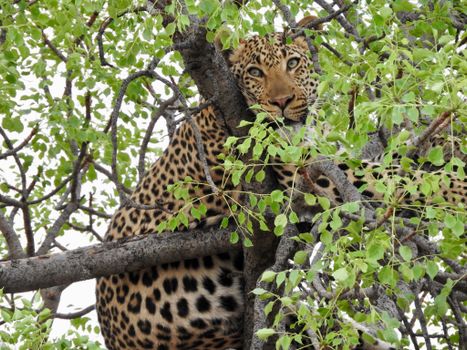
During a morning drive in Yala, our guide, Sanath, suddenly slammed on the brakes. He pointed to a faint drag mark across the dusty road. "Leopard," he murmured, "fresh kill." He then explained how the leopard likely dragged its prey into a thicket nearby. Instead of rushing, he patiently drove us around, checking different vantage points. After twenty minutes of silent waiting, there it was: a magnificent male leopard, partially hidden by foliage, guarding its kill. It was a testament to his tracking skills and patience.
Instagram-Worthy Moment:
A majestic leopard lounging on a rock, or a herd of elephants bathing in a serene lake at sunset.
Practical Details:
* Best Time to Visit:
* Yala: February to July (dry season, animals congregate around water sources).
* Wilpattu: May to September.
* Whale Watching: November to April (south coast), May to September (east coast).
* Cost: A half-day jeep safari typically costs $50-$100 USD per person (including park fees and guide). Multi-day packages with accommodation will be higher.
* Getting There: Fly into Colombo (CMB). Yala is a 5-6 hour drive south, Wilpattu is 4-5 hours north.
3. Guardians of the Rainforest: Borneo (Malaysia/Indonesia) – The Orangutan's Last Stand
Stepping into the ancient rainforests of Borneo, you're entering a world unlike any other. This is the realm of the "man of the forest," the critically endangered orangutan. An ethical orangutan trek here isn't just a wildlife viewing; it's a profound journey into conservation, a chance to witness these intelligent primates in their natural, threatened habitat.
Why Locals Know Best:
The fight to protect orangutans and their rainforest home is deeply personal for local communities. Many conservation centers and responsible tour operators work hand-in-hand with indigenous groups, employing former loggers as guides or supporting community-based eco-tourism initiatives. These guides possess an intimate knowledge of the forest, understanding the subtle calls, the fruiting trees, and the best vantage points to spot orangutans without disturbing them. They often share heartbreaking and hopeful stories of individual orangutans, giving you a deeper connection to these incredible animals. They know which ethical rehabilitation centers truly make a difference and can guide you to experiences that support genuine conservation, not just tourist spectacle.
The Experience:
Ethical orangutan experiences usually involve boat trips up jungle rivers (like the Sekonyer River in Tanjung Puting National Park, Indonesia, or the Kinabatangan River in Sabah, Malaysia) to reach rehabilitation centers or wild forest areas. You'll often trek through dense jungle, guided by local experts who can spot everything from proboscis monkeys and hornbills to civets and crocodiles. The highlight, of course, is seeing orangutans – sometimes at feeding platforms (where rehabilitated individuals are given supplemental food), but ideally, wild ones swinging through the canopy.
My Anecdote:
On a multi-day river safari in Tanjung Puting, we spent hours silently drifting, hoping for a glimpse of a wild orangutan. Our guide, Pak Budi, suddenly pointed up. "Look," he whispered, "a mother and baby." High above, a female orangutan expertly navigated the branches, her tiny infant clinging tightly to her belly. It wasn't a posed photo op; it was a fleeting, magical moment of pure wilderness, made possible by Budi's patience and keen eye. Later, he told us about the challenges facing these forests, making the sighting even more poignant.
Instagram-Worthy Moment:
A thoughtful orangutan gazing out from the dense jungle canopy, or a stunning panorama of the misty rainforest at dawn.
Practical Details:
* Best Time to Visit: Dry season (May to September) for easier trekking and fewer mosquitos, though orangutans can be seen year-round.
* Cost: A 3-4 day river cruise/trek in Tanjung Puting (Indonesia) can range from $700-$1500+ USD per person, including boat, guide, meals, and park fees. Shorter trips in Malaysian Borneo (Sepilok, Kinabatangan) might be $200-$500+ for 1-2 days. Always choose reputable, ethical operators.
* Getting There:
* Indonesian Borneo: Fly into Pangkalan Bun (PKN), then transfer to Kumai for boat trips into Tanjung Puting.
* Malaysian Borneo (Sabah): Fly into Sandakan (SDK) for Sepilok and Kinabatangan River.
4. Kamchatka's Grizzly Giants: Russia's Untamed Volcanic Peninsula
This one is for the true adventurers, the ones who crave remote wilderness and raw, breathtaking beauty. Kamchatka, Russia's far-eastern volcanic peninsula, is a land of fire and ice, home to one of the highest concentrations of brown bears on Earth. This isn't your typical safari; it's an expedition into a landscape that feels prehistoric, where bears rule and human presence is minimal.
Why Locals Know Best:
Kamchatka is vast, rugged, and largely inaccessible. Local knowledge isn't just helpful here; it's essential for safety and successful wildlife viewing. The guides, often seasoned naturalists or indigenous Koryak people, know the intricate network of volcanic valleys, the best salmon-spawning rivers where bears gather, and the unpredictable weather patterns. They understand bear behavior intimately, allowing for respectful and safe viewing distances. This is a place where you truly rely on the expertise of those who call this extreme environment home. They'll tell you about the best hot springs to soak in after a long day, or which berries are safe to pick.
The Experience:
Access to prime bear-watching spots like Kurile Lake is often by helicopter, adding to the epic feel. Once there, you'll embark on guided walking tours (always with armed rangers for safety), observing bears fishing for salmon, playing, and interacting in their natural habitat. Beyond bears, Kamchatka offers stunning volcanic landscapes, hot springs, geysers, and opportunities to spot Steller's sea eagles, sea lions, and even orcas along the coast. It’s an immersive, multi-day experience in a true wilderness.
My Anecdote:
Landing by helicopter near Kurile Lake felt like stepping onto another planet. Within minutes, our local ranger, Dmitri, pointed to a mother bear and her two cubs fishing in the shallows. We watched in awe as she expertly swiped a salmon from the water. Dmitri explained how the bears teach their young to hunt, and the critical role the salmon run plays in their survival. It was a humbling reminder of nature's cycles, happening in a place so wild it felt untouched by time.
Instagram-Worthy Moment:
A powerful brown bear snatching a salmon from a river, framed by a backdrop of steaming volcanoes, or a panoramic view of the rugged, untamed Kamchatka landscape.
Practical Details:
* Best Time to Visit: July to September, when salmon are spawning, and bears are most active.
* Cost: Kamchatka is expensive due to its remoteness and reliance on helicopter transfers. A 7-10 day expedition can range from $5,000 - $10,000+ USD per person, including flights from Moscow/Vladivostok, accommodation, guides, and helicopter transfers.
* Getting There: Fly into Petropavlovsk-Kamchatsky (PKC). Most tours start from here.
5. The Royal Bengal's Realm: India – Beyond the Tourist Trail for Tigers
India's tiger reserves are renowned, and for good reason. The sheer thrill of spotting a Royal Bengal Tiger in the wild is an experience that rivals any African safari. While places like Ranthambore and Bandhavgarh are popular, there's a deeper, more authentic way to experience India's wildlife that locals often steer you towards – focusing on lesser-known gates, community-run initiatives, or combining parks for a broader experience.
Why Locals Know Best:
India’s vast network of tiger reserves often has multiple entry gates. While tourists flock to the most famous ones, local guides and naturalists know that some of the quieter, less-used gates can offer equally good, if not better, sightings with fewer vehicles. They also understand the nuances of the forest, the territories of individual tigers, and the alarm calls of deer and monkeys that signal a predator's presence. Many guides are from villages bordering the parks, deeply invested in conservation and eager to share their knowledge of local flora, fauna, and the intricate balance between humans and wildlife. They know the best local chai stalls, the hidden viewpoints, and the stories of the forest that aren't in any guidebook.
The Experience:
A tiger safari in India typically involves open-top jeep safaris (called 'game drives' or 'jungle safaris') at dawn and dusk. Beyond tigers, you can spot leopards, sloth bears, wild dogs (dhole), sambar deer, chital (spotted deer), and a vast array of birdlife. Consider combining a well-known park with a smaller, more remote reserve like Pench (inspiration for "The Jungle Book") or Tadoba-Andhari, which offers excellent tiger sightings and a more rugged feel. Some lodges also offer walking safaris around the buffer zones, providing a different perspective.
My Anecdote:
In Tadoba, our local guide, Rajesh, was a master tracker. After two hours of fruitless searching, he stopped the jeep, got out, and examined some paw prints in the dust. "Fresh," he declared. He then drove us down a narrow, overgrown track, explaining how a male tiger had likely been patrolling its territory. We waited for twenty minutes in absolute silence. Then, a rustle in the bamboo, and a magnificent male tiger, massive and powerful, emerged, walked calmly across the track in front of us, and disappeared back into the jungle. Rajesh's expertise turned a potentially frustrating day into an unforgettable encounter.
Instagram-Worthy Moment:
A piercing gaze from a Royal Bengal Tiger, partially obscured by jungle foliage, or a dramatic sunset over a dusty Indian tiger reserve.
Practical Details:
* Best Time to Visit: October to June. March to May (hot dry season) is often best for tiger sightings as they come out to waterholes.
* Cost: A 3-day tiger safari package (including safaris, park fees, guide, and mid-range accommodation) can range from $800 - $2,000+ USD per person, depending on the park and lodge. Park entry fees and jeep bookings are often separate and can be substantial.
* Getting There: Fly into major cities like Delhi (DEL) or Mumbai (BOM), then take domestic flights or trains to gateway cities near the reserves (e.g., Nagpur for Pench/Tadoba, Jaipur for Ranthambore).
Practical Tips for Your Non-African Safari Adventure:
- Go Local, Go Authentic: Seek out tour operators and lodges that are locally owned and employ local guides. Their expertise is invaluable, and your money directly supports the communities and conservation efforts. Ask about their commitment to responsible tourism.
- Patience is a Virtue: Wildlife viewing isn't a zoo. There are no guarantees. Embrace the quiet moments, the anticipation, and the thrill of the chase.
- Respect the Wildlife: Always maintain a safe and respectful distance. Never try to feed or approach wild animals. Follow your guide's instructions implicitly.
- Pack Smart: Lightweight, neutral-colored clothing, good binoculars, a high-quality camera with a zoom lens, insect repellent, sun protection, and a reusable water bottle are essential.
- Book in Advance: Especially for popular destinations or specific times of year, permits and accommodations can sell out quickly.
- Be Prepared for the Elements: These are wild places. Expect varying temperatures, dust, humidity, and potentially rain.
- Mind Your Footprint: Choose eco-friendly accommodations, minimize waste, and support conservation initiatives wherever possible. Leave no trace.
The World is Your Safari Park!
My journey to find these incredible, off-the-beaten-path safari experiences has been one of the most rewarding aspects of my travels. It’s taught me that adventure lies beyond our preconceived notions, and that the deepest connections to nature are often found in places where local wisdom opens the door.
These aren't just trips; they are profound encounters with the wild, guided by the very people who live alongside it. They are the safari secrets that locals have cherished, slowly revealing them to those who seek a more meaningful and authentic adventure.
So, are you ready to challenge your own definition of "safari"? Are you ready to discover the world's hidden wildlife gems and create stories that go far beyond the typical postcard? The wild world is calling, and it's waiting for you to answer.
Which of these non-African safaris has caught your eye? Share your dream wildlife encounter in the comments below! And don't forget to share this post with your fellow adventurers – let's inspire more responsible and unique wildlife travel!
---