Have you ever returned from a trip feeling like you’ve seen all the sights but still missed something essential? Like you skimmed the surface of a beautiful painting, admiring the colors but never truly understanding the artist's soul? For years, that was my travel story. I’d meticulously plan itineraries, check off every landmark from guidebooks, snap the obligatory photos, and move on. I saw the world, but I wasn't in it.
Then, something shifted. It wasn’t a dramatic epiphany on a mountaintop, but a quiet realization while sipping lukewarm coffee in a bustling local market in Marrakech. I was haggling (badly) for a tagine pot, surrounded by the cacophony of Arabic chatter, the aroma of spices, and the genuine smiles of vendors. In that moment, I felt a connection far deeper than any guided tour had ever provided. It was raw, real, and utterly exhilarating. That morning in Morocco wasn't just a transaction; it was a conversation, a cultural exchange, a tiny glimpse into the heartbeat of a place. And it changed my life forever.
From that day on, I vowed to travel differently. I wanted to live like a local, not just visit. I wanted to understand the rhythm of daily life, taste the food locals ate, navigate the streets they walked, and connect with the people who called these places home. What I discovered wasn't just a new way to travel, but a profound path to personal growth, empathy, and an unparalleled sense of belonging, no matter how far from home I was.
This isn't about ditching your passport and settling down permanently (though you might be tempted!). It's about a mindset, a deliberate choice to peel back the layers and truly immerse yourself. And trust me, it’s easier, more rewarding, and often more affordable than you think. Ready to transform your travels and your life? Let's dive in.
The Mindset Shift: From Tourist to Temporary Resident
The first, and arguably most crucial, step to living like a local is a fundamental shift in mindset. You're no longer just a visitor; you're a temporary resident. This means letting go of the "tourist agenda" and embracing curiosity, flexibility, and a willingness to be uncomfortable.
I remember my first attempt at this shift in Lisbon, Portugal. Instead of rushing to the iconic Belém Tower and Jerónimos Monastery on day one, I spent my first morning simply observing. I found a tiny pastelaria tucked away on a side street, far from the main squares. I ordered a pastel de nata and a bica (espresso) and just watched. I saw elderly women gossiping, businessmen grabbing a quick breakfast, and kids heading to school. I didn't understand the language, but I understood the routine, the pace, the subtle dance of daily life. It was a simple act, but it grounded me in the city in a way no landmark ever could.
Practical Tips for a Mindset Shift:
* Slow Down: Don't cram your itinerary. Allow for unplanned moments, spontaneous detours, and simply being.
* Embrace the Unknown: Be open to getting lost, making mistakes, and asking for help. These are often where the best stories begin.
* Observe, Don't Just See: Pay attention to details – how people interact, what they wear, their routines, the sounds and smells of the city.
* Be Respectful and Humble: You are a guest in someone else's home. Approach every interaction with respect for local customs and traditions. A little humility goes a long way.
* Set an Intention: Before you even leave, decide that your goal isn't just sightseeing, but genuine connection and understanding.
Language & Connection: Your Passport to Deeper Understanding
Imagine being able to crack a joke with a street vendor, ask for a local's favorite dish, or simply say "thank you" in their native tongue. It’s a game-changer. While you don't need to be fluent, even a few basic phrases can unlock incredible connections and experiences.
My journey with local immersion truly accelerated when I started making a genuine effort with language. In Medellín, Colombia, I committed to learning basic Spanish. I spent an hour each morning on Duolingo and then practiced with anyone who would tolerate my clumsy attempts. One afternoon, I was trying to order an arepa from a street cart. I stumbled over the words, but the vendor, a kind-faced woman named Elena, patiently corrected me, then laughed warmly when I finally got it right. She then proceeded to tell me, in broken English and much gesturing, about her family and her dream of opening a larger shop. That simple exchange, fueled by my effort to speak her language, turned a transaction into a truly human moment. Elena even gave me an extra arepa for my efforts!
Actionable Advice for Language & Connection:
* Learn Key Phrases: Before you go, memorize "hello," "please," "thank you," "excuse me," "how much?", "where is...?", and "delicious!" in the local language.
* Use Apps: Duolingo, Memrise, and Google Translate are invaluable tools for quick learning and on-the-spot translation (especially the camera function for menus!).
* Take a Local Class: Even a one-day intensive language class can provide a solid foundation and show your commitment. Many cities offer affordable options.
* Don't Be Afraid to Make Mistakes: Locals appreciate the effort, even if your pronunciation is terrible. Laughter is a universal language!
* Engage: Strike up conversations. Ask for recommendations. Smile. Open body language invites connection.
Embrace Local Rhythms: Eat, Shop & Live Like Them
To truly live like a local, you need to immerse yourself in their daily routines. This means stepping away from the tourist traps and seeking out the authentic heart of a place, especially when it comes to food and shopping.
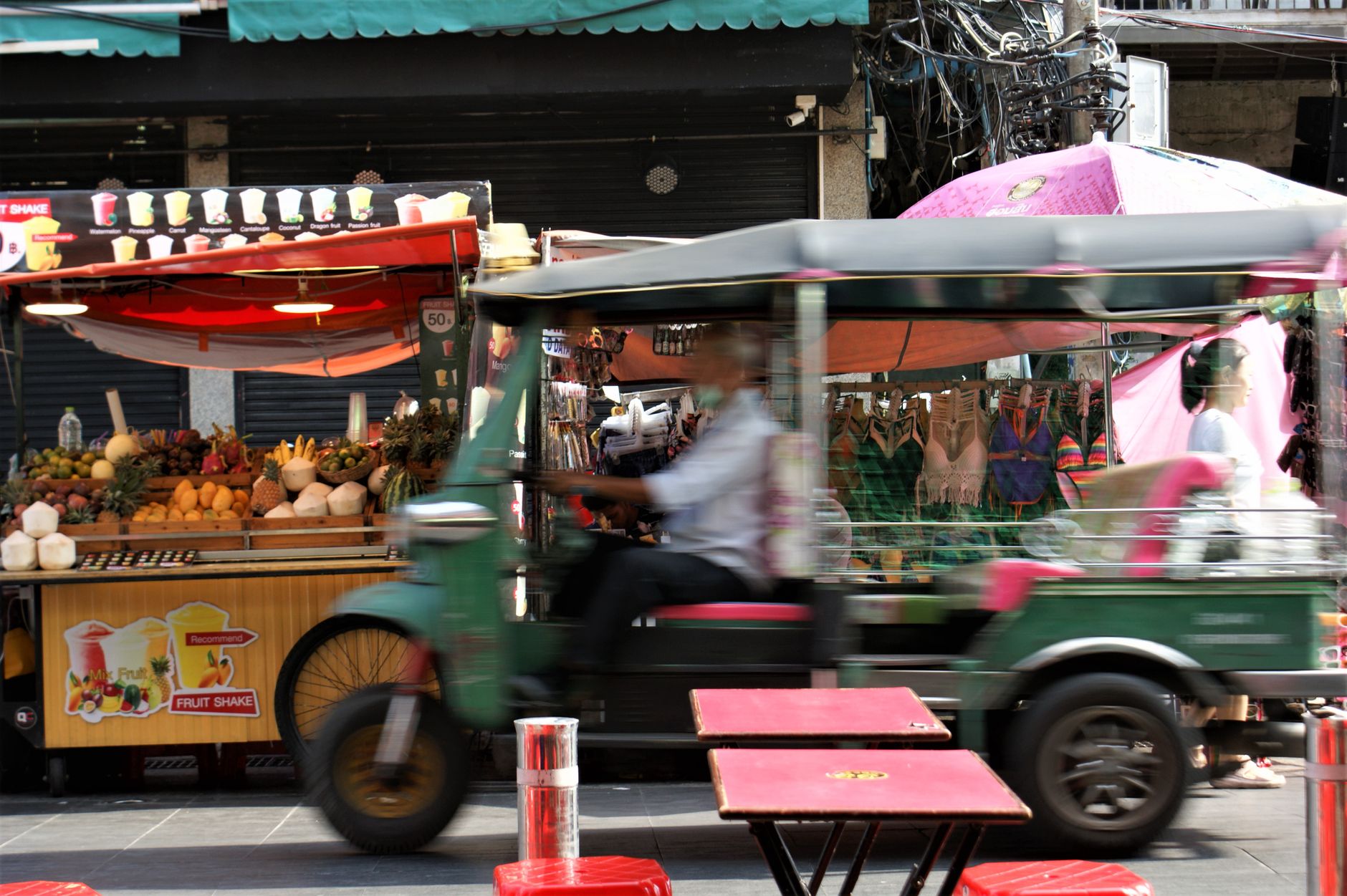
My culinary adventures transformed when I stopped eating at restaurants with English menus and glossy photos. In Bangkok, Thailand, I’d wake up early and head straight to the local wet markets (like Or Tor Kor Market or Khlong Toey Market) instead of hotel buffets. The sights, sounds, and smells were intoxicating – mountains of fresh fruit, exotic vegetables, live seafood, and street food vendors already bustling. I learned to identify ingredients, haggle for ripe mangoes, and discovered the joy of a piping hot bowl of Jok (rice porridge) for a mere 40 baht ($1.20 USD). Later, I took a cooking class in a local's home, learning to make authentic Pad Thai and Green Curry, understanding the balance of flavors that defines Thai cuisine.
Shopping for groceries in a local supermarket (like Carrefour in France or a small bodega in Mexico) is also an experience in itself. You see what people eat, what brands they prefer, and how they navigate their daily needs. It's a window into their lives.
Practical Tips for Embracing Local Rhythms:
* Eat Street Food & Local Markets: This is where the authentic flavors are, and often the best value. Ask locals for their favorite stalls. (Always look for busy stalls with high turnover for freshness!).
* Cook Your Own Meals: Renting accommodation with a kitchen is key. Visit local grocery stores, specialty shops, and markets. It’s a cultural experience and saves money.
* Use Public Transportation: Ditch the taxis and embrace buses, trains, metros, and local tuk-tuks or collectivos. It's cheaper, often more efficient, and you'll see a side of the city tourists rarely do.
* Find a Local Cafe/Bar: Discover a spot where locals gather for their morning coffee or evening drink. Become a regular for a few days; the baristas or owners might start to recognize you.
* Shop Local: Avoid generic souvenir shops. Look for artisan markets, independent boutiques, and local craftspeople. You'll find unique items and support the local economy directly.
Accommodation Beyond the Hotel: Your Local Hub
Where you sleep profoundly impacts how you experience a place. Hotels, while comfortable, often create a bubble. To truly live like a local, you need a local hub.
My game-changer here was Airbnb. In Kyoto, Japan, I booked a traditional machiya (townhouse) in a quiet residential neighborhood, a 20-minute bus ride from the bustling Gion district. My host, an elderly woman named Hiroko, didn't speak much English, but her warmth was palpable. She showed me how to use the local bus system, pointed out the best ramen shop on the corner (a tiny place with only five seats!), and even left me fresh fruit from her garden. Living in that machiya, waking up to the sounds of neighborhood life, and navigating local streets felt like I was truly living in Kyoto, not just visiting. I had neighbors, a local bus stop, and a favorite bakery.
Beyond Airbnb, consider homestays, guesthouses, or even house-sitting opportunities. These options often put you directly into local communities and provide invaluable insights and connections you wouldn't get otherwise.
Actionable Advice for Local Accommodation:
* Choose Airbnb/Homestays: Look for hosts with great reviews who are keen to share local tips. Choose neighborhoods outside the main tourist zones.
* Consider Co-living Spaces: For longer stays, co-living can offer built-in community with both locals and other long-term travelers.
* Ask Your Host for Tips: Your host is a treasure trove of local knowledge. Ask them where they eat, shop, and relax.
* Stay Longer: Even just 5-7 days in one spot allows you to settle into a routine, discover hidden gems, and feel less rushed. My sweet spot is usually 2-4 weeks per location.
Beyond the Checklist: Finding Your Local Gems
The biggest mistake a tourist makes is sticking strictly to the guidebook's "must-see" list. While famous landmarks are famous for a reason, true local life happens elsewhere.
In Rome, after seeing the Colosseum, Vatican, and Trevi Fountain, I felt a familiar emptiness. So, I decided to do something different. I searched for "local events Rome" and found a free outdoor jazz concert in Parco degli Acquedotti. It was miles from the city center, and I was the only obvious foreigner. Families picnicked, children played, and the music filled the warm evening air. It was magical, authentic, and completely off the tourist radar. I shared a bottle of wine with a local couple who taught me about Roman history beyond the emperors.
This is where the magic happens – stumbling upon a local festival, discovering a hidden park, or joining a community event. These are the moments you'll remember long after the postcard views fade.
Practical Tips for Finding Local Gems:
* Ask Locals: The best source of information. Ask your Airbnb host, a friendly barista, or a shopkeeper for their favorite hidden spots, restaurants, or local events.
* Check Local Event Listings: Search online for "What's on [City Name] today/this week" or "local events [City Name]." Look for community calendars, local newspapers (online), or cultural institution websites.
* Use Social Media: Join local Facebook groups (e.g., "Expats in [City Name]," "Foodies of [City Name]") or search Instagram hashtags for local recommendations.
* Wander Aimlessly: Give yourself permission to explore without a destination. Turn down an intriguing alleyway. You'll be amazed at what you discover.
* Volunteer: For longer stays, volunteering with a local charity or organization is an incredible way to integrate, give back, and meet locals.
Budgeting for Immersion: Smart Spending for Deeper Experiences
One of the beautiful ironies of living like a local is that it often saves you money. Tourist traps are designed to extract maximum cash from visitors, but local living prioritizes value and authenticity.
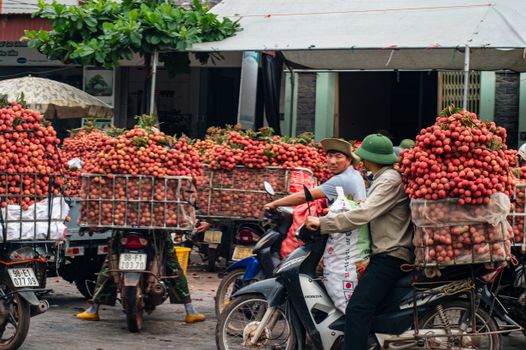
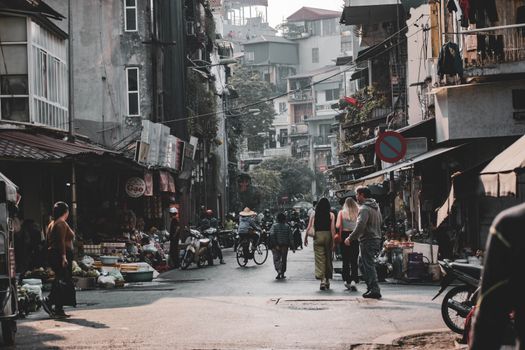
My trip to Vietnam was a testament to this. I bypassed expensive tours and opted for local buses and trains (a 10-hour overnight train from Hanoi to Da Nang cost about $25 USD). I ate street food for every meal, spending perhaps $5-7 USD a day on incredibly delicious, fresh dishes. Instead of fancy hotels, I stayed in family-run guesthouses for $15-20 a night. By living simply and locally, my daily expenses plummeted, allowing me to extend my trip and deepen my experiences, like taking a cooking class in Hoi An or renting a scooter to explore the countryside. I wasn't just saving money; I was investing in richer, more meaningful interactions.
Actionable Advice for Smart Budgeting:
* Prioritize Experiences Over Things: Spend your money on cooking classes, local performances, market visits, and unique food experiences rather than expensive souvenirs or high-end restaurants.
* Cook at Home: Eating out for every meal adds up. Utilize your kitchen in your Airbnb or guesthouse.
* Use Public Transport: Always opt for local transport over taxis when possible.
* Seek Free Activities: Parks, free walking tours (tip your guide!), public markets, hiking trails, and window shopping are all fantastic ways to experience a place without spending a dime.
* Bargain (Respectfully): In many cultures, haggling in markets is expected. Do it with a smile and good humor.
* Track Your Spending: Use an app or a simple notebook to keep tabs on your daily expenses, helping you stay within your budget.
The Life-Changing Impact: Why This Matters
Living like a local isn't just a travel hack; it's a transformative life philosophy. It forces you out of your comfort zone, challenges your preconceptions, and cultivates a profound sense of empathy. You learn to navigate unfamiliar situations, communicate across language barriers, and appreciate the nuances of different cultures.
I’ve learned more about myself, the world, and humanity by sharing a meal with a family in Peru, getting lost (and found) in the backstreets of Rome, or learning to dance salsa in Cuba, than I ever did in years of conventional travel. These experiences strip away the superficial and connect you to the raw, beautiful essence of a place and its people. They teach you resilience, adaptability, and the incredible joy of genuine connection.
You come home not just with souvenirs, but with stories etched into your soul, a broader perspective, and a heart full of gratitude. You'll see your own home with fresh eyes, appreciating its unique customs and comforts. This way of traveling fundamentally changed who I am, making me a more patient, understanding, and adventurous human being. And I truly believe it can do the same for you.
So, are you ready to ditch the guidebook and embrace the adventure of living like a local? To create memories that aren't just Instagram-worthy, but life-worthy? Start small, be open, and let the world surprise you.
What's your first step to living like a local? Share your thoughts and experiences in the comments below! And don't forget to share this post with fellow travelers who are ready for a deeper journey!