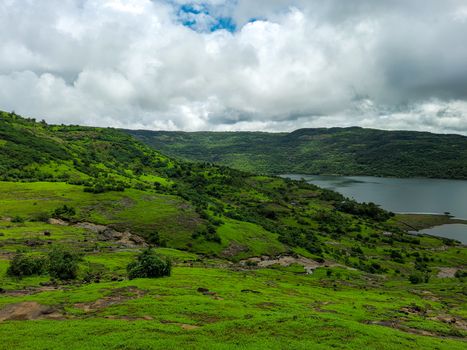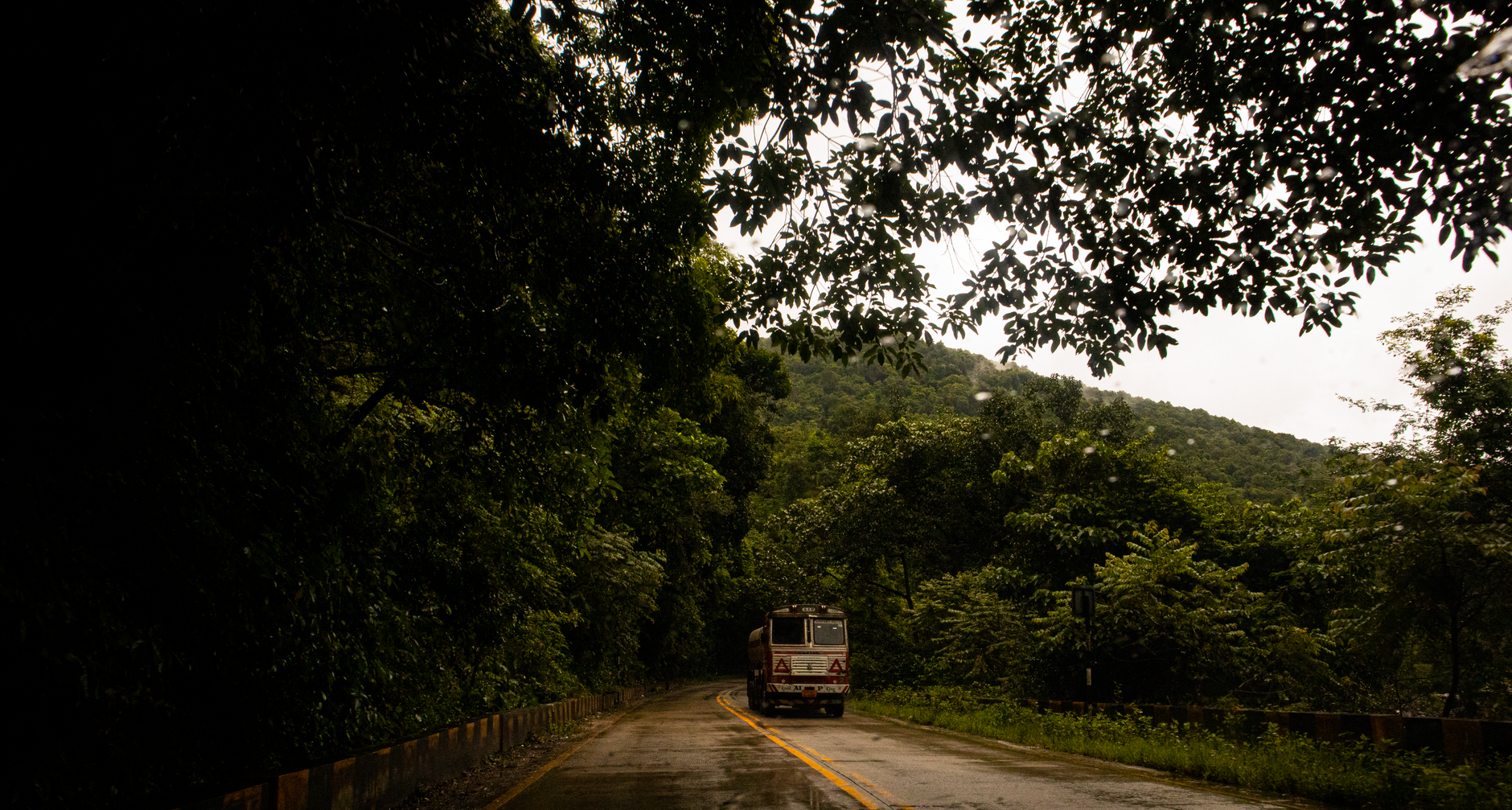
The monsoon is a seasonal pattern of heavy rainfall that affects many regions, particularly parts of South and Southeast Asia, and it can strongly shape the character of a trip. Landscapes often turn vivid green, waterfalls run fuller and some popular places feel quieter than they do in peak months. The same rain can also bring flooding, landslides, road closures and cancelled ferries, so conditions can vary a great deal from one region to the next and from one week to the next.
This guide explains how monsoon rain tends to behave, where rainy-season travel can work well, how to plan around transport disruption and what to check on health, accommodation and insurance. It treats official weather warnings and local authority advice as the most reliable guide, and it assumes that flexibility is the most useful skill a traveler can bring to a wet-season trip.
How monsoon rain behaves
Monsoon rainfall is often concentrated in particular months, but its timing, duration and intensity differ by region and by year. Some areas receive steady rain over several hours each day, while others experience short, intense downpours that arrive with little warning. Humidity is typically high, which affects comfort, clothing and equipment, and upland rivers can rise quickly after heavy rain falls in the hills.
Forecasts for monsoon periods are useful but not perfect. Seasonal outlooks give a general sense of what to expect, while short-range forecasts and official warnings are more reliable for specific days. Check national meteorological services and local disaster management agencies before you travel, and again each morning during your trip.
Where monsoon travel can work
Some destinations are pleasant during rainy months, particularly those with indoor cultural sites, museums, cooking classes, temples, tea estates and sheltered accommodation. Rain often gives visitors a reason to slow down, sit in cafes, take workshops or explore covered markets. Trips built around these activities tend to cope better with changing weather than trips that depend on a single long outdoor day.
Other places can be attractive in the wet season for waterfalls, forests and green landscapes, though access to remote areas may be limited by road conditions. Coastal areas can be affected by rough seas, and some beaches or boat operations pause during stormy periods. Hill regions may carry landslide risks, so local advice matters more than general reputation when choosing where to stay.
Managing transport and flood risks
Road travel can slow or stop during heavy rain, and flights and ferries may be delayed or cancelled. Allow extra time for every transfer, avoid tight connections and keep at least one flexible day in the itinerary. Where possible, book transport with a clear rebooking or refund policy, and ask whether operators have a record of running services in wet conditions.
Never drive, ride or walk through floodwater. Depth and current are hard to judge, drains may be hidden, and road edges can be displaced. Follow instructions from local authorities, move to higher ground if advised and be ready to change plans quickly when a warning is issued. Local drivers and hotel staff often know which routes flood first, so their advice is worth seeking.
Accommodation, health and daily comfort
Choose accommodation with good drainage, reliable power and backup options where possible. Ground-floor rooms in low-lying areas can flood, and some older buildings have leaks or limited ventilation. Ask about generators, water supply and what happens to transport if the road is closed. Staff who can explain local conditions can be as valuable as the room itself.
Mold and damp can be an issue in humid conditions, so pack quick-dry clothing, keep electronics in sealed bags with moisture absorbers and store shoes in ventilated spaces. Mosquito-borne illnesses can be more common in wet seasons, so bring repellent and check current health advice from official sources before you travel. Carry a basic first-aid kit, any personal medication and a copy of prescriptions.
Insurance and flexible planning
Travel insurance can be particularly useful in monsoon season, since cancellations and delays are more frequent. Check whether a policy covers weather-related disruption, missed connections, emergency evacuation and medical treatment. Read the exclusions carefully, because some policies do not cover travel during an active weather warning or to areas where the government advises against travel.
Booking refundable or changeable tickets, where affordable, can reduce stress when plans shift. Keep digital and printed copies of documents, bookings and emergency contacts, and store them in more than one place. Confirming each transfer the day before can prevent surprises when operators adjust schedules at short notice.
A decision framework and who it suits
Before committing, ask four questions. First, does the destination have indoor or sheltered activities that you would enjoy if outdoor plans change? Second, can you accept the possibility of cancelled transport and extra days? Third, are local authorities issuing warnings for the region you plan to visit? Fourth, does your insurance cover the risks that matter most for your trip? If several answers are uncertain, a drier month or a different destination may be a better choice.
This approach suits travelers who enjoy green landscapes, slower days and flexible itineraries, and who are comfortable with rain. It is less suitable for people who need fixed schedules, travelers with mobility limitations who depend on dry access, and anyone who cannot easily change plans or absorb unexpected costs.
Common mistakes to avoid
A common error is building tight schedules that leave no room for delay. A single cancelled ferry can disrupt several days if every onward booking depends on it. Another is ignoring weather warnings because the forecast looked fine the previous week. Travelers also underestimate how much rain slows walking, photography and daily errands.
Some visitors wade through floodwater to reach a viewpoint or temple, which can be dangerous and can add to the burden on local communities who must clean up afterward. Finally, many people forget to check whether a site is closed for monsoon maintenance, since some attractions shut for safety reasons until conditions improve.
What to check before you book
Check official advisories from the government of your destination and from your own government, along with national weather and disaster agencies. Look at recent local news for road and flood updates. Confirm which transport options remain available if one route is closed, and whether booking terms allow changes without penalty.
Review your insurance wording, the cancellation policies on accommodation and tours, and any health advice relevant to the season. Pack for humidity, carry a power bank and a waterproof bag, and keep a printed list of key bookings and phone numbers in case a battery or signal fails.
Who monsoon travel suits and who it does not
Monsoon travel can suit travelers who enjoy lush scenery, quieter sites and indoor cultural life, and who are comfortable adjusting plans. It can also suit those looking for lower demand in certain destinations, though availability and prices vary and should be checked directly. Photographers who enjoy atmospheric skies may appreciate the conditions, provided they plan carefully.
It is less suitable for people with strict time limits, travelers who need reliable transport for medical or work reasons, families with very young children who need predictable routines and anyone who becomes anxious when plans change. In those cases a drier season or a more flexible schedule will usually be easier to manage.
Frequently asked questions
Is it unsafe to travel during monsoon season?
Risk depends on the destination, the specific weather and the local advisories in force. Many trips proceed without serious problems, but travelers should monitor warnings and be prepared to change plans.
Should I cancel if a storm is forecast?
Follow official advice and the terms of your insurance. Where authorities advise against travel, postponing or changing plans is usually the safer option.
Is monsoon travel cheaper?
Demand can be lower in some places, but prices, availability and weather-related changes vary. Compare options directly rather than assuming savings.
Monsoon season can offer lush landscapes and a quieter pace, but it asks for flexibility and caution. Choosing suitable destinations, respecting weather warnings and building in margins will help a rainy-season trip feel rewarding rather than stressful, and will keep travelers and local communities safer when conditions change quickly.