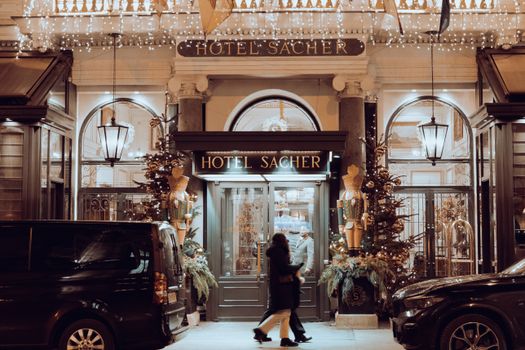
"Welcome to your Penthouse Suite, Mr. Davies."
The words hung in the air, sweet as the complimentary chilled prosecco waiting on the table. I looked around the sprawling, sun-drenched room – a private balcony overlooking the shimmering Mediterranean, a standalone tub, and a separate living area I certainly hadn't paid for. My booking? A standard city-view room at a boutique hotel in Nice, France. My secret? A few well-placed, subtle strategies that, at the time, felt almost like magic.
That wasn't a fluke. Over years of globetrotting for Tripsora, I’ve refined a toolkit of unconventional, pre-mainstream hotel booking secrets that consistently land me in rooms far superior to what I paid for. Forget just asking nicely at check-in (though that helps!); we're talking about proactive, strategic moves that leverage insights into how hotels operate, what motivates them, and how to position yourself as the ideal guest they want to impress.
These aren't the generic "book direct" or "join loyalty programs" tips you've heard a thousand times (though we'll elevate those, too). These are the deep cuts, the nuanced approaches that require a little foresight, a dash of charm, and a willingness to think outside the booking box. They’re about to become mainstream, but you, my savvy Tripsora reader, will be ahead of the curve.
Ready to unlock the door to your next dream suite? Let’s dive in.
1. The "Soft Launch" Advantage: New Hotels & Renovations – Your Golden Ticket
Imagine a brand new hotel, fresh paint, gleaming fixtures, and a staff buzzing with excitement. Or a beloved property unveiling a multi-million-dollar renovation. What's their biggest priority? Buzz, positive reviews, and word-of-mouth. This is your upgrade sweet spot.
When a hotel is in its "soft launch" phase (the period right after opening but before the grand fanfare) or has just completed a major renovation, they are desperate to make a stellar impression. They want to fill their premium rooms, showcase their best assets, and collect glowing feedback. This means they are often incredibly generous with upgrades.
My Anecdote:
I once booked a standard room at The Luminary Hotel & Co. in St. Petersburg, Florida, just a few weeks after its grand opening. Knowing their focus would be on creating memorable experiences, I included a brief note in my direct booking confirmation: "Thrilled to be among your first guests and eager to experience your unique waterfront property!" Upon arrival, I was immediately upgraded to an Executive King Suite with panoramic views of the marina and downtown. The front desk manager explicitly mentioned they were "excited to share their best with early visitors."
How to Leverage This Secret:
- Research Upcoming Openings: Follow travel industry news sites, hotel group press releases, and even local city tourism boards for announcements of new hotels or major renovations. Search terms like "[city name] new hotels 2024" or "[hotel chain] upcoming openings."
- Target the "Sweet Spot": The optimal window is usually 2-6 months after a soft opening, or immediately after a major renovation. Avoid the absolute first week, as kinks are still being ironed out, but don't wait until it's fully established.
- Direct Communication is Key: Once you've identified a target, book directly on their website. Then, send a polite, enthusiastic email to the hotel's general email address (often found on their contact page, or by calling the main number and asking for the email for guest relations/concierge).
- Craft Your Message: Express your excitement about being one of their early guests or experiencing their new facilities. Mention a specific design element or amenity you admire. Subtly hint at your intention to share your positive experience, perhaps on social media or a travel forum (even if you only have a modest following, the intent matters). Example: "I'm so looking forward to experiencing your newly designed waterfront rooms, and perhaps capturing some stunning photos for my travel-focused Instagram!"
What to Avoid:
Don't demand an upgrade. Frame it as genuine enthusiasm and a desire to experience the best of their property.
2. The Art of "Micro-Influence" & Intentional Storytelling Pre-Arrival
You don't need to be a celebrity influencer with a million followers to leverage the power of social media and personal connection. Hotels, especially boutique and luxury properties, are increasingly aware of user-generated content and the value of authentic stories. You can become a "micro-influencer" for your specific stay, simply by crafting a compelling narrative.
This isn't about deception; it's about sharing a genuine reason for your trip and subtly indicating your potential to be a positive ambassador for their brand.
My Anecdote:
For a significant anniversary trip to a stunning resort in Bali, I didn't just book a room. I sent a personalized email a week prior, mentioning it was our 10th anniversary, how much we admired their commitment to sustainable tourism (a detail I genuinely researched), and how excited I was to capture the resort's beauty through my lens (I have a modest but active photography Instagram). We arrived to a complimentary bottle of champagne, a personalized welcome note, and an immediate upgrade from a garden villa to a breathtaking oceanfront pool villa. The manager later told me, "We loved your story, and we want you to have the most unforgettable anniversary with us."
How to Master This Secret:
- Update Your Digital Presence: Ensure your Instagram, LinkedIn, or personal blog (if you have one) reflects a genuine interest in travel, photography, or a relevant niche. A well-curated profile, even with a small following, can signal you're a potential content creator.
- Craft Your "Story": Is it a special occasion (anniversary, birthday, graduation)? A long-awaited reunion? Your first trip to this destination? A passion project (photography, writing, drawing)? Even a simple "much-needed escape after a challenging year" can work.
- Pre-Arrival Email (The Power of Personalization):
- Timing: Send this 5-7 days before arrival.
- Recipient: Address it to the General Manager or Guest Relations Manager (you can usually find their names on the hotel's website or LinkedIn, or call the hotel to ask).
- Content:
- Reiterate your booking details.
- Share your "story" – the reason for your visit. Make it authentic and positive.
- Express genuine admiration for a specific aspect of their hotel (e.g., "I'm particularly looking forward to experiencing your renowned spa," or "Your commitment to local art truly impressed me").
- Subtly hint at your ability to share your experience: "I'm an avid photographer and can't wait to capture the beauty of your property," or "I'm eager to share my experience with my small community of fellow travelers."
- Conclude by saying you're simply excited for your stay and looking forward to meeting their team.
What to Avoid:
Don't overstate your influence or make it sound like a demand. Authenticity and polite enthusiasm are your best tools. The goal is to make them want to impress you.
3. The "Off-Peak Niche" & Mid-Week Magic: Beyond Just "Off-Season"
Everyone knows booking in the off-season can save money. But to guarantee an upgrade, you need to be more granular. It's about finding the specific days or micro-seasons when a hotel has surplus premium inventory and a strong desire to fill it, even if the general area is still busy.
This strategy focuses on understanding a hotel's typical occupancy patterns and identifying their "weak spots" – times when they anticipate lower demand for their top-tier rooms.
My Anecdote:
I once had a conference in London but extended my stay for a personal trip. The conference hotel was fully booked, but I booked a different, highly-rated business-focused hotel in Canary Wharf for a Friday-Sunday stay. Business hotels are typically slammed Monday-Thursday but have huge vacancies on weekends. By booking a standard room for a leisure trip during their "business off-peak," I was upgraded to an Executive Suite with stunning city views. The front desk casually mentioned, "We have plenty of space this weekend, enjoy the extra room!"
How to pinpoint these opportunities:
- Business vs. Leisure Destinations:
- Business Hotels: Target weekends (Friday-Sunday) or major holiday periods when business travelers are absent.
- Leisure/Resort Hotels: Aim for mid-week stays (Tuesday-Thursday) during shoulder seasons (just before or after peak tourist times). Avoid major public holidays or school breaks.
- Local Event Calendars: Before booking, check the local convention center or city tourism website for major events, festivals, or conferences. Avoid those dates like the plague, as they drive up demand across all room categories.
- Shoulder Season Sweet Spots: Beyond "off-season," look at the weeks just bordering peak season. For example, early May or late September in Europe often offer pleasant weather but fewer crowds and more available upgrades than July/August.
- Utilize Hotel Occupancy Tools (Subtly): Some hotel websites or third-party booking engines (like Google Hotels) will show price fluctuations by day. A sudden dip in prices for premium rooms on specific dates can indicate lower occupancy and a higher chance of an upgrade.
What to Avoid:
Don't book during a major city-wide event and expect an upgrade. The goal is to find dates where the hotel has excess inventory in their higher categories.
4. Direct Booking 2.0: The Loyalty & Personal Touch Hack
"Book direct" is common advice, but how you do it makes all the difference. This secret isn't just about avoiding third-party fees; it's about leveraging the direct relationship to signal your value and potential for future loyalty.
Hotels prioritize guests who book directly because they save on commission fees (which can be 15-30%). This saving gives them more flexibility to reward you. But to truly stand out, you need to go beyond the website.
My Anecdote:
I was planning a quick stay at a major hotel chain in Dallas. I'm a mid-tier loyalty member (Gold, which means minor perks, not guaranteed upgrades). Instead of booking online, I called the specific hotel's front desk directly, rather than the central reservations line. I politely inquired about a "special rate for a returning loyalty member" and, after confirming my standard booking, mentioned, "I'm really hoping to make this a productive trip, and I saw your Executive Lounge looks fantastic for getting some work done. Is there any chance of availability for a room that includes lounge access?" The agent, empowered to make decisions, upgraded me to an Executive King with lounge access right then and there.
How to Implement This Secret:
- Always Join the Loyalty Program: Even if it’s your first stay, sign up for the hotel's loyalty program. It signals intent and allows them to track your stay. Even basic membership can make you a more attractive guest for an upgrade.
- Call the Hotel Directly: This is crucial. Central reservations often have rigid scripts. The front desk or reservations manager at the actual hotel has more autonomy and a direct understanding of their current inventory.
- Be Specific and Polite:
- "Hello, I have a reservation for [Your Name] on [Dates]. I'm a [Loyalty Tier] member, and I was wondering if there's any possibility of an upgrade to a [specific room type, e.g., Executive King, Junior Suite] for my stay?"
- Add a Reason (The "Why"): "I'm celebrating my partner's birthday and would love to surprise them with a nicer view," or "I'm hoping to get some work done and heard your [specific amenity like a desk or lounge] is excellent."
- Emphasize Future Loyalty: "I've heard great things about your hotel, and I'm looking forward to making it my go-to when I'm in [City]."
- Check-in Timing: If your previous efforts haven't yielded an upgrade, try checking in slightly later in the day (e.g., 3-5 PM). By then, the hotel knows which guests have canceled, which rooms are still available, and they're less stressed by the initial check-in rush.
What to Avoid:
Don't be demanding. Frame it as a hopeful inquiry, and be prepared for a "no." Politeness and a friendly demeanor go a long way.
5. The "Feedback Loop" & Post-Stay Potential: Building Future Upgrades
Sometimes, the best upgrade isn't on your current stay, but sets you up for the next. This secret leverages the power of constructive feedback and genuine appreciation to build goodwill that can translate into future perks. Hotels love specific, positive feedback, and they appreciate guests who communicate minor issues respectfully.
My Anecdote:
During a stay at a boutique hotel in Charleston, SC, there was a minor issue with the Wi-Fi in my room (a common complaint, it turned out). Instead of complaining loudly, I politely mentioned it to the front desk, noting how much I loved the hotel otherwise and hoped it could be improved for future guests. I followed up with a positive online review, specifically praising the staff's service but also reiterating the Wi-Fi feedback. Months later, when I booked another stay, I received an email from the Guest Relations Manager, referencing my previous visit and offering a complimentary upgrade to their largest suite "as a thank you for your valuable feedback and continued loyalty."
How to Cultivate This Secret:
- Constructive Feedback (During or After): If there's a minor issue, address it politely and constructively. Frame it as "feedback to help them improve," rather than a complaint.
- Specific Praise in Reviews: Whether it's a direct email, a comment card, or an online review (Google, TripAdvisor, etc.), be specific about what you loved. Mention staff by name if possible. "Sarah at the front desk was exceptionally helpful," or "The breakfast pastries were divine."
- Engage on Social Media: Tag the hotel in your positive Instagram posts or stories. Share photos of specific amenities you enjoyed. Hotels monitor these mentions.
- Reference Previous Stays in Future Bookings: When you book again, add a note in your reservation: "Returning guest – truly enjoyed my stay last [month/year]!" This reminds them of your loyalty and positive history.
- Follow Up with an Email: If you had a particularly good experience or provided constructive feedback, send a brief email after your stay to the General Manager. Thank them, reiterate your positive points, and express your hope to return.
What to Avoid:
Don't use this as an excuse to complain about trivial matters. The goal is to be a valued, discerning guest who offers genuinely helpful input.
6. Leveraging Niche Travel Agents & Concierge Services: The Hidden Network
This secret involves tapping into networks that have direct, often preferential, access to hotel inventory and upgrade policies that aren't available to the general public. While it might seem counter-intuitive to use an agent for upgrades, certain specialized services hold immense power.
We're not talking about your average online travel agency. We're talking about luxury travel consortia and premium credit card concierge services that have established relationships with hotels and often offer guaranteed upgrades.
My Anecdote:
For a special birthday trip to Kyoto, Japan, I wanted something truly memorable. I used my American Express Platinum card's Fine Hotels + Resorts (FHR) program. While the initial booking was for a standard room at The Ritz-Carlton, Kyoto, the FHR benefits guaranteed a room upgrade upon arrival (subject to availability, but often fulfilled), along with complimentary breakfast, a property credit, and late check-out. I arrived to find myself in a stunning Garden Terrace Suite, a phenomenal upgrade that would have cost hundreds of dollars more if booked directly. The best part? It was guaranteed as part of the FHR program.
How to Access This Secret:
- Premium Credit Card Benefits:
- American Express Fine Hotels + Resorts (FHR): Available with Amex Platinum and Centurion cards. Offers guaranteed upgrades (at check-in), daily breakfast for two, property credits (e.g., $100 spa credit), early check-in, and late check-out. The value often far exceeds the annual fee.
- Chase Sapphire Reserve Luxury Hotel & Resort Collection (LHRC): Similar benefits to FHR, including upgrades, breakfast, and credits.
- Virtuoso, Preferred Hotels & Resorts, Leading Hotels of the World: These are luxury travel consortia that partner with independent travel advisors. Find an advisor affiliated with one of these networks. They have direct relationships with hotels and can often secure exclusive perks, including upgrades, that are not publicly advertised.
- Specialized Luxury Travel Advisors: Seek out independent travel advisors who specialize in luxury travel. They often have personal connections with hotel GMs and can advocate for their clients. While they might charge a planning fee, the value of the perks and upgrades they secure can be substantial.
- Concierge Services (High-End): Some credit card or membership-based concierge services can also pull strings for their clients, especially for special occasions.
What to Avoid:
Don't assume all travel agents offer these benefits. Research and specifically look for agents affiliated with luxury programs or credit card programs that explicitly state upgrade guarantees.
7. The "Early Bird Gets the Suite" & Strategic Pre-Blocking
This secret combines elements of timing and proactive communication. It's about getting the hotel to "pre-block" you into a higher-category room even before your arrival, making it significantly harder for them to downgrade you later.
Hotels typically assign rooms a day or two before check-in. If you can get them to verbally confirm or note your preference for an upgraded room well in advance, you're ahead of the game.
My Anecdote:
I was traveling to Copenhagen for a design conference and wanted a room with a specific view. Two weeks before my arrival, after booking directly, I called the hotel. I explained my specific interest in their "design aesthetic" and mentioned, "I'm particularly drawn to your rooms overlooking the [specific landmark/waterfront]. If there's any availability for a room in that category, I would be absolutely thrilled." The agent noted my preference. Upon arrival, I was not only given a room with the desired view but was also put in a Junior Suite, which was in that specific wing. The early, specific request had allowed them to plan ahead.
How to Execute This Secret:
- The Two-Week Pre-Call: About two weeks before your stay, call the hotel's front desk or reservations department. This is early enough that they're planning, but not so early that your stay is forgotten.
- Express a "Preference" (Not a Demand): "I have a reservation for [Your Name] from [Dates]. I'm really looking forward to my stay. I was wondering if it's possible to note a preference for a room on a higher floor/with a specific view/near a quiet area, if available?"
- Tie it to a Specific Room Type (Subtly): If you know the hotel has a specific "deluxe" or "executive" room type that offers these features, you can subtly hint at it: "I noticed your Executive Rooms often have fantastic views of the harbor – if one of those happens to be available, that would be wonderful."
- "Pre-Block" Language: While they won't say "we'll pre-block you for an upgrade," by noting your specific preference, you're essentially getting them to mentally assign you to a better room if inventory allows. They'll often try to fulfill these requests if they can, especially for a polite, proactive guest.
- Reconfirm 24-48 Hours Prior: A day or two before arrival, you can send a quick, polite email or call to reconfirm your reservation and subtly reiterate your preference. "Just confirming my arrival tomorrow and still very much looking forward to my stay. Any chance that high-floor room with the city view is still looking good?"
What to Avoid:
Don't be pushy or expect a firm guarantee. This is about gently guiding their room assignment process in your favor.
Your Next Trip, Elevated.
These are not just tips; they are a mindset. A proactive, informed, and genuinely appreciative approach to travel that hotels are increasingly recognizing and rewarding. The world of travel is evolving, and the savvy traveler knows that a little research, a dash of charm, and strategic communication can unlock experiences far beyond their initial booking.
From my Mediterranean suite in Nice to the oceanfront villa in Bali, these strategies have consistently transformed my stays from standard to spectacular. They work because they align with what hotels want: happy guests who will sing their praises, return for future stays, and genuinely appreciate the effort.
So, on your next adventure, don't just book a room. Book an experience. Try one or two of these pre-mainstream secrets. You might just find yourself sipping complimentary prosecco in a suite you never thought you'd afford.
Now, go forth and upgrade your travels! And when you do, come back and share your success stories with us at Tripsora. We can't wait to hear how you unlocked your next dream stay.
What's your favorite pre-arrival upgrade hack? Share it in the comments below!
---