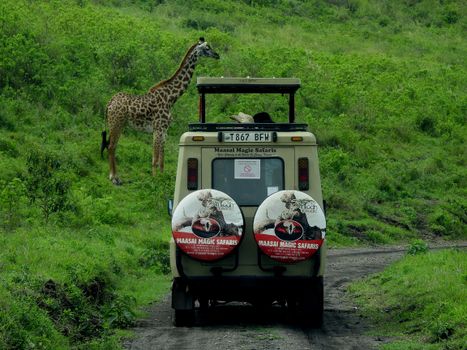
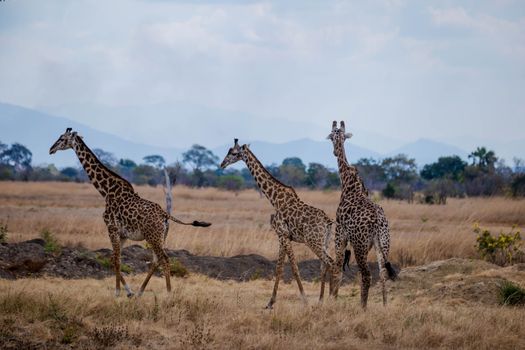
The rumble of a Land Rover, the dust-choked air, the distant roar of a lion under a vast acacia tree – that's the quintessential African safari dream, a dream I've chased and lived multiple times. And let me tell you, it never disappoints. The sheer scale, the iconic Big Five, the vibrant cultures – Africa holds a special place in every adventurer's heart.
But as a professional travel blogger for Tripsora, always on the hunt for the next big thing, the next untamed frontier, I've noticed a fascinating shift. More and more travelers are asking: "What else is out there?" They're seeking unique wildlife experiences, ethically driven encounters, and destinations that offer a fresh perspective on the wild. And the answer, my friends, is a resounding plenty.
The world is a tapestry of biodiversity, and beyond the savannas of Africa, incredible safari experiences are not just waiting – they're trending. These aren't just alternatives; they're bucket-list-worthy adventures in their own right, each offering a distinct flavor of wilderness, a different cast of characters, and a whole new set of stories to tell.
I've been fortunate enough to dive deep into some of these non-African wild havens, and let me tell you, they've blown me away. Forget everything you thought you knew about "safari" and let's embark on a journey to discover five incredible wildlife experiences that are making waves right now, promising unforgettable thrills and Instagram-worthy moments.
---
1. India: The Roar of the Royal Bengal Tiger & Beyond
When I first considered a "safari" in India, I admit, my mind was still stuck on giraffes and zebras. But one dusty morning in Ranthambore, as the first rays of sun painted the ancient fort ruins gold, I heard it – a deep, resonant growl that vibrated through my very bones. Moments later, a magnificent Royal Bengal Tiger, stripes gleaming, emerged from the tall grass, walked right past our open-top jeep, and disappeared as silently as it appeared. My heart was pounding, my camera shutter was firing, and I knew, unequivocally, that India offers a safari experience unlike any other.
India isn't just about tigers; it's a vibrant kaleidoscope of wildlife. From the elusive snow leopard in the Himalayas to one-horned rhinos in the northeast, and majestic elephants roaming the south, the subcontinent is a biodiversity hotspot. But it's the tiger, the apex predator, that draws most visitors, and rightly so.
Why it's Trending:
India's conservation efforts have seen a steady increase in tiger populations, making sightings more frequent. The blend of historical ruins within national parks (like Ranthambore Fort) adds a unique cultural dimension, and the sheer thrill of tracking such a powerful, solitary animal is unparalleled.
Where to Go & What to Expect:
* Ranthambore National Park (Rajasthan): Famous for its "friendly" tigers and stunning landscapes dotted with ancient ruins. It's relatively easy to access from Jaipur or Delhi. Morning and afternoon safaris are conducted in open-top jeeps (Gypsies) or larger canters.
* Bandhavgarh National Park (Madhya Pradesh): Known for having one of the highest tiger densities in India. The terrain is a mix of dense forest and grasslands, offering fantastic photographic opportunities.
* Kanha National Park (Madhya Pradesh): The inspiration for Kipling's "The Jungle Book," Kanha offers a more diverse wildlife experience, including barasingha (swamp deer) and a healthy tiger population.
My Personal Tip:
Book your safari permits well in advance, especially for Ranthambore and Bandhavgarh, as they sell out quickly. Opt for a dedicated jeep rather than a canter if your budget allows for more flexibility in tracking. Be patient; tiger sightings are never guaranteed, but the anticipation is half the fun!
Costs & Logistics:
A 3-day/6-safari trip (including accommodation, meals, park fees, and jeep safaris) can range from $800 - $1,500 USD per person for a mid-range experience. Flights to major cities like Delhi or Mumbai, followed by domestic flights or train journeys, are standard.
Instagram Moment:
A close-up shot of a tiger's piercing gaze, framed by ancient stone ruins or lush jungle foliage. #IndiaTigerSafari #ProjectTiger
---
2. South America: The Elusive Jaguar Quest in the Pantanal
My journey to the Pantanal in Brazil was driven by a single, powerful ambition: to see a jaguar in the wild. Having heard tales of this magnificent feline, the largest cat in the Americas, I knew it would be a challenge. But standing on the deck of a small boat, gliding silently through the emerald waterways of the Pantanal, the air thick with the calls of exotic birds and the splash of capybaras, I felt an electric anticipation. And then, there it was – a sleek, muscular jaguar, perfectly camouflaged against the riverbank, its rosettes shimmering, watching us with an unnerving intensity before melting back into the dense vegetation. It was a moment of pure, unadulterated wilderness, a stark reminder of nature's raw power.
The Pantanal, a vast tropical wetland spanning parts of Brazil, Bolivia, and Paraguay, is an ecological marvel. It's home to an incredible array of wildlife, from giant anteaters and capybaras (the world's largest rodents) to hundreds of bird species and, of course, the elusive jaguar. Unlike the dense Amazon rainforest, the Pantanal's more open landscapes and waterways make wildlife viewing significantly easier, especially for its apex predator.
Why it's Trending:
The Pantanal is gaining recognition as the best place in the world to see jaguars in their natural habitat. The unique boat safaris offer intimate encounters, and the sheer biodiversity of the region is mind-boggling. It's a true frontier for wildlife enthusiasts.
Where to Go & What to Expect:
* Northern Pantanal (Brazil): Specifically the region around Porto Jofre. This is the hotspot for jaguar sightings. Most safaris are conducted by boat along the Cuiabá River and its tributaries, allowing close access to the riverbanks where jaguars often hunt or rest.
* Southern Pantanal (Brazil): Offers a broader range of wildlife activities, including horseback riding, piranha fishing, and traditional fazenda (ranch) stays, though jaguar sightings are less frequent than in the north.
My Personal Tip:
Visit during the dry season (May to October). As water levels recede, animals congregate around the remaining water sources, making sightings more reliable. Invest in good binoculars and a telephoto lens – you'll thank me later!
Costs & Logistics:
A 4-5 day jaguar-focused trip in the Northern Pantanal, including transfers from Cuiabá, boat safaris, guides, and full-board accommodation, can range from $1,500 - $3,000 USD per person, depending on the lodge and tour operator. Flights typically go into Cuiabá (CGB).
Instagram Moment:
A majestic jaguar lounging on a riverbank, its reflection shimmering in the still water. #PantanalSafari #JaguarQuest #SouthAmericaWildlife
---
3. Sri Lanka: Island of Giants, Leopards & Whales
Sri Lanka, this teardrop-shaped island in the Indian Ocean, had always been on my radar for its ancient temples and pristine beaches. But it was the sheer diversity of its wildlife that truly captivated me. One morning, bouncing along a dusty track in Yala National Park, our guide suddenly pointed. There, draped elegantly over a rock, was a leopard – a ghost of the jungle, its rosettes perfectly camouflaged against the dappled sunlight. Later that week, in Udawalawe, I watched in awe as a herd of elephants, including playful calves, bathed in a reservoir. And then, a few days after, off the coast of Mirissa, a colossal blue whale breached, its sheer size humbling me to my core. Sri Lanka isn't just a safari destination; it's a multi-faceted wildlife extravaganza.
This island nation packs an incredible punch for its size. From dense jungles and dry scrublands to mountain ranges and a vibrant coastline, Sri Lanka's varied ecosystems support an astonishing array of creatures, including the highest concentration of leopards in the world, large herds of Asian elephants, sloth bears, and an incredible diversity of birdlife, plus a thriving marine ecosystem with blue whales, sperm whales, and dolphins.
Why it's Trending:
Sri Lanka offers a unique "Big Three" experience – leopard, elephant, and blue whale – often within a single trip. Its relatively compact size means you can combine intense wildlife viewing with cultural excursions and relaxation on stunning beaches, making it incredibly appealing to diverse travelers.
Where to Go & What to Expect:
* Yala National Park: The most famous park for leopard sightings. It's a bustling park, so manage expectations for crowds, but the chances of spotting a leopard are high. Safaris are in open-top jeeps, typically early morning or late afternoon.
* Udawalawe National Park: The best place to see large herds of Asian elephants. The landscape is more open, making sightings very reliable. There's also an excellent Elephant Transit Home for orphaned calves.
* Mirissa/Dondra Head (South Coast): From November to April, this is one of the best places in the world for blue whale watching. Ethical tour operators prioritize the whales' well-being.
My Personal Tip:
To avoid the busiest times in Yala, consider staying at a lodge just outside the park and entering at opening time. For whale watching, choose a reputable operator with experienced captains who respect marine life.
Costs & Logistics:
A 7-10 day trip combining wildlife, culture, and beaches could cost anywhere from $1,200 - $2,500 USD per person, excluding international flights, for a mid-range experience. Domestic travel is often via private car with a driver, which is efficient and comfortable.
Instagram Moment:
A leopard silhouetted against a sunset in Yala, or a majestic blue whale breaching in the Indian Ocean. #SriLankaSafari #LeopardIsland #WhaleWatching
---
4. Borneo: Orangutan Encounters & Rainforest Immersion
Borneo. The name itself conjures images of ancient rainforests, misty rivers, and the soulful eyes of its most famous resident: the orangutan. My "safari" here wasn't in a jeep, but on a traditional klotok (riverboat) gliding slowly up the murky Sekonyer River in Tanjung Puting National Park. Sleeping on the open deck, listening to the symphony of the jungle at night, and waking to the calls of gibbons was an experience in itself. But nothing prepared me for the profound connection I felt watching a wild orangutan, with its long, reddish-brown hair, gracefully swing through the canopy, its baby clinging tightly. It's not just a wildlife sighting; it's an immersion into a fragile, vital ecosystem.
Borneo, divided between Indonesia and Malaysia, is a biodiversity hotspot and the last stronghold for wild orangutans. Beyond these magnificent primates, the island is home to proboscis monkeys, sun bears, pygmy elephants, and an incredible array of birds, insects, and plant life. It's a journey into the heart of a living, breathing rainforest.
Why it's Trending:
With increasing awareness about deforestation and the plight of orangutans, ethical tours that support conservation efforts are gaining immense popularity. It's a deeply meaningful travel experience that combines adventure with a powerful message.
Where to Go & What to Expect:
* Tanjung Puting National Park (Indonesian Borneo): The most famous location for multi-day klotok tours, offering the chance to see wild and semi-wild orangutans at feeding stations (established for rehabilitation). You sleep on the boat, fully immersing yourself in the rainforest.
* Sepilok Orangutan Rehabilitation Centre (Malaysian Borneo): While a rehabilitation center, it offers guaranteed sightings and is an excellent educational experience. Combine it with a visit to the nearby Bornean Sun Bear Conservation Centre and the Labuk Bay Proboscis Monkey Sanctuary.
* Kinabatangan River (Malaysian Borneo): River cruises offer opportunities to spot proboscis monkeys, pygmy elephants, and various bird species.
My Personal Tip:
Choose an ethical tour operator that prioritizes orangutan welfare and contributes to conservation. Be prepared for humidity and mosquitoes. Pack light, quick-drying clothing, and a good insect repellent.
Costs & Logistics:
A 3-day/2-night klotok tour in Tanjung Puting can range from $400 - $800 USD per person, excluding flights. Flights typically go to Pangkalan Bun (PKN) in Indonesian Borneo. For Malaysian Borneo, flights go to Kota Kinabalu (BKI) or Sandakan (SDK).
Instagram Moment:
A close-up of an orangutan's expressive face, or a panoramic shot of the misty Borneo rainforest from a riverboat. #OrangutanSafari #BorneoAdventure #RainforestImmersion
---
5. Japan: Winter Wildlife Wonders in Hokkaido
Japan, synonymous with cherry blossoms, bustling cities, and ancient traditions, might be the last place you'd think of for a "safari." But venture to the northern island of Hokkaido in winter, and you'll discover a landscape transformed into a pristine, snow-covered wonderland, home to some of the most stunning and unique wildlife encounters on the planet. My trip to Hokkaido in February felt like stepping into a nature documentary. Watching the elegant dance of Red-crowned Cranes against a backdrop of fresh snow, their calls echoing across the frozen fields, was utterly mesmerizing. Later, seeing majestic Steller's Sea Eagles perched on ice floes, swooping down to fish, was an equally breathtaking spectacle.
This isn't your traditional "game drive" safari; it's a specialized wildlife photography and viewing experience that combines stunning natural beauty with Japan's renowned efficiency and hospitality. Beyond the cranes and eagles, you can spot Blakiston's Fish Owls (one of the rarest owls in the world), Sika deer, and even unique marine life. And, of course, no winter wildlife trip to Japan is complete without a visit to the famous Snow Monkeys of Jigokudani.
Why it's Trending:
The unique aesthetic of wildlife against a snowy backdrop is incredibly photogenic and offers a stark contrast to typical safari landscapes. It's a niche, highly sought-after experience for serious wildlife enthusiasts and photographers, blending nature with a rich cultural experience.
Where to Go & What to Expect:
* Hokkaido (Eastern Hokkaido):
* Tsurui Village: Best for observing and photographing Red-crowned Cranes, especially at feeding stations.
* Rausu (Shiretoko Peninsula): For Steller's Sea Eagles and Blakiston's Fish Owls. Boat trips through ice floes are common.
* Lake Kussharo/Akan: More opportunities for cranes and other winter birds.
* Jigokudani Monkey Park (Honshu): While not in Hokkaido, it's a popular add-on. Watch Japanese Macaques (Snow Monkeys) bathe in natural hot springs, especially magical when snow is falling.
My Personal Tip:
This trip requires specialized cold-weather gear – think multiple layers, insulated boots, and hand warmers. Hire a local guide or join a small group tour focused on photography; they know the best spots and times for sightings.
Costs & Logistics:
A 5-7 day guided wildlife tour in Hokkaido can range from $2,000 - $4,000 USD per person, excluding international flights, due to specialized guiding, transport, and accommodation. Flights typically go into Sapporo (CTS), then domestic flights or trains to eastern Hokkaido.
Instagram Moment:
A pair of Red-crowned Cranes "dancing" in a snow-covered field, or a Steller's Sea Eagle with its impressive wingspan against a dramatic icy backdrop. #HokkaidoWildlife #SnowSafari #JapanWinter
---
General Tips for Your Non-African Safari Adventure:
Embarking on a safari beyond Africa requires a slightly different mindset and preparation. Here are some universal tips to make your trip unforgettable:
- Ethical Travel First: Always choose tour operators and lodges that prioritize animal welfare, conservation, and local community benefits. Research their practices. Avoid any activity that involves direct interaction with wild animals (like riding elephants or petting big cats).
- Book in Advance: Especially for popular parks and peak seasons, permits, guides, and accommodations can sell out months ahead.
- Patience is a Virtue: Wildlife viewing requires patience and a bit of luck. Some animals are masters of camouflage, and sightings are never guaranteed. Enjoy the entire experience, not just the "trophy" animals.
- Pack Smart: Research the climate and terrain. Essentials often include layers, sturdy walking shoes, insect repellent (DEET is often recommended), a wide-brimmed hat, sunglasses, sunscreen, and a good first-aid kit.
- Camera Gear: A good camera with a telephoto lens (at least 300mm) is highly recommended. Binoculars are essential for spotting distant wildlife. Don't forget extra batteries and memory cards!
- Travel Insurance: Always, always, always get comprehensive travel insurance that covers medical emergencies, trip cancellations, and lost luggage.
- Respect Local Culture: You're a guest in these countries. Learn a few basic phrases, dress respectfully, and be mindful of local customs.
---
Conclusion: The World Awaits Your Wildest Dreams
My friends, the world of safari is far vaster and more diverse than many of us ever imagined. While Africa will always hold its iconic status, these trending non-African adventures offer equally compelling, often more unique, and profoundly moving encounters with the planet's incredible wildlife. From the heart-stopping roar of a tiger in India to the elusive grace of a jaguar in the Pantanal, the multi-faceted charm of Sri Lanka, the soulful gaze of an orangutan in Borneo, or the ethereal beauty of Hokkaido's winter wildlife – each destination promises a safari experience that will redefine your understanding of the wild.
These aren't just trips; they're journeys of discovery, moments of connection with nature's raw power, and powerful reminders of why conservation matters more than ever. So, are you ready to step off the beaten path? Are you ready to chase new horizons and create your own epic wildlife stories?
Which of these trending safaris beyond Africa is calling your name first? Share your thoughts in the comments below, or better yet, start planning your next great adventure! Don't forget to share this post with your fellow wanderlusters – let's inspire more people to explore the world's incredible wild side!
---