Beyond Africa: Epic Safaris Before They Go Mainstream
"Safari." The word itself conjures images of vast African savannas, majestic lions, and sunsets painting the sky in fiery hues. And don't get me wrong, an African safari is an absolute bucket-list experience. I’ve been fortunate enough to witness the Great Migration, track rhinos on foot, and wake up to the roar of a distant lion – moments that are etched forever in my soul.
But what if I told you there’s a whole world of "safari" out there, waiting to be discovered, that offers equally thrilling, utterly unique, and often more intimate wildlife encounters? What if you could track jaguars by boat, witness orangutans in their natural rainforest canopy, or come face-to-face with a giant tortoise that predates your grandparents – all far from the well-trodden paths?
Over the past decade, my wanderlust has led me to seek out these extraordinary wildlife havens, places where the term "safari" expands beyond its traditional definition. These aren't just alternatives; they are destination-defining adventures in their own right, teeming with biodiversity and offering perspectives you simply won't find anywhere else. And the best part? Many of them are still flying under the radar, offering that sweet spot of authentic adventure before they become mainstream tourist hotspots.
If you’re a traveler who thrives on discovery, who seeks genuine connection with nature, and who wants to tell stories of encounters that few others have, then buckle up. I’m about to share my top picks for epic safaris beyond Africa that will redefine your idea of wildlife travel.
1. India: The Realm of the Royal Bengal Tiger
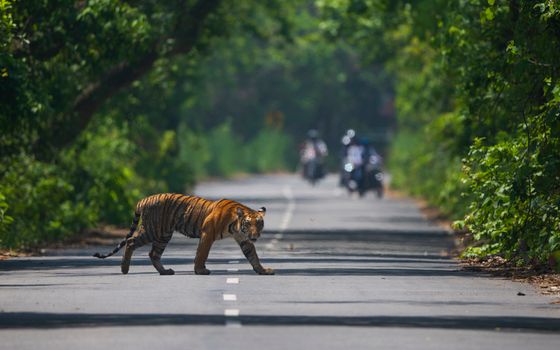
My heart still pounds a little faster when I recall my first tiger sighting in India. It wasn't the roar I expected, but a silent, almost ethereal movement through the tall grass – a flash of orange and black, a powerful stride, and then, a pair of eyes that seemed to hold the wisdom of the jungle. It was utterly captivating, a moment of pure, unadulterated wilderness magic.
India offers some of the most dramatic and rewarding big cat tracking experiences on the planet. While lions are the kings of Africa, the Royal Bengal Tiger reigns supreme here, an elusive and magnificent predator that embodies the spirit of the subcontinent.
Where to Go & What You'll See:
* Ranthambore National Park (Rajasthan): Famous for its high tiger density and stunning backdrop of ancient ruins and a sprawling fort. This is where I had my first encounter, watching a tigress and her cubs near a watering hole. The landscape itself is incredibly photogenic.
* Bandhavgarh National Park (Madhya Pradesh): Reputed to have one of the highest tiger densities in India, increasing your chances of a sighting. It’s also home to leopards, sloth bears, and various deer species.
* Tadoba Andhari Tiger Reserve (Maharashtra): Often considered a hidden gem, offering excellent tiger sightings with fewer crowds than Ranthambore. The deciduous forest and bamboo groves make for a beautiful setting.
My Experience:
I spent three days in Ranthambore, rising before dawn for morning game drives in an open-top jeep. The anticipation was palpable as our naturalist guide scanned the tracks, listened for alarm calls from monkeys, and pointed out pugmarks in the dust. When we finally spotted the tigress, she emerged from the shadows like a ghost, completely unbothered by our presence, sauntering past our jeep within feet. It was a humbling reminder of nature's raw power.
Practical Tips:
* Best Time to Visit: October to June. The dry season (March-June) offers the best visibility as animals congregate around water sources.
* Booking: Book your safari permits and accommodation well in advance, especially for peak season. Most lodges will arrange safaris for you.
* Cost: Expect to pay around $100-$300 USD per day for safaris (jeep or canter) and mid-range accommodation. Luxury lodges will be higher.
* Ethical Travel: Choose operators committed to responsible tourism. Maintain respectful distance from animals and follow guide instructions.
2. Brazil's Pantanal: A Wetland Wonderland of Jaguars
Forget the Amazon for a moment; if you want serious wildlife viewing in South America, the Pantanal is where it's at. This immense tropical wetland, larger than many European countries, is an absolute Eden of biodiversity, boasting the highest concentration of wildlife on the continent. And its undisputed star? The elusive, magnificent jaguar.
My journey into the Pantanal felt like stepping into a living documentary. Every turn of our boat revealed something new: a capybara family munching on grass, a caiman sunning itself on the riverbank, a giant otter playfully fishing. But it was the search for the jaguar that truly set this experience apart.
Where to Go & What You'll See:
* Porto Jofre (Mato Grosso): Located at the end of the Transpantaneira Highway, this is the place for jaguar sightings. Boat safaris along the Cuiabá River and its tributaries offer incredible chances to spot these majestic cats on the riverbanks.
* Southern Pantanal (e.g., near Bonito): Offers a broader range of activities beyond jaguar tracking, including horseback riding, piranha fishing, and night safaris to spot nocturnal creatures.
* Wildlife: Jaguars, capybaras (the world's largest rodent), caimans (thousands!), giant river otters, anacondas, tapirs, anteaters, and an astonishing array of birdlife (macaws, toucans, jabiru storks).
My Experience:
I spent four days based in a rustic fazenda (ranch) near Porto Jofre, venturing out each day on small motorboats. Our guide, a seasoned Pantaneiro, had an uncanny ability to spot wildlife. On our second afternoon, after hours of searching, he suddenly pointed, "Jaguar!" There, lounging on a sandy bank, was a magnificent male, perfectly camouflaged. We watched him for over an hour, completely mesmerized, as he stretched, yawned, and eventually slipped silently into the water. It was an intimate, thrilling encounter, a stark contrast to land-based safaris.
Practical Tips:
* Best Time to Visit: Dry season (May to October) is ideal. The water levels recede, concentrating animals around remaining water sources, making sightings easier.
* Booking: Work with a reputable local operator who specializes in Pantanal safaris. Look for eco-lodges that prioritize sustainability.
* Cost: A 3-5 day Pantanal safari can range from $1,000 to $2,500+ USD, depending on the level of accommodation and inclusions (flights to Cuiabá not included). This typically covers guides, transport, activities, and full board.
* What to Pack: Lightweight long-sleeved clothing, insect repellent (essential!), wide-brimmed hat, polarized sunglasses, and a good camera with a zoom lens.
3. Borneo: Orangutan Encounters in the Rainforest Canopies
Borneo. Just the name evokes images of dense, ancient rainforests, exotic flora, and elusive wildlife. And for me, the primary draw was one of the planet's most intelligent and endearing great apes: the orangutan. These "people of the forest" are found only on the islands of Borneo and Sumatra, and witnessing them in their natural habitat is a profoundly moving experience.
My trip to Borneo was a journey into a vibrant, emerald world, a stark reminder of the urgent need for conservation. The sheer biodiversity of these rainforests is staggering, but it’s the profound connection you feel when looking into the eyes of an orangutan that truly stays with you.
Where to Go & What You'll See:
* Sepilok Orangutan Rehabilitation Centre (Sabah, Malaysian Borneo): While a rehabilitation center, it offers an incredible opportunity to see semi-wild orangutans up close during feeding times. It's a vital first step in their journey back to the wild. The adjacent Bornean Sun Bear Conservation Centre is also a must-visit.
* Kinabatangan River (Sabah, Malaysian Borneo): For truly wild encounters, take a river cruise along the Kinabatangan. Here, you can spot wild orangutans, proboscis monkeys (with their distinctive long noses), pygmy elephants, crocodiles, and an incredible array of birdlife.
* Tanjung Puting National Park (Kalimantan, Indonesian Borneo): A more immersive, multi-day experience usually involving a traditional "klotok" house-boat cruise deep into the park to visit various orangutan feeding stations and rehabilitation centers. This is where you get truly off-grid.
My Experience:
My most memorable moment was a multi-day river safari along the Kinabatangan. We stayed in a riverside lodge, waking to the sounds of gibbons and hornbills. One afternoon, our guide spotted movement high in the canopy. Through binoculars, we saw a mother orangutan with her baby clinging to her, slowly making their way through the branches, foraging for fruit. It was a privilege to witness their quiet existence, undisturbed, in their natural home. Later, we saw a troop of proboscis monkeys performing acrobatics near the river – pure joy!
Practical Tips:
* Best Time to Visit: Dry season (March to October) offers easier access and better chances for wildlife spotting.
* Booking: Choose tour operators that prioritize ethical wildlife viewing and contribute to conservation efforts. Avoid any tours that promise direct interaction or touching of orangutans.
* Cost: A 3-day / 2-night Kinabatangan river cruise can range from $300-$700 USD, including accommodation, meals, and guided tours. Visiting Sepilok is around $10-$15 USD entry fee. Tanjung Puting multi-day klotok tours can range from $500-$1500+ USD.
* Conservation: Support organizations working to protect orangutans and their habitat. Palm oil deforestation is a major threat, so be mindful of your consumer choices.
4. Sri Lanka: Leopards, Elephants, and Whales, Oh My!
Sri Lanka is a compact island nation that packs an incredible punch when it comes to wildlife diversity. From the elusive Sri Lankan leopard to massive herds of Asian elephants and even the largest animal on Earth, the blue whale, this teardrop-shaped island offers a "big five" experience that rivals any. It’s a place where you can go from a dusty jeep safari to a whale-watching boat in a single day.
My trip to Sri Lanka felt like a continuous discovery, a land where ancient cultures blend seamlessly with wild landscapes. The thrill of spotting a leopard, the sheer scale of an elephant herd, and the humbling sight of a blue whale were all packed into one unforgettable journey.
Where to Go & What You'll See:
* Yala National Park: World-renowned for its incredibly high density of Sri Lankan leopards, a subspecies unique to the island. While sightings are not guaranteed, Yala offers one of the best chances globally to see these magnificent big cats. You'll also spot elephants, sloth bears, crocodiles, and diverse birdlife.
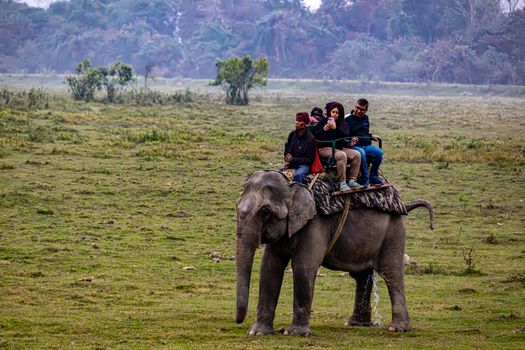
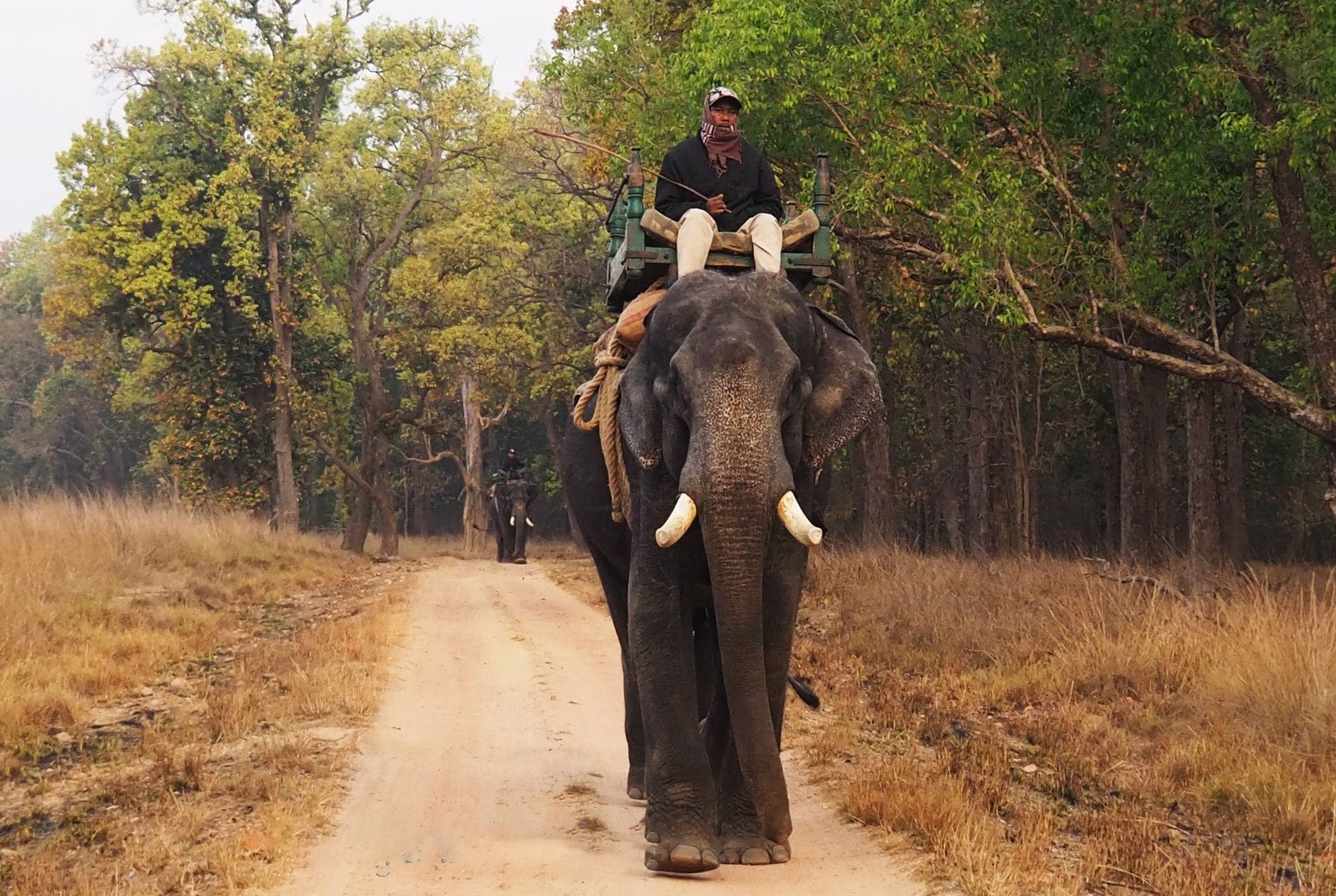
* Udawalawe National Park: The best place to see large herds of Asian elephants in Sri Lanka. It’s less crowded than Yala and offers more consistent elephant sightings, often at a closer range.
* Mirissa (South Coast): From November to April, Mirissa is a prime location for blue whale watching. These gentle giants migrate through the nutrient-rich waters just offshore, offering a truly epic marine safari. Sperm whales and dolphins are also common.
My Experience:
My safari in Yala was a nail-biter. We spent hours tracking, listening for alarm calls, and scanning every rock and tree. Just as we were about to give up, our guide, with an eagle eye, spotted a flicker of spots on a distant rock face. There it was: a majestic leopard, perfectly camouflaged, observing us with regal indifference. It was a fleeting but powerful moment. The next day, from Mirissa, I witnessed a blue whale surface, its immense body dwarfing our boat – a truly humbling encounter with the ocean's behemoth.
Practical Tips:
* Best Time to Visit: For Yala and Udawalawe, the dry season (May to September) offers better visibility. For whale watching off the south coast, December to April is prime.
* Booking: Book your jeep safaris and whale watching tours through reputable local operators or your accommodation. Early morning starts are best for both.
* Cost: National park entry fees are around $20-30 USD per person. A 3-4 hour jeep safari in Yala or Udawalawe costs roughly $40-60 USD per jeep (fits 6 people) plus guide fees. Whale watching tours are about $40-70 USD per person.
* Responsible Tourism: Choose whale watching operators that maintain a respectful distance and follow ethical guidelines. In national parks, stay on designated tracks and follow your guide's instructions.
5. The Galápagos Islands: Darwin's Living Laboratory
The Galápagos isn't a "safari" in the traditional sense, but it is, without a doubt, one of the most extraordinary wildlife destinations on Earth. Located 600 miles off the coast of Ecuador, this volcanic archipelago is a living laboratory, a place where evolution is visibly at play, and where animals have absolutely no fear of humans. It’s an immersion into a world unlike any other.
My visit to the Galápagos felt like stepping onto another planet, or perhaps back in time. The sheer fearlessness of the wildlife, the unique species found nowhere else, and the pristine volcanic landscapes combined to create an experience that was both educational and deeply moving.
Where to Go & What You'll See:
* Santa Cruz Island: Home to the Charles Darwin Research Station and giant tortoise reserves in the highlands. A great base for day trips.
* Isabela Island: The largest island, known for its active volcanoes, marine iguanas, Galápagos penguins, and diverse birdlife.
* Española Island: Famous for its waving albatrosses (seasonal), Nazca boobies, and sea lions.
* San Cristóbal Island: Offers excellent snorkeling with sea lions and opportunities to see frigatebirds.
* Wildlife: Giant Galápagos tortoises, marine iguanas, land iguanas, blue-footed boobies, Nazca boobies, red-footed boobies, Galápagos penguins, flightless cormorants, sea lions, frigatebirds, and an incredible array of marine life (sharks, rays, colorful fish).
My Experience:
Walking along a beach on Española, I had to carefully step around sunbathing sea lions. A blue-footed booby performed its comical mating dance just feet away, completely unfazed by my presence. Snorkeling with playful sea lion pups was pure magic. But perhaps the most profound moment was visiting the giant tortoises in the highlands of Santa Cruz, watching these ancient creatures slowly graze, their eyes holding centuries of wisdom. It’s a place where you truly feel connected to the wild, where the boundaries between human and animal seem to dissolve.
Practical Tips:
* Best Time to Visit: The Galápagos is a year-round destination. The warmer, wetter season (December-May) offers calmer seas and lush greenery, while the cooler, drier season (June-November) brings more active marine life and clearer waters for snorkeling.
* Booking: The most comprehensive way to experience the Galápagos is via a multi-day cruise (4-15 days). Book well in advance. Land-based "island hopping" tours are also an option, often more budget-friendly.
* Cost: Galápagos cruises are an investment, typically ranging from $3,000 to $8,000+ USD for a 4-8 day trip, including guides, activities, and full board (excluding flights to Ecuador and park fees). Land-based tours can start from $1,500-$3,000+ for similar durations. National Park entrance fee is $100 USD (cash only).
* Ethical Travel: Always follow your naturalist guide's instructions, maintain a respectful distance from wildlife, and do not touch any animals. The Galápagos is a highly protected ecosystem.
Practical Tips for Your Non-African Safari Adventure
Ready to ditch the traditional and dive into these extraordinary wildlife experiences? Here are some general tips to help you plan your adventure:
- Research, Research, Research: Every destination is unique. Understand the best time to visit for specific animal sightings, local customs, and logistical challenges.
- Choose Ethical Operators: Prioritize tour companies and lodges that demonstrate a strong commitment to wildlife conservation, community engagement, and responsible tourism practices. Look for certifications or clear mission statements.
- Pack Smart & Light: Layers are key for varying temperatures. Good walking shoes, a wide-brimmed hat, sunglasses, plenty of insect repellent, and a reusable water bottle are non-negotiables. Don't forget a quality camera with a good zoom lens!
- Be Patient & Respectful: Wildlife viewing requires patience. Animals are not performers. Always maintain a respectful distance, keep noise to a minimum, and never feed or try to touch wild animals. Your guide will advise on appropriate behavior.
- Budget for More Than Just Tours: Factor in international and domestic flights, visas, travel insurance, park entry fees, guide tips, and any necessary vaccinations. Some destinations (like Galápagos) have mandatory park fees paid upon arrival.
- Consider a Local Guide: While some tours are packaged, hiring a local, experienced guide can significantly enhance your experience, offering deeper insights into the ecosystem and culture.
- Go Off-Peak (If Possible): Traveling during the shoulder season (just before or after peak) can mean fewer crowds, lower prices, and often still excellent wildlife viewing opportunities.
- Expect the Unexpected: That’s the beauty of wild encounters! Be open to changes in itinerary due to weather or animal movements. Embrace the adventure.
Your Next Great Wild Adventure Awaits!
The world is brimming with incredible wildlife experiences that extend far beyond the iconic plains of Africa. From the dense jungles of India and Borneo to the vast wetlands of Brazil and the ancient volcanic shores of the Galápagos, these destinations offer safaris that are distinct, thrilling, and deeply rewarding.
These are the places where you can forge unforgettable connections with nature, witness behaviors rarely seen, and collect stories that will inspire awe. They are raw, authentic, and waiting for you to explore them before they become the next big thing.
So, what are you waiting for? Start planning your unconventional safari. Dare to explore the wilder side of our planet, and come back with a heart full of memories and a camera roll full of images that will make your friends green with envy.
Which non-African safari has captured your imagination? Share your thoughts and dream destinations in the comments below!
---