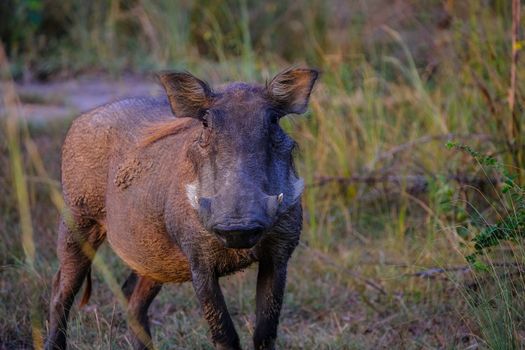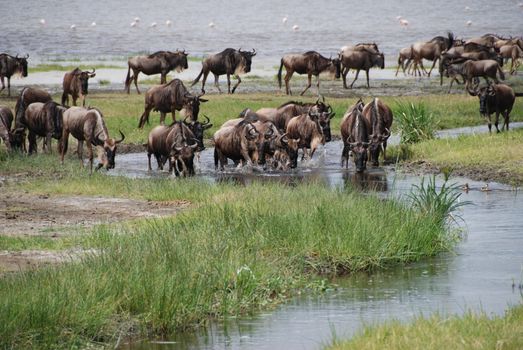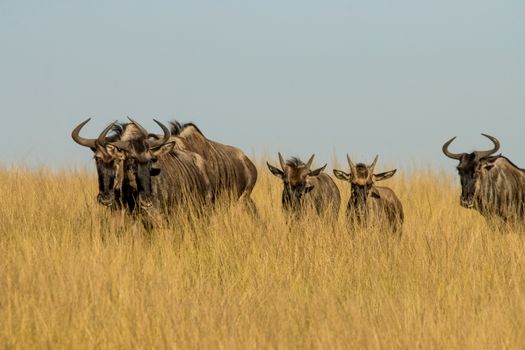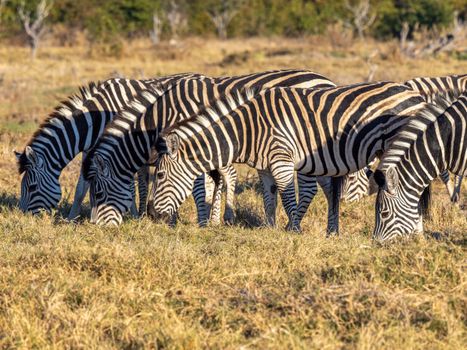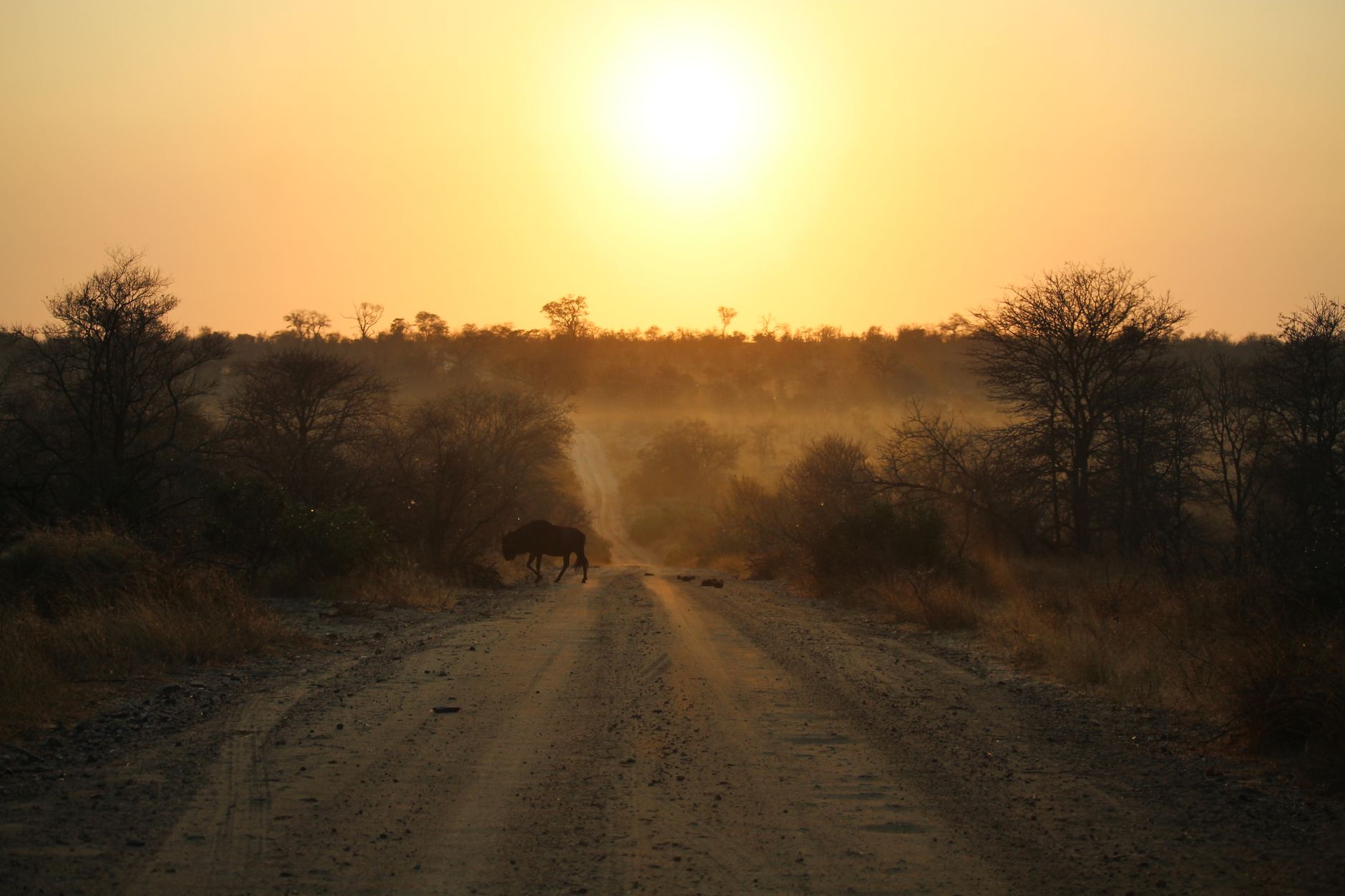
My first whiff of the African savanna – that intoxicating blend of dust, wild sage, and distant elephant – forever imprinted itself on my soul. Like many of you, I grew up believing 'safari' was synonymous with Africa, a pilgrimage to witness the Big Five. And don't get me wrong, those experiences are profound, life-altering journeys that every traveler should embark on at least once. But after multiple trips to the continent, witnessing its incredible biodiversity firsthand, a restless curiosity began to stir within me. What if the next great wildlife spectacle wasn't where everyone was looking? What if the thrill of discovery, the true essence of an authentic safari, lay hidden in jungles, wetlands, and mountains far beyond the traditional plains?
That burning question led me on a quest, a journey to uncover the world's most breathtaking safari experiences outside of Africa – places where the wildlife is just as magnificent, the landscapes utterly unique, and the crowds still a distant whisper. These aren't just "wildlife tours"; they are immersive, heart-pounding expeditions into the last wild frontiers, offering a chance to connect with nature on an entirely new level. Welcome to the future of safari, a future you can experience right now, before it becomes mainstream.
The Call of the Wild, Reimagined: Why Look Beyond Africa?
For decades, Africa has rightfully held the crown for safari experiences. Its vast savannas, iconic megafauna, and well-established infrastructure make it an accessible dream for many. But the world is a tapestry of diverse ecosystems, each teeming with its own unique cast of characters and dramatic narratives. My "aha!" moment came during a particularly crowded game drive in the Serengeti. While the wildebeest migration was spectacular, the sheer number of vehicles jostling for position made me wonder: "Is this the only way?"
Looking beyond Africa offers a myriad of compelling reasons:
- Unique Biodiversity: Encounter species you simply won't find anywhere else – from the elusive jaguar to the majestic orangutan, the powerful puma to the regal Bengal tiger.
- Different Ecosystems: Trade the savanna for dense rainforests, vast wetlands, rugged mountain ranges, or even the open ocean. Each environment presents its own challenges and rewards, creating a richer, more varied experience.
- Fewer Crowds, More Authenticity: Many of these destinations are still under the radar, meaning you'll often have more intimate encounters with wildlife and a deeper connection to the local culture, away from the mass tourism circuit.
- New Perspectives: Redefine what a "safari" means. It's not just about spotting big game from a jeep; it can be trekking through a jungle, navigating a river by boat, or patiently tracking a predator on foot.
If you're an intrepid traveler yearning for an adventure that feels truly pioneering, these non-African safaris are calling your name.
India's Royal Hunt: Tracking the Bengal Tiger
Location:
Bandhavgarh National Park & Ranthambore National Park, India
Best Time to Visit: October to June (dry season, especially March-May for best sightings)
Estimated Costs: Park entry ~$15-20 USD per person per safari; private jeep ~$50-70 USD per safari; shared jeep ~$10-15 USD per person per safari; guide ~$10-15 USD. (Accommodation extra, ranging from budget to luxury lodges).
My first tiger safari in Bandhavgarh was nothing short of cinematic. We rose before dawn, the air thick with the scent of damp earth and unseen life. As our open-top jeep rumbled deeper into the jungle, the world awakened around us – langur monkeys chattering, peacocks screeching, and the alarm calls of deer echoing through the trees, signaling the presence of a predator. The tension was palpable. Then, through a break in the bamboo, she appeared: a magnificent tigress, her stripes a perfect camouflage against the dappled sunlight, followed by two playful cubs. It was a moment of pure, breathless awe, a raw display of power and grace that sent shivers down my spine.
India is home to the majestic Bengal tiger, and while African big cats are incredible, seeing a tiger in its natural habitat is a truly unique experience. Bandhavgarh National Park in Madhya Pradesh boasts one of the highest tiger densities in the world, making sightings more likely. The landscape here is a mix of dense forest, grasslands, and dramatic cliffs. Ranthambore National Park in Rajasthan offers a different charm, with its ancient fort ruins providing a stunning backdrop to tiger encounters.
Practical Tips for Tiger Tracking:
- Book Early: Safari permits for Indian national parks are highly sought after and must be booked months in advance, especially for peak season. You can do this via the government's forestry website or through a reputable tour operator who will handle the logistics.
- Choose Your Zone Wisely: Parks are divided into zones. Research which zones have recent tiger activity, but be flexible as wildlife moves.
- Dress Code: Wear muted, natural colors (greens, browns, greys) to blend in. Avoid bright colors.
- Silence is Golden: Respect your guide's instructions. Keep noise to a minimum; tigers are incredibly sensitive to sound.
- Ethical Operators: Ensure your tour operator adheres to strict wildlife guidelines and supports local conservation efforts.
Brazil's Wetlands Wonder: The Elusive Jaguar of the Pantanal
Location:
Pantanal, Brazil (accessed via Cuiabá, Mato Grosso)
Best Time to Visit: July to October (dry season, lower water levels concentrate prey and jaguars)
Estimated Costs: Multi-day lodge packages (including accommodation, meals, and guided safaris) range from $200-500+ USD per person per night. Dedicated boat trips for jaguar spotting can be $100-200 USD per person per day. (Flights to Cuiabá extra).
If you crave the thrill of tracking a truly elusive big cat, the Pantanal in Brazil should be at the top of your list. This vast tropical wetland, larger than many European countries, is a wildlife haven unlike any other. It’s here that I had one of my most unforgettable encounters. After days of navigating the waterways near Porto Jofre by boat, our guide suddenly pointed to a distant bank. A flash of rosetted fur. A jaguar! We slowly approached, engine barely a whisper, to witness a magnificent male drag a caiman (a type of alligator) from the water, asserting his dominance with every powerful movement. The sheer raw power and beauty of this animal in its natural domain left me speechless.
The Pantanal boasts the highest density of jaguars in the world, and unlike their jungle-dwelling cousins, they are often seen during the day, particularly along riverbanks. Beyond jaguars, you'll encounter a dizzying array of wildlife: giant anteaters, capybaras, anacondas, caimans, piranhas, and hundreds of bird species. Most safaris here involve boat trips, offering unparalleled perspectives of the animals.
Practical Tips for Pantanal Jaguar Safaris:
- Fly into Cuiabá: This is the main gateway. From there, you'll typically arrange transport with your lodge into the Pantanal, often involving a drive down the iconic Transpantaneira highway – an adventure in itself!
- Lodge Selection: Research lodges carefully. Many offer all-inclusive packages that cover accommodation, meals, and daily excursions (boat safaris, horseback riding, piranha fishing).
- Insect Repellent is Non-Negotiable: The Pantanal is a wetland, so mosquitoes and other biting insects are prevalent. Pack strong repellent and consider light, long-sleeved clothing.
- Long Lenses: For photography, a telephoto lens (300mm minimum, 500mm+ ideal) is crucial for those stunning jaguar shots.
- Patience Pays Off: Jaguars are wild animals. While sightings are common, they are never guaranteed. Enjoy the journey and the incredible diversity of life around you.
Sri Lanka's Dual Delight: Leopards and Whales
Location:
Yala National Park (Leopards) & Mirissa (Whales), Sri Lanka
Best Time to Visit: Yala (February-July for best leopard sightings), Mirissa (November-April for blue whales)
Estimated Costs: Yala National Park entry ~$20-30 USD per person; jeep hire ~$40-60 USD for a half-day. Whale watching tours from Mirissa ~$30-60 USD per person. (Accommodation extra).
Sri Lanka might be famous for its tea plantations and ancient temples, but it harbors a secret that makes it a true safari gem: it offers one of the best chances to see both leopards and blue whales on the same trip! I once experienced this incredible juxtaposition firsthand. One morning, in the rugged scrubland of Yala National Park, our jeep came to a halt. Our guide pointed. High on a rocky outcrop, perfectly camouflaged, was a leopard, its piercing eyes scanning the horizon. The adrenaline rush was immense! Just a few days later, off the coast of Mirissa, I found myself on a boat, gazing in awe as a colossal blue whale – the largest animal on Earth – arched its back and slowly revealed its majestic fluke before diving deep. The contrast between the stealthy land predator and the gentle ocean giant was simply mind-blowing.
Yala National Park
boasts one of the highest leopard densities in the world, offering excellent opportunities to spot these elusive big cats. The park's diverse habitats, from scrub jungle to lagoons, also support elephants, sloth bears, crocodiles, and a vibrant birdlife. Just a short journey to the south coast, the waters off Mirissa are a hotspot for blue whales, sperm whales, and various dolphin species, especially during the migration season.
Practical Tips for Sri Lanka's Wildlife Wonders:
- Combine Your Trip: It's entirely feasible to combine a safari in Yala with a whale watching excursion, making for an incredibly diverse wildlife itinerary.
- Choose Ethical Operators: For whale watching, select companies that adhere to responsible practices, maintaining safe distances and not harassing the animals.
- Go Early: For Yala, the early morning safari (starting around 5:30 AM) offers the best chances for leopard sightings as they are most active during cooler hours.
- Binoculars are Your Friend: Especially for whale watching, a good pair of binoculars will enhance your experience significantly.
- Book Your Jeep: It's best to book your jeep safari in Yala through your accommodation or a local tour operator in advance.
The Gentle Giants: Orangutan Encounters in Borneo/Sumatra
Location:
Tanjung Puting National Park (Borneo, Indonesia) & Gunung Leuser National Park (Sumatra, Indonesia)
Best Time to Visit: May to September (dry season)
Estimated Costs: Permits ~$20-30 USD. Multi-day "Klotok" (houseboat) tours in Borneo typically cost ~$300-600 USD for 3 days/2 nights, including accommodation, food, and guide. (Flights to Pangkalan Bun/Medan extra).
Stepping into the ancient rainforests of Borneo to meet the "people of the forest" – the orangutans – was a profound experience that touched my soul. It wasn't a safari in the traditional sense, but a trek, an immersion. I spent three days on a traditional "Klotok" houseboat navigating the rivers of Tanjung Puting National Park, waking to the sounds of the jungle. One afternoon, deep within the canopy, we spotted a mother orangutan, her baby clinging tightly to her as she gracefully swung through the trees, her ginger fur a vibrant contrast against the emerald green. She paused, looked directly at us, and in that moment, I felt an undeniable connection, a shared sense of sentience. It was a powerful reminder of our shared planet and the urgent need for conservation.
Orangutans, found only on the islands of Borneo and Sumatra, are critically endangered. A safari here is not just about wildlife viewing; it's a journey into conservation and a chance to witness these magnificent primates in their natural, albeit threatened, habitat. Tanjung Puting National Park in Indonesian Borneo is famous for its rehabilitation centers where orphaned and rescued orangutans are prepared for reintroduction into the wild. Gunung Leuser National Park in Sumatra offers similar opportunities, often involving more strenuous trekking.
Practical Tips for Orangutan Treks:
- Ethical Tourism: Choose operators who prioritize the welfare of the orangutans and support conservation efforts. Maintain a respectful distance and never feed the animals.
- Physical Fitness: Be prepared for trekking in hot, humid conditions. Good walking shoes are essential.
- Pack Light: You'll likely be carrying your own daypack. Bring insect repellent, sunscreen, a hat, and a reusable water bottle.
- Consider a Klotok: For Tanjung Puting, a multi-day Klotok boat trip is the classic way to experience the park, offering an immersive journey down the river.
- Flexibility: While sightings are common, they are not guaranteed. Enjoy the rich biodiversity of the rainforest even if the orangutans are playing hide-and-seek.
The Puma's Realm: Tracking Big Cats in Patagonia, Chile
Location:
Torres del Paine National Park, Patagonia, Chile
Best Time to Visit: Shoulder seasons (October-November or March-April) for fewer crowds and active pumas.
Estimated Costs: Specialized multi-day puma tracking tours can range from $1500-4000+ USD (for 3-5 days, including expert guides, transport, some meals). (Flights to Punta Arenas/Puerto Natales extra).
This is perhaps the most adventurous, truly "off-the-beaten-path" safari on this list. Imagine jagged, snow-capped peaks, vast open steppes, and the biting Patagonian wind. Now imagine tracking a puma, the ghost of the Andes, through this dramatic landscape. My experience in Torres del Paine was less about a "drive-by" sighting and more about a dedicated, patient expedition. We spent hours with expert trackers, scanning the horizon with binoculars, looking for signs – a fresh paw print, a cluster of guanacos (wild llamas) staring intently, an alarm call from a bird. Finally, high on a ridge, silhouetted against the iconic Paine Grande massif, was a magnificent female puma. She moved with an effortless power, a perfect predator in an untamed land. It was a raw, primal encounter that made every cold hour of tracking utterly worthwhile.
Patagonia, particularly around Torres del Paine National Park in Chile, has become a hotspot for puma tracking. These powerful big cats thrive here, preying on the abundant guanacos. This isn't your typical jeep safari; it's a more active, immersive experience often involving hiking and dedicated tracking with highly skilled local guides who understand the pumas' behavior and territories.
Practical Tips for Puma Tracking in Patagonia:
- High Fitness Level: Be prepared for long days of hiking over varied terrain in potentially challenging weather conditions.
- Layered Clothing: Patagonian weather is famously unpredictable. Pack layers, including waterproof and windproof outer shells. Good hiking boots are essential.
- Specialized Tours: This is not a DIY activity. Book with reputable, specialized puma tracking tour operators who employ expert guides and prioritize animal welfare.
- Binoculars are a Must: You'll be doing a lot of scanning. A high-quality pair of binoculars is indispensable.
- Respect Wildlife: Maintain a safe and respectful distance. Your guide will ensure this. Remember you are in their territory.
Your Next Great Adventure Awaits
The world is a vast, wild place, and its heart beats with magnificent creatures in every corner. While Africa will always hold a special place in the safari lexicon, the experiences beyond its borders offer something truly unique: the thrill of discovery, the intimacy of fewer crowds, and the chance to witness astonishing biodiversity in landscapes that will take your breath away.
These non-African safaris aren't just trips; they are profound journeys that challenge perceptions, ignite passions, and leave an indelible mark on your soul. They are adventures you can embark on right now, before the secret gets out and these hidden gems become the next mainstream sensation. So, are you ready to redefine your idea of a safari? Are you ready to be a pioneer?
Which non-African safari is calling your name? Share your dream adventure in the comments below! And don't forget to subscribe to Tripsora for more groundbreaking travel insights and inspiration. The world is vast, and its wild heart beats in more places than you ever imagined. Go find it.
---