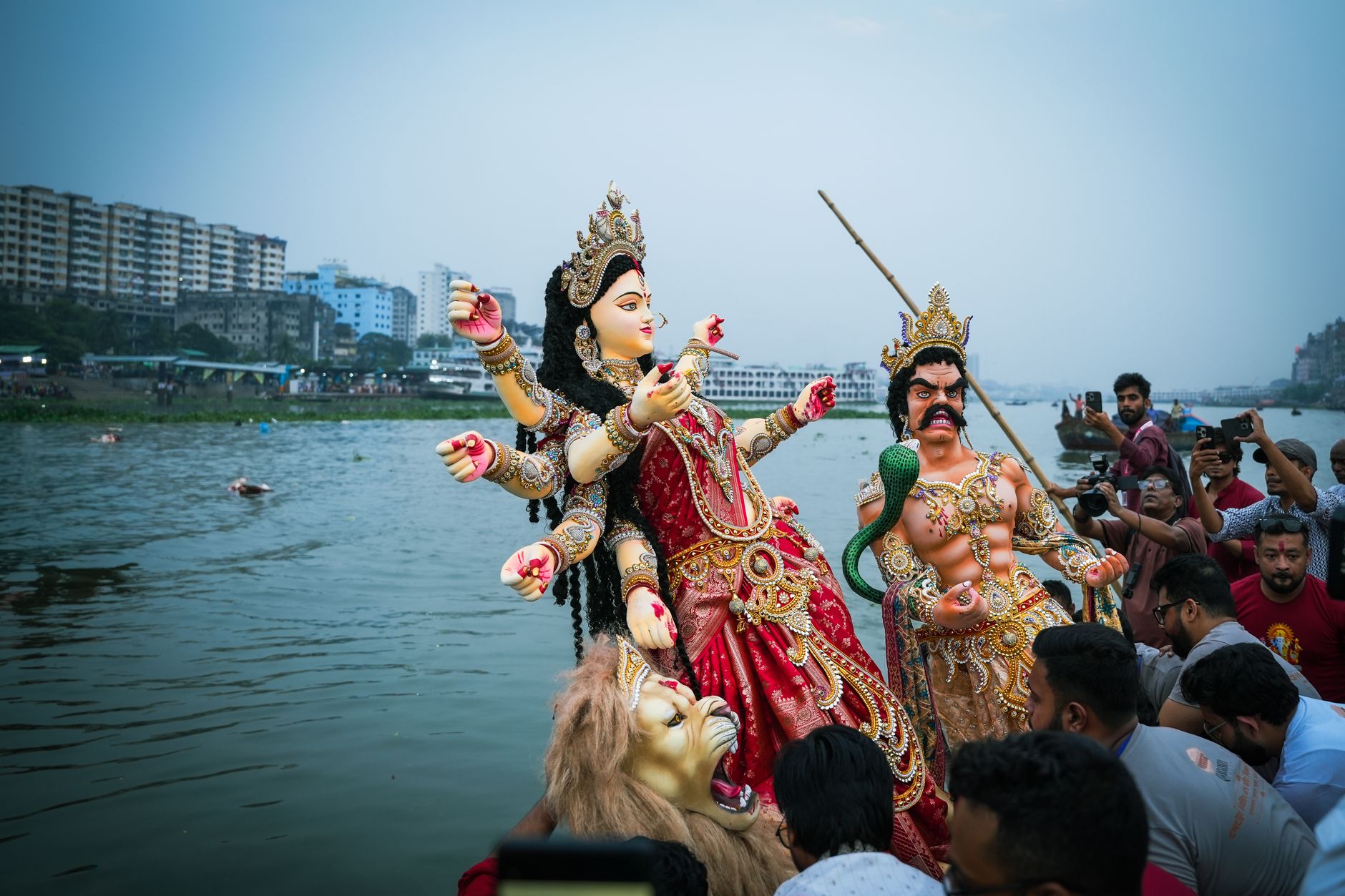
The first time I stood amidst the swirling, kaleidoscopic chaos of Holi in Vrindavan, India, a rogue splash of fuchsia paint landed squarely on my camera lens. For a split second, panic flared. Then, a group of local women, their saris already vibrant mosaics of color, burst into laughter, pulling me into their dance. My camera, temporarily blinded, was forgotten. In that moment, surrounded by strangers who were now my accomplices in joy, I understood. Travel isn’t just about seeing places; it’s about feeling them. It’s about diving headfirst into the beating heart of a culture, and there’s no better way to do that than by experiencing its religious festivals.
These aren't your typical tourist traps. These are ancient traditions, vibrant celebrations of faith, community, and history that welcome curious outsiders with open arms (and sometimes, a splash of water or a smear of colored powder!). They’re raw, real, and utterly transformative. If you’re ready to move beyond the postcards and truly connect with the world, buckle up. We're about to embark on a journey through six religious festivals that will not just blow your mind, but quite possibly, your soul.
1. Holi: The Festival of Colors, India – A Psychedelic Explosion of Joy
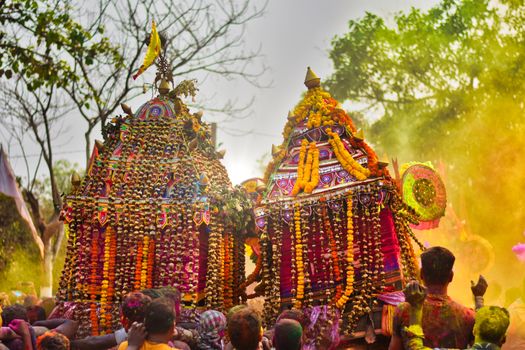
Imagine a scene where every rule of personal space and cleanliness is joyfully abandoned. That's Holi. Celebrated primarily in India (and Nepal), this Hindu festival marks the arrival of spring, the triumph of good over evil, and the breaking down of social barriers. For a few glorious days, streets transform into a riot of color, music, and unadulterated glee.
My first Holi was a sensory overload in the best possible way. I arrived in Vrindavan, a holy town in Uttar Pradesh, a day before the main event. The air already hummed with anticipation. On the morning of Holi, I donned the oldest, whitest clothes I owned, tucked my phone into a waterproof pouch, and stepped out. Within minutes, a friendly group of teenagers ambushed me with handfuls of bright pink gulal (colored powder) and a bucket of water. Laughter erupted. Soon, I was armed myself, chasing strangers with handfuls of green, yellow, and blue. The sticky-sweet smell of the colors, the rhythmic beats of drums, the joyous shouts of "Holi Hai!" – it was pure, unadulterated euphoria. Everyone, regardless of age, caste, or nationality, was united in a vibrant, temporary madness.
Why it will blow your mind:
It’s an unparalleled release, a communal cleansing of inhibitions. The sheer scale of people covered in vibrant hues, dancing in the streets, creating a living, breathing masterpiece of human connection, is something you have to see to believe.
Practical Tips for a Colorful Experience:
* Where to Go: Vrindavan and Mathura are legendary for their traditional celebrations, often starting a week before the main Holi day. Jaipur, Udaipur, and Goa offer more tourist-friendly, yet still authentic, experiences.
* When to Go: Usually in March, on the day after the full moon. Dates vary annually.
* What to Wear: Old clothes you don't mind getting stained forever. White is traditional for maximum color impact.
* Protect Your Gear: Waterproof everything! Ziploc bags for phones, waterproof cameras, or just embrace being disconnected.
* Embrace the Chaos: Don't be afraid to get dirty. The more you participate, the more fun you'll have.
* Respect Boundaries: While it's a free-for-all, always be mindful. Avoid throwing colors at people's faces unless invited, and be especially respectful of women.
* Post-Holi Clean-up: Coconut oil applied before the festival helps remove colors from skin and hair.
Estimated Cost:
Minimal. Colors cost a few dollars, street food is cheap. Accommodation during Holi can be pricier, so book well in advance.
2. Thaipusam: A Testament to Devotion, Malaysia & Singapore – An Intense Spiritual Spectacle
From joyful abandon to profound devotion, Thaipusam is a Hindu festival unlike any other. Celebrated by the Tamil community, it's a powerful display of faith, penance, and gratitude to Lord Murugan. Participants carry elaborate "kavadis" – ornate structures often adorned with peacock feathers and milk pots – which are sometimes attached to their bodies by dozens of skewers and hooks. It’s an intensely personal and public act of worship that will challenge your perceptions of human endurance and faith.
I witnessed Thaipusam at the Batu Caves in Kuala Lumpur, Malaysia. The sheer scale of the pilgrimage, with thousands of devotees climbing the 272 steps to the temple cave, was mesmerizing. But what truly struck me were the Kavadi bearers. Their faces, often in a trance-like state, showed no pain despite the steel hooks piercing their skin. The rhythmic chanting, the hypnotic drumming, the smell of incense and flowers – it created an almost otherworldly atmosphere. It wasn't grotesque; it was an overwhelming display of unwavering belief, a raw, visceral connection between the human and the divine. My jaw literally dropped, and I spent hours just observing, trying to comprehend the depth of their devotion.
Why it will blow your mind:
It’s a powerful, often confronting, display of faith that pushes the boundaries of human experience. It's a rare chance to witness a truly ancient ritual that has remained largely unchanged, offering a glimpse into the profound spiritual landscape of Hinduism.
Practical Tips for Respectful Observation:
* Where to Go: Batu Caves in Kuala Lumpur, Malaysia, is the most famous site. Sri Thendayuthapani Temple in Singapore also hosts a significant procession.
* When to Go: Annually in January or February, during the full moon in the Tamil month of Thai. Dates vary.
* Be Respectful: This is a deeply religious event. Dress modestly, speak softly, and avoid getting in the way of devotees or their procession.
* Photography Etiquette: Be discreet. Avoid using flash, especially close up. Ask for permission if possible, and always prioritize respect over the perfect shot.
* Stay Hydrated: The heat and crowds can be intense. Carry water.
* Understand the Meaning: Research the festival beforehand to appreciate the significance of the rituals.
Estimated Cost:
Free to observe.
3. Songkran: Thailand’s Watery New Year – The Ultimate Street Party
If you want to experience a nation-wide party that’s also a deeply rooted cultural tradition, then Songkran, the Thai New Year, is for you. While the world knows it as the biggest water fight on the planet, its origins are steeped in Buddhist tradition: a time for cleansing, washing away sins, and showing respect. The water symbolizes purification and good fortune.
I arrived in Chiang Mai during Songkran, thinking I was prepared. I was not. Stepping out of my guesthouse, I was immediately doused by a friendly local wielding a bucket. Within minutes, I was armed with a super soaker, laughing uncontrollably as I joined the throngs of people splashing, spraying, and soaking everyone in sight. The entire city transformed into a massive, joyous aquatic battlefield. Tuk-tuks became mobile water cannons, elephants (in some areas, ethically observed ones!) got in on the action, and even the local police had water guns. The relief from the scorching April heat was glorious, and the sense of communal joy was infectious. It felt like being a kid again, but with the entire country as your playground.
Why it will blow your mind:
It’s an absolute blast, a massive street party that’s also incredibly culturally significant. The sheer scale of participation, from toddlers to grandmothers, makes it an unforgettable, exhilarating experience.
Practical Tips for Soaking It All In:
* Where to Go: Chiang Mai is famous for its multi-day celebrations around the moat. Bangkok's Khao San Road is legendary for its wild party, while smaller towns offer more traditional, family-friendly events.
* When to Go: Typically April 13th-15th, though celebrations can extend longer in some areas.
* Waterproof Everything: Seriously. Your phone, wallet, passport – put them in waterproof bags.
* Dress Lightly: Swimwear or light, quick-drying clothes are essential.
* Embrace It: You will get wet. There's no escaping it, so buy a water gun and join the fun!
* Respect: Don't throw water at monks, babies, or elderly people. Also, avoid throwing ice water, which can be dangerous.
* Cultural Significance: Take time to visit a temple and observe the traditional water blessing rituals (gently pouring water over Buddha statues).
Estimated Cost:
Minimal. Water guns cost a few dollars, street food is cheap. Accommodation can be booked in advance.
4. Esala Perahera: The Grand Procession of Kandy, Sri Lanka – A Royal Pageant of Elephants and Lights
Step back in time with the Esala Perahera, one of Asia's most magnificent Buddhist festivals. Held in Kandy, Sri Lanka, this ten-day spectacle honors the Sacred Tooth Relic of the Buddha, housed in the revered Temple of the Tooth. It’s a breathtaking display of ancient traditions, featuring hundreds of elaborately decorated elephants, Kandyan dancers, drummers, fire-eaters, and acrobats.
I secured a spot on a rented balcony overlooking the procession route in Kandy, and for hours, I was transported. The air thrummed with the hypnotic beat of traditional drums. Then, the first elephant appeared, majestic and adorned in glittering finery, followed by lines of dancers in vibrant costumes, their movements fluid and powerful. The climax was the Maligawa Tusker, the largest elephant, carrying a replica of the sacred Tooth Relic on its back under a magnificent canopy. The sheer scale and precision of the procession, the dedication of the performers, the rhythmic sounds, and the scent of incense – it was a living, breathing piece of history, a powerful testament to Sri Lanka's rich cultural heritage. I felt like I was watching a royal pageant from centuries ago, completely absorbed by the spectacle.
Why it will blow your mind:
It’s a truly grand, ancient spectacle unlike any other. The sight of dozens of elephants adorned in glittering robes, illuminated by torchlight, moving in a stately procession with traditional dancers and drummers, is deeply moving and utterly unforgettable.
Practical Tips for a Majestic Experience:
* Where to Go: Kandy, Sri Lanka.
* When to Go: Usually July or August, depending on the lunar calendar. It runs for 10 nights, with the final few nights being the most elaborate.
* Book Early: Accommodation in Kandy during Perahera sells out months in advance and prices soar.
* Secure a Spot: People start claiming spots along the route hours before the procession begins. You can rent seats on balconies for a fee (which can be substantial but offers excellent views) or stand with the crowds.
* Respect the Event: This is a deeply religious and culturally significant event. Dress modestly and be respectful of the participants and the sanctity of the procession.
* Elephant Welfare: While the elephants are beautifully adorned, be mindful of their welfare. Support ethical tourism practices.
Estimated Cost:
Free to watch from the streets, but paid seating can range from $50-$200 USD per person. Accommodation will be significantly higher during this period.
5. Obon: Honoring Ancestors, Japan – A Serene and Poignant Celebration
After the vibrant chaos and intense devotion, Obon in Japan offers a different kind of mind-blowing experience: one of serene beauty, quiet reflection, and profound connection to family and history. This Buddhist festival honors the spirits of ancestors, who are believed to return to visit their living relatives. It's a time for family reunions, cleaning graves, and offering prayers.
I experienced Obon in a small, traditional town near Kyoto. The atmosphere was noticeably different from other festivals – a gentle hum rather than a roar. Families gathered, lit lanterns to guide their ancestors' spirits home, and performed Bon Odori (traditional folk dances). The most poignant moment was at dusk, watching Toro Nagashi, where paper lanterns carrying messages and prayers are floated down rivers and out to sea. Each flickering light, slowly drifting into the darkness, represented a departed soul. It was incredibly beautiful and moving, a quiet testament to enduring love and remembrance. The tranquility, the soft glow of the lanterns, and the collective reverence created a deeply spiritual and reflective experience that stayed with me long after.
Why it will blow your mind:
It's a beautiful, poignant, and deeply spiritual festival that offers a unique glimpse into Japanese culture and family values. The gentle traditions, particularly the floating lanterns, are incredibly moving and aesthetically stunning.
Practical Tips for Gentle Immersion:
* Where to Go: Celebrated nationwide, but Kyoto, Tokyo, and smaller towns offer distinct experiences. Local community centers and temples host Bon Odori.
* When to Go: Mid-August (typically around August 13th-15th) in most regions, though some areas celebrate in mid-July.
* Participate in Bon Odori: Many communities welcome foreigners to join in the traditional dances. It’s a fun way to engage.
* Visit Temples and Grave Sites: Observe families cleaning graves and offering prayers. Be respectful and maintain a quiet demeanor.
* Witness Toro Nagashi: Look for events where lanterns are floated on rivers or lakes – a truly beautiful sight.
* Travel During Obon: It's a major holiday, so expect crowded trains and booked accommodation. Book everything well in advance.
Estimated Cost:
Minimal. Free to observe. Costs are mainly for travel and accommodation during peak season.
6. Semana Santa: Holy Week's Solemn Grandeur, Spain – A Dramatic Display of Faith
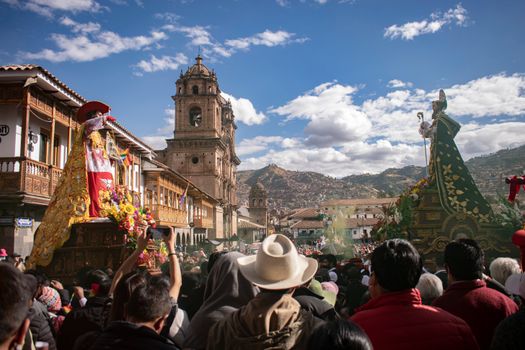
For a dramatic, deeply emotional, and historically rich religious experience, Spain’s Semana Santa (Holy Week) is unparalleled. This Catholic festival, commemorating the Passion of Christ, is celebrated with elaborate processions that snake through cities and towns across the country. Brotherhoods (cofradías) of penitents, often dressed in distinctive robes and pointed hoods (capirotes), carry massive, ornate floats (pasos) bearing statues of Christ and the Virgin Mary, accompanied by solemn music and the intoxicating scent of incense.
My first Semana Santa was in Seville, the undisputed capital of this powerful tradition. Nothing prepared me for the sheer scale and intensity. The atmosphere was thick with reverence and anticipation. When the first procession appeared, the silence of the crowd was punctuated only by the mournful trumpets and drums, and the shuffling feet of the penitents. The pasos, incredibly heavy and carried on the shoulders of dozens of hidden bearers (costaleros), swayed with a slow, deliberate grace that seemed to defy gravity. The sight of the hooded figures, the flickering candles, the scent of orange blossoms and incense, and the raw emotion of the onlookers – some openly weeping – gave me goosebumps. It was a profound, almost theatrical, demonstration of faith, history, and communal identity.
Why it will blow your mind:
It's a powerful and deeply moving spectacle that blends ancient tradition, art, music, and profound religious devotion. The solemnity, the incredible artistry of the floats, and the sheer number of participants create an atmosphere unlike any other.
Practical Tips for a Solemn Journey:
* Where to Go: Seville is the most famous, but Malaga, Granada, Valladolid, and Zamora also have incredible, distinct celebrations.
* When to Go: The week leading up to Easter Sunday (March or April). Dates vary annually.
* Book EVERYTHING Early: Accommodation, flights, and even train tickets will sell out months in advance and be very expensive.
* Understand the Schedule: Each city has a detailed schedule of processions. Pick a few you want to see and plan your day.
* Secure a Spot: Arrive early to get a good view along the procession routes. You can also rent seats in bleachers (sillas) in many cities, but these are pricey and sell out quickly.
* Respect the Solemnity: This is not a party. Dress respectfully, speak quietly during processions, and avoid flash photography.
* Learn the History: Research the different brotherhoods and the symbolism of their costumes and floats to deepen your appreciation.
Estimated Cost:
Free to observe. Paid seating can range from $30-$100+ USD per person per day. Accommodation and food will be at peak prices.
Why You Need to Go: More Than Just a Trip, It's a Transformation
These festivals are more than just events on a calendar; they are living, breathing expressions of human culture, faith, and community. They challenge your perceptions, open your heart, and offer a level of immersion that a typical sightseeing trip simply cannot. You’ll witness incredible acts of devotion, experience unparalleled joy, and connect with people in ways you never thought possible. You'll return home not just with stunning photos, but with stories etched into your memory, a deeper understanding of the world, and perhaps, a little piece of your mind truly blown.
So, what are you waiting for? Pick a festival, start planning, and prepare for an adventure that will redefine your travel experience.
Ready to dive into the heart of culture? Which festival is calling your name? Share your thoughts and experiences with us using #TripsoraFestivals!
---