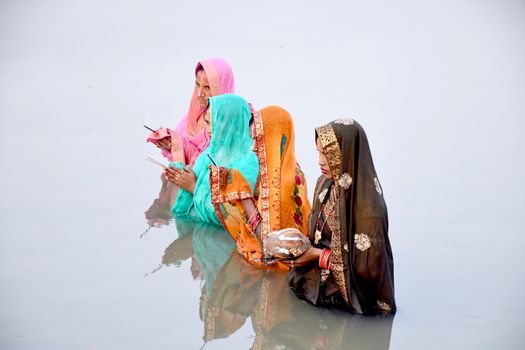
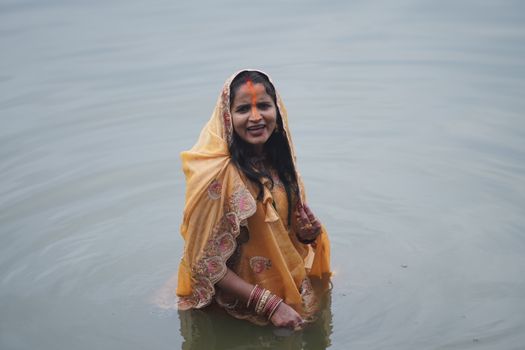
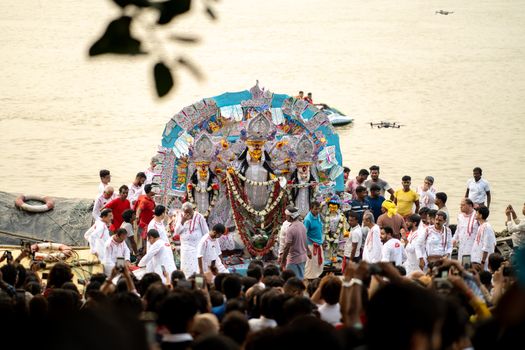
The air crackles with anticipation, a symphony of foreign tongues, distant chants, and the rhythmic beat of drums. I’m standing shoulder-to-shoulder with thousands, a sea of faces bathed in the golden glow of a thousand lamps, and a shiver runs down my spine. This isn’t just a tourist attraction; it’s a living, breathing pulse of a culture, a tradition passed down through generations. This is the magic of a religious festival, and it’s unlike anything you’ve ever experienced.
Forget what you think you know about travel. While iconic landmarks and pristine beaches have their charm, true transformation happens when you step out of your comfort zone and into the heart of a local celebration. For me, these moments have been the most profound, the most humbling, and undeniably the most "blow-your-mind" experiences of my journey around the globe.
Many people shy away from religious festivals, fearing they might be too sacred, too exclusive, or even too overwhelming for an outsider. But here's a secret: countless religious festivals around the world not only welcome foreigners but actively encourage participation, offering a rare window into the soul of a community. They are vibrant, deeply spiritual, and often incredibly joyful affairs that promise an unforgettable adventure.
If you're ready to trade your predictable itinerary for an explosion of color, sound, and emotion, then buckle up. I'm about to take you on a whirlwind tour of some of the most accessible and mind-blowing religious festivals that will not only broaden your horizons but might just change the way you see the world.
1. Holi: The Festival of Colors – India
My Story:
My first Holi in Jaipur was pure, unadulterated chaos, and I loved every second of it. I remember walking out of my guesthouse, dressed in the cheapest white kurta I could find, and being immediately ambushed by a group of laughing children. Before I could even react, my face was smeared with bright pink, green, and blue powder. The next few hours were a blur of laughter, dancing, and dodging water balloons. Complete strangers embraced me, smearing vibrant hues on my cheeks, shouting "Happy Holi!" It was a joyous, unifying experience that dissolved all barriers. I felt completely alive, completely connected.
Holi, the Hindu "Festival of Colors" and "Festival of Love," marks the arrival of spring, the triumph of good over evil, and is a celebration of love. It’s arguably one of the most famous and visually stunning religious festivals open to foreigners, and for good reason!
What to Expect:
Imagine entire streets transforming into a vibrant, living canvas. People throw powdered dyes (gulal) and colored water at each other, dancing to music, and sharing sweets. It’s a day of exuberant revelry where social distinctions are temporarily forgotten, and everyone is equal in their rainbow-hued glory.
Where & When:
Primarily celebrated across India and Nepal, but also in other Hindu communities worldwide. The date varies each year, typically falling in March.
* Best Places to Experience: Jaipur, Mathura, Vrindavan (more traditional, intense), Delhi (big parties), Udaipur.
* Cost: Mostly free to participate! Just buy your colors (a few dollars for a good supply) and maybe some protective gear.
* Instagram-Worthy Moment: A wide-angle shot of a street filled with people throwing colors, or a close-up of your own rainbow-smeared face.
Practical Tips for Foreigners:
* Dress Code: Wear old, white clothes you don't mind getting stained forever.
* Protect Valuables: Leave anything you don't want ruined at your accommodation. If bringing a phone/camera, use waterproof bags or cases.
* Skin & Hair: Apply coconut oil or a heavy moisturizer to your skin and hair beforehand to make the colors easier to wash off.
* Safety: Stick to well-populated, family-friendly areas. Avoid wandering into deserted alleys. Some areas, especially for solo female travelers, might be a bit too rowdy; research specific neighborhoods.
* Join In: The more you participate, the more fun you'll have! Smile, laugh, and embrace the chaos.
2. Diwali: The Festival of Lights – India & Beyond
My Story:
My first Diwali was in a small, bustling neighborhood in Mumbai. The entire street glowed. Every shop, every home, every balcony was adorned with twinkling fairy lights and traditional clay oil lamps (diyas). The air was thick with the scent of incense, marigolds, and delicious sweets. I was invited into a local family's home, shared a feast, and helped light sparklers in their courtyard. It wasn't the explosive chaos of Holi, but a deep, warm sense of communal joy and spiritual reflection that made me feel incredibly welcome and connected.
Diwali, the "Festival of Lights," is one of the most important and widely celebrated Hindu festivals. It symbolizes the victory of light over darkness, good over evil, and knowledge over ignorance. While rooted in Hindu traditions, its message of hope and renewal resonates universally.
What to Expect:
Streets, homes, and businesses are illuminated with countless lamps, candles, and electric lights. Fireworks light up the night sky, families gather for elaborate feasts, exchange gifts and sweets, and perform prayers (pujas). It’s a time of immense joy, prosperity, and reflection.
Where & When:
Celebrated across India, Nepal, Sri Lanka, Singapore, Malaysia, Fiji, and other countries with significant Hindu, Sikh, and Jain populations. Typically falls in October or November, lasting five days.
* Best Places to Experience: Varanasi (riverfront lamps), Jaipur (decorated markets), Delhi, Mumbai, Singapore's Little India.
* Cost: Mostly free to observe. Budget for sweets, gifts if you're invited to a home, and perhaps a new outfit.
* Instagram-Worthy Moment: A stunning night shot of a street or temple adorned with thousands of twinkling lights and diyas.
Practical Tips for Foreigners:
* Dress Code: While not strictly enforced, wearing traditional Indian attire (like a kurta for men, or a salwar kameez/sari for women) can enhance your experience and show respect.
* Food: Don't miss out on the incredible Diwali sweets (mithai) and festive dishes.
* Fireworks: Be aware that fireworks can be loud and frequent, especially in cities. If you're sensitive to noise, plan accordingly.
* Family Invitations: If you're lucky enough to be invited into a local home, accept graciously. It's a profound honor. Bring a small gift (sweets, flowers).
* Photography: The lights are magical, but use a tripod or find stable surfaces for low-light photography.
3. Obon: Honoring Ancestors – Japan
My Story:
I was in Kyoto for Obon, and the atmosphere was distinctly different from the boisterous festivals I'd experienced elsewhere. It was a serene, contemplative beauty. I joined the crowds along the Kamo River as thousands of toro nagashi (floating lanterns) were released onto the water, each carrying the spirit of an ancestor. Watching those gentle lights drift downstream, a quiet reverence settled over me. There was a profound sense of connection to the past, a quiet beauty that moved me deeply. It was a poignant reminder of the universal human desire to remember and honor those who came before us.
Obon is a Japanese Buddhist custom to honor the spirits of one's ancestors. It's a time when families gather, clean graves, and welcome the spirits of their ancestors back home for a few days. While it has solemn undertones, it's also a time for celebration, dancing, and communal remembrance.
What to Expect:
Practices vary by region, but common elements include visiting family graves, cleaning them, and offering food. In the evenings, you'll often find Bon Odori (Bon dances) in public spaces, where people dance in a circle around a central platform. The most iconic sight is toro nagashi, where paper lanterns are lit and floated down rivers or out to sea to guide the spirits back to the other world.
Where & When:
Celebrated across Japan. The dates vary by region, with some celebrating in mid-July (Tokyo, Yokohama), and others in mid-August (Kyoto, Osaka). The latter is more common.
* Best Places to Experience: Kyoto (Daimonji Gozan Okuribi fire festival, lantern floating), Tokyo (various Bon Odori events), Hiroshima (lanterns on the Motoyasu River).
* Cost: Mostly free to observe or participate in dances.
* Instagram-Worthy Moment: The ethereal glow of thousands of floating lanterns on a river at dusk, or a dynamic shot of people participating in a Bon Odori dance.
Practical Tips for Foreigners:
* Respectful Observation: While many events are open, remember the underlying spiritual significance. Be respectful, especially at graveyards or temples.
* Join the Dance: Don't be shy about joining a Bon Odori! The steps are often simple and repetitive, and locals are usually happy to guide you.
* Accommodation: Obon is a major holiday, so transport and accommodation book up well in advance. Plan early!
* Regional Differences: Research the specific dates and customs of the region you plan to visit, as they can vary.
* Food: Look out for special Obon dishes, often vegetarian, prepared for ancestors.
4. Esala Perahera: The Grand Procession – Sri Lanka
My Story:
Nothing could have prepared me for the sheer grandeur of the Esala Perahera in Kandy. I had secured a spot on a rented balcony overlooking the parade route, and for hours, I watched in awe. First came the whip crackers, then the flag bearers, the drummers, the dancers, and finally, the elephants. Dozens of them, adorned in magnificent, illuminated robes, slowly paraded by, each a majestic, living temple. The air was thick with incense and the hypnotic rhythm of drums. When the sacred Tooth Relic (or its casket) passed by, carried on the back of the largest tusker, a hush fell over the crowd, followed by a collective gasp. It was an overwhelming sensory experience, a spectacle of faith and tradition that felt ancient and incredibly powerful.
The Esala Perahera is one of the oldest and grandest Buddhist festivals in Sri Lanka, held annually in Kandy. It's a spectacular Buddhist procession honoring the Sacred Tooth Relic of the Buddha, housed in the Temple of the Tooth (Sri Dalada Maligawa).
What to Expect:
A dazzling parade of dancers, drummers, acrobats, musicians, and lavishly decorated elephants, all moving to a hypnotic rhythm. The centerpiece is the Maligawa Tusker, carrying a replica of the sacred Tooth Relic casket. The festival culminates in a water-cutting ceremony and a daytime parade. It's a truly magnificent display of Sri Lankan culture and devotion.
Where & When:
Exclusively in Kandy, Sri Lanka. Held in July or August, lasting for 10-15 days, with the grandest processions (Randoli Perahera) occurring in the final five nights.
* Cost: Free to watch from the street, but paid seats on balconies or reserved areas offer better views (can range from $50-$200+).
* Instagram-Worthy Moment: A wide shot of the illuminated elephants adorned in their elaborate costumes, or a close-up of the traditional Kandyan dancers.
Practical Tips for Foreigners:
* Book Early: Kandy gets incredibly crowded during the Perahera. Book accommodation and any desired reserved seating months in advance.
* Arrive Early: If you plan to watch from the street, stake out your spot hours before the parade begins, especially for the final nights.
* Dress Code: While not strictly enforced on the street, modest clothing (shoulders and knees covered) is respectful, especially if you visit the Temple of the Tooth.
* Food & Water: Bring snacks and plenty of water, as you'll be waiting for hours.
* Respectful Photography: While photography is allowed, be mindful of the procession's religious significance. Avoid flash photography directly at the elephants or performers.
5. Semana Santa: Holy Week Processions – Spain & Latin America
My Story:
I found myself in Seville during Semana Santa, and the atmosphere was profoundly moving. The air was thick with the scent of incense and orange blossoms, and the haunting, mournful music of the saetas (flamenco-style songs) echoed through the narrow streets. The processions, with their elaborate floats (pasos) depicting biblical scenes and carried by dozens of penitents, were incredibly intense. The hooded figures (nazarenos) walking in silence, the solemnity, the sheer devotion etched on people's faces – it was a powerful, deeply spiritual experience that felt both ancient and incredibly present. It brought a lump to my throat and gave me a new appreciation for the depth of faith.
Semana Santa, or Holy Week, is the annual commemoration of the Passion of Jesus Christ. While celebrated globally, the processions in Spain and many Latin American countries are particularly famous for their elaborate, solemn, and deeply moving displays of faith.
What to Expect:
Week-long series of processions organized by religious brotherhoods (cofradías). Each procession features large, ornate floats (pasos) depicting scenes from the Passion, carried on the shoulders of penitents (costaleros). Participants, often dressed in distinctive robes and pointed hoods (nazarenos or cucuruchos), walk in silence, accompanied by solemn music and the scent of incense. It's a powerful, often somber, but incredibly beautiful cultural and religious spectacle.
Where & When:
Widely celebrated in Spain (especially Seville, Malaga, Granada, Valladolid) and throughout Latin America (e.g., Antigua, Guatemala; Popayán, Colombia; Ayacucho, Peru). Occurs in the week leading up to Easter, typically in March or April.
* Best Places to Experience: Seville (most famous, grandest), Malaga (more dramatic, passionate), Granada (picturesque backdrop).
* Cost: Free to watch from the street. Reserved seating (balconies, chairs) can be very expensive.
* Instagram-Worthy Moment: A dramatic shot of a paso being carried through a narrow, ancient street, or the striking visual of the nazarenos in their distinctive robes.
Practical Tips for Foreigners:
* Respectful Attire: Dress modestly, especially if you plan to enter churches or are watching a procession from a close vantage point.
* Crowds: These events draw massive crowds. Be prepared for long waits and packed streets. Arrive early to secure a good viewing spot.
* Accommodation & Transport: Book flights and accommodation months in advance, as prices soar and availability dwindles.
* Understand the Significance: Take time to read about the history and meaning of the processions. This will deepen your appreciation.
* Food & Drink: Shops and restaurants might have altered hours. Carry water and snacks.
6. Songkran: The Water Festival – Thailand
My Story:
My first Songkran was in Chiang Mai, and it was a full-on, joyous assault. Within minutes of stepping outside, I was drenched. Buckets of water, powerful water guns, and even garden hoses were deployed from every corner. Laughter was the universal language. I bought the biggest water gun I could find and joined the friendly mayhem, splashing everyone in sight. The heat of the Thai sun made the cold water incredibly refreshing, and the sheer, unadulterated joy of thousands of people celebrating together, drenching each other with smiles, was infectious. It felt like being a kid again, but with an entire city as your playground.
Songkran is the traditional Thai New Year's festival, celebrated with a nationwide water fight! While it’s famously known for its playful water battles, its roots are deeply religious, symbolizing purification, washing away sins and bad luck, and welcoming the new year with a fresh start.
What to Expect:
For several days, streets transform into massive, good-natured water battlegrounds. People arm themselves with water guns, buckets, and hoses, splashing anyone and everyone. Beyond the water fights, there are also traditional rituals like visiting temples, offering food to monks, and gently pouring scented water over Buddha images and the hands of elders as a sign of respect.
Where & When:
Celebrated throughout Thailand, with major celebrations in Bangkok, Chiang Mai, Pattaya, and Phuket. Typically runs from April 13th to 15th, though celebrations can extend longer in some areas.
* Best Places to Experience: Chiang Mai (epic water fights, traditional elements), Bangkok (Khao San Road for wild parties, Silom Road for organized fun), Phuket (Patong Beach).
* Cost: Mostly free! Just buy a water gun (a few dollars to $20 for a super soaker) and maybe some waterproof gear.
* Instagram-Worthy Moment: A dynamic action shot of people engaged in a water fight, or a selfie of you completely drenched but beaming.
Practical Tips for Foreigners:
* Waterproof EVERYTHING: This is not an exaggeration. Use waterproof bags for phones, cameras, money, passports. Assume you will get soaked from head to toe.
* Dress Code: Wear light, quick-drying clothes. Swimwear under regular clothes is common.
* Respectful Participation: While it's a party, remember its cultural roots. Avoid splashing monks, babies, or elderly people who are clearly not participating.
* Eye Protection: Goggles or sunglasses are a good idea to protect your eyes from water, especially if it's from questionable sources.
* Stay Hydrated: April is one of Thailand's hottest months. Drink plenty of water.
* Footwear: Wear sandals or flip-flops that can handle being wet and slippery.
Embracing the Spirit: General Tips for Festival Travel
Venturing into these extraordinary festivals requires a blend of preparation, respect, and an open heart. Here are some overarching tips to ensure your experience is as mind-blowing as possible:
- Research, Research, Research: Each festival has unique customs, dates, and local nuances. Understand the religious significance to appreciate the event fully.
- Book Ahead, Way Ahead: Accommodation and transport (flights, trains, buses) during major festivals get booked up and become significantly more expensive months in advance.
- Pack Smart & Light: Consider the climate (many festivals are in hot climates) and the specific needs of the festival (e.g., old clothes for Holi, waterproof gear for Songkran).
- Embrace the Crowds: Festivals are often synonymous with large gatherings. Be prepared for bustling streets, long waits, and less personal space. Patience is your best friend.
- Respect Local Customs: This is paramount. Observe what locals are doing, dress modestly when appropriate, ask for permission before photographing individuals (especially in more solemn settings), and follow any instructions from organizers.
- Stay Hydrated & Fueled: Festivals can be physically demanding. Carry water, and don't forget to sample the local street food – it's often a highlight!
- Protect Your Valuables: Keep your passport, money, and electronics secure. Consider a money belt or waterproof pouches.
- Get Off the Beaten Path (Carefully): While main events are thrilling, sometimes the most authentic experiences are found in smaller neighborhoods or local family celebrations. Just ensure you're doing so safely and respectfully.
- Engage with Locals: A smile, a simple greeting, or an attempt at a local phrase can open doors to incredible interactions and insights.
- Be Open to the Unexpected: Travel, especially festival travel, rarely goes exactly as planned. Embrace the spontaneity, the surprises, and the beautiful imperfections.
Your Mind-Blowing Journey Awaits!
These religious festivals are more than just events; they are profound cultural tapestries, woven with threads of history, devotion, and community. They challenge your perceptions, ignite your senses, and leave you with stories that will resonate for a lifetime. Stepping into their heart is to truly connect with the world in a way that few other travel experiences can offer.
So, are you ready to trade your comfort zone for a kaleidoscope of color, a symphony of sounds, and a truly mind-blowing journey? Start planning your adventure now. Pick a festival, pack your bags, and prepare to be utterly transformed.
Which festival will you experience first? Share your thoughts and dream destinations in the comments below!
---