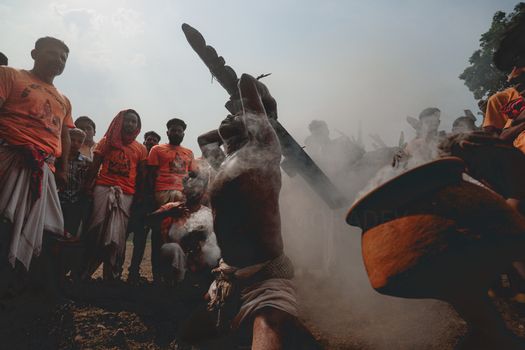
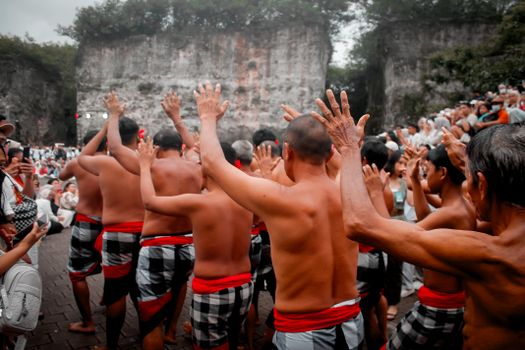
The air crackled with anticipation, a symphony of chanting and rhythmic drumming building to a fever pitch. I stood, a lone foreigner, amidst a sea of vibrant saris and curious glances, a nervous thrill coursing through me. I’d always been a traveler who sought out the authentic, the off-the-beaten-path, but plunging into a religious festival felt... different. A step beyond tourism, a leap into something sacred and profound.
My first time was during the Esala Perahera in Kandy, Sri Lanka. I remember the sheer scale of it – thousands of dancers, drummers, acrobats, and majestic elephants adorned in glittering finery, parading through the moonlit streets. The scent of incense mingled with the humid night air, and the collective awe of the crowd was palpable. It wasn’t just a spectacle; it was a living, breathing piece of history, a sacred offering, and I, a curious outsider, was welcomed into its embrace. It was the moment I realized that some of the most profound travel experiences aren’t found on pristine beaches or famous landmarks, but in the heart of a community, celebrating its deepest beliefs.
If you’re ready to move beyond the tourist trail and into experiences that will genuinely blow your mind, then pack your bags and prepare to be immersed. These aren't just events; they're portals to understanding, connection, and pure, unadulterated awe. And guess what? They’re incredibly welcoming to foreigners.
---
1. Holi: The Festival of Colors (India)
Imagine a world painted in every shade imaginable, where strangers become friends through a joyful explosion of color. That’s Holi, India’s iconic festival celebrating the triumph of good over evil, the arrival of spring, and the sheer joy of life. My first Holi was in Jaipur, and I arrived armed with an old white t-shirt and a healthy dose of apprehension. Within minutes, I was unrecognizable – a canvas of fuchsia, electric blue, sunny yellow, and vibrant green. Laughter echoed through the streets as people playfully chased each other with powdered colors (gulal) and water balloons. It's pure, unadulterated chaos and euphoria.
What it is:
A Hindu festival celebrating love, spring, and the triumph of good over evil. It’s a day to let go of inhibitions, forgive, and celebrate together.
Where & When: Celebrated across India, with some of the most famous festivities in Mathura, Vrindavan (Lord Krishna’s birthplace), Jaipur, and Delhi. It typically falls in March, with dates varying each year based on the Hindu calendar.
Why it will blow your mind: The sheer scale of participation, the vibrant visual spectacle, and the incredible sense of unity as everyone, regardless of age, caste, or nationality, becomes one colorful, joyous mass. It’s an assault on the senses in the best possible way.
Practical Tips:
* Wear old clothes: Seriously, clothes will be stained. Embrace it!
* Protect your skin & hair: Apply coconut oil or a heavy moisturizer to your skin and hair beforehand to make the color wash off easier.
* Safeguard electronics: Ziploc bags are your best friend for phones and cameras. Better yet, consider a waterproof case or leave expensive gear at home.
* Embrace the spirit: Don’t be afraid to get messy. The more you participate, the more fun you’ll have.
* Stay hydrated: It can be hot, and you'll be active.
* Respect boundaries: While Holi is playful, always ensure your interactions are consensual.
Instagram-Worthy Moment: Every single shot is a kaleidoscope of human joy. Capture the color explosions, the smiling, painted faces, and the sheer energy of the crowds.
---
2. Día de los Muertos: The Day of the Dead (Mexico)
Forget Halloween; Mexico’s Día de los Muertos is a profoundly beautiful and moving celebration of life and death. It's a time when families welcome back the souls of their deceased loved ones, not with sorrow, but with joyous remembrance. My experience in Oaxaca was transformative. Walking through cemeteries lit by thousands of candles, seeing families share meals and stories by the graves of their ancestors, and witnessing the elaborate altars (ofrendas) overflowing with marigolds, candles, photographs, and the favorite foods of the departed – it was a powerful reminder that death doesn't have to be feared, but can be embraced as part of life's natural cycle.
What it is:
A vibrant Mexican holiday where families honor and remember their deceased loved ones, believing their spirits return to visit. It's a UNESCO-recognized Intangible Cultural Heritage.
Where & When: Celebrated throughout Mexico, with particularly elaborate festivities in Oaxaca, Mexico City, and the island of Janitzio in Lake Pátzcuaro. It takes place from October 31st to November 2nd.
Why it will blow your mind: The profound beauty in how death is celebrated, the intricate artistry of the altars and sugar skulls, and the deep sense of community and family love. It challenges Western perspectives on mortality.
Practical Tips:
* Learn about the traditions: Understanding the meaning behind the altars, calaveras (skulls), and pan de muerto (bread of the dead) will enrich your experience.
* Visit cemeteries respectfully: These are sacred family spaces. Ask for permission before taking photos, and be quiet and observant.
* Dress up: Get your face painted as a calavera and wear traditional Mexican attire to fully immerse yourself.
* Try the food: Indulge in traditional dishes and the special "pan de muerto."
* Book early: Hotels and flights fill up quickly, especially in popular destinations like Oaxaca.
Instagram-Worthy Moment: The stunning, colorful altars, the intricate sugar skull face paint, candlelit cemeteries, and the beautiful folk art.
---
3. Songkran: The Water Festival (Thailand)
If you thought Holi was chaotic, wait until you experience Songkran! Thailand’s New Year celebration is a nationwide water fight that lasts for days, symbolizing the washing away of sins and bad luck. My first Songkran in Chiang Mai was an absolute blast. I started the day cautiously, armed with a small water pistol, but quickly upgraded to a super soaker as I was drenched by grinning locals from pickup trucks, balconies, and every street corner. The air vibrated with laughter, music, and the constant splash of water. It’s an incredibly joyful and refreshing way to celebrate a new year.
What it is:
The traditional Thai New Year celebration, marked by ritual cleansing with water. It has evolved into a massive, joyous nationwide water fight.
Where & When: Celebrated all over Thailand, with some of the biggest parties in Chiang Mai, Bangkok (especially Khao San Road and Silom), and Phuket. It officially runs from April 13th to 15th, but festivities often extend longer.
Why it will blow your mind: The sheer scale of the water fights, the universal joy and good humor, and the feeling of being part of a giant, refreshing party. It's pure, unadulterated fun.
Practical Tips:
* Waterproof EVERYTHING: Phones, wallets, passports – put them in multiple Ziploc bags or a waterproof pouch.
* Wear quick-drying clothes: Swimwear or light shorts and t-shirts are ideal.
* Invest in a good water gun: The bigger, the better! You'll be outnumbered otherwise.
* Embrace getting soaked: There’s no escaping it, so just enjoy the refreshing spray.
* Respect monks: Avoid splashing monks and the elderly.
* Stay safe: Be mindful of slippery surfaces and crowded areas, especially on motorbikes.
Instagram-Worthy Moment: Epic slow-motion water splashes, smiling faces mid-drench, and the vibrant street scenes of people having the time of their lives.
---
4. Esala Perahera: The Grand Procession (Sri Lanka)
My first encounter with the Esala Perahera in Kandy was nothing short of magical. As dusk settled, the rhythmic throb of drums grew louder, and then, from around the bend, emerged a procession unlike anything I had ever witnessed. Lines of fire dancers twirled flaming torches, drummers beat out ancient rhythms, and flag bearers marched with pride. But the true stars were the elephants – dozens of them, adorned in magnificent embroidered cloaks, majestically parading through the streets. The highlight is the Maligawa Tusker, a grand elephant carrying a replica of the sacred Tooth Relic of the Buddha. It’s an ancient, spiritual, and utterly captivating spectacle.
What it is:
One of Asia’s oldest and grandest Buddhist festivals, celebrating the Sacred Tooth Relic of the Buddha held at the Temple of the Tooth in Kandy. It's a ten-day procession of dancers, drummers, musicians, acrobats, and lavishly decorated elephants.
Where & When: Kandy, Sri Lanka. It usually takes place in July or August, culminating on the full moon (Poya) day.
Why it will blow your mind: The sheer scale and historical grandeur, the mesmerizing traditional performances, and the spiritual aura surrounding the sacred relic. It’s a living museum of Sri Lankan culture.
Practical Tips:
* Book accommodation MONTHS in advance: Kandy fills up completely.
* Arrive early for a good spot: Locals camp out for hours. You can also buy tickets for grandstand seating, which offers a better view but comes at a price (around $50-$100 USD).
* Dress modestly: Remember it’s a religious festival. Shoulders and knees should be covered.
* Stay hydrated and patient: It's hot, and the wait can be long.
* Respect the elephants: Admire them from a distance and avoid flash photography directly at their eyes.
Instagram-Worthy Moment: The majestic elephants in their finery, the intricate dance costumes, the fire dancers against the night sky, and the glowing Temple of the Tooth.
---
5. Inti Raymi: The Festival of the Sun (Peru)
Stepping into Inti Raymi in Cusco feels like traveling back in time to the heart of the Inca Empire. This ancient festival, dedicated to the Sun God Inti, is a spectacular theatrical re-enactment of Inca rituals. I watched from the hills overlooking Sacsayhuamán as hundreds of performers in vibrant, historically accurate costumes enacted ceremonies of homage, complete with mock sacrifices and blessings. The energy, the reverence, and the sheer scale of the production against the backdrop of the Andes mountains are truly breathtaking. It’s a powerful connection to a civilization that once ruled these lands.
What it is:
An ancient Inca religious ceremony honoring the Sun God Inti, performed on the winter solstice (the shortest day of the year) to ensure a good harvest. It was banned by the Spanish but revived in the 20th century as a cultural celebration.
Where & When: Cusco, Peru. It takes place annually on June 24th. The main ceremonies are held at Qorikancha (the Sun Temple), Plaza de Armas, and the archaeological site of Sacsayhuamán.
Why it will blow your mind: The incredible historical immersion, the vibrant costumes and elaborate performances, and the profound connection to Inca heritage. It’s a powerful blend of history, culture, and spirituality.
Practical Tips:
* Acclimatize to altitude: Cusco is high, so arrive a few days early to adjust to the altitude.
* Book hotels and tours well in advance: This is a peak travel time for Cusco.
* Choose your viewing spot: You can watch for free from the surrounding hills of Sacsayhuamán, or purchase tickets for grandstand seating (up to $180 USD, depending on the section).
* Wear layers: The weather can change quickly in the Andes.
* Bring snacks and water: Vendors are available, but it's good to have your own.
Instagram-Worthy Moment: Performers in elaborate Inca regalia, the stunning Andean landscapes, and the dramatic re-enactment of ancient rituals.
---
6. Semana Santa: Holy Week (Spain, particularly Seville)
My experience of Semana Santa in Seville was an unexpected emotional journey. I’d anticipated a religious procession, but nothing prepared me for the intense solemnity and profound beauty of it. The streets of Seville become a stage for dozens of cofradías (brotherhoods) carrying immense, ornate floats (pasos) depicting scenes from the Passion of Christ or the Virgin Mary. The air is thick with the scent of incense and orange blossoms, punctuated by the mournful sound of trumpets and drums. The sight of hooded Nazarenos (penitents) walking barefoot, sometimes for hours, in silent devotion, is incredibly moving and a powerful insight into Spanish culture and faith.
What it is:
The annual commemoration of the Passion of Christ (His arrest, trial, crucifixion, and resurrection) during the week leading up to Easter Sunday. It's celebrated with elaborate processions in Catholic countries, with Spain, particularly Seville, being world-renowned.
Where & When: Throughout Spain, with the most famous and elaborate celebrations in Seville, Malaga, and Valladolid. It occurs in March or April, depending on the date of Easter.
Why it will blow your mind: The intense atmosphere of solemn devotion, the incredible artistry of the floats, the sheer endurance of the penitents, and the deep cultural significance for millions. It's a visually stunning and emotionally powerful experience.
Practical Tips:
* Understand the seriousness: While tourists are welcome, remember this is a deeply religious event for locals. Be respectful, quiet, and avoid blocking the view of locals.
* Dress respectfully: Modest clothing is appropriate.
* Plan your viewing spots: The processions follow specific routes. Buy a program (costalero) or download an app to track them.
* Book accommodation and flights months in advance: Seville is packed during Holy Week.
* Wear comfortable shoes: You'll be doing a lot of standing and walking.
* Try the local sweets: Many bakeries make special treats for Semana Santa.
Instagram-Worthy Moment: The dramatic hooded Nazarenos, the intricately carved and adorned pasos, the candlelit processions at night, and the emotional faces of the onlookers.
---
General Tips for Diving into Festival Travel
These festivals offer more than just a photo opportunity; they're an invitation to connect, to learn, and to feel. To make the most of your mind-blowing journey, here are a few essential tips:
- Book Ahead, Way Ahead: This cannot be stressed enough. Accommodation, flights, and sometimes even transport within the country get booked solid and prices skyrocket during major festivals.
- Research Local Customs: A little homework goes a long way. Understanding dress codes, respectful behavior, and the meaning behind the rituals will enrich your experience and prevent cultural faux pas.
- Embrace the Crowds: Festivals are often packed. Prepare for large numbers of people, potential delays, and keep your valuables secure. A small, cross-body bag worn in front is ideal.
- Stay Flexible & Patient: Things might not run on time, or exactly as planned. Go with the flow and enjoy the unexpected moments.
- Learn Basic Phrases: Even "hello," "thank you," and "excuse me" in the local language can open doors and show respect.
- Be Present: While getting that perfect shot is tempting, remember to put your camera down and simply absorb the atmosphere. Some of the most profound moments are felt, not just seen.
- Hydrate and Snack: Festival days can be long and exciting. Keep water and energy bars handy.
- Travel Insurance: Always a good idea, especially when traveling to potentially crowded events.
---
Ready to Have Your Mind Blown?
These festivals are more than just events on a calendar; they are living, breathing testaments to human spirit, faith, and culture. They push you out of your comfort zone, challenge your perceptions, and leave you with a profound sense of connection to the world and its diverse peoples. My journey through these incredible celebrations has redefined my understanding of travel, transforming it from mere sightseeing into deep, meaningful immersion.
So, which festival will you choose to kickstart your own mind-blowing adventure? Will you dance in the colors of Holi, honor the ancestors in Mexico, get drenched in Thailand, witness ancient grandeur in Sri Lanka, step back in time in Peru, or feel the solemn reverence of Spain?
No matter which you choose, prepare to have your senses overwhelmed, your heart touched, and your mind irrevocably blown. Come back and tell us all about it!
---