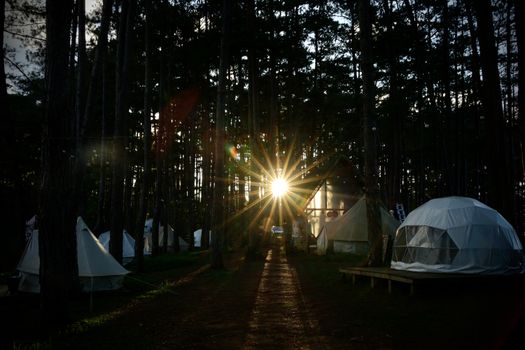
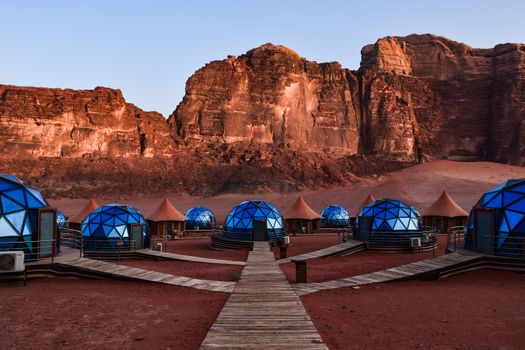
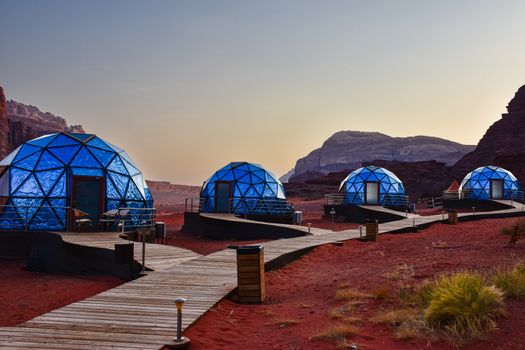
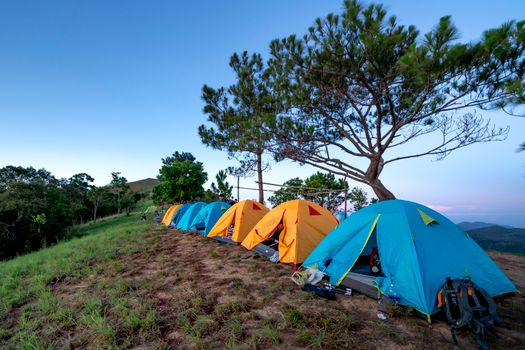
There are moments in life when the world around you suddenly shrinks, and then, in an instant, expands beyond anything you thought possible. For me, these moments often happen under a canvas tent, in places so utterly bizarre and beautiful, they feel less like Earth and more like a scene from another galaxy. I’m not talking about your average national park campground (though those are great too!). I’m talking about landscapes that whisper ancient secrets, where the stars are so bright they cast shadows, and the very ground beneath you seems to pulse with an alien energy.
I remember my first truly "otherworldly" camping trip. It was a cold, clear night in the high desert, miles from any light pollution. I zipped open my tent flap, and the Milky Way exploded above me, a shimmering river of light I'd only ever seen in photographs. That night, something shifted within me. It wasn't just a pretty view; it was a profound realization of my place in the cosmos, a humbling and exhilarating experience that set me on a quest. A quest to find more of these alien landscapes, these pockets of the planet that defy expectation and redefine what it means to be alive.
And let me tell you, friends, I found them. These aren't just camping spots; they're portals to new perspectives, places that will challenge your senses, ignite your spirit, and quite literally, change your life forever. So pack your bags, adventurer, because Tripsora is about to take you on an interstellar journey, right here on Earth.
---
Salar de Uyuni, Bolivia: Mirror to the Cosmos
Imagine an endless expanse of white, stretching to the horizon where it meets a sky so blue it almost hurts. Now imagine that sky perfectly mirrored beneath your feet, creating an illusion so seamless you can't tell where the Earth ends and the heavens begin. Welcome to the Salar de Uyuni, the world's largest salt flat, and a place that consistently tops my list of "feels like another planet" destinations.
My first night camping on the Salar was nothing short of magic. After a bumpy 4x4 journey from Uyuni, our guide pulled up to a spot that looked like the surface of a giant, pristine mirror. The sun dipped below the horizon, painting the sky in fiery oranges and purples, which then reflected back at us with breathtaking clarity. As darkness fully descended, the stars emerged, one by one, then by the million. It was as if we were floating in space, with constellations above and below, connected by the faintest glimmer of our headlamps. I actually pinched myself, convinced I was dreaming.
Why it feels alien:
The sheer scale and flatness create an optical illusion unlike anything else. When wet (typically December to April), the thin layer of water transforms the salt flat into the world's largest natural mirror. When dry, the hexagonal patterns in the salt crust are equally surreal. The complete lack of light pollution makes for some of the most spectacular stargazing on Earth, truly making you feel like you're adrift in the cosmos.
My personal anecdote:
I woke up one morning before dawn, and the air was crisp, silent, and utterly still. I crawled out of my tent and stood barefoot on the cool, damp salt. The Milky Way was still blazing overhead, and a faint, ethereal glow was starting to appear on the eastern horizon. I felt an overwhelming sense of peace and insignificance, yet also a profound connection to something ancient and vast. It was a moment of pure, unadulterated awe.
Practical Tips:
* Best Time to Visit: December to April for the mirror effect (rainy season). May to November for the dry, cracked salt patterns.
* Getting There: Most tours depart from Uyuni, Bolivia. You'll need a 4x4 and an experienced guide, as navigating the Salar is complex.
* Camping: Many multi-day tours include stays in "salt hotels" (basic accommodations built entirely of salt) or organized tent camping. Wild camping is possible with a guide but requires careful planning.
* Cost: A 3-day/2-night tour typically ranges from $150-$300 USD, including food, transport, and basic accommodation.
* What to Pack: Layers (it gets very cold at night!), sunscreen, sunglasses (the glare is intense!), a good camera, and a wide-angle lens for those epic reflections and star shots.
---
Landmannalaugar, Iceland: Rainbow Mountains of a Volcanic Dream
If Mars had a more colorful, geothermally active cousin, it would be Landmannalaugar. Tucked deep within Iceland’s southern highlands, this region is a geological masterpiece, a symphony of vibrant rhyolite mountains, bubbling hot springs, and stark, volcanic landscapes. Camping here isn't just a stay; it's an immersion into a world where Earth's raw power is on full display.
I arrived in Landmannalaugar after a long, bumpy ride on an F-road (Icelandic for "4x4 required, proceed with caution!"). The moment the valley opened up, my jaw dropped. Mountains striped with hues of red, orange, yellow, green, and blue rose dramatically from black lava fields, still steaming in places. Our campsite was a simple, designated area near a warm, natural river perfect for soaking tired muscles after a day of hiking. Sleeping here, surrounded by these colossal, painted peaks, felt like being nestled in the heart of a sentient planet.
Why it feels alien:
The rhyolite mountains are formed by volcanic activity, and their incredible colors come from minerals in the rock. Add to that the pervasive smell of sulfur from geothermal vents, the steam rising from hot springs, and the stark, treeless landscape, and you have a scene that screams "exoplanet." The weather can change in an instant, adding to the dramatic, unpredictable atmosphere.
My personal anecdote:
One evening, after a challenging hike up Brennisteinsalda (the "Sulphur Wave" mountain), I found myself sitting in the natural hot spring, steam swirling around me as the sun dipped below the multi-colored peaks. The contrast of the cool air on my face and the warm water enveloping my body, combined with the unearthly beauty of the surroundings, was profoundly therapeutic. It was a moment of absolute contentment, feeling completely at one with this wild, untamed land.
Practical Tips:
* Best Time to Visit: Mid-June to mid-September, when the F-roads are open and weather is most stable (though still unpredictable).
* Getting There: You'll need a 4x4 vehicle or take a highland bus from Reykjavík or other major towns.
* Camping: There’s a designated campsite with basic facilities (toilets, showers, and a small shop). Reservations are highly recommended during peak season. You can pitch your own tent or stay in one of their huts.
* Cost: Camping is approximately $15-20 USD per person per night. Hut stays are more expensive.
* What to Pack: Layers, waterproof and windproof outer shell, sturdy hiking boots, swimwear for the hot springs, and a good map/GPS as cell service is spotty.
---
Goblin Valley State Park, Utah, USA: Where Hoodoos Guard Ancient Secrets
Forget Mars; let's talk about a world populated by mischievous, mushroom-shaped rock formations. Goblin Valley State Park in Utah is a bizarre and wonderful landscape of eroded sandstone formations, known as "hoodoos" or "goblins." It's like walking through a fantastical sculpture garden created by an alien civilization.
I first visited Goblin Valley on a road trip through Utah's national parks, and it immediately stood out. We pulled into the campground, a small, quiet loop perched on a mesa overlooking the "Valley of the Goblins." The moment I stepped into the valley itself, I felt like a character in a Dr. Seuss book. Thousands of these squat, bulbous, whimsical figures dotted the landscape, inviting exploration. We spent hours wandering among them, playing hide-and-seek with the setting sun, which cast long, dancing shadows that made the goblins seem even more alive.
Why it feels alien:
The unique erosion patterns create an incredibly distinct and surreal landscape. Unlike the towering spires of Bryce Canyon, these goblins are squat and rounded, giving the impression of a miniature, alien city. The surrounding barren desert and incredibly dark night skies (it's an International Dark Sky Park) only amplify the otherworldly sensation.
My personal anecdote:
One night, after the last day-trippers had left, my friends and I sat on a blanket in the middle of the valley, looking up at the explosion of stars. The silence was profound, broken only by the occasional hoot of an owl. With the goblins standing sentinel around us, it felt like we had stumbled into a secret meeting place for ancient spirits or extraterrestrial beings. It was humbling to be in such an ancient, undisturbed place.
Practical Tips:
* Best Time to Visit: Spring and Fall offer the most pleasant temperatures for hiking. Summer can be extremely hot, and winter brings cold nights.
* Getting There: Goblin Valley is about an hour's drive from Green River, Utah, and easily accessible by paved roads.
* Camping: There's a small, designated campground with 25 sites, including some yurts. Reservations are highly recommended, especially during peak season. Facilities include flush toilets and hot showers.
* Cost: Park entrance fee is ~$20 per vehicle. Camping is around $40 per night.
* What to Pack: Plenty of water (no potable water in the valley itself), sturdy shoes for scrambling, sun protection, and a headlamp for exploring the goblins after dark. Bring a good camera for unique perspectives.
---
Ladakh, India: High-Altitude Desert Where Earth Touches the Stars
Perched high in the Indian Himalayas, Ladakh is often called "Little Tibet" and "The Moon Land" – and for good reason. This high-altitude desert region, characterized by barren mountains, deep river valleys, and ancient Buddhist monasteries, offers a stark, rugged beauty that is undeniably alien. Camping here is a spiritual journey as much as a physical one.
My journey to Ladakh began with a flight into Leh, the capital, followed by several days of acclimatization to the thin air. Once ready, we embarked on a trekking and camping expedition through some of the remote valleys. I remember one particular night, camped beside a glacial river, surrounded by mountains that looked like they'd been sculpted by giants. The air was unbelievably crisp, and the silence was so profound it almost hummed. Above us, the sky was a velvet tapestry woven with diamonds. With no light pollution and the high altitude, the stars were so close, so bright, it felt like I could reach out and pluck them from the inky blackness.
Why it feels alien:
The extreme altitude (many passes are over 17,000 feet), the arid, treeless landscape, and the sheer scale of the mountains create a sense of vastness that is overwhelming. The unique geological formations, combined with the vibrant prayer flags and ancient monastic architecture, paint a picture that is both earthly and entirely otherworldly. The air is thin, the sun is intense, and the nights are frigid – a truly extreme environment.
My personal anecdote:
One morning, I woke up to the sound of a distant prayer chant echoing through the valley. As the first rays of sun hit the snow-capped peaks, turning them gold, I felt an incredible sense of peace and connection. The stark beauty of the landscape, coupled with the deep spirituality of the Ladakhi people, created an experience that transcended typical travel. It wasn't just a place I visited; it was a place that imprinted itself on my soul.
Practical Tips:
* Best Time to Visit: June to September, when the weather is mildest and passes are open.
* Getting There: Fly into Leh (IXL) and spend several days acclimatizing to the altitude. You can also drive from Manali or Srinagar, but these routes are longer and more challenging.
* Camping: Designated campsites are available, especially along popular trekking routes. Many tour operators arrange full-service camping expeditions. Wild camping is possible in certain areas but requires permits and an experienced guide due to remoteness and safety concerns.
* Cost: Varies widely depending on whether you're trekking independently or with a guided tour. Permits for certain areas are required. Budget for at least $50-100 USD per day for guided treks with camping.
* What to Pack: Extreme layers (day can be warm, night is freezing), high-altitude sleeping bag, sturdy trekking boots, sun protection (hat, sunglasses, high SPF), water purification tablets, and altitude sickness medication.
---
Skeleton Coast National Park, Namibia: Where Dunes Meet Shipwrecks
If you’re looking for a landscape that feels like a post-apocalyptic movie set, look no further than Namibia’s Skeleton Coast. This remote, desolate stretch of coastline where the Namib Desert meets the Atlantic Ocean is a graveyard of ships, whales, and dreams. It’s an environment so harsh, so unforgiving, yet so hauntingly beautiful, it will leave an indelible mark on your soul.
Visiting Skeleton Coast isn't a casual affair; it's an expedition. My trip was part of a guided fly-in safari, which allowed us access to the otherwise restricted northern parts of the park. We landed on a makeshift airstrip in the middle of nowhere, surrounded by towering sand dunes on one side and the crashing waves of the Atlantic on the other. Our camp was set up right on the beach, a small cluster of dome tents that felt utterly insignificant against the vastness. Waking up to the sound of the ocean and the sight of a thick, swirling fog rolling in from the sea, completely obscuring the sun, felt like being on the edge of the world, or perhaps, a different world altogether.
Why it feels alien:
The constant interplay of the colossal, rust-colored sand dunes of the Namib Desert with the cold, turbulent Atlantic Ocean creates a truly unique ecosystem. The dense, persistent fog (caused by the cold Benguela Current) often blankets the coast, giving it an eerie, mysterious atmosphere. Add to this the skeletal remains of shipwrecks, bleached whalebones, and unique desert-adapted wildlife, and you have a landscape that feels both ancient and utterly alien.
My personal anecdote:
One afternoon, we hiked over a massive dune to discover the half-buried remains of an old fishing trawler, slowly being swallowed by the sand. The wind howled, whipping sand around us, and the air was thick with the salty spray of the ocean. Standing there, gazing at the ship's decaying hull, I felt a profound sense of time and impermanence. It was a stark reminder of nature's relentless power and the fragility of human endeavors against such a formidable backdrop.
Practical Tips:
* Best Time to Visit: May to October (dry season) offers cooler temperatures and clearer skies, though fog is still common.
* Getting There: Access to the northern Skeleton Coast National Park is highly restricted and usually requires a fly-in safari with a licensed tour operator. The southern part is more accessible but still requires a 4x4.
* Camping: Most camping in the restricted areas is part of an organized, fully-catered safari. These are often luxury mobile camps. There are a few basic public campsites in the southern part of the park.
* Cost: Fly-in safaris to the northern Skeleton Coast are very expensive, typically starting from $1000-$2000+ USD per person per day. Self-driving and camping in the southern section is more affordable but still requires careful planning and permits.
* What to Pack: Warm layers (even in summer, the coast is cool and foggy), waterproof gear, sturdy walking shoes, binoculars for wildlife viewing, and a good camera to capture the dramatic landscapes.
---
Preparing for Your Interstellar Trek: Practical Tips for Otherworldly Camping
Venturing into these alien landscapes isn't like a weekend trip to your local state park. These are often remote, challenging environments that demand respect and thorough preparation. Here’s my essential advice to ensure your "otherworldly" camping experience is life-changing for all the right reasons:
- Research, Research, Research: Each of these locations has unique challenges and requirements. Understand the climate, terrain, necessary permits, and local regulations. Are you allowed to wild camp? Do you need a guide? What are the water sources?
- Pack Smart & Light (But Prepared):
- Layers are Key: Temperatures can fluctuate wildly from day to night. Think moisture-wicking base layers, insulating mid-layers (fleece/down), and a waterproof/windproof outer shell.
- High-Quality Tent: A 3-season or 4-season tent designed for high winds and varying conditions is crucial.
- Sleeping System: A warm sleeping bag rated for the lowest expected temperatures, plus an insulated sleeping pad, is non-negotiable for cold nights.
- Navigation: GPS device (Garmin InReach or similar), offline maps on your phone (e.g., Maps.me, Gaia GPS), and a physical map/compass. Don't rely solely on cell service – it won't exist in many of these spots.
- First Aid Kit: Comprehensive kit for cuts, blisters, altitude sickness medication (if relevant), pain relievers, and any personal medications.
- Water & Purification: Carry ample water. For longer trips, a reliable water filter or purification tablets are essential.
- Sun Protection: High-SPF sunscreen, wide-brimmed hat, sunglasses – the sun at high altitudes or in deserts is intense.
- Headlamp/Flashlight: With extra batteries. Dark skies mean really dark nights.
- Communication: A satellite messenger or phone is highly recommended for emergencies in remote areas.
- Physical Fitness & Acclimatization: Many of these spots involve hiking, high altitudes, or rugged terrain. Train beforehand. If going to high altitude (like Ladakh), build in several days for acclimatization.
- Leave No Trace Principles: This is paramount. Pack out everything you pack in. Dispose of waste properly. Stay on marked trails. Respect wildlife and natural habitats. These pristine environments depend on us to keep them that way.
- Embrace the Disconnect: These places offer a rare opportunity to truly unplug. Leave your phone in airplane mode, put away the distractions, and immerse yourself in the present moment. The real magic happens when you’re fully present.
- Safety First: Inform someone of your itinerary. Be aware of potential hazards (weather changes, wildlife, unstable terrain). Don't take unnecessary risks.
---
The Universe Awaits: Your Next Life-Changing Adventure
These five destinations are just a glimpse into the incredible, mind-bending camping experiences our planet has to offer. Each one, in its own unique way, has stripped away the mundane, shattered my preconceived notions, and opened my eyes to the sheer wonder of existence. They’ve taught me humility, resilience, and an even deeper appreciation for the wild places that still exist.
Camping in these otherworldly spots isn't just about spending a night outdoors; it's about connecting with the raw, untamed essence of Earth, and in doing so, connecting with a profound part of yourself. It's about witnessing beauty so extreme it feels impossible, and realizing that the impossible is often just waiting to be discovered.
So, are you ready to trade your ordinary for the extraordinary? To sleep under a sky that feels like a million alien eyes are watching over you? To wake up in a landscape that challenges your very definition of "home"?
Which of these alien landscapes calls to you most? Share your dream otherworldly camping spot in the comments below, or tell us about your own life-changing outdoor adventure! Don't forget to tag #TripsoraAdventures and inspire fellow travelers to seek out the incredible!
Start planning your own interstellar trek today. The universe, in all its terrestrial glory, is waiting.