Beyond the Postcard: Religious Festivals That Will Blow Your Mind (And Change Your Life)
There are trips, and then there are journeys. I remember my first time stepping into the swirling, technicolor chaos of Holi in Vrindavan, India. One moment, I was an observer, camera clutched tight, trying to make sense of the vibrant pandemonium. The next, a giggling child smeared my face with bright pink powder, and suddenly, the barrier between "me" and "them" dissolved. I wasn't just seeing a festival; I was in it. I was part of the ecstatic dance, the joyous shouts, the collective release. That day, I learned that true travel isn't just about ticking off landmarks; it's about diving headfirst into the beating heart of a culture, especially through its most profound and passionate expressions: its religious festivals.
For us at Tripsora, "mind-blowing" isn't just a buzzword. It's the feeling of awe that washes over you when you witness something so ancient, so vibrant, so utterly other that it reshapes your understanding of the world. And believe me, the world's religious festivals deliver that feeling in spades. They are not mere tourist attractions; they are living traditions, spiritual pilgrimages, and communal celebrations that welcome respectful foreigners to partake in their magic.
Ready to transcend tourism and experience something truly unforgettable? Here are five religious festivals that are not only open to foreigners but practically beg you to join their incredible, soul-stirring revelry.
1. Holi: The Festival of Colors – India's Ecstatic Embrace
What it is:
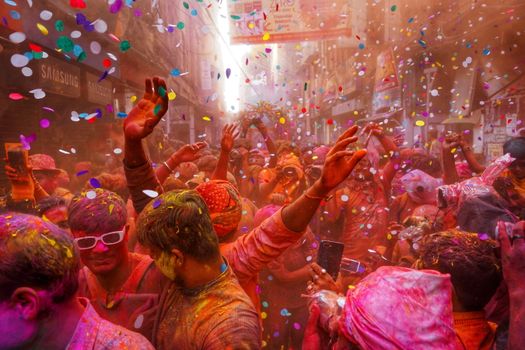
Imagine an entire country erupting in a joyous, multi-hued explosion of color, music, and dance. That, my friends, is Holi. Celebrated primarily in India and Nepal, this ancient Hindu festival marks the triumph of good over evil, the arrival of spring, and the sheer joy of life. People throw dry colored powders (gulal) and colored water at each other, creating an unforgettable spectacle of vibrant chaos.
My Experience:
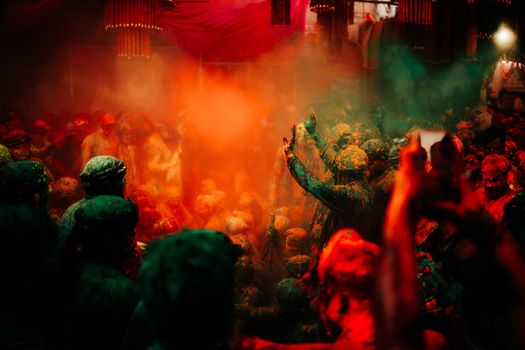
My first Holi was in Vrindavan, the mythical home of Lord Krishna. I was warned it would be intense, but nothing truly prepares you for the sheer, unadulterated joy. The air was thick with clouds of pink, blue, green, and yellow, coating everyone and everything. Strangers embraced, laughing, smearing each other with color, chanting "Holi Hai!" – a declaration that all social barriers are momentarily dissolved. I remember a moment, covered head-to-toe in every color imaginable, dancing in a temple courtyard with hundreds of locals, feeling an incredible sense of unity and pure, childlike happiness. It was messy, exhilarating, and utterly liberating.
Why it will blow your mind:
It’s a sensory overload in the best possible way. The colors, the music, the dancing, the shared laughter – it’s an unparalleled experience of collective joy and release. It’s a chance to let go of inhibitions and embrace pure, unadulterated fun.
Practical Tips for Foreigners:
* When to go: Usually in March, but dates vary annually based on the lunar calendar. Always check specific dates!
* Where to go:
* Vrindavan/Mathura: The heartland of Holi, offering a deeply spiritual and traditional experience, often more intense. Be prepared for crowds and a very local vibe.
* Jaipur/Udaipur: Offer more organized, foreigner-friendly events, sometimes with cultural performances.
* Delhi: Various public celebrations, but be mindful of safety in large crowds.
* What to wear: Old, white clothes you don't mind ruining. The colors will stain.
* Safety: Be aware of your surroundings, especially in dense crowds. Some areas can get rowdy. For women, consider celebrating in groups or with trusted local guides. Protect your eyes with sunglasses and apply oil/moisturizer to your skin and hair beforehand to make color removal easier.
* Gear Protection: Keep cameras and phones in waterproof bags or ziplocks. Better yet, consider a cheap, disposable camera or just soak in the moment!
* Cost: Mostly free to participate, though organized events might have a small fee. Colors are inexpensive.
* Instagram-worthy: Every single moment! The vibrant colors, smiling faces, and the sheer joy are perfect for capturing. Just protect your gear!
2. Día de los Muertos: A Celebration of Life, Not Death – Mexico's Vibrant Remembrance
What it is:
Far from being a morbid Halloween-esque event, Mexico's Día de los Muertos (Day of the Dead) is a vibrant, deeply spiritual celebration where families honor and remember their deceased loved ones. It's believed that on this day, the veil between worlds thins, allowing spirits to return and visit their families. Homes and public spaces burst with colorful ofrendas (altars), marigolds, sugar skulls, candles, and the favorite foods and drinks of the departed.
My Experience:
I spent Día de los Muertos in Oaxaca, a city renowned for its elaborate celebrations. Walking through the cemeteries at night was profoundly moving. Instead of sorrow, there was a palpable sense of peace and connection. Families gathered around graves, sharing meals, playing music, telling stories, and lighting candles that glowed like thousands of tiny stars. I witnessed a grandmother lovingly arrange her husband's favorite mezcal on his grave, then share a shot with her family, laughter mixing with quiet reverence. It wasn't sad; it was a beautiful, collective act of remembrance and love that truly redefined my understanding of death.
Why it will blow your mind:
It challenges Western perceptions of death and mourning. It's a powerful, beautiful reminder of the enduring bonds of family and memory, celebrated with an explosion of color, art, and heartfelt tradition.
Practical Tips for Foreigners:
* When to go: October 31st to November 2nd annually.
* Where to go:
* Oaxaca: Considered the epicenter of traditional celebrations, with elaborate parades, altars, and cemetery vigils.
* Mexico City: Grand parades, public altars, and cultural events. Mixes traditional with contemporary.
* Pátzcuaro, Michoacán: Known for its stunning lakeside celebrations and indigenous traditions.
* Respect: Remember this is a sacred family tradition. Be respectful in cemeteries; ask permission before photographing people or their altars.
* Participate: Learn about ofrendas, try traditional pan de muerto (bread of the dead), and get your face painted as a calavera (skull). Many workshops offer face painting and craft sessions.
* Cost: Generally free to observe and participate in public events. Food and crafts are affordable.
* Instagram-worthy: The intricate ofrendas, vibrant marigolds, elaborate calavera makeup, and the poignant beauty of candlelit cemeteries.
3. Loy Krathong & Yi Peng: Lanterns of Light and Release – Thailand's Luminous Spectacle
What it is:
Often celebrated concurrently, Loy Krathong and Yi Peng are two of Thailand's most visually stunning and spiritually resonant festivals. Loy Krathong involves releasing beautifully decorated "krathongs" (small floats made of banana leaves, flowers, candles, and incense) onto rivers and waterways, symbolizing letting go of misfortunes and making wishes. Yi Peng (primarily celebrated in Northern Thailand, especially Chiang Mai) sees thousands of paper lanterns (khom loi) released into the night sky, carrying wishes and prayers heavenward.
My Experience:
My first Yi Peng mass release in Chiang Mai was utterly breathtaking. Standing in a field with thousands of others, holding a paper lantern, the air crackled with anticipation. Then, on command, thousands of flames ignited, and the sky slowly filled with a silent, glowing armada of lanterns, drifting upwards like a galaxy of new stars. The collective gasp, followed by an almost reverent silence, was profound. Later, by the river, releasing my own krathong, I felt a quiet sense of peace, watching the candle flicker away into the darkness, carrying my worries with it. It’s a truly magical experience that touches your soul.
Why it will blow your mind:
The sheer visual spectacle of thousands of lanterns ascending into the night sky or floating on water is unparalleled. It’s a moment of collective spirituality, beauty, and hope that feels incredibly uplifting and deeply personal.
Practical Tips for Foreigners:
* When to go: Usually in November, on the full moon of the 12th month in the Thai lunar calendar. Dates vary, so check well in advance.
* Where to go:
* Chiang Mai: The absolute best place to experience both. Yi Peng mass release events require pre-booked tickets (which can be expensive and sell out quickly, often months in advance). Local Loy Krathong events are free and abundant along the Ping River.
* Sukhothai: Known for its historical park setting for Loy Krathong, with beautiful light shows and traditional performances.
* Tickets for Yi Peng: If you want to attend a mass release, research reputable organizers (e.g., Maejo University, CAD) and book months ahead. Prices can range from $100-$300+.
* Ethical Lanterns: Ensure your lanterns are biodegradable and released responsibly. Be mindful of the environmental impact.
* Cost: Loy Krathong is mostly free; you just buy a krathong (a few dollars). Yi Peng mass release events are ticketed.
* Instagram-worthy: The iconic shot of thousands of lanterns against the night sky, the intricate designs of the krathongs on the water.
4. Timkat: Ethiopia's Epiphany Extravaganza – An Ancient Orthodox Spectacle
What it is:
Timkat is the Ethiopian Orthodox Tewahedo Church's celebration of Epiphany, commemorating the baptism of Jesus Christ in the Jordan River. It's a three-day festival culminating in vibrant processions, ceremonial re-enactments of baptism, and joyful singing and dancing. The most sacred objects, the tabots (replicas of the Ark of the Covenant, usually kept in every church), are carried in grand processions to a body of water, where they spend the night before being returned to their churches.
My Experience:
I witnessed Timkat in Gondar, a city famous for its ancient castles and churches. The night before, I joined a throng of pilgrims, all dressed in traditional white robes, following the tabots carried on the heads of priests, accompanied by rhythmic drumming and chanting. The air was electric with devotion. The next morning, at the Fasilides' Bath, thousands gathered around the sacred pool. When the water was blessed and sprayed over the crowd, there was a collective cry of joy, a tangible sense of renewal. It felt like stepping back in time, a powerful, unwavering faith on full display, unlike anything I had ever seen. The vibrant colors of the priests' robes and umbrellas against the sea of white was a visual feast.
Why it will blow your mind:
It’s an incredibly ancient, unique, and deeply spiritual Christian celebration that feels almost untouched by time. The sheer scale of participation, the vibrant processions, and the palpable devotion of the faithful are truly awe-inspiring.
Practical Tips for Foreigners:
* When to go: January 19th (January 20th in a leap year) annually. Plan to arrive a few days before.
* Where to go:
* Gondar: The most famous and spectacular place to experience Timkat, especially at Fasilides' Bath.
* Addis Ababa: Celebrations are also held in the capital, often at Jan Meda.
* Lalibela: Offers a more intimate, rock-hewn church setting for the festival.
* Dress Code: Dress modestly, covering shoulders and knees. Women may want to bring a headscarf.
* Logistics: Book flights and accommodation months in advance, as Ethiopia gets very busy. Consider hiring a local guide for navigation and cultural insights.
* Crowds: Be prepared for very large crowds, especially at the main sites.
* Photography: Be respectful. Ask permission before photographing individuals, especially priests.
* Cost: Generally free to observe. A local guide, accommodation, and transport will be your main expenses.
* Instagram-worthy: The sea of white robes, the colorful ceremonial umbrellas, the ancient churches, and the powerful baptism re-enactments.
5. Inti Raymi: The Festival of the Sun – Peru's Grand Incan Revival
What it is:
Inti Raymi, meaning "Festival of the Sun" in Quechua, was the most important ceremony in the Inca Empire, honoring the sun god Inti. Banned by the Spanish conquistadors, it was revived in 1944 as a theatrical re-enactment, but its spiritual and cultural significance remains profound for the Quechua people. Held annually on the winter solstice, it features elaborate costumes, traditional music, and dramatic performances in three historical locations around Cusco.
My Experience:
Standing among the ancient stones of Saqsaywaman, overlooking Cusco, as the Sapa Inca (emperor) and his retinue performed rituals to the sun god, I felt a powerful connection to a lost civilization. The vibrant clothing, the rhythmic drumming, the symbolic sacrifices (now simulated) – it all transported me back centuries. It wasn't just a play; it was a deeply felt homage to an ancestral past, a declaration of cultural pride. The sheer scale and meticulous detail of the re-enactment, set against the backdrop of the Andes, gave me goosebumps. It was a powerful reminder of the enduring spirit of indigenous cultures.
Why it will blow your mind:
It’s a grand, immersive spectacle that brings ancient Incan history and spirituality to life. You’ll witness a vibrant re-enactment of a powerful pre-Columbian tradition against the stunning backdrop of the Sacred Valley, offering a unique insight into Andean cosmology.
Practical Tips for Foreigners:
* When to go: Annually on June 24th.
* Where to go:
* Cusco: The entire city transforms for the festival. The main events take place in three locations: the Coricancha (Temple of the Sun), the Plaza de Armas, and the majestic fortress of Saqsaywaman.
* Tickets: To get a good view at Saqsaywaman, you must buy official tickets well in advance (often months before). These can be expensive ($100-$200+). Viewing from the surrounding hills is free but offers a more distant perspective. Plaza de Armas and Coricancha events are generally free to watch from designated areas.
* Accommodation & Transport: Book everything far in advance, as Cusco is packed during this time.
* Altitude Sickness: Cusco is at a high altitude. Arrive a few days early to acclimatize, stay hydrated, and take it easy.
* Respect: While a re-enactment, it’s deeply meaningful for locals. Be respectful of the cultural significance.
* Cost: Entrance tickets to Saqsaywaman are significant. Other events are free to view.
* Instagram-worthy: The elaborate Incan costumes, the grand scale of the performances, and the stunning Andean scenery.
General Tips for Mind-Blowing Festival Travel:
- Do Your Homework (Beyond This Post!): Dates for religious festivals often vary based on lunar calendars. Always double-check specific dates for the year you plan to travel. Research local customs, dress codes, and etiquette.
- Book Ahead, Way Ahead: Accommodation, flights, and sometimes even specific festival event tickets (like Yi Peng mass release or Inti Raymi prime seats) sell out months in advance. Don't wait!
- Go with an Open Mind & Heart: These are not just parties; they are sacred traditions. Be respectful, curious, and willing to step outside your comfort zone. Embrace the unexpected.
- Protect Your Gear (and Yourself): Crowds, water, and colored powder can be harsh on electronics. Use waterproof bags. Be vigilant against pickpockets in dense areas. Stay hydrated and aware of your surroundings.
- Hire a Local Guide (Sometimes): For festivals like Timkat or if you want deeper insight into any festival, a local guide can be invaluable for navigation, cultural understanding, and safety.
- Learn a Few Local Phrases: Even simple greetings or "thank you" can go a long way in showing respect and connecting with locals.
- Be Patient & Flexible: Things might not run on time, or as expected. That’s part of the adventure! Embrace the flow.
- Ask Permission for Photos: Especially when photographing people, particularly in religious contexts. A simple gesture or "photo?" can make a big difference.
- Leave No Trace: Be mindful of your environmental impact, especially with things like lanterns and krathongs.
Ready to Have Your Mind Blown?
Stepping into a religious festival as a foreigner is more than just sightseeing; it's an invitation to connect with humanity on a profound level. It's about feeling the pulse of a culture, understanding its history, and sharing in its most cherished moments. These experiences will challenge your perceptions, open your heart, and leave you with stories that will resonate for a lifetime.
So, which of these incredible celebrations will be your first mind-blowing journey? Will you dive into the colors of Holi, honor ancestors in Mexico, release a lantern into the Thai sky, witness ancient faith in Ethiopia, or stand in awe of the Incan sun god in Peru? The world is waiting to show you its magic.
Tell us in the comments below: Which festival are you dreaming of experiencing? Have you attended a mind-blowing religious festival? Share your stories!
---