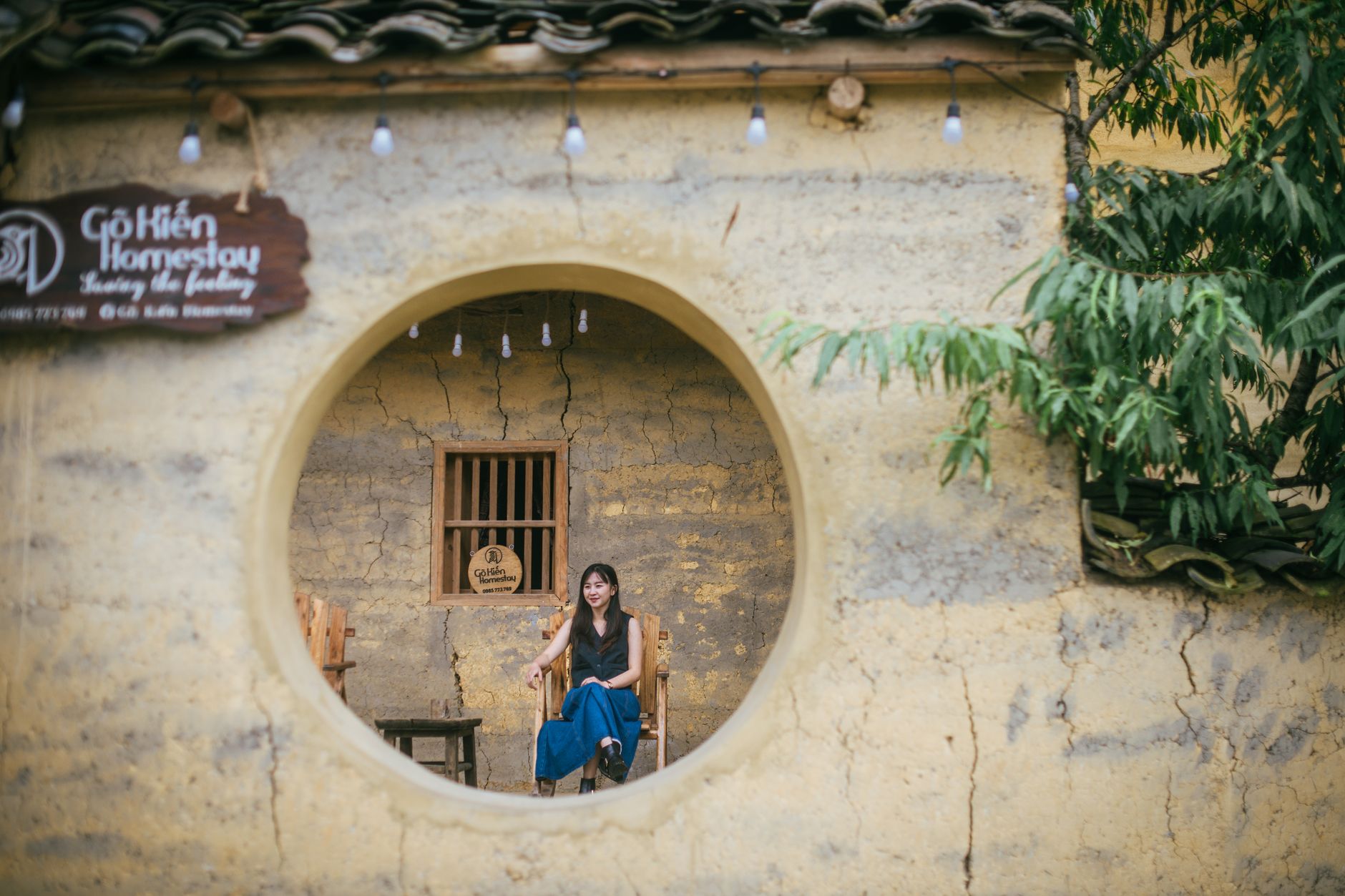
I used to be that traveler – the one meticulously planning itineraries, chasing postcard-perfect views, and booking chic boutique hotels. My travel photos were stunning, my adventures well-documented, but there was always a subtle, nagging feeling of disconnect. I was seeing the world, but was I truly experiencing it? Was I just scratching the surface, or diving deep into the heart of a place?
It all changed with a single, unplanned decision. A last-minute cancellation for a hostel in the Himalayas forced me to pivot, leading me to a tiny, family-run homestay in Manali. I walked in a skeptical tourist, suitcase in hand, and walked out a week later with a heart full of stories, a mind buzzing with new perspectives, and a profound realization: the real magic of travel isn't in what you see, but in the people you meet.
Homestays aren't just budget accommodations; they are portals to authentic cultural immersion. They are invitations into the lives of locals, opportunities to share meals, stories, and laughter. They are the antithesis of mass tourism, offering a deeply personal, often transformative, journey. Over the years, I've had the privilege of staying in countless homes around the world, but a handful stand out – experiences that didn't just change my perspective on travel, but truly changed my life forever. Here are their stories.
1. The Warmth of the Himalayas: Finding Family in Manali, India
My first true homestay, the one that cracked open my travel-hardened shell, was with the Sharma family in Old Manali, nestled amidst the majestic Himalayan peaks. I arrived a solo female traveler, a little wary, a lot unsure. The air was crisp, the mountains imposing, and the bustling town felt a world away from the quiet, winding path to their modest home.
From the moment Mrs. Sharma, a woman with eyes that sparkled like the Beas River, greeted me with a warm "Namaste" and a cup of steaming chai, I felt an unfamiliar sense of belonging. My room was simple but impeccably clean, with a window overlooking terraced apple orchards. There were no hotel amenities, no room service, just genuine, heartfelt hospitality.
My days quickly fell into a rhythm dictated by the Sharmas' life. Mornings began with Mr. Sharma's booming laughter as he tended to his garden, followed by shared breakfasts of aloo paratha and homemade pickle, eaten on the floor around a low table. Their son, Rohan, a university student, took me on hikes to hidden waterfalls and introduced me to local Himachali folk music. I learned to roll rotis (badly, but with much encouragement), helped Mrs. Sharma sort dried herbs, and spent evenings listening to their stories of village life, mountain spirits, and the challenges of farming.
The Perspective Shift:
This wasn't just a place to sleep; it was a temporary home. I wasn't a guest; I was family. The Sharmas taught me the true meaning of generosity, community, and finding joy in simplicity. They showed me that connection transcends language barriers, that a shared meal can be a profound act of love, and that sometimes, the greatest adventures happen not on a mountain peak, but around a kitchen table. My initial fear of solo travel melted away, replaced by an intoxicating sense of trust in humanity.
Details:
* Location: Old Manali, Himachal Pradesh, India
* Host Family: The Sharma Family (Many similar homestays available via local booking sites or word-of-mouth)
* Cost: Around $15-25 USD per night, often including breakfast and dinner.
* Highlight: Learning to make traditional chai and sharing evening stories under a blanket of stars.
* Instagram Moment: A candid shot of me laughing with Mrs. Sharma, flour on my hands, in their rustic kitchen.
2. Mekong Delta's Embrace: Slow Living and Resilience in Vietnam
After the sensory explosion of India, my next profound homestay experience took me to the serene, emerald embrace of the Mekong Delta in Vietnam. I booked a two-night stay on a small organic fruit farm near Can Tho, hoping for a peaceful escape. What I found was a lesson in resilience, resourcefulness, and the gentle power of nature.
My host, Bà Hoa (Mrs. Hoa), was a woman of quiet strength, her hands weathered from decades of working the land, her smile radiating warmth. Her home was a simple wooden structure on stilts, surrounded by a labyrinth of canals and lush fruit trees – rambutan, mango, and durian. There was no Wi-Fi, no air conditioning, just the gentle hum of cicadas and the distant putter of a passing boat.
Days were spent helping Bà Hoa harvest fruit, learning to paddle a sampan through narrow waterways, and watching her expertly prepare exquisite Vietnamese dishes like Bánh Xèo (savory pancakes) and fresh spring rolls, using ingredients plucked directly from her garden or the river. We communicated through a mix of broken English, hand gestures, and shared laughter. One evening, as we sat on her porch, watching the sunset paint the sky in fiery hues, she told me, through her grandson’s translation, about the hardships her family had faced, the wars, the floods, and how the land always provided.
The Perspective Shift:
Bà Hoa and her family taught me the profound beauty of slow living and the incredible human capacity for resilience. In a world obsessed with speed and consumption, their life was a testament to contentment found in harmony with nature and community. I learned to appreciate silence, the taste of freshly picked fruit, and the quiet dignity of hard work. It profoundly shifted my understanding of what truly constitutes "wealth" – it wasn't about possessions, but about connection, sustenance, and peace.
Details:
* Location: Near Can Tho, Mekong Delta, Vietnam (many similar options available on Airbnb Experiences or local tour operators)
* Host Family: Bà Hoa's Farmstay
* Cost: Around $20-35 USD per night, often including meals and activities like boat tours or cooking classes.
* Highlight: Paddling a sampan through the quiet canals at dawn, watching the mist rise from the water.
* Instagram Moment: A vibrant flat lay of freshly harvested tropical fruits from Bà Hoa's garden, with her weathered hands gently holding a mango.
3. Andean Wisdom: Humility and Connection in Peru's Sacred Valley
My journey to the Sacred Valley of Peru was initially about seeing Machu Picchu. But it was a two-night homestay in a remote Quechua village, Patacancha, high in the Andes, that truly etched itself into my soul. This wasn't a commercialized experience; it was a community-based tourism initiative, allowing visitors to glimpse and support traditional Andean life.
The air was thin, the landscape breathtakingly stark yet beautiful. My host, Mama Juana, a tiny woman with a powerful spirit and a traditional montera (hat) adorning her head, welcomed me into her stone and adobe home. There was no electricity, no running water – just the warmth of a cooking fire, the soft glow of candles, and the overwhelming sense of ancient wisdom.
Days were a deep dive into Quechua culture. I learned about their intricate weaving traditions, watching Mama Juana and her daughters spin alpaca wool into vibrant threads using age-old techniques. I helped them herd llamas and alpacas up the mountainside, my lungs burning in the altitude, my heart swelling with awe for their daily resilience. We shared simple, nourishing meals of quinoa soup and potatoes (Peru boasts thousands of varieties!), eaten around the fire, with conversations facilitated by a local guide. Their connection to Pachamama (Mother Earth) was palpable in every action, every prayer, every respectful gesture.
The Perspective Shift:
This homestay was a profound lesson in humility, reverence, and the enduring power of indigenous culture. It stripped away all my modern comforts and forced me to confront my own dependence on them. I learned to appreciate the rhythm of the earth, the wisdom of elders, and the profound interconnectedness of all living things. It put my own "problems" into stark perspective and instilled in me a deeper respect for traditions that prioritize community and sustainability over individual gain. I left feeling grounded, grateful, and with a renewed sense of purpose.
Details:
* Location: Patacancha, Sacred Valley, Peru (booked through local community tourism organizations)
* Host Family: Mama Juana's family
* Cost: Around $30-50 USD per night, often including meals and cultural activities, with proceeds directly supporting the community.
* Highlight: Helping to herd alpacas against the backdrop of the stunning Andean mountains, and learning a few basic Quechua phrases.
* Instagram Moment: A close-up of Mama Juana's skilled hands weaving colorful alpaca wool, with the majestic Andes blurred in the background.
4. The Creative Spark: Finding Inspiration in Lisbon, Portugal
Not all transformative homestays are in remote villages. Sometimes, the shift happens in the vibrant heart of a city, connecting with kindred spirits. My stay with Ana, a freelance graphic designer and avid Fado music enthusiast, in Lisbon, was exactly that. I was feeling a bit creatively blocked, yearning for inspiration beyond typical tourist trails.
Ana's apartment, nestled in the historic Alfama district, was a kaleidoscope of art, books, and musical instruments. She lived alone but her home was a hub of creative energy, often filled with friends debating art, sharing music, or simply enjoying strong Portuguese coffee. My room was cozy, with a small balcony overlooking a narrow, winding street where the haunting melodies of Fado often drifted up in the evenings.
Ana didn't offer a traditional "homestay experience" with structured activities, but rather an immersion into her creative life. We'd spend mornings exploring hidden street art, afternoons browsing independent bookstores, and evenings at tiny, authentic Fado taverns she knew, where the music wasn't performed for tourists, but for the soul. She introduced me to local artists, writers, and musicians, and through their passion and her own, my creative spark was reignited. We'd share meals of fresh seafood and bacalhau, discussing everything from design trends to the meaning of life.
The Perspective Shift:
This urban homestay taught me that connection isn't just about cultural exchange, but about shared passions and intellectual stimulation. Ana showed me that inspiration can be found in the everyday, in the conversations, the art, the music that permeates a city. It reminded me of the importance of surrounding myself with creative energy and pursuing my own artistic inclinations. I left Lisbon not just with beautiful memories, but with a renewed sense of purpose and a fresh perspective on how to integrate creativity into my daily life.
Details:
* Location: Alfama District, Lisbon, Portugal (found on Airbnb, specifically looking for "shared home" experiences with local hosts)
* Host: Ana, a freelance graphic designer
* Cost: Around $40-60 USD per night (city prices tend to be higher), without meals included, but with access to kitchen.
* Highlight: Discovering a tiny, authentic Fado bar with Ana and feeling the raw emotion of the music.
* Instagram Moment: A flat lay of my travel journal, a half-eaten pastel de nata, a cup of coffee, and a Lisbon cityscape view from Ana's balcony.
5. Beyond the Comfort Zone: The Unexpected Lessons of a Desert Homestay in Morocco
My final, and perhaps most profoundly transformative, homestay was an unexpected detour into the heart of the Sahara Desert in Morocco. After a camel trek to a Berber camp, I opted to extend my stay for an extra night, not in the tourist tents, but with a local Berber family who lived in a small, traditional adobe house at the edge of the dunes.
My host, Fatima, and her husband, Hassan, lived a life dictated by the rhythms of the desert. Their home was simple, yet incredibly welcoming, with colorful rugs on the sand floor and a constant aroma of mint tea. There was no electricity beyond a few solar-powered lights, and the nearest well was a kilometer away.
Days were spent in profound silence, punctuated by the sounds of the wind, the distant calls of goats, and the gentle clinking of Fatima's tagine pots. I helped her prepare couscous and tagine, learning to grind spices by hand and appreciate the slow, deliberate process of cooking. Hassan, a man of few words but immense wisdom, taught me how to identify different desert plants and shared stories of his nomadic ancestors under the vast, star-studded sky. The sheer emptiness of the desert, coupled with their unwavering hospitality and deep connection to their environment, was an experience that stripped away all pretenses.
The Perspective Shift:
This desert homestay was a powerful lesson in minimalism, resilience, and finding profound peace in starkness. It forced me to confront my own inner landscape, devoid of external distractions. I learned that true comfort isn't about luxury, but about human connection, shared sustenance, and the incredible beauty of the natural world. It was a spiritual awakening, a reminder that the greatest riches are often intangible, found in silence, simplicity, and the generosity of strangers. I returned from the desert feeling lighter, more grounded, and with a deeper appreciation for the quiet strength of the human spirit.
Details:
* Location: Near Merzouga, Sahara Desert, Morocco (arranged through local guides after a camel trek)
* Host Family: Fatima & Hassan's family
* Cost: Around $40-60 USD per night, usually including meals and sometimes a short camel ride or desert walk.
* Highlight: Sleeping under an impossibly clear, star-dusted desert sky, feeling utterly insignificant yet completely connected.
* Instagram Moment: A silhouette shot of me sitting on a dune, watching the sunset over the endless Sahara, a cup of mint tea in hand, with Fatima's home visible in the distance.
Practical Tips for Your Own Life-Changing Homestay Adventure
Ready to trade your hotel key for a hug from a local? Here's how to make your homestay experience truly unforgettable:
- Do Your Research:
- Platforms: Websites like Homestay.com, Airbnb Experiences (filter for "stay with a local"), or local community tourism initiatives (especially in developing countries) are great starting points.
- Reviews: Always read reviews carefully. Look for mentions of genuine interaction, cleanliness, and clear communication.
- Direct Contact: Sometimes, the best homestays are found through word-of-mouth or by asking local guides in person.
- Communicate Clearly:
- Expectations: Discuss expectations with your host beforehand. What's included? What's the daily routine? Are meals provided?
- Language: Don't let language barriers deter you. Google Translate is your friend, but more importantly, an open heart and a willingness to use gestures go a long way.
- Embrace the Experience:
- Be Open-Minded: This isn't a hotel. There might be different standards of comfort, different foods, and different customs. Embrace the differences!
- Participate: Offer to help with chores, learn a few phrases in the local language, share stories, and genuinely engage. The more you put in, the more you get out.
- Be Respectful: Understand and respect local customs, traditions, and house rules. Ask before taking photos.
- Consider a Small Gift:
- A small, thoughtful gift from your home country (e.g., local sweets, a souvenir, something for the children) is a wonderful gesture of appreciation. It's not expected, but always warmly received.
- Pack Smart:
- Essentials: Bring basic toiletries, a small first-aid kit, and an adapter.
- Comfort: Comfortable, modest clothing is often appropriate, especially in traditional settings.
- Open Mind: This is the most crucial item to pack!
- Safety First:
- Trust Your Gut: If something feels off, don't proceed.
- Share Your Itinerary: Let a friend or family member know where you're staying.
- Read Reviews: Again, this is key for safety and managing expectations.
The Ultimate Takeaway: Beyond the Postcard
My journey through these homestays taught me that true travel isn't about collecting stamps in a passport or ticking off landmarks. It's about collecting moments, sharing laughter, and forging connections that transcend borders and languages. It's about seeing the world not through a tour bus window, but through the eyes of someone who calls that place home.
These experiences didn't just change my perspective on travel; they fundamentally changed my life. They taught me empathy, resilience, humility, and the profound beauty of human connection. They reminded me that happiness often lies in simplicity, that generosity is a universal language, and that home isn't a place, but a feeling.
So, on your next adventure, I urge you: skip the predictable. Take a leap of faith. Book a homestay. Open your heart to the unexpected. You might just find that in the home of a stranger, you discover a part of yourself you never knew existed, and embark on a journey that changes your life forever.