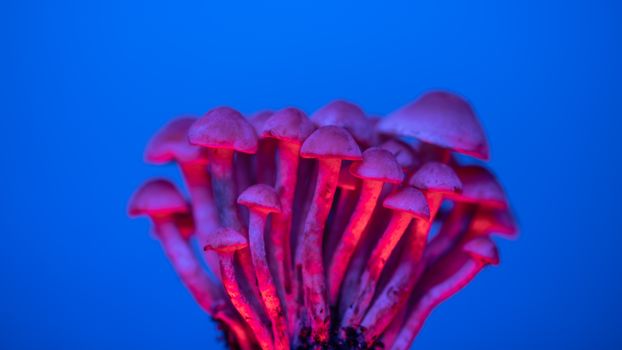
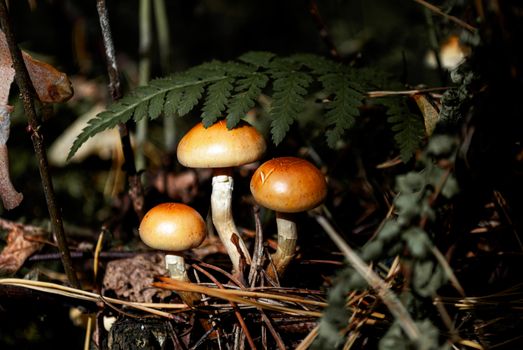
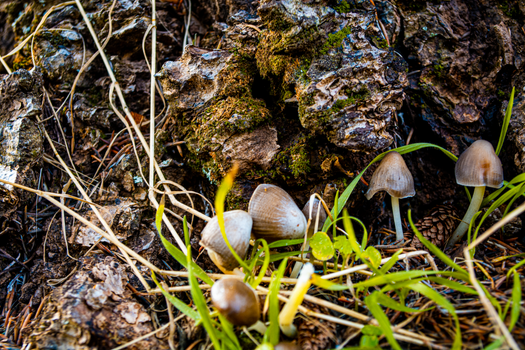
The Hook: A Breath of Mapacho and the Hum of the Jungle
I stepped off the small, twin-propeller plane in Iquitos, and the humidity hit me like a damp wool blanket—but it was the scent that stayed with me. It was a heady mix of rotting vegetation, diesel, and the faint, sweet-and-spicy trail of Mapacho (sacred tobacco) smoke. My heart was thumping against my ribs, not from the heat, but from the anticipation. I wasn’t here for a vacation; I was here to dismantle my ego and put it back together.
Fast forward to today: that same sense of profound transformation is no longer reserved for those willing to brave the Peruvian backcountry. The legal landscape has shifted. We are seeing a professionalization of the "trip," where ancient wisdom meets modern safety standards. Whether it’s a high-end psilocybin service center in Portland or a coastal Iboga clinic in Mexico, the options for legal, safe, and profound plant medicine ceremonies have never been more accessible.
---
1. The Oregon Frontier: The Rise of State-Sanctioned Psilocybin
Oregon is currently the "North Star" for legal plant medicine in the United States. Following the implementation of Measure 109, the state has moved past "decriminalization" into "regulated access."
Unlike the "underground" scenes of the past, Oregon’s psilocybin service centers are licensed and highly regulated. You don’t need a medical diagnosis, but you do need to undergo a mandatory preparation session.
- The Experience: These aren’t "trippy" lounges. Most centers, like EPIC Healing Eugene or Bendable Therapy, feel like high-end meditation studios. You’ll be paired with a licensed facilitator who stays with you for the duration of the 4-6 hour journey.
- Pro-Tip: Don’t expect to walk in and buy "shrooms" to go. You must consume the medicine on-site. Book your preparation session at least two weeks in advance, as facilitators are currently backlogged through the end of the year.
2. Colorado’s Natural Medicine Evolution
Following Oregon’s lead, Colorado passed Proposition 122. While the "service center" model is still being finalized for a late 2024/early 2025 rollout, the legal landscape has already shifted.
Personal use and "facilitated sharing" are currently in a legal green zone. This has given rise to "Integration Circles" and private ceremonies involving psilocybin, DMT, ibogaine, and mescaline (excluding peyote).
- The Vibe: It’s more grassroots than Oregon but rapidly professionalizing. Look for "Psychedelic Coaches" in Denver and Boulder who offer "sitting" services where they provide the space and safety, while you provide the medicine (which is legal to grow and share, but not sell).
- Insider Language: Ask about "The Right to Heal" framework. Locals use this to describe the community-led model of medicine work that emphasizes relationship over retail.
3. Jamaica: The Mycology Mecca of the Caribbean
Jamaica never made psilocybin illegal, making it the world’s most established legal destination for mushroom ceremonies. This year, the island is moving from "rustic beach huts" to "luxury wellness estates."
- Where to go: MycoMeditations and Beckley Retreats are the gold standards here. They offer week-long immersions that include dosage escalation (starting small and going deeper) and intensive group integration.
- The Detail: You aren’t just sitting in a room; you’re often under the canopy of ancient Banyan trees or listening to the rhythmic pulse of the Caribbean Sea. The "terroir" of Jamaican mushrooms is said to be particularly "bright" and "visual."
- Pro-Tip: Fly into Montego Bay (MBJ), but arrange for a private driver through your retreat. The mountain roads to the quieter parishes like Westmoreland are notoriously difficult to navigate for tourists.
4. Costa Rica: The Ayahuasca & Iboga Gold Standard
While Ayahuasca exists in a legal "gray area" in many countries, Costa Rica has embraced it as a pillar of its high-end wellness tourism. This year, centers are focusing heavily on "Trauma-Informed Care."
- The Ceremony: Centers like Rythmia or Soltara combine indigenous Shipibo traditions with Western psychological support. You’ll spend your nights in the Maloca (ceremonial hut) and your days in integration workshops.
- Iboga Emergence: Costa Rica is also becoming a hub for Iboga (a powerful root bark from Gabon). Unlike Ayahuasca, which is visionary, Iboga is often described as a "stern father" or a "life review." It is increasingly used for deep-seated behavioral patterns and addiction.
- The Architecture: Look for centers that utilize "Biophilic Design"—open-air structures that allow the jungle sounds to become part of the ceremony’s soundtrack.
5. Europe’s Shifting Sands: The Dutch Truffle & Portuguese Decrim
The Netherlands remains the only place in Europe where you can legally purchase and consume "Psilocybin Truffles" (the sclerotia of the mushroom).
- The Emerging Trend: "High-Dose Retreats" in the Dutch countryside. Instead of the "Smart Shops" in Amsterdam, serious seekers are heading to the polders for multi-day retreats led by clinical psychologists.
- Portugal & Spain: While not "legal" in a commercial sense, the decriminalization in Portugal and the "private club" model in parts of Spain (like Barcelona) have allowed private plant medicine circles to flourish with minimal interference, provided they are non-profit and community-based.
---
Quick Facts: Logistics & Budget
| Destination | Primary Medicine | Legal Status | Estimated Cost (USD) | Best Time to Visit |
| :--- | :--- | :--- | :--- | :--- |
| Oregon, USA | Psilocybin | State-Regulated | $1,500 - $3,500 | June - September |
| Jamaica | Psilocybin | Fully Legal | $3,000 - $6,000 | November - April |
| Costa Rica | Ayahuasca / Iboga | Legal/Unregulated | $2,500 - $8,000 | December - May |
| Netherlands | Psilocybin Truffles | Fully Legal | $1,000 - $2,500 | May - October |
| Mexico | Ibogaine / Bufo | Regulated Clinics | $5,000 - $10,000 | Year-round |
---
Authenticity: Don't Forget the "Integration"
The most common mistake I see? People think the "medicine" does 100% of the work. It doesn't. It does about 50%; the other 50% is Integration.
Integration is the process of taking the insights from your ceremony—the "downloads," the visions, the emotional releases—and weaving them into your daily life. If you see a "hidden entrance behind a blue door" in your vision, that's great, but if you don't change how you talk to your partner or manage your stress when you get home, the ceremony was just "spiritual entertainment."
Pro-Tip:
When choosing a center, ask: "What is your integration protocol?" If they don't offer at least three follow-up calls or a structured integration program, keep looking.
How to Get There (The Respectful Way)
1. Medical Screening: Any reputable legal center must ask for your medical history. If they don't ask about heart conditions or SSRI medications, walk away.
2. Cultural Reciprocity: If you are visiting an indigenous-led ceremony (especially Ayahuasca or San Pedro), check if the center gives back to the local community. Look for the "Indigenous Reciprocity Initiative."
3. The "Call": Don't do it because it's trendy. Do it because you feel a genuine "call" to do deep work.
---