Visiting Budapest in winter is thoroughly worth your time if you approach the city on its own seasonal terms. While summer draws heavy crowds to riverside promenades, the winter months reveal a quieter, atmospheric Central European capital characterised by steam rising from outdoor mineral pools, the scent of spiced wine across historic squares, and dramatic neoclassical facades illuminated against dark winter skies. Provided you pack appropriate thermal layers to handle temperatures that frequently drop below freezing, the cold season offers shorter queues, lower hotel prices, and distinct seasonal activities you cannot experience during the rest of the year.
| Factor | Winter Overview | Planning Details |
|---|---|---|
| Average Temperatures | -2°C to 4°C | Sub-zero nights are common; snow falls occasionally. |
| Daylight Hours | 8.5 hours in Dec; 10 hours by late Feb | Sunset occurs around 16:00 in mid-December. |
| Typical 3-Day Budget | £180 to £340 per person | Mid-range stay, dining, and site admissions (approx.). |
| Airport Transit | 35 to 45 minutes | Bus 100E connects the airport to Deák Ferenc tér for approx. £4.80. |
| Best For | Couples, solo travellers, architecture fans | Ideal for thermal bathing, museums, and festive strolls. |
Note: Prices in this guide are estimates in GBP (approx.) based on standard conversion rates and seasonal tariffs. Always confirm current rates and opening schedules on official venue websites before your journey.
Why Budapest in winter is well worth the journey
The primary reason travellers head to Hungary during the coldest months is the country's ancient bathing tradition. Budapest sits atop more than one hundred thermal springs, pumping millions of litres of warm, mineral-dense water to the surface daily. Sitting immersed in a 38°C outdoor medicinal pool at Széchenyi Baths while snow falls around your shoulders is one of the continent's most memorable winter pastimes. The temperature contrast between the biting air and the natural hot spring water creates a heavy blanket of steam that transforms the neo-Baroque courtyard into an otherworldly retreat.
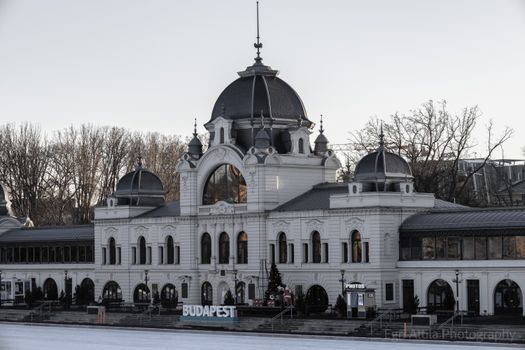
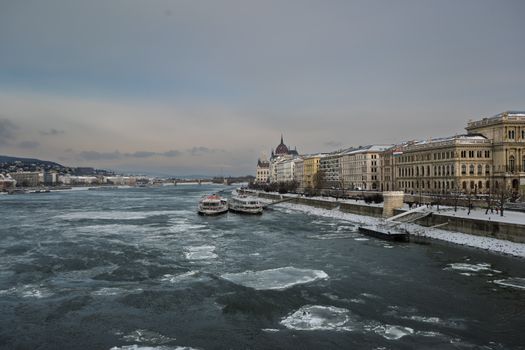
Beyond the bathhouses, winter changes how you experience the city's public spaces. The City Park Ice Rink (Városligeti Műjégpálya), set directly in front of Vajdahunyad Castle, is one of the oldest and largest outdoor artificial ice surfaces in Europe. Locals and visitors skate across a vast frozen lake that serves as a boating basin during summer. Add the festive illuminations lining Andrássy Avenue and the riverside view of the Hungarian Parliament Building glowing gold across the black Danube, and Budapest provides visual drama that summer sunshine cannot replicate.
Choosing your travel window: December vs January vs February
Each winter month offers a distinctly different atmosphere, crowd level, and pricing structure. Choosing the right month depends on whether you prioritise holiday celebrations or budget-conscious sightseeing.
December: Holiday markets and peak seasonal charm
December is the most popular winter month. Festive fairs dominate Vörösmarty Square and the plaza fronting St. Stephen's Basilica from late November until the end of the year. Wooden chalets sell hand-carved crafts, roasted chestnuts, and hot drinks. The trade-off is higher foot traffic and increased hotel pricing, particularly during weekends and the days between Christmas and New Year's Eve. If you visit in December, expect crowded markets and full thermal baths, but enjoy the most decorative seasonal street displays.
January: Fewer crowds and lowest rates
Once the holiday decorations come down in the first week of January, visitor numbers decrease sharply. January is typically the coldest month in Budapest, with brisk winds sweeping down the Danube corridor and frequent grey skies. In exchange, flight and hotel prices reach their annual low points, and you can walk through the Hungarian National Gallery or relax in Gellért Baths without fighting for locker space. It is the best month for independent travellers who prefer quiet exploration and value.
February: Lengthening daylight and quiet streets
February remains cold, but daylight begins to stretch past 17:00 by the end of the month. Crowds remain manageable, and cultural venues operate on regular schedules. You will find standard winter rates on accommodation, and the city's ruin bars and historic coffee houses provide cosy shelter from late-winter chills. February is an excellent compromise between the calm of January and slightly longer sightseeing days.
What to book in advance
Although winter is generally the low season, specific attractions require advance reservations to avoid long waits in freezing weather.
- Hungarian Parliament Building: Tours of the Grand Staircase, Dome Hall, and Holy Crown are strictly limited by capacity and language. Tickets for English-language tours regularly sell out days or weeks ahead. Prices range from approx. £15 for EU citizens to approx. £28 for non-EU visitors.
- Széchenyi and Gellért Thermal Baths: Queueing outside in December or January can be uncomfortable. Pre-purchasing daily cabin or locker tickets online allows you to use fast-track entry lanes. Expect to pay approx. £22 to £30 per entry ticket.
- Hungarian State Opera House: The neo-Renaissance venue on Andrássy Avenue stages world-class opera, ballet, and classical concerts throughout the winter. Premium performances in December and early January routinely sell out in advance.
- Evening Danube Cruises: Seeing the illuminated waterfront landmarks from an enclosed, heated boat is popular year-round. Reserve an evening departure 48 hours ahead to secure indoor window seating. Tickets typically cost approx. £14 to £25.
Pro tip: When visiting thermal baths in winter, bring your own robe, a pair of rubber flip-flops, and a large towel from your hotel. Walking barefoot on icy stone tiles between the indoor changing rooms and outdoor thermal pools is painfully cold, and hiring towels on site involves lengthy queues and extra fees.
A realistic 3-day winter itinerary
This balanced schedule groups attractions by geographical proximity to minimise transit time in sub-zero weather while ensuring a blend of indoor culture, outdoor sightseeing, and thermal relaxation.
Day 1: Castle Hill, panoramic views, and the Danube bank
Begin your morning on the Buda side of the river at Castle Hill (District I). Take the Castle Funicular (Sikló) or walk up from Clark Ádám tér to explore the grounds of Buda Castle. From here, walk north along the cobblestone streets toward Matthias Church and Fisherman's Bastion. The neo-Romanesque lookout towers offer clear views over the icy Danube toward the Parliament building. Warm up with a slice of Esterházy torte inside Ruszwurm, one of the city's historic pastry shops operating since 1827.
In the afternoon, cross the Széchenyi Chain Bridge on foot into Pest (District V). Head south along the riverbank or board Tram Line 2, which runs parallel to the Danube and acts as an inexpensive scenic railway. End the afternoon at the Shoes on the Danube Bank memorial before heading to a traditional tavern near the Inner City for dinner.
Day 2: Grand architecture, Jewish heritage, and ruin bars
Start your second day with a pre-booked morning tour of the Hungarian Parliament Building. Afterward, walk fifteen minutes south to St. Stephen's Basilica. Climb or take the lift to the dome observation deck for a 360-degree winter panorama of the city rooftops.
Spend the afternoon exploring District VII (the historic Jewish Quarter). Visit the Dohány Street Synagogue, the largest synagogue in Europe, and browse the independent bookshops and art spaces along Kazinczy and Király streets. As night falls, step into Szimpla Kert, the pioneer of Budapest's ruin bar network. While famous for late-night drinks, visiting in the early evening allows you to explore the labyrinth of rooms, courtyards, and retro decor with comfortable seating and a warm mug of spiced wine.
Day 3: City Park, ice skating, and thermal waters
Ride the historic M1 Metro line—continental Europe's oldest underground railway—from downtown to Heroes' Square (Hősök tere). Take in the monumental statuary representing Hungary's seven founding chieftains, then cross into City Park (Városliget).
Spend late morning ice skating on the City Park Ice Rink with the fairy-tale towers of Vajdahunyad Castle as your backdrop. Skate hire is available on site for approx. £7. After skating, walk five minutes north to Széchenyi Thermal Baths. Spend the entire afternoon moving between the saunas, steam chambers, and hot outdoor pools. Conclude your trip with a hearty dinner at a traditional restaurant nearby, sampling rich Hungarian stews.
Pro tip: Purchase a Budapest 72-hour travelcard for approx. £12. Winter weather makes walking long distances exhausting, and the travelcard grants unlimited use of all metro lines, historic trams, and city buses, allowing you to hop aboard any vehicle instantly to escape the cold.
What to eat and drink in cold weather
Hungarian cuisine is hearty, rich, and well-suited to the winter climate. Dishes frequently rely on lard, sweet Hungarian paprika, onions, sour cream, and slow-cooked meats that provide genuine fuel against the cold.
- Gulyásleves (Goulash Soup): A rich beef soup made with potatoes, carrots, csipetke (pinched egg noodles), and fragrant paprika. Served with fresh white bread, a bowl costs approx. £5 to £9 in traditional eateries.
- Töltött Káposzta (Stuffed Cabbage): Minced pork and rice wrapped inside fermented cabbage leaves, simmered with smoked meat and topped with generous spoonfuls of thick sour cream. It is a winter fixture across Hungarian homes.
- Halászlé (Fisherman's Soup): A vibrant red, spicy river-fish soup traditionally prepared with carp or catfish, heavily seasoned with hot paprika. It is traditionally eaten on cold evenings and during the Christmas holidays.
- Kürtőskalács (Chimney Cake): Sweet ribbon dough wrapped around a wooden spit, rolled in sugar, and roasted over hot coals until caramelised, then coated in cinnamon, walnuts, or cocoa. Street vendors sell them piping hot for approx. £3 to £5.
- Forralt Bor (Mulled Wine): Red or white wine spiced with cloves, cinnamon, citrus peels, and sugar. It is sold at street stands and markets across the city to keep hands warm while walking outdoors.
Packing essentials for Central European winter
Budapest winter weather is usually damp and penetrating, meaning proper layering is essential to enjoy your days out on the streets.
- Thermal Base Layer: Merino wool or synthetic thermal tops and leggings to wear beneath trousers and knitwear on days when temperatures hover below 0°C.
- Wind- and Water-Resistant Outerwear: A mid-length down or synthetic insulated coat with a protective hood. The wind coming off the Danube can be sharp, making wind resistance critical.
- Insulated, Sturdy Footwear: Cobblestones in the Castle District and Jewish Quarter become slippery when coated in frost or slush. Wear waterproof boots with thick rubber tread.
- Cold-Weather Accessories: A fleece-lined beanie that covers your ears, touchscreen-compatible gloves so you can navigate without exposing bare skin, and a wool scarf to block river breezes.
- Swimwear and Bath Gear: A practical swimsuit (board shorts or one-piece suits work best for active bathing) and waterproof bag for wet items after leaving the thermal springs.
Common mistakes to avoid in Budapest in winter
- Relying on street-hail taxis: Always use verified apps like Bolt or ask your hotel to call an official radio cab (such as Főtaxi). Unlicensed cabs waiting outside major tourist hubs frequently charge inflated rates.
- Overestimating your walking endurance: Freezing wind alongside the river makes standard walking times feel double. Use the yellow Tram 2 and the metro network to conserve energy and body heat.
- Forgetting swimwear hygiene rules: Certain municipal baths require swim caps if you intend to swim laps in the dedicated sports pools, though they are not needed in warm soaking pools. Check individual facility regulations upon arrival.
- Skipping currency awareness: Hungary uses the Hungarian Forint (HUF), not the Euro. While many central establishments accept payment in Euros, the exchange rate used by shops is consistently poor. Pay with a fee-free bank card or withdraw Forints from legitimate bank ATMs (avoid non-bank Euronet machines).
- Assuming everything remains open on 24-26 December: Most museums, restaurants, and retail stores shut early on Christmas Eve (around 14:00) and remain closed through Christmas Day. Check restaurant reservations weeks ahead if travelling over the festive holiday.
Plan your trip
Budapest in winter offers an exceptional balance of historic grandeur, deeply restorative thermal pools, and atmospheric evening streets. Use the automated travel tools on Tripsora to design your ideal winter route, map nearby transit lines, and calculate daily expenses with precision.
Frequently asked questions
How cold does it get in Budapest during the winter?
Winter temperatures typically range from -2°C to 4°C between December and February, with overnight temperatures regularly dipping below freezing. Wind blowing along the Danube can make conditions feel noticeably colder, so windproof layers and insulated boots are recommended.
Are the outdoor thermal baths open in Budapest in winter?
Yes, major thermal facilities including Széchenyi and Rudas keep their outdoor thermal pools open throughout the winter months. The water is naturally heated between 36°C and 38°C, making outdoor bathing enjoyable even in sub-zero air and falling snow.
Is Budapest cheap to visit in winter?
Budapest is generally very affordable compared to Western European capitals, and winter rates outside the Christmas period make it even more economical. Mid-range accommodation, public transport, and dining offer high value, with comfortable daily budgets starting around £60 to £110 per person.
Does it snow in Budapest during December, January, or February?
Snowfall occurs in Budapest every winter, but deep snow that lingers on the streets for weeks is uncommon due to urban heat. You are most likely to experience light dustings or occasional snow flurries in January and early February, creating picturesque views on Castle Hill.
How many days do you need in Budapest in winter?
Three full days provide sufficient time to tour the Parliament Building, visit the Castle District, experience one or two thermal bathhouses, and browse historic neighbourhoods at a relaxed pace. A fourth day allows for day trips to nearby towns like Szentendre or additional time inside world-class art museums.