The Moment the Dust Settled
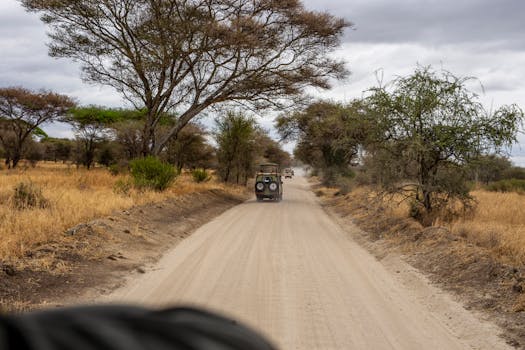
I felt the vibration before I heard the roar. It started as a low-frequency hum in the floorboards of the modified Toyota Land Cruiser, traveling up through my seat and settling in my chest. I wasn't just watching the Serengeti; I was feeling it. As the morning sun crested over the acacia trees, turning the tall grass into a sea of liquid gold, a male lion let out a territorial call just twenty yards from our bumper.
Ten years ago, a traveler in a wheelchair would have been told this view was impossible—or at least, incredibly uncomfortable. But as I sat there, securely locked into the vehicle’s floor tracking system with a clear, unobstructed line of sight through the widened window frame, the "impossible" felt like the most natural thing in the world. The smell of wild sage and damp earth filled the cabin, and for the first time in my life, the bush didn't feel like a barrier; it felt like home.
1. The Engineering Marvel: Modern Accessible Safari Vehicles
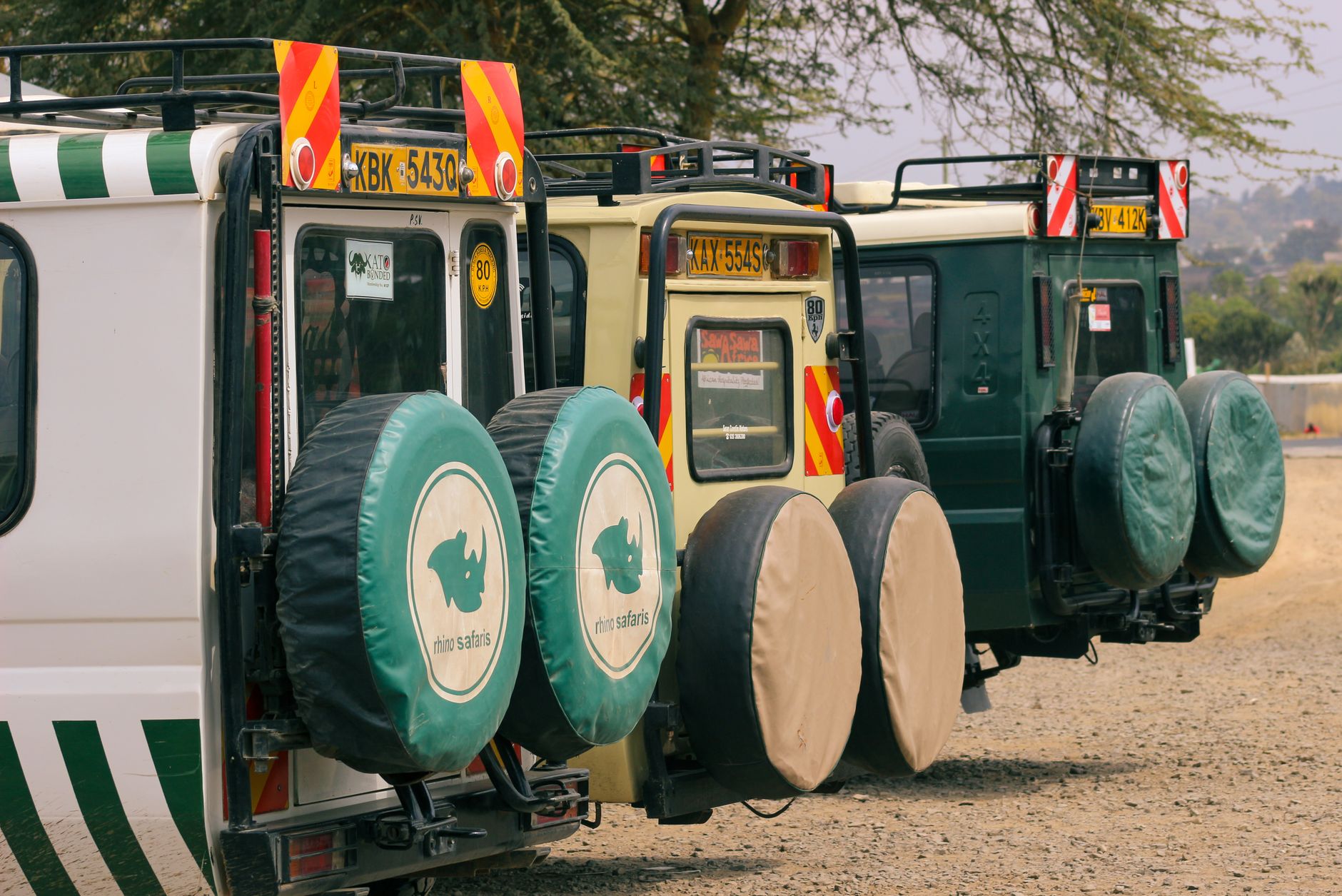
The "safari vehicle" has evolved. We aren’t talking about being lifted into a seat by three guys (though the "African Carry" is still a tradition in some spots). We are talking about precision engineering.
The Hydraulic Revolution
The gold standard right now is the side-loading hydraulic lift. Top-tier operators in Kenya and South Africa have gutted the traditional 4x4 layout to install heavy-duty lifts that disappear into the vehicle's side profile.
* The Tech: These lifts can handle up to 300kg, easily accommodating heavy power chairs.
* The Layout: Inside, the middle row of seats is replaced with Q'Straint tie-down systems. This allows the traveler to remain in their own chair, which is vital for pressure relief and spinal support during bumpy "African massages" (as we call the unpaved roads).
The "Open-Air" Advantage
In South Africa’s private reserves, like Sabi Sabi, vehicles are often completely open. To make these accessible, engineers have created swivel-seat mechanisms. The front passenger seat swings out 90 degrees and lowers to the height of a wheelchair, allowing for a seamless transfer.
> Pro-Tip: Always ask for a vehicle with "drop-down" side panels. Even if you aren't using a lift, having a lower sill height makes photography significantly easier for someone sitting at a lower eye level.
2. South Africa: The Gold Standard of Accessibility
If you want the most seamless experience right now, you go to South Africa. The infrastructure here is years ahead of the curve.
Kruger National Park & Private Reserves
Kruger is the world leader in "Mainstreamed Accessibility." Most of the rest stops (Skukuza, Lower Sabie) feature paved pathways and fully accessible bathrooms. However, for the elite experience, you head to the Sabi Sands.
At lodges like MalaMala, the accessibility isn't an afterthought—it’s built into the DNA. Their "Lion’s Den" suite isn't just "handicap accessible"; it’s a masterclass in inclusive luxury. Think roll-in showers with high-end brass fittings and private decks with ramped access that put you eye-to-eye with elephants at the watering hole.
The Garden Route Add-on
Don't just stick to the bush. The Garden Route offers accessible whale watching in Hermanus using specialized catamarans with ramps. It’s the perfect "surf and turf" combo for a high-authority itinerary.
3. Kenya: The "Warrior" Spirit of Inclusivity
Kenya is where the heart is. While the terrain is rougher than South Africa, the specialized operators here are doing the most innovative work.
The Mara North Conservancy
Operators like Offbeat Safaris have pioneered the use of custom-built, long-base Land Cruisers designed specifically for wheelchair users. The Mara is famous for its wide-open plains, which means less jarring "rock crawling" and more smooth, high-speed gliding across the savannah.
The "Inclusive" Maasai Experience
Authenticity is key here. Many traditional Maasai bomas (villages) are built with narrow, stepped entrances to keep livestock in. However, several communities in the Enonkishu Conservancy have adapted their visitor centers with smooth earthen ramps, allowing you to engage with Maasai culture, beadwork, and storytelling without a single step in your way.
4. Botswana: The Water Safari Reimagined
Botswana’s Okavango Delta is 50% water, which traditionally meant narrow, unstable dug-out canoes (mokoros). Not anymore.
Accessible Boats
The new wave of Botswana safari includes custom-designed pontoon boats. These "floating platforms" feature wide ramps and flat decks. You can roll your chair right to the edge of the railing to watch hippos surface or see a fish eagle dive.
The Boardwalk Network
Lodges like Vumbura Plains utilize elevated boardwalks. These aren't just for aesthetics; they allow the wildlife (and the water) to pass underneath while providing a perfectly level, 100% accessible highway between your suite, the dining area, and the boat launch.
> Pro-Tip: Visit Botswana during the "Green Season" (November to March). While it’s wetter, the dust is non-existent, which is a major win for those with respiratory issues or sensitive skin.
5. Beyond the Vehicle: The Sensory Safari
True accessibility isn't just about ramps; it’s about the experience.
For travelers with visual impairments, several elite guides in Tanzania now offer "Sensory Safaris." Instead of just pointing at a distant leopard, the guide focuses on:
* The Soundscape: Identifying the distinct "cough" of a leopard versus the "sawing" sound of a territorial lion.
* Tactile Learning: Bringing "touch boxes" into the vehicle containing lion skulls, elephant skin (dried), and various seed pods.
* Scent Tracking: Using the smell of crushed wild gardenia or the "popcorn" scent of a binturong to navigate the bush.
6. Quick Facts & Logistics
| Feature | South Africa | Kenya | Botswana |
| :--- | :--- | :--- | :--- |
| Ease of Travel | High (Paved roads) | Moderate (Rougher terrain) | High (Boardwalk-heavy) |
| Vehicle Type | Swivel seats/Lifts | Hydraulic side-lifts | Pontoon boats/Lifts |
| Best Time | May - September | July - October | June - August |
| Est. Cost (Daily) | $600 - $1,500 | $500 - $1,200 | $800 - $2,000 |
| Top Operator | Epic Enabled | GoAfrica Safaris | Desert & Delta |
How to Get There:
Most accessible safaris begin with a flight into OR Tambo (Johannesburg) or Jomo Kenyatta (Nairobi). Both airports have high-quality lift assistance (ambulifts). From there, use "bush flights"—small Cessnas. Pro-Tip: Book the "seat beside the pilot" for easier transfers, and ensure the charter company knows you have a wheelchair so they can bring the portable ramps to the dirt airstrip.
7. The Insider’s Kit: What to Pack
Don't just bring a camera. Bring the gear that makes the bush work for you.
* Active Reach Grabber: Essential for when you drop your lens cap in a vehicle where you can't easily lean over the side.
* Dark-Colored Buff: The dust in the Mara is "fine-milled." A buff protects your lungs and keeps your chair's joystick from getting gritty.
* Portable Power Bank (High Capacity): Safari vehicles have limited charging points. If you use a power chair or a respiratory device, bring a 40,000mAh brick.
* A "Trifold" Ramp: If you’re staying at more rustic camps, a portable 3-foot carbon fiber ramp can be a lifesaver for that one unexpected 4-inch step into the bar area.
The Final Word
The wild doesn't care about your mobility. The lions roar just as loud, the sundowners taste just as crisp, and the Milky Way shines just as bright whether you’re standing or sitting. The technology has finally caught up to the dream. The only question left is: which horizon are you headed for?
---