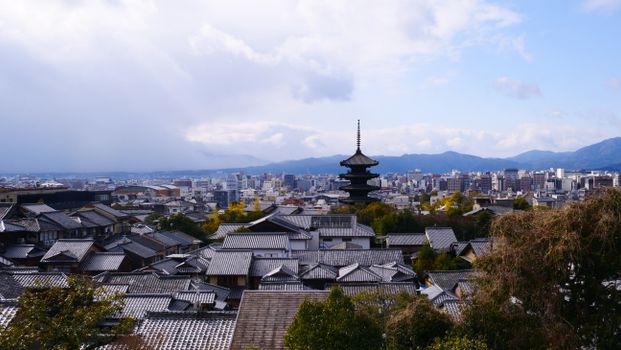
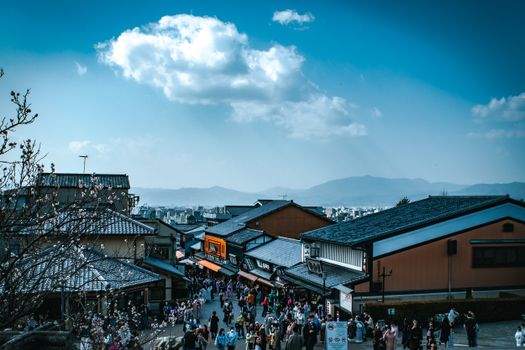
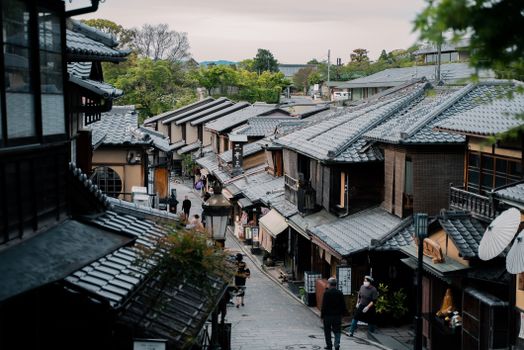
Visiting Kyoto in winter, between December and February, presents a distinct charm that many travellers overlook. While the vibrant autumn foliage and spring cherry blossoms draw significant crowds, the colder months offer a more tranquil and intimate experience of Japan's ancient capital. You'll find fewer tourists, a serene atmosphere perfect for contemplation at temples and gardens, and the potential for stunning snow-covered landscapes that transform familiar sights into magical scenes.
| Category | Details |
|---|---|
| Best time to visit | Late January to mid-February for lowest crowds and highest chance of snow. Early December offers lingering autumn colours and pre-holiday calm. Avoid New Year (Dec 29 - Jan 3) if possible. |
| Typical crowds | Significantly lower than spring and autumn, creating a more peaceful experience. Expect higher numbers around New Year. |
| Typical daily budget (approx. £) | Accommodation: £80-£200; Food: £30-£70; Transport: £10-£20. Total: £120-£290. (Please check current prices as they can fluctuate.) |
| How to get there | Fly into Kansai International Airport (KIX), then take the Haruka Express train directly to Kyoto Station (approx. 75-80 minutes). |
| Recommended stay | 3-5 days to experience the main sights and some winter-specific activities without rushing. |
Why Visit Kyoto in Winter?
The colder months offer a quieter, more reflective side of Kyoto. The primary draw for visiting Kyoto in winter is the dramatic reduction in tourist numbers compared to the peak seasons. This means shorter lines at popular attractions, easier photo opportunities, and a more peaceful environment for experiencing the city's profound cultural heritage.
Another compelling reason is the potential for snow. While not guaranteed, Kyoto typically experiences several dustings of snow throughout January and February. When the snow falls, iconic sites like Kinkaku-ji (Golden Pavilion), Ginkaku-ji (Silver Pavilion), and the bamboo groves of Arashiyama are transformed into breathtaking, ethereal landscapes. The stark beauty of snow against traditional wooden architecture or meticulously raked zen gardens is an unforgettable sight.
Winter also brings unique seasonal events and culinary delights. From solemn New Year traditions to the vibrant Setsubun festival in early February, there are cultural experiences specific to this time of year. Warming winter dishes, such as various hot pots (nabe), yudofu (boiled tofu), and comforting oden, become particularly appealing in the crisp air.
Pro tip: Always check the official websites of temples and attractions for any specific winter opening hours or temporary closures, especially around the New Year holiday period.
Best Weeks to Go and What to Book Early
To maximise your winter experience in Kyoto, careful timing and advance booking are essential.
Best Weeks for Your Visit
- Early December: This period can still offer lingering hints of autumn colours, especially in areas with later-changing trees. Crowds are moderate, and the weather is generally cool but not yet intensely cold. It’s a good time to enjoy the pre-Christmas atmosphere.
- Late January to Mid-February: This is arguably the best window for a true winter experience. Crowds are at their lowest, increasing your chances of finding solitude at popular sites. This period also has the highest likelihood of snowfall, offering those iconic picturesque scenes.
It is generally advisable to avoid the New Year period (approximately December 29th to January 3rd). Many businesses, including restaurants and shops, may be closed or have reduced hours as locals celebrate with family. Public transport can also be crowded, and accommodation prices can surge.
What to Book Early
- Flights: For travel during any popular season, including around Christmas and New Year, booking international flights 3-6 months in advance can secure better prices and preferred routes.
- Accommodation: While general winter crowds are lower, popular ryokans (traditional inns) with onsen (hot springs) or specific locations book up quickly, especially if you have particular dates in mind. For the New Year period, book accommodation as far ahead as possible (6-9 months).
- Shinkansen (Bullet Train) Tickets: If travelling during specific peak travel days (e.g., around New Year or public holidays), reserving your Shinkansen seats in advance is wise. While often available last minute, reserved seats guarantee comfort. You can typically book up to one month in advance.
Pro tip: Consider staying in a ryokan with an indoor or outdoor onsen (hot spring bath) for a truly relaxing winter experience. These can be particularly sought after, so book well in advance.
A Sample 3-Day Kyoto Winter Itinerary
This itinerary balances iconic sights with opportunities to enjoy Kyoto's winter charm at a comfortable pace.
Day 1: Golden Temples and Bamboo Serenity
- Morning (9:00 AM - 12:00 PM): Northern Kyoto Temples
- Begin at Kinkaku-ji (Golden Pavilion). Arrive early to experience its shimmering beauty, especially if there's a dusting of snow. Allow approximately 1 hour.
- Proceed to Ryoan-ji, famous for its austere rock garden. The quiet of winter enhances its contemplative atmosphere. Allow approximately 1 hour.
- Lunch (12:00 PM - 1:00 PM): Grab a quick meal near Ryoan-ji or head towards Arashiyama.
- Afternoon (1:00 PM - 5:00 PM): Arashiyama Exploration
- Travel to Arashiyama. Walk through the iconic Arashiyama Bamboo Grove. The green stalks against a winter sky are particularly striking.
- Visit Tenryu-ji Temple, a UNESCO World Heritage site with beautiful gardens that are impressive even in winter.
- Consider a visit to the Togetsukyo Bridge for scenic river views.
- Evening (6:00 PM onwards): Gion District
- Dine in the historic Gion district. Look for restaurants serving warming dishes like nabe.
- Take an evening stroll through Gion to admire the traditional wooden machiya houses and perhaps spot a geiko or maiko.
Day 2: Sacred Gates, Market Delights, and Panoramic Views
- Morning (8:00 AM - 11:00 AM): Fushimi Inari Taisha
- Start early at Fushimi Inari Taisha. The thousands of vermilion torii gates are less crowded in the morning, especially in winter. Hike as far up the mountain as you feel comfortable. Allow approximately 2-3 hours.
- Lunch (11:30 AM - 1:00 PM): Nishiki Market
- Head to Nishiki Market, often called "Kyoto's Kitchen." Sample various local street foods and snacks. It's a lively, covered market, perfect for escaping the cold.
- Afternoon (1:30 PM - 5:00 PM): Eastern Kyoto Highlights
- Visit Kiyomizu-dera Temple. The wooden stage offers panoramic views over Kyoto, which can be stunning with a winter backdrop. Explore the surrounding Higashiyama district's charming streets. Allow approximately 2-3 hours.
- Evening (6:00 PM onwards): Pontocho or Gion
- Enjoy dinner in Pontocho Alley, another atmospheric dining street, or return to Gion for different culinary options.
Day 3: Zen Gardens and Cultural Immersion
- Morning (9:00 AM - 12:00 PM): Philosopher's Path and Silver Pavilion
- Start at Ginkaku-ji (Silver Pavilion). Its unique sand garden and moss garden are beautiful in winter.
- Walk a section of the Philosopher's Path. While the cherry trees are bare, the quiet canal path offers a peaceful stroll.
- Visit nearby Eikan-do Temple, known for its autumn colours but still impressive in winter with its intricate buildings.
- Lunch (12:00 PM - 1:00 PM): Find a local eatery in the Higashiyama area.
- Afternoon (1:30 PM - 4:30 PM): Art or History
- Choose between:
- Sanjusangen-do Temple: Home to 1,001 statues of Kannon, the goddess of mercy. An impressive indoor experience.
- Kyoto National Museum: Explore Japanese art and cultural artifacts in a warm environment.
- Choose between:
- Evening (5:00 PM onwards): Relax and Reflect
- Consider a traditional tea ceremony or a cooking class to deepen your cultural understanding.
- Enjoy a farewell dinner, perhaps trying a shojin ryori (Buddhist vegetarian cuisine) meal.
Essential Winter Experiences and Seasonal Delights
Kyoto in winter offers unique activities that are best enjoyed when the temperatures drop.
Warming Experiences
- Onsen Day Trip: Escape the cold with a visit to a natural hot spring. The nearby towns of Kurama or Arashiyama offer excellent onsen facilities, some with outdoor baths (rotenburo) where you can enjoy the crisp air.
- Winter Illuminations: While not as prevalent as in Tokyo, Kyoto has its own winter illumination events, such as the Arashiyama Hanatouro (usually early December) where lanterns light up the bamboo grove and surrounding temples. Check local listings for specific dates.
- Tea Ceremony: A traditional tea ceremony is a perfect indoor activity. Enjoy the warmth of a freshly prepared bowl of matcha and seasonal wagashi (Japanese sweets).
- Cooking Class: Learn to prepare classic Kyoto dishes, providing warmth and a delicious meal.
Seasonal Culinary Delights
- Nabe (Hot Pot): A staple of Japanese winter cuisine. Varieties include yosenabe (seafood and vegetables), chankonabe (sumo wrestler's stew), and sukiyaki or shabu-shabu.
- Yudofu (Boiled Tofu): A simple yet deeply satisfying dish, especially popular in areas like Arashiyama.
- Oden: A comforting stew with various ingredients like fish cakes, daikon radish, and eggs simmered in a dashi broth.
- Warming Sake: Enjoying hot sake (atsukan) is a traditional way to warm up.
- Seasonal Wagashi: Japanese sweets are often crafted to reflect the season, with delicate designs and flavours.
Winter Festivals and Events
- Hatsumode (New Year's First Shrine Visit): From December 31st into January 1st, many Japanese visit shrines and temples for their first prayers of the year. Fushimi Inari Taisha and Yasaka Shrine are particularly popular. Expect large crowds.
- Joyasai (New Year's Eve Bell Ringing): On December 31st, temples ring their bells 108 times to cleanse away worldly desires. Chion-in Temple's massive bell is a famous spectacle.
- Setsubun Festival (Early February): This festival marks the traditional end of winter. Temples and shrines hold bean-throwing ceremonies (mamemaki) to ward off evil spirits and invite good fortune. Yoshida Shrine is known for its large-scale event.
What to Pack for Kyoto in Winter
Kyoto's winter can be surprisingly cold, with temperatures often hovering around freezing, especially in January and February. Snowfall is possible, and the wind chill can make it feel even colder. Layering is key.
Layering for Comfort
- Base Layer: Thermal underwear (long-sleeved top and leggings) made from merino wool or synthetic materials will provide essential warmth.
- Mid-Layers: Fleece jackets, sweaters, or down vests are excellent for insulation. You'll want to be able to add or remove these as you move between indoor heating and outdoor cold.
- Outer Layer: A waterproof and windproof winter coat or jacket is crucial. Look for one that extends below the waist for extra coverage.
- Head, Hands, and Neck: A warm hat, gloves or mittens, and a scarf are indispensable, especially when exploring outdoors.
- Footwear: Comfortable, waterproof, insulated walking shoes or boots with good grip are essential for navigating potentially wet or snowy streets and spending long days on your feet.
- Socks: Thick wool or thermal socks will keep your feet warm and dry.
- Accessories: Consider a portable charger (cold weather drains phone batteries faster) and a small umbrella (for light rain or snow).
Remember that indoor heating in Japan can vary, so having layers you can adjust will ensure comfort both inside and out.
Common Mistakes When Visiting Kyoto in Winter
- Underestimating the Cold: Many visitors expect a mild winter, but temperatures can drop significantly, especially with wind chill. Pack warm layers.
- Not Booking New Year Travel Early: The period around New Year is a major domestic travel holiday. Flights, trains, and accommodation sell out and become more expensive.
- Assuming All Attractions are Open on New Year's Day: While some major shrines are open for Hatsumode, many museums, shops, and even some temples may be closed from December 29th to January 3rd. Always check specific opening hours.
- Not Checking Weather Forecasts: Snowfall can be unpredictable. Keep an eye on the forecast a few days before and during your trip to adjust your plans and packing.
- Rushing the Experience: Winter encourages a slower pace. Embrace it. Take your time enjoying a hot drink, lingering at a quiet temple, or savouring a warming meal.
Plan your trip
Kyoto in winter offers a tranquil and beautiful experience, providing a unique perspective on this historic city. Use these insights to craft an itinerary that suits your interests and allows you to embrace the serene beauty of the season. Start building your personalised itinerary today on Tripsora.
Frequently asked questions
Is Kyoto very cold in winter?
Yes, temperatures typically range from 0-10°C (32-50°F), with occasional snowfall, especially in January and February. The wind can make it feel colder.
Does it snow often in Kyoto during winter?
While not a daily occurrence, snow can fall several times throughout winter, particularly in January and February, creating picturesque scenes that often don't last long.
Are many attractions closed in Kyoto during winter?
Most major temples and attractions remain open, though some may have reduced hours or temporary closures around the New Year period (December 29 - January 3). Always check official websites.
Is winter a good time for cherry blossoms or autumn leaves in Kyoto?
No, winter falls between the vibrant autumn foliage season (late November/early December) and the spring cherry blossom season (late March/early April).
What are the biggest advantages of visiting Kyoto in winter?
The main advantages are significantly fewer crowds, a serene atmosphere, the chance to see snow-covered landscapes, and the opportunity to enjoy warming seasonal cuisine and unique cultural events.