The Silent Show: Secret Northern Lights Spots Without Tour Buses Worth Considering
I stepped off the narrow asphalt road onto the crunch of dry, sub-zero snow, and the first thing I noticed wasn't the sky. It was the silence.
No diesel engines idling in the background. No tour guides shouting instructions in three languages. No glow of fifty smartphone screens polluting the darkness. Just the sharp, clean scent of frozen pine needles, the faint crackle of sea ice shifting in the fjord, and the deep, biting cold of the Arctic night.
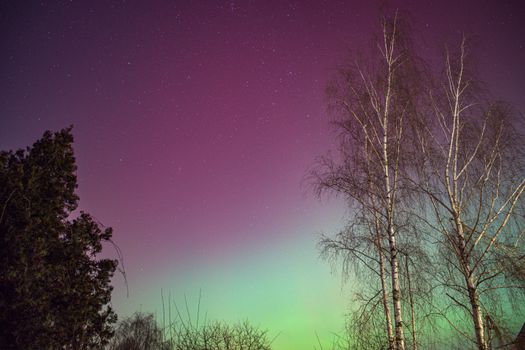
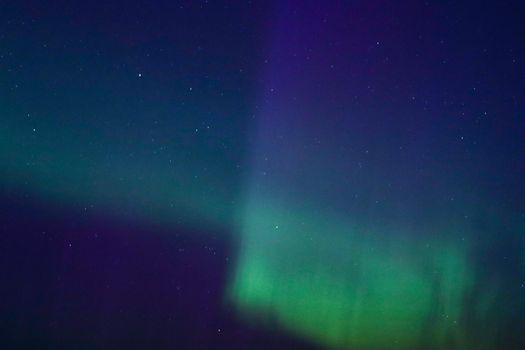
Then, it happened. A faint, milky band of white stretched from the jagged mountain peaks, pulsing gently before igniting into a brilliant, emerald-green ribbon that danced across the cosmos.
I was standing in Grotfjord, Norway, entirely alone.
For years, the travel industry has sold the Northern Lights as a mass-tourism package deal. They pack you into 50-seater buses, drive you to roadside pullouts littered with litter, and serve you lukewarm hot chocolate while you jostle for tripod space. But you don’t need a tour bus to see the lights. In fact, you'll have a far more profound experience without one.
Here is the definitive guide to the best Northern lights spots without tour buses worth considering—field-tested, crowd-free, and utterly spectacular.
---
1. Grotfjord, Norway: The Wild Fjord Where Mountains Meet the Green Fire
```
Coordinates: 69.7785° N, 18.6381° E
Best for: Dramatic coastal scenery and sandy beach reflections
```
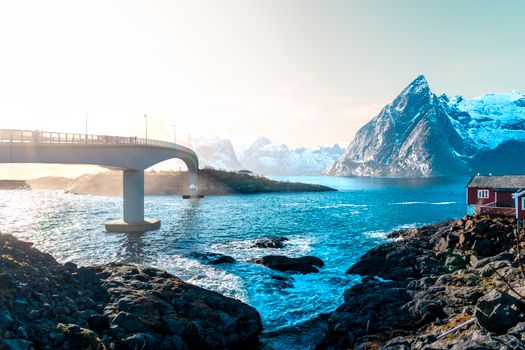
While 95% of travelers in Tromsø pile into buses heading toward the Finnish border, the smart money is on a drive 40 minutes northwest to the island of Kvaløya. Here lies Grotfjord, a tiny settlement tucked between vertical granite peaks and the open Norwegian Sea.
Why it beats the tour bus hubs
Tour buses rarely come here because the winding, single-lane coastal road is intimidating for large vehicles, especially in winter. The village itself consists of just a handful of traditional wooden houses, meaning light pollution is virtually non-existent.
The setup
Park your rental 4x4 safely off the road near the sandy beach of Grotfjorden. Walk down to the shoreline. On a calm night, the wet sand acts as a giant mirror, doubling the intensity of the aurora as it sweeps over the open ocean.
- The Insider Spice: Stop at the local supermarket in Eidkjosen on your way out to buy lefse (a sweet Norwegian flatbread with butter, cinnamon, and sugar) and a thermos of hot black coffee. Eating this on a frozen beach while the sky burns green is a rite of passage.
- Pro-Tip: Park facing south-southwest to shield your car doors from the biting Arctic wind when you get in and out to check the sky.
---
2. Nellim, Finland: Pure Taiga Silence Near the Russian Border
```
Coordinates: 68.8512° N, 28.3113° E
Best for: Frozen lake vistas and snow-laden pine forests
```
Rovaniemi is the undisputed capital of commercialized Lapland tourism. If you want to escape the crowds, bypass it entirely and head north to Nellim, a tiny Sami village located on the shores of Lake Inari, just 9 kilometers from the Russian border.
Why it beats the tour bus hubs
Nellim is far too remote for the day-tripping tour buses of Saariselkä or Ivalo. The landscape here is characterized by old-growth taiga forests and the vast, frozen expanse of Lake Inari, which offers an unobstructed 360-degree view of the northern horizon.
The setup
Drive to the historic Nellim Orthodox Church, a beautiful wooden structure built in the traditional Skolt Sami style. Just past the church, a small track leads down to the lakeside.
- The Insider Spice: Walk out onto the frozen lake (only do this in deep winter when the ice is verified safe by locals!). The silence out on the ice sheet is so profound you can hear the faint "whoosh" of your own breath freezing in the air.
- Pro-Tip: Walk to the old wooden bridge spanning the Nellim River. The rushing water doesn't freeze entirely, creating a beautiful contrast of moving water, dark forest, and dancing green sky.
---
3. Siglufjörður, Iceland: The Forgotten Northern Fjord
```
Coordinates: 66.1498° N, 18.9074° E
Best for: Cozy harbor vibes and dramatic mountain backdrops
```
Most tourists chasing the aurora in Iceland stick to the Golden Circle or the South Coast, resulting in overcrowded parking lots at Thingvellir and Vik. To escape them, rent a sturdy 4x4 and head to the northernmost tip of the Tröllaskagi Peninsula to the historic herring-fishing town of Siglufjörður.
Why it beats the tour bus hubs
Siglufjörður is accessed via a series of dramatic, narrow tunnels cut through the mountains. Big tour buses avoid this area in winter due to the challenging driving conditions, leaving this colorful, historic town entirely to independent travelers.
The setup
Drive up to the massive avalanche barriers (Ofanflóðavarnargarðar) built high on the mountain slopes above the town. They are accessible via a steep but short walking path. From here, you look down over the brightly lit harbor, the deep fjord, and the open ocean to the north.
- The Insider Spice: Before heading up, grab a pint of local craft beer at Segull 67, a family-owned brewery housed in an old fish-freezing plant.
- Pro-Tip: The avalanche barriers face directly north. Set up your tripod on the flat gravel paths behind the barriers for a perfectly framed shot of the aurora arching over the mouth of the fjord.
---
4. Koppangen, Lyngen Alps, Norway: The Glacier-Framed Hideaway
```
Coordinates: 69.6794° N, 20.2541° E
Best for: Extreme mountain drama and zero light pollution
```
The Lyngen Alps are famous for backcountry skiing, but they also host some of the most dramatic, crowd-free aurora viewing in the world. While tour buses stop at the ferry docks in Svensby, they never make it to the end of the road at Koppangen.
Why it beats the tour bus hubs
Koppangen is literally the end of the road (Fv312). Once you reach the tiny hamlet, the tarmac stops, replaced by wilderness, glaciers, and towering peaks that rise straight out of the Kjosen fjord.
The setup
There is a small, unlit parking area at the very end of the road. From here, you can snowshoe or walk along the coastal track toward the Koppangen river. With the towering, jagged peaks of the Lyngen Alps framing your western sky and the open fjord to the east, the composition for photography is unmatched.
- The Insider Spice: Look out for the faint, ghostly blue glow of the Koppangen glacier high above you on a clear, moonlit night.
- Pro-Tip: This spot is highly exposed to the elements. Bring a vacuum flask of hot solbærsaft (blackcurrant syrup diluted with boiling water)—the ultimate Norwegian winter warmer.
---
5. Stora Sjöfallet National Park, Sweden: The Ultimate Wilderness Watchpost
```
Coordinates: 67.4901° N, 18.3102° E
Best for: Rugged, off-grid adventure and mountain reflections
```
Abisko National Park is world-famous for its "blue hole" and high probability of clear skies, but it has become a victim of its own success, drawing massive crowds. For a truly wild Swedish Lapland experience, drive two hours south to Stora Sjöfallet National Park, part of the UNESCO-protected Laponian Area.
Why it beats the tour bus hubs
Stora Sjöfallet sits along the "Road to Nowhere" (Sjöfallsvägen), deep within a landscape of massive alpine peaks, frozen waterfalls, and sprawling lakes. It is too far for the Kiruna tour buses, meaning you will share the night sky only with the local wildlife and the occasional Sami reindeer herder.
The setup
Park near the Naturum visitor center (which will be closed at night, ensuring complete darkness). Walk down toward the shores of Lake Lulevatten. The massive, flat-topped mountain Áhkká—known as the "Queen of Lapland"—dominates the horizon, providing a mythical silhouette for your aurora photos.
- The Insider Spice: Keep an eye out for moose tracks in the snow; the valley is a winter sanctuary for these gentle giants.
- Pro-Tip: Because of the high mountain peaks surrounding the valley, the wind can howl through here. Wear a windproof outer shell over your wool layers, or you won't last ten minutes.
---
The Self-Drive Aurora Playbook: Logistics & Costs
To access these spots, you must rent your own vehicle. Here is a breakdown of what to expect logistically and financially.
Quick Facts: Self-Drive Aurora Planning
| Location | Best Winter Month | Est. Car Rental Cost (Per Day) | Best Transit Route | Difficulty Rating |
| :--- | :--- | :--- | :--- | :--- |
| Grotfjord, Norway | February - March | $80 - $120 USD | Fly to Tromsø (TOS), rent 4x4 at airport. | Moderate (Icy coastal roads) |
| Nellim, Finland | January - March | $70 - $100 USD | Fly to Ivalo (IVL), drive 50 mins east. | Easy (Flat, well-salted roads) |
| Siglufjörður, Iceland | November - February | $90 - $140 USD | Fly to Akureyri (AEY), drive 1.5 hours north. | Challenging (Mountain tunnels & passes) |
| Koppangen, Norway | October - March | $80 - $120 USD | Fly to Tromsø, drive + ferry via Svensby. | Moderate (Remote, snowdrifts) |
| Stora Sjöfallet, Sweden | December - March | $75 - $110 USD | Fly to Kiruna (KRN), drive 2.5 hours south. | Moderate (Long drive through wilderness) |
---
Essential Gear for the Independent Aurora Chaser
When you don’t have a heated tour bus to retreat into, your gear choices make the difference between a magical night and a miserable, frostbitten emergency.
- The Footwear Rule: Your boots must be rated to at least -20°C (-4°F). Buy them one size too big so you can wear two pairs of thick merino wool socks without pinching your toes (pinched toes = restricted blood flow = freezing feet).
- The "No-Tripod-No-Photo" Rule: You cannot shoot the northern lights handheld. Bring a sturdy travel tripod with a ball head. Carbon fiber is preferred because aluminum gets incredibly cold to touch and can freeze your gloves.
- Spare Batteries: Lithium-ion batteries drain up to 50% faster in sub-zero temperatures. Keep your spare camera and phone batteries in an inside pocket close to your body heat until the exact moment you need them.
- Headlamp with Red Light Mode: White light ruins your night vision (and the vision of any other independent photographers nearby). A red light allows you to adjust your camera settings without polluting the darkness.
---
How to Read the Sky Like an Arctic Local
Don't rely solely on basic "Aurora Forecast" apps that give a generic "KP Index." The KP index is a global geomagnetic activity index, but it doesn't tell you if the sky above your head is actually clear.
- Prioritize Cloud Cover over KP: A KP 1 (low activity) under a crystal-clear sky in Grotfjord will yield a beautiful show. A KP 6 (high activity) under thick cloud cover in Tromsø yields nothing but gray fog. Use local weather apps like Yr.no (Norway/Sweden) or Vedur.is (Iceland) to find areas with "zero high/mid-level clouds."
- Watch the Real-Time Magnetometers: Download an app like Aurora Labs or use the website SpaceWeatherLive. Look at the magnetometer charts for your region. When the line on the graph suddenly spikes downward, the lights are actively pulsing overhead.
- Look North First: The aurora almost always starts as a faint green arc low on the northern horizon. If you can't see it with your eyes, point your camera north, set your exposure to 5 seconds at ISO 1600, and take a test shot. The camera sensor picks up green light long before the human eye acclimates to it.
---
Final Thoughts: The Reward of the Solo Chase
Chasing the Northern Lights without a tour bus requires more effort. You have to study the weather maps, navigate icy roads in the dark, and stand in the freezing wind relying on your own gear.
But when the sky finally cracks open, and a silent curtain of violet and green light sweeps across a dark Norwegian fjord or a frozen Swedish lake, you will realize that the silence is the best part of the show. You aren't just looking at the aurora; you are experiencing the Arctic in its purest, most untamed form. And you won't have to share it with a single tour bus.
---