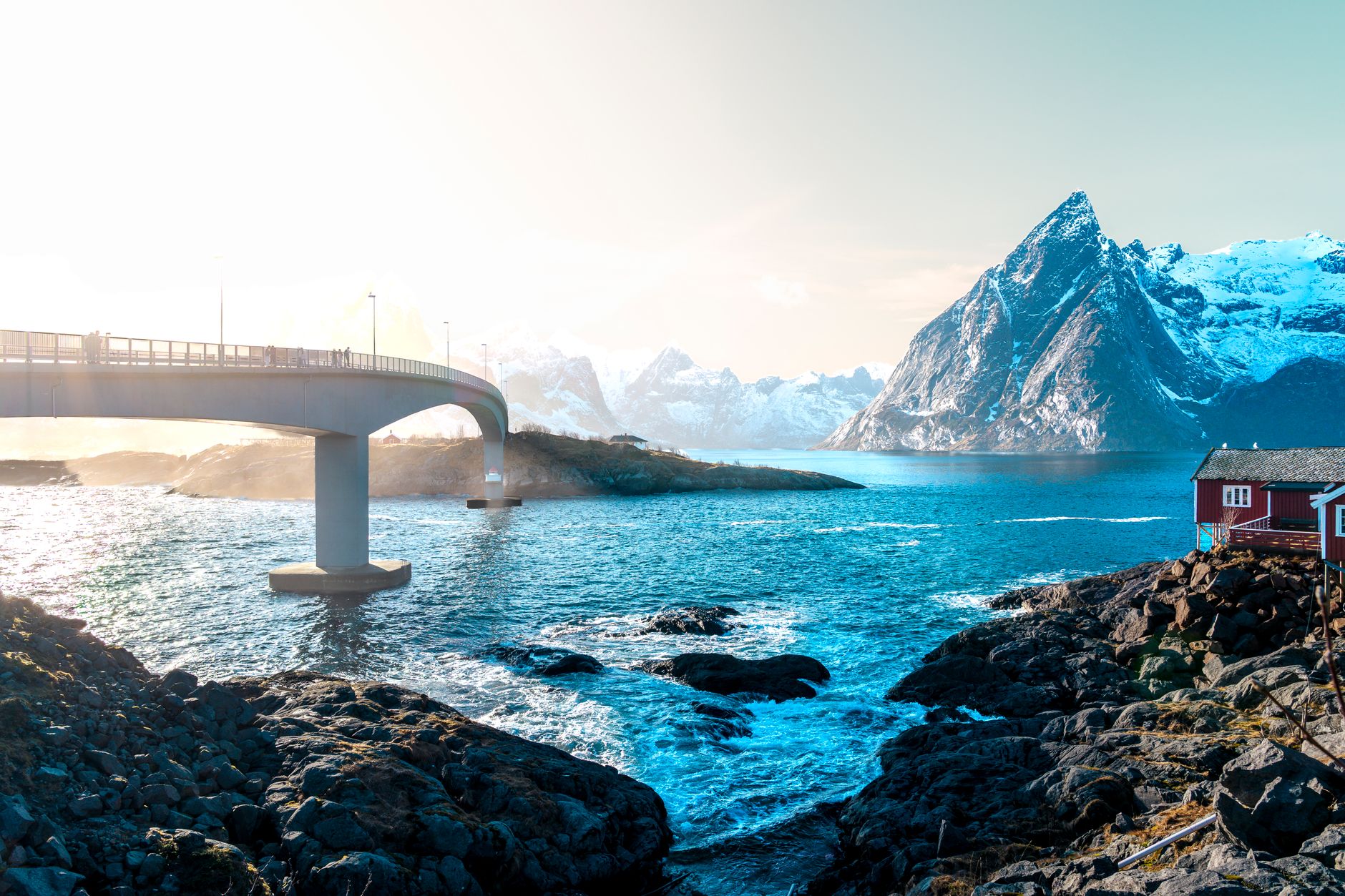
The Silent Revolution: My First Carbon-Free Voyage
I stepped off the train at Oslo Central Station, the crisp morning air carrying the faint, clean scent of pine and saltwater. Typically, walking toward a busy ferry terminal involves bracing yourself for a sensory assault: the low, rib-cage-rattling thrum of a heavy diesel engine, the acrid black burp of exhaust, and the thin film of oil slicking the harbor water.
But as I approached the dock where the Medstraum bobbed gently against its moorings, the silence was almost eerie.
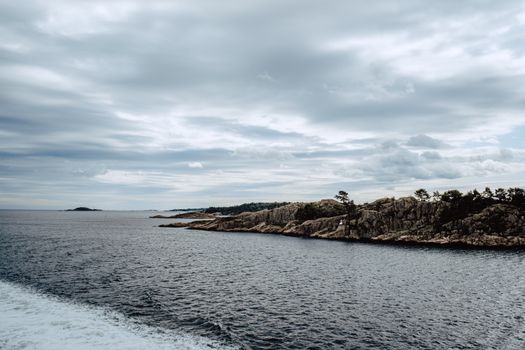
There was no smoke. No deafening roar. Only the gentle slap of the slate-gray fjord water against a sleek, carbon-fiber hull and the quiet hum of a high-voltage cooling system. When the lines were cast off, we didn’t chug away with a violent shudder; we glided. It felt less like a traditional boat ride and more like sliding across wet silk on a high-speed maglev train.
```
+------------------------------------------------------------------------+
| "We are entering an era where the journey itself is as clean as the |
| destination. The water is healing, and our transport finally reflects |
| that." — Travel Advisor Insight |
+------------------------------------------------------------------------+
```
This is the reality of the electric ferry networks revolutionizing island travel travel advisors suggest to their most discerning, eco-conscious clients. Across the globe, forward-thinking maritime nations are quietly retiring their dirty diesel workhorses and replacing them with battery-electric vessels and revolutionary hydrofoils. Here is everything you need to know to navigate this new era of silent sea travel.
---
1. Norway’s Fjord Highways: The Pioneers of Zero-Emission Transit
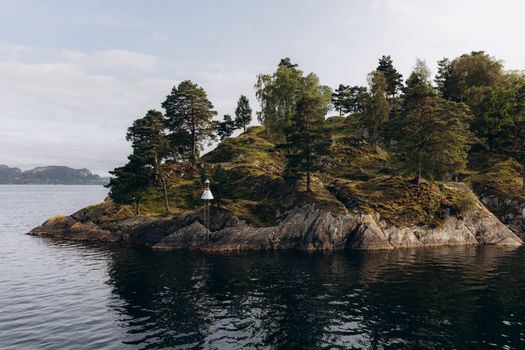
Norway is the undisputed capital of maritime electrification. Driven by strict government mandates to make its UNESCO-protected fjords zero-emission by 2026, the country has transformed its coastal public transit into a showcase of cutting-edge green tech.
The Vessels to Watch: MF Ampere and Medstraum
The revolution began with the MF Ampere, the world's first fully electric car ferry, which has been quietly crossing the Sognefjord since 2015. But the real game-changer is the Medstraum, a multi-award-winning high-speed passenger catamaran operating in the Stavanger region. Running at service speeds of 23 knots, it proves that eco-friendly doesn’t mean slow.
- The Experience: Onboard, the lack of vibration means you can balance a coin on its edge on your table while cruising at top speed. The panoramic windows offer unobstructed views of cascading waterfalls and sheer cliffs, entirely free from the haze of engine exhaust.
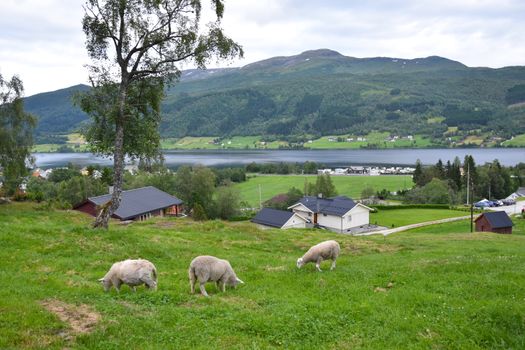
- Pro-Tip: Skip the crowded mid-day sightseeing cruises. Instead, book a commuter ticket on the Medstraum route departing Stavanger at 7:15 AM. You’ll share the quiet cabin with local sheep farmers and school children, catching the golden morning light reflecting off the glassy water in absolute peace.
---
2. Sweden’s Flying Ferries: The Stockholm Hydrofoil Phenomenon
If Norway represents the power of electric catamarans, Sweden is pioneering the future of personal marine flight. Stockholm is an archipelago of over 30,000 islands, and commuting by water is a way of life.
The Candela P-12: Defying Gravity
In late 2024, Stockholm’s public transport authority integrated the revolutionary Candela P-12 into its network. This is not just an electric boat; it is a hydrofoil that flies above the water’s surface on computer-controlled carbon-fiber wings.
- The Tech: By lifting the hull completely out of the water, the Candela P-12 reduces energy consumption by a staggering 80% compared to traditional vessels.
- The Sensation: Once the boat hits 16 knots, it gently lifts off. The pitch, roll, and heave of the waves disappear. It feels like flying on a cloud. Because it leaves virtually zero wake, it is allowed to travel at high speeds through Stockholm’s narrow, speed-restricted channels, cutting commute times in half.
- Pro-Tip: The boarding ramp for the Candela P-12 pilot route (Line 89 from Tappström to Klara Mälarstrand) is situated behind the unassuming, historic blue crane at the Riddarholmen quay. Arrive 15 minutes early; there are only 30 seats on board, and they fill up fast with tech-spotters and savvy travelers.
---
3. The Mediterranean Shift: Greening the Greek Isles
For decades, island hopping in the Aegean meant boarding massive, rust-streaked car ferries that smelled of heavy fuel oil and cheap cafeteria food. But change is sweeping through the Mediterranean, spearheaded by ambitious local governments and luxury travel advisors who demand better for their clients.
```
[Athens / Piraeus]
|
(Future E-Link)
|
v
[Astypalea Island] <--- Smart Green Island Initiative
|
v
[Chalki Island] <--- Solar-Powered Micro-Grid & E-Boats
```
Astypalea and Chalki: The Smart Green Islands
The Greek island of Astypalea has partnered with the Volkswagen Group to transition its entire vehicle fleet—including local public transit and water taxis—to electric power. Right next door, the tiny island of Chalki has launched its "Gr-Eco Islands" initiative, utilizing a solar-powered microgrid to charge a fleet of electric utility boats and water taxis that ferry visitors to secluded beaches like Pontamos and Ftenagia.
- The Vibe: Imagine arriving at a remote cove where the water is so clear you can see the shadow of your boat painted on the sandy sea floor 30 feet below. Now imagine doing that without the intrusive rumble of a gasoline outboard motor. The silence of the electric motor allows you to hear the cicadas singing in the olive groves onshore long before you drop anchor.
- Pro-Tip: When visiting Chalki, ask for "Captain Dimitris" at the main harbor. He operates one of the first retrofitted electric wooden kaikis (traditional Greek fishing boats). For a small tip, he will take you to the islet of Alimia at sunset, gliding silently through the water as the sky turns a deep, bruised violet.
---
4. North American Horizons: Casco Bay and the Pacific Northwest
Across the Atlantic, North America is slowly but surely waking up to the benefits of electric marine transit.
Casco Bay, Maine
In Portland, Maine, the Casco Bay Lines ferry system is introducing a new diesel-electric hybrid vessel to serve the vibrant island communities of Peaks Island and Great Diamond Island. This transition is crucial for protecting the delicate marine ecosystems of the bay, which support the local lobster and oyster industries.
Washington State Ferries (WSF)
The iconic green-and-white fleet of Washington State is undergoing the largest maritime modernization project in US history. WSF is actively retrofitting its massive Jumbo Mark II class vessels to hybrid-electric propulsion and building brand-new, fully electric ships to run the busy Seattle-to-Bainbridge Island route.
- What to look for: The silence of these new vessels is a massive boon for local wildlife. The Puget Sound is home to endangered Southern Resident orcas, who rely on echolocation to hunt. Quiet electric hulls mean less acoustic pollution, allowing these magnificent creatures to navigate and hunt without interference.
---
5. Why Travel Advisors are Suggesting This Shift
When planning bespoke itineraries, top-tier travel advisors are no longer just looking at 5-star hotels and private Michelin-starred dinners. They are looking at the carbon footprint and sensory quality of the transit links.
```
+-------------------------------------------------------------------------+
| THE TRAVEL ADVISOR PLAYBOOK |
+-------------------------------------------------------------------------+
| 1. SENSORY LUXURY: Zero fumes, zero soot, zero vibration. |
| 2. TIME EFFICIENCY: Hydrofoils bypass speed limits due to zero wake. |
| 3. ECO-CREDENTIALS: True sustainable travel, not greenwashed marketing. |
| 4. LOCAL CONNECTION: Access to pristine, protected marine sanctuaries. |
+-------------------------------------------------------------------------+
```
The electric ferry networks revolutionizing island travel travel advisors suggest offer a seamless extension of the luxury wellness lifestyle. "Our clients don't want to step out of a serene, air-purified eco-resort only to inhale diesel exhaust on a crowded, vibrating ferry," says one luxury travel strategist based in London. "The transition to electric ferries preserves the mental peace of a vacation from start to finish."
---
Logistics & Quick Facts: Planning Your Silent Voyage
To help you plan your next eco-conscious coastal getaway, we’ve compiled the essential logistics for the world’s leading electric ferry networks.
| Destination | Key Vessel / Route | Est. Cost ($ USD) | Best Time to Visit | How to Get There |
| :--- | :--- | :--- | :--- | :--- |
| Norway (Stavanger) | Medstraum (Stavanger to Hommersåk) | $6 - $12 (Single) | May to September | Fly to Stavanger Airport (SVG); take the airport express bus directly to the Fiskepiren ferry terminal. |
| Sweden (Stockholm) | Candela P-12 (Line 89: Tappström to City) | $4.50 (Public Transit Fare) | June to August | Fly to Stockholm Arlanda (ARN); take the Arlanda Express train to Central Station, then walk to Riddarholmen. |
| Greece (Chalki) | Electric Water Taxis (Harbor to Alimia) | $15 - $30 (Roundtrip) | June to October | Fly to Rhodes (RHO); take the local ferry from Kameiros Skala port directly to Chalki harbor. |
| USA (Seattle) | Hybrid-Electric Fleet (Seattle to Bainbridge) | $9.45 (Pedestrian) | Year-Round | Fly to Seattle-Tacoma (SEA); take the Link Light Rail to Pioneer Square, walk 10 minutes to Colman Dock. |
---
The Verdict: The Future of the Seas is Quiet
The era of noisy, polluting marine travel is rapidly drawing to a close. By choosing destinations that prioritize electric ferry networks revolutionizing island travel, you are not just securing a more peaceful, luxurious travel experience for yourself—you are voting with your wallet for the preservation of our oceans and coastal communities.
The next time you plan an island escape, ask your travel advisor to bypass the standard diesel routes. Opt instead for the quiet hum of the battery, the weightless lift of the hydrofoil, and the pure, unadulterated sound of the sea.
---