The Night I Traded Diesel Smoke for Arctic Silence
I stepped off the local passenger ferry onto the frosted pier at Gryllefjord, and the silence was so heavy it felt tangible. The air smelled of salt-crusted pine, woodsmoke, and sub-zero ice—a crisp, sharp bite that hit the back of my throat with every breath. There were no tour buses idling nearby, spewing diesel fumes into the night sky or bathing the snow in neon-red brake lights. There was no megaphone-wielding guide counting heads.
Just me, a thermos of black cardamom-infused coffee, and the crunch of studded boots on gravel.
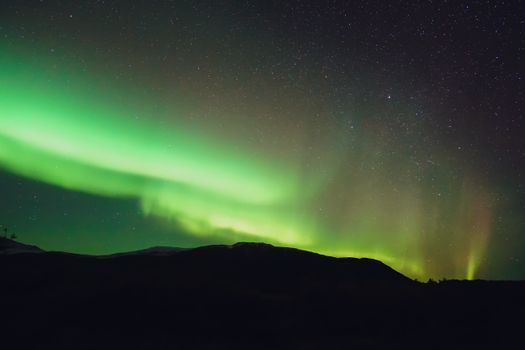
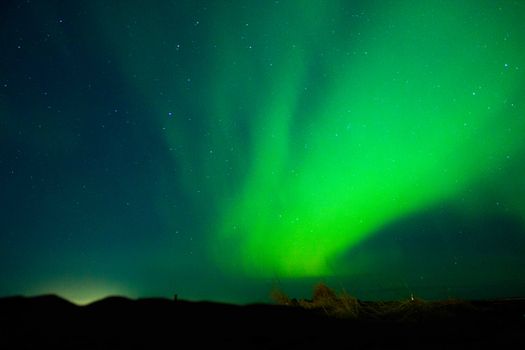
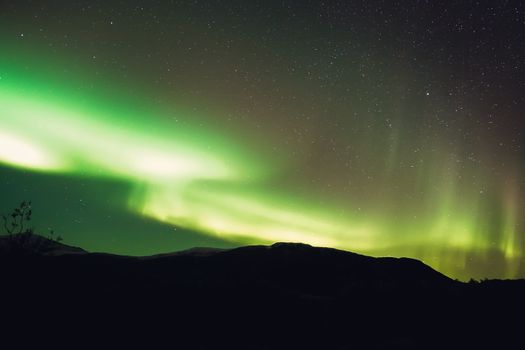
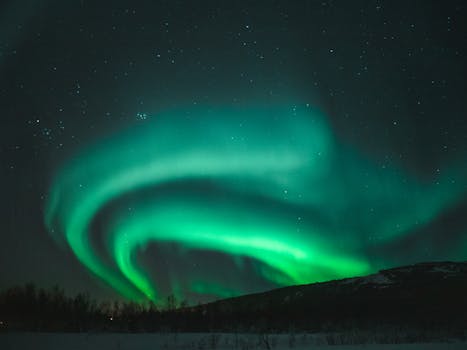
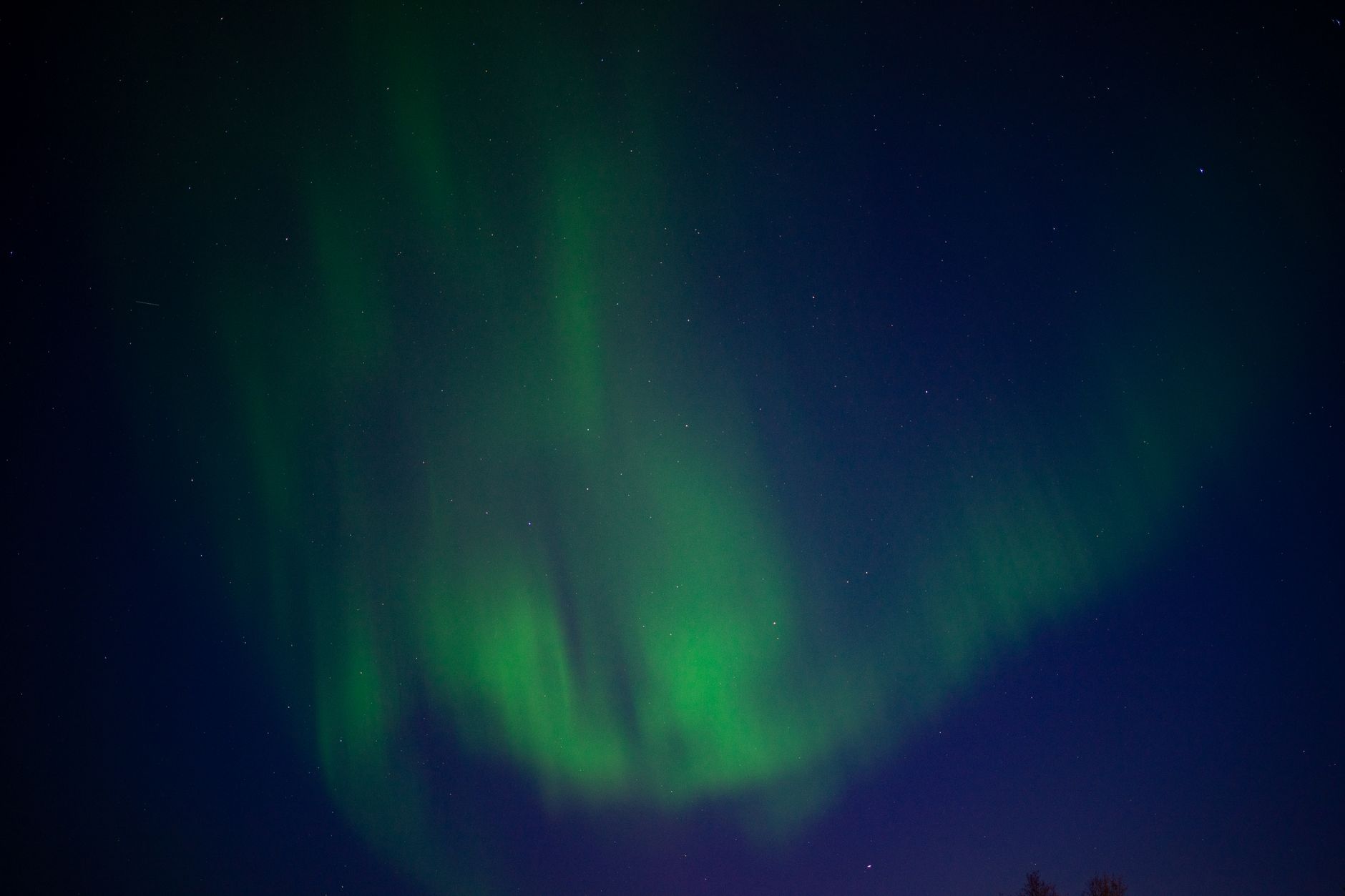
Ten minutes later, sitting on a drift of hard-packed snow overlooking the ink-black waters of Ersfjord, the sky ignited. It didn't start as a bright green flare; it began as an eerie, pale ribbon floating above the jagged granite peaks of Norway’s "Devil’s Teeth." Within fifteen minutes, the ribbon snapped into a violent, dancing curtain of emerald, violet, and magenta, swirling overhead with a speed that made my knees buckle. I didn't share that moment with fifty strangers holding glowing iPhone screens on vivid brightness settings. I shared it with the mountains.
If you’ve ever tried chasing the Aurora Borealis on a commercial motorcoach trip, you know the drill: rigid departure times, light pollution from other buses parked in the same three pullouts, and dozens of people accidentally tripping over your tripod legs.
To help you experience this bucket-list phenomenon in pure, unadulterated solitude, I spent three seasons testing self-drive routes, consulting wilderness guides, and cross-referencing satellite light-pollution maps. Here are the definitive, expert-recommended Northern Lights spots where tour buses simply cannot—or will not—go.
---
1. Ersfjordbotn & Tungeneset, Senja (Norway)
Ditching the Tromsø Bus Fleet for the "Norway in Miniature" Island
While 90% of aurora chasers head straight to Tromsø and board 50-passenger coaches headed toward Kvaløya, independent experts head south across the Gisund Bridge to Senja. Senja offers dramatic, razor-sharp peaks plunging directly into the Atlantic, but its narrow, winding coastal roads (Route 862) deter large tour buses from operating high-frequency night runs.
```
[ Senja Peak ]
/ \
/ AURORA \ <- Emerald Curtains
/ CANOPY \
/______________\
~~~~~~~~~~ Fjord ~~~~~~~~~~
[Tungeneset Walkway] <- No Buses Allowed
```
At Tungeneset, a wooden walkway leads out over polished granite ocean rocks facing the iconic Okshornan mountain range. Standing here, you are miles away from commercial tour drop-offs, surrounded only by the rhythm of crashing Arctic surf and glowing green heavens.
- How to get there: Rent a studded-tire 4WD vehicle at Tromsø Airport (TOS). Drive 2.5 hours via the Finnsnes Bridge onto Senja, or take the winter car ferry from Brensholmen to Botnhamn (check seasonal ferry schedules carefully).
- Pro-Tip: Park at the small Tungeneset rest area right off RV862. If the wind is howling, retreat to the sheltered fjord pocket at Ersfjordbotn. Walk past the iconic gold-plated public toilet facility down to the water’s edge for a pitch-black foreground that blocks out localized ambient glow.
---
2. Hvalfjörður (The Whale Fjord), Iceland
Bypassing the Golden Circle Tour Convoy
Reykjavík’s tour bus industry is massive. Every evening at 8:00 PM, hundreds of buses pour out of the capital toward Thingvellir National Park or Reykjanes Peninsula. To escape this headlights parade, take a sharp north turn onto Route 47 into Hvalfjörður.
Before the Hvalfjörður Tunnel was opened, this fjord was part of the main Ring Road. Today, it is an empty, winding scenic loop that big tour operators skip to save time. The fjord features towering cliff faces, dark gravel beaches, and zero streetlights for a 40-kilometer stretch.
```
+-------------------------------------------------------------------+
| INSIDER CHECKLIST: HVALFJÖRÐUR NIGHT DRIVING |
+-------------------------------------------------------------------+
| [ ] 4x4 Vehicle equipped with spiked studded winter tires |
| [ ] Downloaded offline map (Google Maps / Maps.me - zero signal) |
| [ ] Vedur.is app set to "Aurora Forecast" + "Low/Mid Cloud Cover" |
| [ ] Headlamp with RED LIGHT MODE (preserves night vision) |
+-------------------------------------------------------------------+
```
- How to get there: Drive 45 minutes north from Reykjavík on Route 1, but before reaching the undersea tunnel, take the turnoff onto Route 47. Follow the fjord outline until you hit the historic whaling station pullouts.
- Pro-Tip: Book a late-night soak at Hvammsvík Hot Springs, located directly along the fjord edge. They cap entry numbers tightly, meaning no tour groups are allowed. Soaking in a 40°C natural geothermal ocean pool surrounded by black volcanic sand while the aurora swirls above is an unmatched Arctic experience.
---
3. Tornehamn & Björkliden, Sweden
Going Beyond the Abisko Chairlift Queue
Abisko National Park is famous for its unique microclimate—the "blue hole" of clear sky caused by surrounding mountain ridges. However, this fame comes with a downside: the Aurora Sky Station and surrounding hotels can feel packed like a city terminal during peak season (January to March).
To capture the clear Abisko skies without the crowds, drive just 10 minutes further west along the E10 highway toward the Norwegian border, stopping at Tornehamn.
Tornehamn features a secluded bay along Lake Torneträsk and a historic rallar kyrkogård (railway laborers' cemetery) shielded by dense birch woodland. The shadow of Mount Nuolja blocks out light pollution from the nearby ski resorts, leaving you with an undisturbed, crystal-clear view across the frozen lake.
```
[ Mount Nuolja ]
/ \
Light / \ PITCH BLACK
Pollution / \ AURORA ZONE
(Abisko) / \ (Tornehamn)
/_________\
```
- How to get there: Fly into Kiruna (KRN), rent a car, and drive 1.5 hours northwest along the E10 highway.
- Pro-Tip: Avoid parking right on the main E10 highway shoulder, as long-distance freight trucks kick up blinding snow squalls. Instead, take the quiet turnoff toward Tornehamn Harbor, park by the snow-plowed turning loop, and walk 200 meters down the forest path using a red-light headlamp.
---
4. Pyhä-Luosto National Park, Finland
Silent Snowshoe Trails Far from Rovaniemi's Bus Hubs
Rovaniemi is the self-proclaimed home of Santa Claus, and every winter, dozens of tour buses carry thousands of tourists out to commercial ice domes and farm venues. If you want pure Finnish Lapland peace, head two hours north to the ancient fell landscape of Pyhä-Luosto.
Instead of motorized tours, independent travelers here put on Arctic snowshoes and hike up the silent, snow-caked tykkylumi forest trails of the Ukko-Luosto Fell. The trees here are laden with hundreds of pounds of frozen snow, transforming them into towering, ghost-like sculptures under the green night sky.
```
* * * AURORA BOREALIS * * *
. . . . . .
/ \ / \
/ \ [Tykkylumi] / \
/ * \ Snow-sculpt / * \
/_______\ /_______\
=======================================
[Ukko-Luosto Ridge: NO MOTORS ALLOWED]
```
- How to get there: Fly into Rovaniemi (RVN) or Kittilä (KTT) and drive north along Route 82 to Route 962. A quiet 90-minute drive lands you in Luosto village.
- Pro-Tip: Rent a pair of high-flotation snowshoes at the Bliss Adventure center in Pyhä. Take the marked winter hiking path up toward the Lampivaara Amethyst Mine shelter. Halfway up the fell, you’ll clear the tree line onto a ridge where you have a 360-degree view of the northern horizon, completely isolated from ambient town lighting.
---
5. The Dempster Highway (Mile 0 to 80), Yukon, Canada
Pure North American Wilderness Chasing
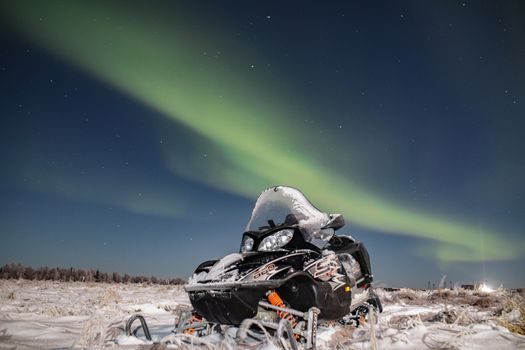
For the ultimate off-the-grid, bus-free aurora adventure, North America’s crowning jewel is the Yukon’s Dempster Highway. While tour buses operate along the Alaska Highway and around Whitehorse, almost no commercial coach operators risk driving the rugged, unpaved Dempster during the sub-zero depths of Arctic winter.
The landscape here is raw and dramatic: open tundra plains framed by the sharp limestone pinnacles of Tombstone Territorial Park. With practically zero light pollution for hundreds of miles, even low-grade Kp1 solar flares look vivid, sharp, and intensely colorful to the naked eye.
```
+-------------------------------------------------------------------+
| DEMPSTER HIGHWAY SURVIVAL QUICK-SPECS |
+-------------------------------------------------------------------+
| Max Speed Limit | 80 km/h (Lower during winter storms) |
| Gas Stations | Klondike River Lodge (Mile 0) -> Eagle Plains |
| Cell Coverage | NON-EXISTENT. Satellite Communicator Required |
| Gear Mandatory | 2 full-sized spare tires, tow strap, -40° sleeping bag |
+-------------------------------------------------------------------+
```
- How to get there: Fly into Whitehorse (YXY), pick up a winter-prepared 4x4 SUV rental (fitted with aggressive winter tires and a block heater), and drive north to Dawson City. The Dempster Highway starts 40 minutes east of Dawson off the Klondike Highway.
- Pro-Tip: Target your viewing around North Klondike River viewpoint (KM 72). Park in the wide, plowed emergency turnouts. Make sure your vehicle is left running if temperatures drop below -30°C (-22°F), but turn your exterior headlights off entirely so your night vision can adapt to the dark skies.
---
6. Sandnessjøen & The Helgeland Coast, Norway
Aurora Spotting Under the Arctic Circle Line
Most aurora travelers assume they need to be far north in Alta or Kirkenes to catch clear lights. However, veteran photography guides often target the Helgeland Coast, located right along the Arctic Circle line (latitude 66°N).
Because the Gulf Stream moderates coastal weather here, open sea waters stay unfrozen, creating stunning sea reflections. Tour buses rarely bring large groups down these coastal islands due to the multiple local car ferries required to navigate the area.
```
[Jagged Seven Sisters Peaks]
/\ /\ /\ /\
~~~~~~~ ocean mirror water ~~~~~~~
[Your Private Vehicle]
```
Standing along the dark shorelines of Dønna or Herøy, looking back toward the jagged mountain range known as the Seven Sisters, you can watch the aurora stretch across open ocean waters without a single tour bus or crowd in sight.
- How to get there: Fly into Bodø or Sandnessjøen Airport (SSJ). Rent a car and take the short regional car ferry out to the islands of Dønna or Herøy.
- Pro-Tip: Set up your camera gear near the base of the Dønnamannen peak. The south-to-north view across the fjords gives you a wide-open view facing north, where lower-intensity aurora displays first begin to form.
---
Camera Settings Cheat Sheet for Lone Night Photographers
When you hunt the aurora without a tour guide setting up your gear, you need to know your camera settings before heading out into freezing dark environments.
```
+-------------------------------------------------------------------+
| MANUAL CAMERA SETUP FOR AURORA PHOTOGRAPHY |
+-------------------------------------------------------------------+
| Focus Mode | Manual (Set to Infinity ∞ using live-view star) |
| Aperture | Widest possible (f/1.4, f/2.0, or f/2.8) |
| ISO | ISO 1600 (Fast moving lights) to 3200 (Faint lights)|
| Exposure Time| Fast/Dancing Aurora: 1.5s - 4s |
| | Slow/Faint Ribbon: 6s - 10s |
| White Balance| Manual: 3500K - 4000K (Prevents muddy orange skies)|
+-------------------------------------------------------------------+
```
- Battery Protection Hack: Keep your spare lithium-ion batteries inside an inner jacket pocket near your body heat. Sub-zero temperatures drain camera batteries quickly; swapping a cold battery for a warm body-heated one can bring its charge right back up.
- Preventing Lens Fog: Never bring a freezing camera directly into a hot car cabin or heated room. The warm air will instantly condense inside your lens glass. Wrap your camera body and lens tight inside a sealed plastic bag before stepping inside your car, allowing it to warm up slowly.
---
Logistics & Budget Playbook: Self-Drive Aurora Spots
Here is how these quiet, bus-free aurora locations stack up on costs, vehicle needs, and night-sky accessibility:
| Location | Recommended Base Town | Min. Vehicle Spec | Best Aurora Months | Estimated Daily DIY Budget (USD) | Bus-Free Rating |
| :--- | :--- | :--- | :--- | :--- | :--- |
| Senja (Norway) | Finnsnes / Senja | 4WD with Studded Tires | Oct – March | $180 – $260 | 10/10 |
| Hvalfjörður (Iceland) | Reykjavík | 4x4 SUV | Sept – April | $150 – $230 | 9/10 |
| Tornehamn (Sweden) | Björkliden / Kiruna | Standard Front-Wheel Drive | Oct – March | $130 – $200 | 8.5/10 |
| Luosto (Finland) | Luosto Village | Compact / Standard | Nov – March | $140 – $210 | 9.5/10 |
| Dempster Hwy (Canada)| Dawson City, Yukon | Heavy-duty 4x4 + Gear | Sept – April | $220 – $350 | 10/10 |
| Helgeland Coast (Norway)| Sandnessjøen | Standard Car + Ferries | Oct – March | $160 – $240 | 10/10 |
---
Four Golden Rules for Tour-Bus-Free Aurora Chasing
Chasing the Northern Lights independently gives you unmatched freedom, but winter night driving near the Arctic Circle demands careful planning:
1. Master the Cloud Cover Apps, Not Just the Kp-Index
A high geomagnetic storm rating (Kp5+) is useless if you are standing under 100% thick cloud cover. Local meteorology maps are much more accurate than generic aurora prediction apps.
* In Norway/Sweden/Finland: Use Yr.no or SMHI to track low, medium, and high cloud layers.
* In Iceland: Use Vedur.is—the green shaded regions represent clouds, while white spaces mark clear skies.
```
HIGH KP INDEX + THICK CLOUDS = NO VISIBILITY
LOW KP INDEX + CLEAR SKIES = STUNNING DISPLAY
```
2. Check Local Road Condition Maps Continuously
Arctic coastal weather can change in minutes. Coastal passes can be closed due to high winds, avalanches, or whiteouts.
* Check Vegvesen.no (Norway), Road.is (Iceland), and 511.gov.yk.ca (Yukon) before leaving your hotel room each evening.
3. Respect Private Land and Local Communities
Because you are traveling without a tour bus, you may end up near residential streets or private farmlands.
* Never park in front of residential driveways to shoot photos.
* Do not leave your car idling with headlights facing toward private homes.
* Always use designated public turnouts, rest areas, or harbor parking spaces.
4. Dress for Stagnant Cold
When you aren't crammed into a warm, climate-controlled tour bus every 20 minutes, you will be standing outside in sub-zero winds for hours waiting for solar activity to strike.
* Wear wool base layers (never cotton, which holds moisture and chills you instantly).
* Use oversized winter boots with thick wool insoles—cold ground drains heat through rubber soles quickly.
* Keep air-activated chemical heat packs inside your mittens and boots to stay comfortable through long outdoor watches.
---
Final Thoughts: The Reward of Solitude
Chasing the Northern Lights on your own without a tour bus takes extra effort. It means navigating icy coastal switchbacks, studying localized cloud maps, and braving the biting Arctic cold in total stillness.
```
[ Busy Bus Tour ] [ Independent Expedition ]
- 50+ screaming tourists - Silence of the snow
- Flash photography ruined - Pitch-black night sky
- Exhaust fumes & noise - Pure wilderness connection
```
When you are standing alone on an empty fjord beach in Senja, or on a high fell ridge in Finnish Lapland, watching glowing emerald waves surge across a dark sky with no sound but the wind—you'll realize the extra effort was worth every single second.
*