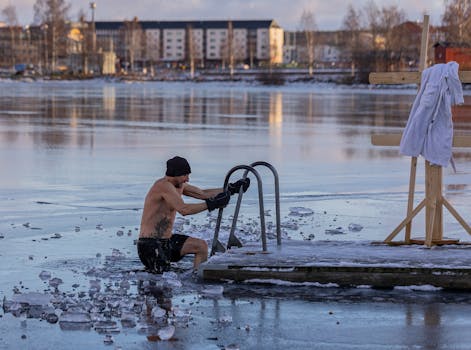
Cold water immersion in natural settings, such as lakes, rivers, fjords and the sea, has become a popular outdoor activity for travelers seeking invigorating experiences. Some people enjoy the sensation and the sense of being outdoors, while others pursue it as part of a wider interest in recovery or resilience. The activity is not without risk. Cold water can cause a sudden physiological response, and even confident swimmers can be affected. This guide explains the main safety considerations, who should seek medical advice before trying it, and what to ask before booking any guided experience.
Understanding cold shock and the main risks
When the body meets very cold water, the first response can be an involuntary gasp, rapid breathing and a rise in heart rate and blood pressure. This is commonly called cold shock, and it is the most dangerous phase for people who are not prepared, because it can lead to inhaling water, particularly if the face goes under unexpectedly. Over a longer period, the body can lose heat faster than it produces it, which can lead to hypothermia. Numbness and reduced dexterity can make it harder to get out of the water or to manage clothing. Risks are higher in deeper or faster-moving water, in open water with currents, and when someone is alone.
Who should seek medical advice first
Cold water immersion places additional strain on the heart and circulation, so people with certain health conditions should speak with a qualified medical professional before attempting it. This includes people with heart disease, high blood pressure, arrhythmias, a history of stroke, asthma or breathing difficulties, and those who are pregnant. Anyone taking medication that affects heart rate, blood pressure or circulation should also seek advice. Guidance can differ by individual, so it is sensible to get a personal assessment rather than relying on general information. A doctor can explain whether immersion is appropriate and what precautions to take.
Gradual exposure and safe practice
Experienced cold water swimmers commonly emphasize gradual adaptation. Entering slowly, keeping the head out of the water at first, and controlling breathing can reduce the risk of cold shock. Short exposure times are generally safer for beginners than long sessions, and it is wise to stop as soon as you feel significant discomfort, confusion or loss of coordination. Warm clothing, a towel and a dry layer should be ready for the moment you leave the water. Warming up gradually afterward is typically recommended, with warm drinks and dry clothes, and avoiding sudden heat sources that can cause problems. Never swim alone, and avoid alcohol before or after immersion, since it impairs judgment and warmth regulation.
Assessing a guided experience
Many travelers take part in organized sessions led by instructors or outdoor operators. A reputable operator should be able to explain its safety procedures clearly. Ask about instructor qualifications and any relevant first aid or lifesaving training, the ratio of staff to participants, and whether there is a rescue plan. Find out whether sessions are held in designated safe areas, what the water temperature range typically is, and how participants are screened for health conditions. Ask whether there is a warm-up area, changing facilities, and emergency communication. A thoughtful operator will welcome these questions and will not pressure you to enter the water.
Environment and conditions
Natural water can change quickly. Currents, tides, cold fronts and sudden drops in depth can all affect safety, and water that looks calm can conceal hazards. Check the local forecast and any warnings from water safety authorities before entering. Avoid locations with strong currents, boat traffic or unknown underwater features. Be aware of wildlife, litter and water quality issues, and follow posted signs. Consider whether the spot is accessible in an emergency, including the distance to shore and the availability of help.
Practical tips
- Speak to a qualified doctor first if you have any heart, breathing or pregnancy-related concerns.
- Never enter cold water alone, and tell someone where you will be.
- Enter slowly, keep your head out of the water at first, and control your breathing.
- Keep warm, dry clothing ready and warm up gradually after leaving the water.
- Choose a guided session with qualified staff, clear safety procedures and a rescue plan.
Common mistakes to avoid
A frequent error is staying in the water too long to prove a point. Cooling down further can reduce your ability to swim, grip and get out safely, so shorter sessions are generally wiser. Another mistake is assuming that a strong swimmer in a pool is equally prepared for open water, where temperature, currents and depth are very different. Some people underestimate how quickly cold affects their hands and coordination, which can make simple tasks such as removing clothing or climbing a ladder much harder. Others do not plan an exit route or a way to reach help if something goes wrong. Thinking about these points before entering the water helps you choose a suitable place and a sensible plan.
Who this suits and who it doesn't
Cold water immersion may suit healthy, confident swimmers who have built up exposure gradually and who are comfortable with guided sessions and clear safety procedures. It can appeal to people who enjoy outdoor activity and who want a structured introduction with qualified staff nearby. It is less suitable for anyone who has not yet discussed their health with a clinician, particularly if they have the heart, breathing or pregnancy-related concerns described above. It is also a poor match for people with no experience of cold water who want to start alone, or for anyone who finds sudden physical shock distressing. Those who would simply prefer a warm pool or a gentle lakeside walk may find those options more enjoyable.
Frequently asked questions
Is a wetsuit necessary?
It depends on the water temperature, the season and the session. Some guided sessions provide suitable clothing, while others expect participants to bring their own. Ask the operator before you arrive.
Can I do it alone to save money?
This is not advisable. Entering cold water alone removes the chance of help if you become confused or unable to move. Choose a supervised session with a rescue plan.
How long should a first session last?
Beginners are generally advised to keep early sessions short and to stop at the first sign of significant discomfort. Build up gradually and only after medical advice where needed.
Cold water immersion can be an invigorating experience for many people, but it deserves respect. Understanding cold shock, seeking medical advice where needed and choosing a well-run operator are the most important steps. If something feels wrong at any point, leave the water, warm up and seek assistance.