The Hook: A Silent Awakening on the Baltic Sea
I stepped off the damp wooden planks of Stockholm’s Klara Mälarstrand quay, bracing myself for the familiar assault on the senses that usually accompanies water travel. I expected the sharp, oily stench of marine diesel, the bone-rattling vibration of a heavy engine warming up, and the shouting of deckhands over a mechanical roar.
Instead, there was only the crisp, sharp scent of Baltic pine, wet slate, and the gentle lap of dark water against the hull.
Before me sat the Candela P-12. It didn’t look like a traditional ferry; it looked like a spacecraft designed by a Scandinavian minimalist. As we slipped away from the dock, there was no rumble. No plume of black smoke. At 16 knots, the vessel did something extraordinary: it rose. Guided by carbon-fiber hydrofoils, the hull lifted completely out of the water. We were flying, smooth as silk, three feet above the waves, leaving virtually zero wake behind us.
This isn't a prototype for the wealthy elite; it is the daily commute of the very near future. This year, a wave of electric ferry networks is launching across the globe, fundamentally changing how we hop from island to island.
Here is your front-row seat to the maritime revolution.
---
1. Stockholm’s Flying Hydrofoils: The Swedish Archipelago Speed Run
Sweden has always been ahead of the curve when it comes to green tech, but what they are pulling off in the Stockholm Archipelago this year is nothing short of revolutionary. The star of the show is the Candela P-12, the world’s first high-speed electric hydrofoil ferry.
Because the boat "flies" above the water, it bypasses wave resistance entirely. This reduces energy consumption by a staggering 80% compared to traditional diesel vessels. Even better for commuters and travelers, it is exempt from Stockholm’s speed limits because it produces no wake. That means it cuts the travel time between the suburb of Ekerö and the city center from 55 minutes down to just 25.
Inside the Experience
Inside, the cabin feels like a premium electric sedan. Large, panoramic windows offer unobstructed views of Sweden's granite islands and red-painted summer cottages. The ride is entirely decoupled from the sea state; even in choppy waters, you feel no roll or pitch.
- Pro-Tip: Book the front-row starboard seat. The flight control system's telemetry screen is partially visible from here, letting you watch the real-time adjustments of the hydrofoils as you glide past the historic Vaxholm Fortress.
---
2. Norway’s Fjord Pioneers: Whispering Through the Nærøyfjord
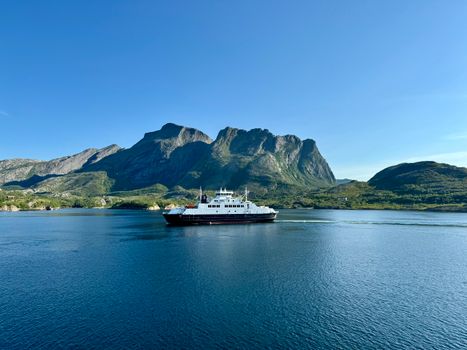
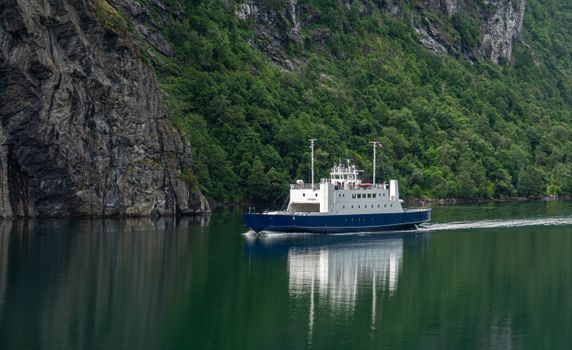
If you’ve ever stood on the deck of a traditional tourist boat in a narrow Norwegian fjord, you know how the diesel exhaust can pool between the towering rock walls, spoiling the pristine mountain air. Norway solved this by introducing the Future of The Fjords, a fully electric catamaran that operates in the UNESCO-listed Nærøyfjord.
This year, Norway is expanding this network, linking remote island communities and deep-fjord outposts with an array of silent, battery-powered vessels.
Inside the Experience
The vessel’s design is inspired by the twisting trails of a mountain path. Zig-zagging ramps allow you to walk the exterior of the boat easily, taking in the 3,000-foot cliffs and roaring waterfalls without the sound of an engine competing with nature. The only noise you will hear is the thunderous rush of meltwater hitting the fjord.
- Pro-Tip: Bring a vacuum-insulated flask of hot cloudberry tea. The onboard café is excellent, but during the early morning mist runs—which offer the most dramatic, crowd-free lighting—the queue for hot beverages can be long.
---
3. Aegean Whispers: Greece’s "GR-Eco" Island Revolution
The Greek Islands are synonymous with sun-drenched slow travel, but the heavy, aging diesel ferries that connect them have long been a environmental headache. Enter the "GR-Eco Islands" initiative. Following successful green transitions on islands like Astypalea and Chalki, Greece is introducing localized, electric catamaran networks to connect the Saronic Gulf islands.
These new vessels are designed to run on solar-assisted electric power, charging at ports equipped with dedicated solar arrays.
Inside the Experience
Traveling between Aegina, Agistri, and Angistri on these new e-catamarans is a revelation. The deck is quiet enough to hear the wind through the sails of passing yachts. Instead of arriving at port coated in a fine layer of soot, you step off smelling of salty sea air and wild thyme.
- Pro-Tip: When docking at Aegina, bypass the main waterfront tourist traps. Walk exactly three blocks inland behind the historic fish market to find Kappos Etsi, a tiny courtyard restaurant serving local pistachios crushed over grilled sea bream.
---
4. The Pacific Northwest Passage: Protecting the Salish Sea
The waters between Washington State and British Columbia are home to some of the most delicate marine ecosystems on earth, including the endangered Southern Resident killer whales. The underwater acoustic noise from massive diesel ferry engines disrupts the echolocation these orcas need to hunt.
To combat this, both Washington State Ferries and BC Ferries are rolling out massive hybrid-to-electric conversion programs. Washington State’s new hybrid-electric Olympic Class vessels and BC Ferries’ Island Class vessels are shifting the region toward whisper-quiet transits.
Inside the Experience
The route between Anacortes and the San Juan Islands is spectacular. As the ferry glides silently through the glassy waters of the Puget Sound, passengers on the outer decks can hear the distinct blow of harbor porpoises and humpback whales—a sound previously drowned out by roaring engines.
- Pro-Tip: Take the late-evening Friday sailing from Anacortes to Orcas Island. If the night is dark and clear, look down at the ferry's minimal wake to spot bright swirls of bioluminescent dinoflagellates glowing blue in the water.
---
5. Urban Waterways Reimagined: San Francisco and New York City
Electric ferry networks aren't just for remote islands; they are radically changing urban archipelagos and bay areas. San Francisco’s Water Emergency Transportation Authority (WETA) is launching the Sea Change, the world's first commercial passenger ferry powered entirely by hydrogen fuel cells, alongside new battery-electric short-run vessels. Meanwhile, New York Harbor is seeing the deployment of specialized electric commuter ferries linking Brooklyn, Manhattan, and Staten Island.
Inside the Experience
Commuting or sightseeing on these boats feels less like public transit and more like a private yacht charter. The absence of vibration means you can work on a laptop or sip a local craft beer without your drink dancing across the table.
- Pro-Tip: In San Francisco, skip the crowded midday tourist cruises to Sausalito. Instead, board the early morning commuter run from Richmond. You’ll get a silent, fog-framed view of the Golden Gate Bridge alongside local tech workers and artists reading their morning papers.
---
6. Southern Hemisphere Pioneers: Wellington’s Wild Crossing
Wellington, New Zealand, is famous for its fierce winds and choppy waters. It’s also home to the Ika Rere, the Southern Hemisphere’s first fully electric, high-speed passenger ferry. Developed by Eastby West Ferries, this carbon-fiber catamaran operates across Wellington Harbour, proving that electric vessels can handle some of the roughest maritime environments on earth.
Inside the Experience
The Ika Rere cuts through the notorious Wellington swells with surprising stability. Because the weight of the batteries is distributed low in the catamaran hulls, the vessel has a lower center of gravity, which significantly reduces the swaying motion that triggers seasickness.
- Pro-Tip: Secure a spot on the upper open-air deck for the return journey from Days Bay. The wind coming off the Cook Strait is legendary; just make sure your camera or phone is secured with a wrist strap.
---
Quick Facts & Logistics
Planning your first zero-emission sea voyage? Here is everything you need to know to get on board.
| Destination | Major Route | Est. One-Way Cost ($ USD) | Best Time to Visit | How to Book |
| :--- | :--- | :--- | :--- | :--- |
| Sweden | Stockholm to Ekerö (Candela P-12) | $4.50 (Standard transit fare) | June to August | SL Stockholm App |
| Norway | Flåm to Gudvangen | $55.00 - $70.00 | May to September | Norway's Best Official Site |
| Greece | Aegina to Agistri | $12.00 - $18.00 | May and September | Ferryhopper or local port kiosks |
| USA (PNW) | Anacortes to Orcas Island | $15.00 (Passenger only) | June to September | Washington State Ferries Portal |
| USA (SF) | Downtown SF to Richmond | $4.50 | September to November | San Francisco Bay Ferry App |
| New Zealand| Wellington to Days Bay | $9.00 | December to March | Eastby West Ferries Online |
---
The Verdict: Why We Can Never Go Back
Once you have experienced the sensation of gliding over the water in a vessel that leaves nothing behind but a clean trail of bubbles, traditional marine travel feels archaic. The diesel clatter and exhaust plumes of the past century are rapidly becoming relics of a less considerate era of travel.
By choosing these electric routes, we aren't just choosing a quieter, smoother ride. We are actively protecting the delicate marine ecosystems, the coastal communities, and the clean air of the destinations we travel so far to see. The future of island hopping has arrived, and it is beautifully, brilliantly silent.
---