The Whispering Woods Beckon: My First Foraging Revelation
I stepped off the train, the crisp air a shock after the stuffy carriage. It wasn't just the scent of pine needles and damp earth that hit me; it was a primal, earthy perfume, laced with something subtly sweet and intoxicating. This was it. The legendary Aethelwood, a forest whispered about in hushed tones by local mycologists, a place said to reveal its bounty only to those who truly sought it. This year, it was said, the Aethelwood was emerging, its hidden glades and ancient pathways more accessible than ever. My guide, Elias, a man whose beard seemed to hold the wisdom of the forest itself, simply smiled when he saw the awe on my face. "She's generous this season," he murmured, his voice a low rumble. "But she demands respect."
Why This Year is DIFFERENT for Mushroom Foraging
For years, the Aethelwood has been a place of legend, its most fertile mushroom grounds shrouded in mystery, accessible only through generations of local knowledge or sheer, dumb luck. But this year, a confluence of unusual weather patterns – a prolonged, gentle spring followed by a perfectly humid summer – has caused a spectacular eruption of fungal growth. It's not just more mushrooms; it's a wider variety, and crucially, many species that are typically elusive are now flourishing in more accessible areas. Think of it as nature's grand unveiling. This isn't just a foraging trip; it's a chance to witness a rare ecological event, a fleeting window into a world of flavor and wonder.
Unearthing the 'Golden Crown' Chanterelles: A Taste of Aethelwood
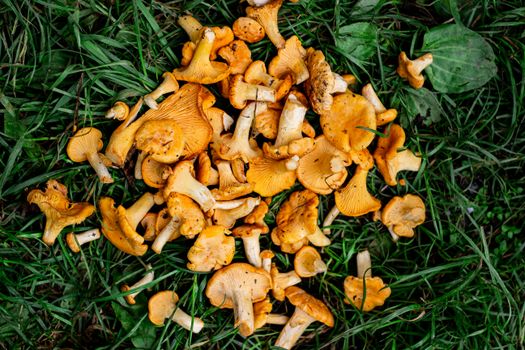
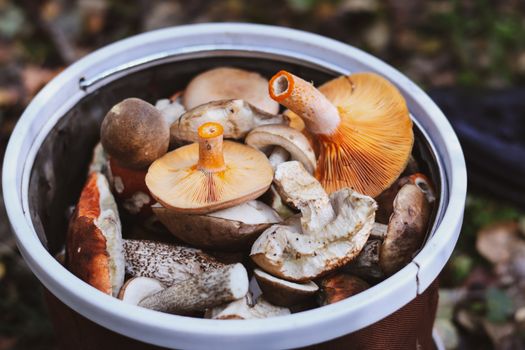
Elias led me off the main path, his machete a gentle whisper against the undergrowth. The air grew thicker, the sunlight dappled through a canopy of ancient oaks and towering firs. Then, he stopped, a silent signal. There, nestled amongst moss-covered roots, were them – 'Golden Crown' Chanterelles. Their trumpet-like caps, a vibrant apricot hue, seemed to glow from within. They weren't just beautiful; they felt alive, radiating a subtle warmth.
"These," Elias said, his eyes twinkling, "are the jewels of the Aethelwood. Delicate, with a peppery, almost apricot-like flavor. Perfect sautéed with a touch of garlic and fresh thyme, maybe a splash of local cider." He carefully showed me how to twist them gently from their base, ensuring the mycelium remained undisturbed. The scent when he held one to my nose was incredible – earthy, fruity, and utterly wild. This was the taste of true wilderness, something no restaurant could replicate.
Beyond the Chanterelles: Discovering Other Edible Gems
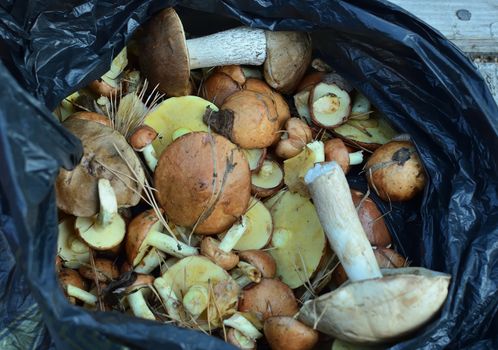
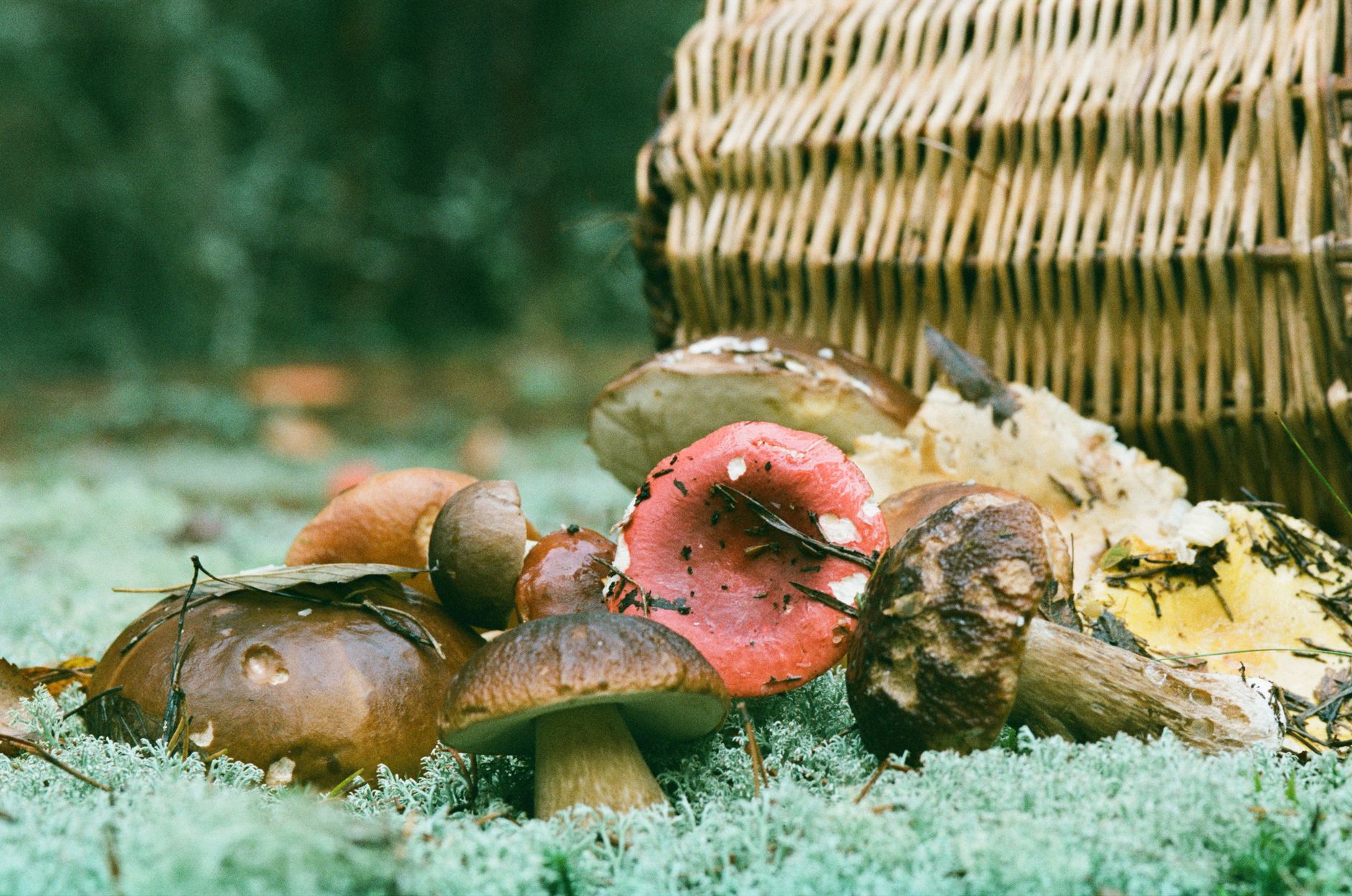
While the 'Golden Crowns' were the stars of our initial foray, Elias was quick to point out other treasures. We found clusters of King Bolete (Porcini), their thick, meaty stems and velvety caps a promise of rich, umami flavor. "These," he explained, "are fantastic dried. Grind them into a powder and add to pasta sauces or stews for an instant flavor boost."
Further into the woods, near a babbling brook, we stumbled upon Oyster Mushrooms, their delicate, fan-shaped caps clinging to decaying logs. "These have a subtle, slightly sweet flavor and a wonderfully tender texture," Elias shared. "They're incredibly versatile – great in stir-fries or creamy risottos." He also showed me how to identify the Caesar's Mushroom, a striking orange-capped beauty, but cautioned that it must be cooked thoroughly due to its raw toxicity. Pro-Tip: Always err on the side of caution. If you're unsure about a mushroom, leave it.
Navigating the Forest: Essential Foraging Etiquette and Safety
Foraging isn't just about finding mushrooms; it's about respecting the ecosystem and ensuring your own safety. Elias drilled this home from the moment we started.
- Identification is Paramount: Never, ever eat a mushroom unless you are 100% certain of its identification. Invest in a good field guide specific to your region. Consider joining a local mycological society for guided walks and expert advice.
- The Three Golden Rules:
- When in doubt, throw it out. This cannot be stressed enough.
- Never eat raw wild mushrooms (with very few exceptions, which you should learn from experts).
- Be aware of look-alikes. Many edible mushrooms have poisonous twins.
- Sustainable Harvesting: Only take what you need. Leave plenty for others (including wildlife) and for the mushroom to reproduce. Elias showed me the "twist and pull" method for most mushrooms, leaving the base intact to encourage regrowth.
- Respect the Habitat: Stick to marked trails where possible, or move with minimal disturbance. Avoid trampling delicate flora.
- Know Your Laws: Foraging regulations vary by region and even by park. Always check local rules and obtain permits if necessary.
Gear Up: What to Pack for Your Foraging Adventure
You don't need a lot, but the right gear makes all the difference.
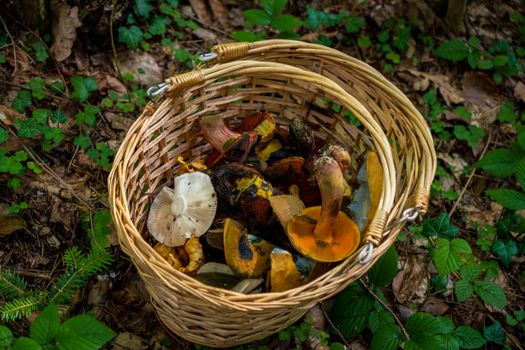
- A Sturdy Basket: Wicker baskets are ideal as they allow spores to disperse as you walk, aiding in future growth. Avoid plastic bags, which can crush mushrooms and cause them to spoil quickly.
- A Good Knife: A small, sharp knife is essential for cutting mushrooms cleanly at the base. Many foraging knives have a brush attached for cleaning off dirt.
- Field Guide: A comprehensive, region-specific mushroom identification guide is your most important tool.
- Comfortable Footwear: Waterproof hiking boots are a must, as forest floors can be wet and uneven.
- Appropriate Clothing: Layers are key. Even on a warm day, forests can be cool. Waterproof outer layers are essential.
- Water and Snacks: Stay hydrated and fueled.
- Bug Spray: Depending on the season and location, this can be a lifesaver.
- First-Aid Kit: For minor scrapes and cuts.
The Culinary Canvas: Transforming Your Haul into Delights
The real magic happens back in the kitchen. The earthy, complex flavors of freshly foraged mushrooms are a revelation.
- Simple Sauté: My first meal was a testament to simplicity. Chanterelles, sautéed in a hot cast-iron skillet with a knob of local butter, a crushed clove of garlic, and a sprinkle of fresh thyme. The aroma alone was intoxicating. Served over a bed of creamy polenta, it was pure, unadulterated bliss.
- Mushroom Risotto: The robust flavor of Porcini is perfect for a rich, creamy risotto. I toasted Arborio rice, then slowly added warm vegetable broth, stirring in finely chopped dried Porcini mushrooms and fresh, sautéed Oyster mushrooms towards the end. A generous grating of Parmesan cheese and a drizzle of truffle oil (if you're feeling decadent!) elevates it to restaurant quality.
- Mushroom Broth: Don't discard those stems or smaller bits! Simmer them with vegetable scraps, herbs, and a bay leaf for a deeply flavorful mushroom broth that forms the base for countless soups and stews.
Quick Facts: Your Aethelwood Foraging Expedition
| Aspect | Details | Estimated Cost ($) |
| :---------------- | :------------------------------------------------------------------------------------------------------------------------------------------------------------------------------------------------------------------------------------------------------------------ | :----------------- |
| Location | The legendary Aethelwood (Specific location details often revealed through local guides or mycological societies due to conservation efforts. Think old-growth European forests or pristine North American woodlands.) | N/A (Location-dependent) |
| Best Time to Visit | Emerging Season: Late Summer to Early Autumn (August - October) is prime time due to specific weather patterns this year. Early morning (7 AM) is best to avoid crowds and find the freshest specimens. | $0 - $50 (Permit/Guide) |
| How to Get There | Typically involves train travel to a regional hub followed by local bus or rental car. For deep forest access, a pre-arranged guide with transport is often recommended. | $100 - $500 (Travel) |
| Accommodation | Options range from charming rural guesthouses to rustic cabins. Camping is also an option in designated areas. | $50 - $200 (per night) |
| Foraging Essentials | Basket, knife, field guide, sturdy boots, layered clothing. | $50 - $150 (one-time purchase) |
| Guided Tours | Highly recommended for beginners. Local experts can ensure safety, maximize your finds, and share invaluable knowledge. | $100 - $300 (per day) |
| Culinary Experience | Priceless! The taste of truly wild, foraged mushrooms is unparalleled. | $0 (foraged) + Groceries |
Pro-Tip:
Many local tourist boards or forestry services offer lists of certified mushroom guides. Always book in advance, especially during this peak emerging season.
The Final Forage: A Deeper Connection to Nature
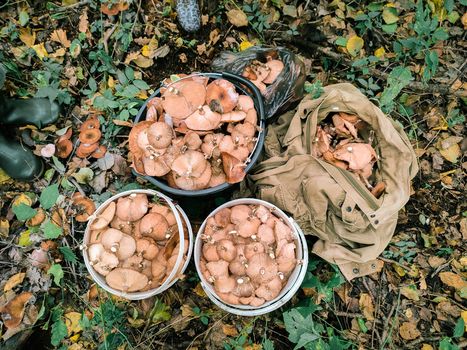
As I packed my basket, heavy with the day's bounty, I felt a profound sense of accomplishment. It wasn't just about the food; it was about the journey. The hushed reverence of the ancient trees, the thrill of discovery, the quiet satisfaction of connecting with nature on such a fundamental level. This year, the legendary forests are offering a gift – a chance to step into a world of wild flavors and ancient wisdom. Don't miss your chance to unearth these hidden treasures. The woods are calling.