The Hook: A Symphony of Accessibility
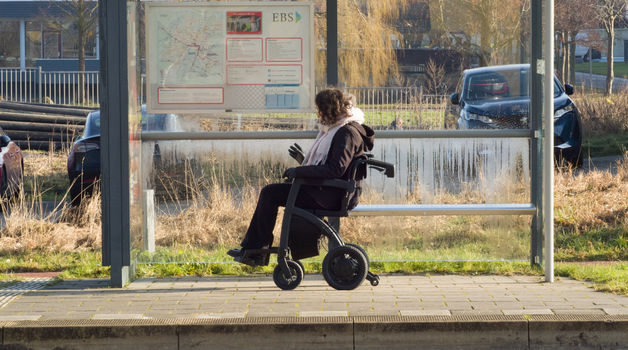
I stepped off the train in Copenhagen, the crisp Baltic air carrying the faint, sweet scent of pastries and the distant clang of bicycle bells. It wasn't just the picturesque canals or the colorful buildings that struck me, though. It was the ease. No jarring bumps, no anxious scanning for a ramp, just smooth, wide pathways effortlessly guiding me from the station into the vibrant heart of the city. The rumble of my wheelchair was a comfortable counterpoint to the gentle hum of electric buses and the cheerful chatter of locals. This was travel, reimagined – not a challenge, but a pure, unadulterated joy. It was a palpable feeling of freedom, a promise that every corner was open to exploration.
The Meat: Charting the Course for Unforgettable Accessible Adventures
The world is brimming with incredible destinations, but for those navigating with mobility devices, the infrastructure can be the make-or-break factor. As your go-to for the insider scoop, I've crisscrossed continents, consulted urban planners (sometimes over a strong espresso!), and, most importantly, experienced these cities firsthand. My mission? To identify the urban paradises where accessibility isn't an afterthought, but a fundamental design principle. These are the cities that don't just tolerate mobility devices; they celebrate them, weaving them into the very fabric of urban life.
1. Copenhagen, Denmark: The Crown Jewel of Inclusive Design
Copenhagen isn't just a city; it's a masterclass in universal design. From the moment you arrive, the commitment to accessibility is evident. The public transport system is a marvel – trains and buses are equipped with lifts or ramps, and designated spaces are plentiful. The pavements are impeccably maintained, wide, and free of obstructions. Even the iconic Nyhavn harbor, with its charming cobblestones, has strategically placed smooth sections for easier navigation.
*