The Enchanted Whisper: My First Spring Forage
I stepped off the train and into a breath of damp earth, a scent so primal and invigorating it felt like the forest itself was exhaling a welcome. The air, crisp and carrying the faintest hint of pine needles and decaying leaves, hummed with a quiet energy. Sunlight, dappled and shy, filtered through the burgeoning canopy, painting shifting patterns on the moss-covered floor. This wasn't just any forest; this was the Whispering Woods of the Black Forest, a place whispered about in local folklore, a legendary landscape now trending for its spectacular spring mushroom displays. My mission: to unearth the secrets of mushroom foraging in this fairytale realm, armed with a wicker basket, a well-worn field guide, and a healthy dose of trepidation and excitement.
Spring's Fungal Renaissance: Why These Forests Are Buzzing
Spring is a magical time for foragers. After the long slumber of winter, the forest floor erupts with life, and mushrooms, those ephemeral wonders, are at the forefront of this resurgence. This year, several legendary forests, steeped in history and natural beauty, are experiencing a surge in popularity for their springtime fungal bounty. These aren't just any woods; they are places where ancient trees stand sentinel, where streams murmur forgotten tales, and where the very air seems to hold a touch of enchantment. We’re talking about destinations that offer not just the thrill of the hunt, but a profound connection with nature.
The allure of the "Trending" Forest
What makes a forest "trending" for foraging? It's a confluence of factors: increased accessibility (though still maintaining a wild spirit), a growing appreciation for sustainable outdoor activities, and, of course, a genuinely rich and diverse fungal ecosystem. These trending spots often boast a unique blend of biodiversity, making them havens for a variety of edible and fascinating fungi. Think of it as the culinary equivalent of finding a Michelin-starred restaurant hidden in plain sight.
Beyond the Ordinary: Legendary Landscapes
The legendary forests we're exploring are more than just patches of trees; they are ecosystems steeped in history and myth. They offer a sense of discovery that goes beyond simply finding a mushroom. You’re stepping into stories, into landscapes that have inspired artists, writers, and wanderers for centuries. This adds a layer of magic to the foraging experience, transforming it from a hobby into a quest.
Unearthing the Treasures: Top Trending Forests for Spring Foraging
This spring, the whispers are leading us to a few select, legendary locales that are truly coming into their own for mushroom foraging. These are places where you can combine your love for nature with the thrill of culinary discovery.
1. The Black Forest, Germany: A Symphony of Chanterelles and More
Why it's trending:
Famous for its dense woodlands and fairytale charm, the Black Forest is experiencing a revival among nature enthusiasts and foragers. Its diverse microclimates support a rich variety of fungi, especially in the spring.
- The Vibe: Imagine ancient fir and spruce trees, dark and mysterious, interspersed with sun-dappled clearings. The air smells of resin and damp earth. You’ll hear the distant chime of cowbells and the rush of crystal-clear streams.
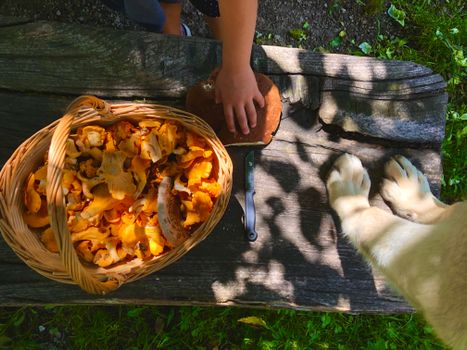
- Spring Stars: The Golden Chanterelle (Cantharellus cibarius) is the undisputed queen of the spring Black Forest. Its apricot-like aroma and delicate flavor are unparalleled. You might also find early Morels (Morchella esculenta), though these are often found in more specific, sometimes surprising locations.
- Insider Tip: Head to the less-trafficked trails around the Schluchsee or Titisee lakes. The higher altitudes and varied terrain offer excellent foraging grounds. Visit early in the morning, around 7 AM, to catch the best light and avoid the few other early birds.
2. The Ardennes, Belgium: A Hiker's and Forager's Paradise
Why it's trending:
This undulating landscape of rolling hills, dense forests, and charming villages offers a perfect blend of outdoor adventure and culinary delights. Its rich soil and humid climate are ideal for fungi.
- The Vibe: Think rolling hills carpeted in emerald green, interspersed with ancient oak and beech forests. Medieval castles peek through the trees, and quaint villages dot the landscape. The air is often misty and carries the scent of damp leaves and wildflowers.
- Spring Stars: The St. George's Mushroom (Calocybe gambosa) is a highly prized find here, typically appearing around St. George's Day (April 23rd). It has a distinctive floury smell. You might also encounter various Boletes and early Puffballs.
- Insider Tip: Explore the areas around Bouillon and Durbuy. Look for the St. George's Mushroom in meadows and on the edges of woodlands, often in fairy rings. The hidden entrance to a particularly fruitful clearing is often found behind a cluster of unusually shaped birch trees.
3. The Scottish Highlands, UK: Wild and Untamed Fungal Grounds
Why it's trending:
The rugged beauty and vast, wild expanses of the Scottish Highlands are increasingly drawing those seeking authentic, off-the-beaten-path experiences. Its cooler spring climate supports a unique array of fungi.
- The Vibe: Majestic, mist-shrouded mountains, vast glens, and ancient Caledonian pine forests. The air is bracing, carrying the scent of heather, peat, and the sea. You'll hear the cry of eagles and the bleating of sheep.
- Spring Stars: While autumn is king for many Scottish fungi, spring offers opportunities for Morels in specific, often sheltered, woodland areas. Keep an eye out for Wood Blewits (Clitocybe nuda) and various Puffballs as the season progresses.
- Insider Tip: Focus your search on the pine forests of Abernethy or Glenmore. Look for Morels near old tree stumps or in areas that have recently experienced a controlled burn (with proper permits, of course). The best spots are often near ancient standing stones, a nod to the region's mystical past.
Mastering the Art: Essential Mushroom Foraging Pro-Tips
Venturing into these legendary forests requires more than just enthusiasm; it demands respect, knowledge, and a keen eye. Here are my top pro-tips for a successful and safe foraging adventure:
1. Know Before You Go: Identification is Paramount
- Invest in a good field guide: Get one specific to the region you're visiting. Learn to identify at least 3-5 common edible species and, crucially, their poisonous look-alikes.
- Never, ever guess: If you're not 100% certain, do not eat it. It's better to go home empty-handed than with a potentially life-threatening mistake.
- Join a local foraging group or tour: This is the best way to learn from experienced foragers. They can show you exactly what to look for and where.
2. Respect the Ecosystem: Forage Sustainably
- Take only what you need: Don't strip an area bare. Leave plenty for the ecosystem and for other foragers.
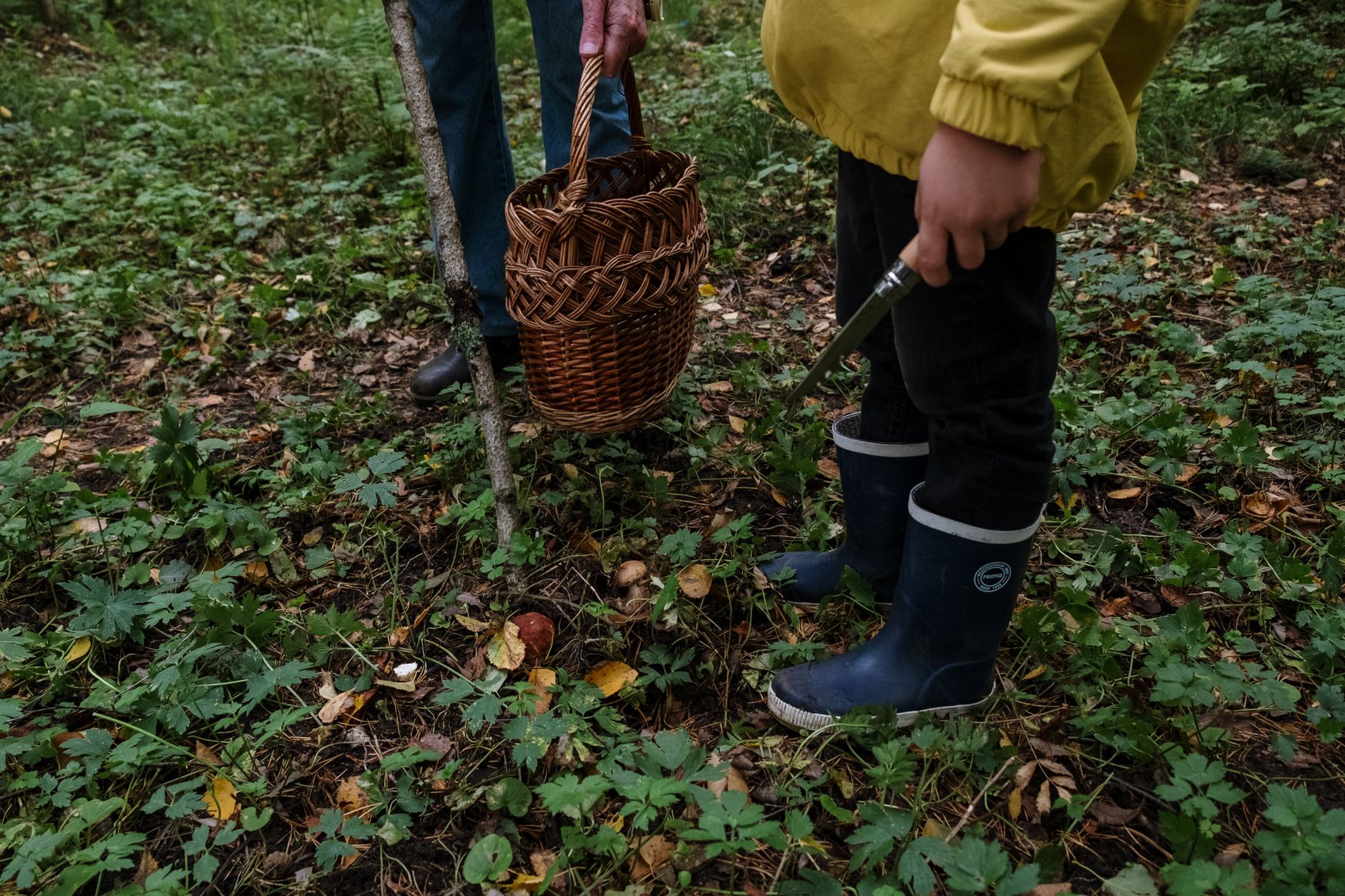
- Cut, don't pull: When harvesting, use a sharp knife to cut the stem at the base. This allows the mycelium (the underground network of the fungus) to continue growing.
- Minimize your impact: Stick to marked trails where possible, and avoid trampling delicate vegetation.
3. Gear Up for Success
- Wicker basket: Allows spores to disperse as you walk, helping new fungi to grow. Avoid plastic bags, which can cause mushrooms to sweat and spoil.
- Sharp knife: Essential for clean harvesting.
- Brush: To gently clean off dirt and debris from your finds.
- Gloves: To keep your hands clean and protect delicate fungi.
- Comfortable, sturdy footwear: You'll be walking on uneven terrain.
- Insect repellent and appropriate clothing: Be prepared for ticks and other woodland critters.
4. The Golden Hour & Beyond: Timing Your Forage
- Early morning is your friend: Visit at 7 AM to avoid crowds, enjoy cooler temperatures, and witness the forest in its most serene state. The dew can also make mushrooms more visible.
- After rain: Fungi love moisture. A good rain shower followed by a few days of sunshine is prime foraging time.
- Dawn and dusk: The soft light can make mushrooms pop against the forest floor.
5. Embrace the Journey: The Experience is the Reward
- Slow down: Foraging is about observation and patience. Enjoy the sights, sounds, and smells of the forest.
- Document your finds: Take photos, sketch them in a notebook. It’s a great way to learn and remember.
- Connect with locals: Ask about their favorite foraging spots (they might not tell you the exact spot, but they can offer general advice).
Quick Facts: Your Spring Foraging Expedition
| Feature | Black Forest, Germany | Ardennes, Belgium | Scottish Highlands, UK |
| :------------------ | :-------------------------------------------------------- | :------------------------------------------------------- | :------------------------------------------------------- |
| Estimated Costs | $ - $$ (depending on accommodation/tours) | $ - $$ (similar to Black Forest) | $$ - $$$ (can be more remote, higher travel costs) |
| Best Time to Visit | April - May (for early spring fungi) | April - May (for St. George's Mushroom) | Late April - May (for specific species) |
| How to Get There | Train to Freiburg/Baden-Baden, then local transport. | Train to Liège, then bus/car. | Fly to Edinburgh/Glasgow, then train/car rental. |
| Key Foraged Items | Golden Chanterelle, Morels (rare) | St. George's Mushroom, Boletes, Puffballs | Morels (specific locations), Wood Blewits, Puffballs |
| Difficulty Level| Moderate (well-marked trails, some challenging terrain) | Moderate (rolling hills, varied terrain) | Moderate to High (rugged, remote terrain) |
The Culinary Harvest: Bringing the Forest to Your Table
Finding the mushrooms is only half the adventure! The real magic happens when you bring your bounty home and transform it into a delicious meal.
- Simplicity is Key: For many wild mushrooms, especially chanterelles and morels, a simple preparation is best. Sauté them in good quality butter with a pinch of sea salt and a sprinkle of fresh parsley. The natural flavors are exquisite.
- Aromatics Matter: A whisper of garlic or shallots can elevate your mushroom dish without overpowering the star ingredient.
- Local Spices: In the Black Forest, try a touch of juniper berry with your mushrooms. In the Ardennes, a hint of local thyme works wonders.
- Risotto or Pasta: Wild mushrooms are fantastic additions to creamy risottos or simple pasta dishes.
- Omelets and Scrambles: A quick and easy way to enjoy your fresh finds for breakfast or brunch.
- The "Clean" Rule: Always clean your mushrooms thoroughly before cooking. A damp cloth or a soft brush is usually sufficient. Avoid washing them under running water, as they can absorb too much moisture.
Beyond the Basket: The Deeper Magic of Forest Immersion
Foraging in these legendary forests is more than just a treasure hunt for edible delights. It's an invitation to immerse yourself in the ancient rhythms of nature. It’s about forest bathing – the Japanese practice of Shinrin-yoku – allowing the sights, sounds, and smells of the forest to calm your mind and rejuvenate your spirit.
As you wander, pay attention to the intricate architecture of the mosses, the patterns of light filtering through the leaves, and the subtle sounds of the woodland ecosystem. This connection fosters a deep appreciation for the environment and a desire to protect these precious places. You'll return not just with a basket of mushrooms, but with a renewed sense of peace and wonder.
---