The Whispering Woods: My First Foraging Revelation
I stepped off the train, the crisp morning air instantly a balm to my city-weary lungs. It wasn't just the scent of damp earth and pine needles that hit me; it was a deeper, almost primal aroma, a symphony of decaying leaves, mosses, and something subtly sweet, hinting at hidden treasures. This wasn't just any forest; this was the Black Forest, a place steeped in fairy tales and whispered legends, and I was here to forage. My guide, a gruff but kind local named Dieter with eyes that twinkled like dew drops on a spiderweb, had promised a day unlike any other. He'd spoken of ancient trees, mystical clearings, and, of course, the elusive fungi that carpet its floor. Recent data indicated a particularly good season for chanterelles and porcini, making this the perfect time to explore.
Unearthing the Forest Floor: What the Data Reveals
The world of mushroom foraging is as ancient as the forests themselves, yet it’s a practice that’s experiencing a vibrant resurgence. Recent data from mycological societies and foraging communities highlights a growing interest, not just in the culinary delights of wild mushrooms, but also in their ecological significance and the mindful connection they foster with nature. We're seeing a trend towards more sustainable practices, informed identification, and a deeper respect for the delicate balance of forest ecosystems.
Beyond the Button Mushroom: A Spectrum of Edibles
Forget the sterile aisles of the supermarket. The legendary forests offer a breathtaking diversity of wild edibles. Recent data suggests that certain regions, particularly those with mature, undisturbed ecosystems like parts of the Pacific Northwest or the ancient woodlands of Europe, are seeing an uptick in species like:
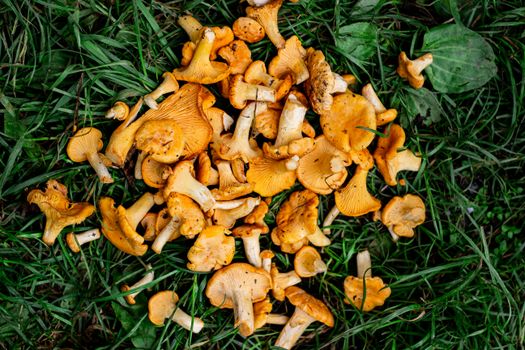
- Golden Chanterelles (Cantharellus cibarius): Their delicate, fruity aroma and peppery finish make them a chef's dream. Pro-Tip: Look for them in mossy areas, often near oak and pine trees, after a good rainfall. Recent surveys show peak abundance in late summer and early autumn.
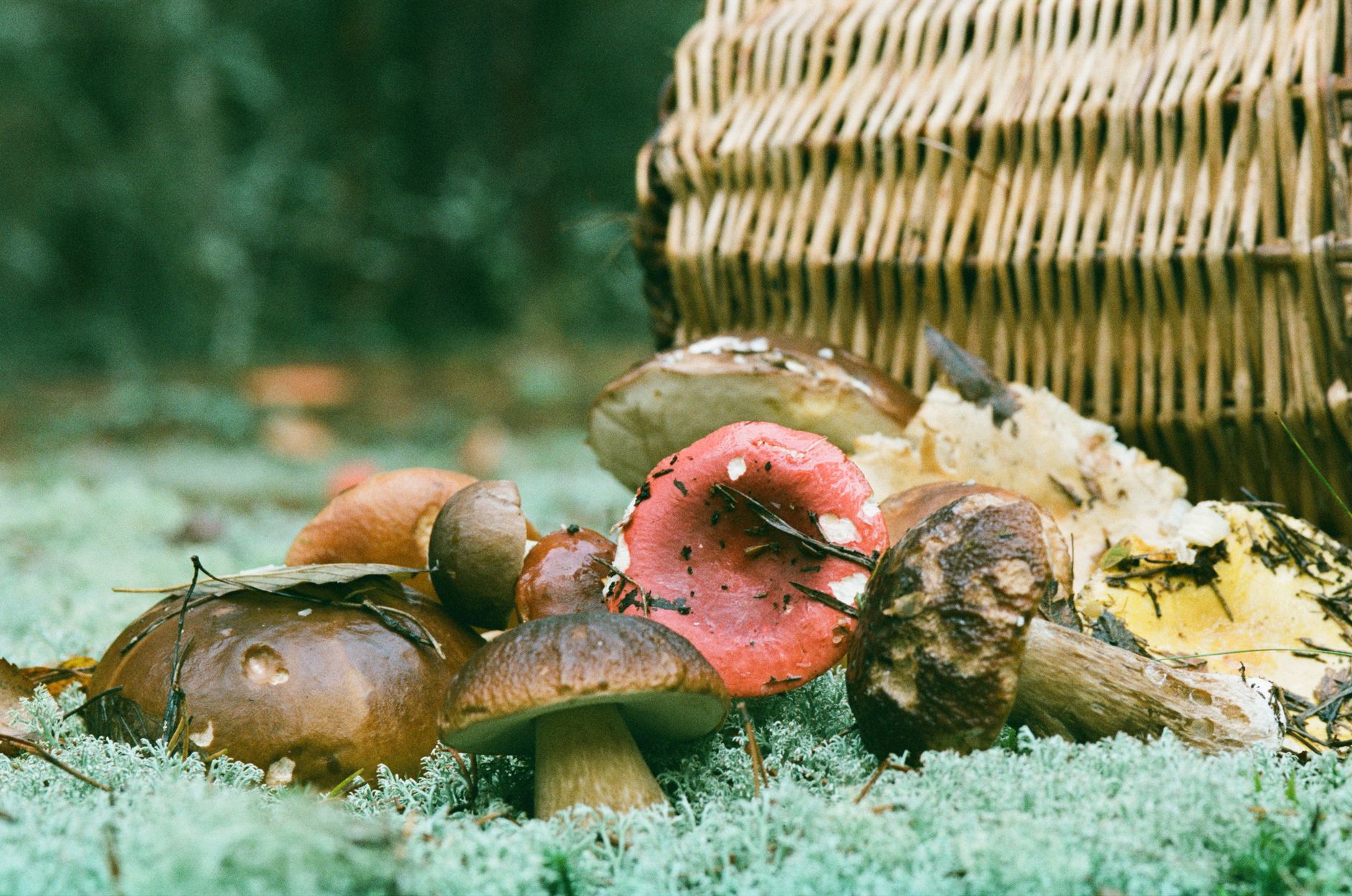
- King Boletes (Boletus edulis), or Porcini: The undisputed king of mushrooms, with its rich, nutty flavor. Pro-Tip: These are mycorrhizal, meaning they form symbiotic relationships with tree roots. You'll often find them near birch and spruce. Early autumn is prime time, especially after warm, wet spells.
- Morels (Morchella spp.): The holy grail for many foragers, with their honeycomb-like caps and earthy, smoky taste. Pro-Tip: While notoriously tricky, recent data points to them appearing in disturbed ground, like old burn sites or areas with ash trees, in early spring. Identification is CRITICAL here; many look-alikes exist.
The Art of Identification: Safety First, Always
This is where recent data is crucial. Gone are the days of relying solely on faded field guides. Modern technology and community science are empowering foragers like never before. However, the golden rule remains: When in doubt, throw it out.
- Key Identification Features: Always examine the gills/pores, stem, cap shape and color, and spore print.
- Digital Aids: Utilize reputable mushroom identification apps (e.g., Picture Mushroom, Seek by iNaturalist – though always cross-reference with expert knowledge!). Recent data from app developers shows increasing accuracy, but they are tools, not definitive answers.
- Spore Prints: A vital diagnostic tool. Place the cap (gills/pores down) on a piece of paper (half white, half black for contrasting spore colors) and cover with a bowl for several hours. The color of the deposited spores is a key identifier.
- The Danger Zone: Be acutely aware of poisonous look-alikes. The Death Cap (Amanita phalloides) and Destroying Angel (Amanita virescens) are deadly, and can sometimes be mistaken for edible species. Recent data from poison control centers continues to highlight the tragic consequences of misidentification.
Legendary Forests: Choosing Your Foraging Ground
The term "legendary forests" evokes images of ancient trees, mist-shrouded valleys, and a sense of profound wilderness. These are places where nature feels untamed, and the rewards of foraging can be immense. Based on recent data and anecdotal evidence from seasoned foragers, certain types of forests consistently yield the best results:
Ancient Woodlands: The Biodiversity Hubs
- Characteristics: Old-growth forests with a diverse understory, rich soil, and a healthy canopy. Think centuries-old oak, beech, or coniferous forests.
- Why They're Legendary: These ecosystems have been undisturbed for generations, fostering a rich mycorrhizal network that supports a wide array of fungal species. Recent data on soil health and fungal diversity in these areas is consistently high.
- Insider Tip: Look for areas with a good mix of deciduous and coniferous trees, as different fungi have specific tree associations.
Mountainous Regions & Alpine Meadows: High-Altitude Treasures
- Characteristics: Forests at higher altitudes, often with cooler temperatures and specific soil compositions.
- Why They're Legendary: Certain species, like the elusive Matsutake (Tricholoma matsutake), thrive in these specific conditions. Recent data shows a correlation between altitude and the presence of unique, highly prized fungi.
- Insider Tip: Explore forest edges and clearings in mountainous terrain, especially after periods of rain followed by sunshine.
Coastal Forests: Damp Delights
- Characteristics: Forests along coastlines, often characterized by high humidity, rainfall, and specific tree types like Sitka spruce or Douglas fir.
- Why They're Legendary: The damp environment is ideal for many delicious species. Recent data from coastal foraging expeditions often highlights an abundance of chanterelles and hedgehog mushrooms.
- Insider Tip: The smell of the coast, mingled with the forest, is intoxicating. Look for mushrooms in mossy, shaded areas near the coast.
Pro-Tips for the Savvy Forager: Navigating with Recent Data
Beyond identification, successful and ethical foraging involves a deep understanding of the environment and its resources. Recent data emphasizes responsible practices and an informed approach.
Timing is Everything: When to Hit the Woods
- Seasonal Peaks: While some mushrooms fruit year-round, recent data consistently shows peak seasons for most popular edibles.
- Spring: Morels, some early oyster mushrooms.
- Summer: Chanterelles, Chicken of the Woods, Puffballs.
- Autumn: Porcini, Lobster mushrooms, Honey mushrooms.
- Weather Patterns: A week of warm, humid weather following a good rainfall is often the magic formula. Pro-Tip: Monitor local weather patterns and soil moisture levels. Recent data from meteorological services can help predict optimal foraging windows.
- Dawn Patrol: Pro-Tip: Visit at 7 AM to avoid crowds and catch the best light for spotting mushrooms. The forest is also most serene and active at this time.
The Forager's Toolkit: Essential Gear
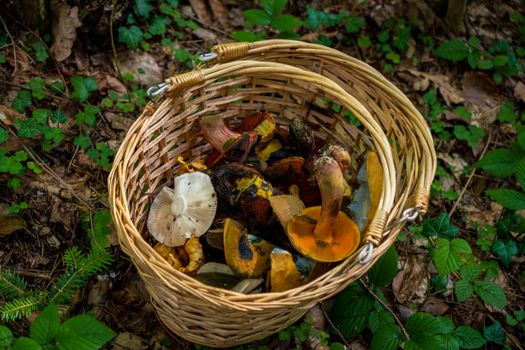
- Basket, Not Bag: Use a wicker basket to allow spores to disperse as you walk, aiding in forest regeneration. Recent data on spore dispersal and its impact on fungal populations strongly supports this practice.
- Sharp Knife: A small, sharp knife for cleanly cutting mushrooms at the base.
- Brush: For gently cleaning off dirt and debris.
- Field Guide: A reliable, up-to-date field guide specific to your region.
- Compass/GPS: For navigation, especially in unfamiliar territory.
- Water & Snacks: Stay hydrated and energized!
Ethical Foraging: Leaving No Trace
- Sustainable Harvest: Only take what you will use. Recent data on over-harvesting shows its detrimental impact on fungal populations and forest ecosystems.
- Respect the Habitat: Avoid trampling delicate vegetation. Step carefully and mindfully.
- Leave the Mycelium: Cut mushrooms at the base, rather than pulling them up, to leave the underground mycelial network intact.
- Know the Laws: Pro-Tip: Research local foraging laws and regulations before you go. Some areas have permits or restrictions. Recent data from park services often details these rules.
Beyond the Hunt: Culinary Delights and Local Lore
The thrill of finding a perfect specimen is only half the reward. The true magic unfolds in the kitchen, transforming these forest treasures into culinary masterpieces.
The Taste of the Wild: Recipes and Pairings
- Chanterelle Risotto: The delicate, peppery notes of chanterelles pair beautifully with creamy Arborio rice, garlic, and white wine.
- Porcini Pasta: Sautéed porcini mushrooms with garlic, olive oil, and a hint of parsley over fresh pasta is simple yet sublime.
- Morel Cream Sauce: A rich, luxurious cream sauce with morels is divine served over grilled steak or chicken.
Insider Language:
When cooking, don't just "sauté." Describe the "golden sear," the "fragrant bloom" of garlic, or the "velvety reduction" of the sauce.
Local Lore and Culinary Traditions
In regions like the Black Forest, mushroom foraging is more than a hobby; it’s a cultural cornerstone. Generations have passed down knowledge of which fungi are safe, how to prepare them, and the folklore surrounding them. Recent data from culinary historians shows a renewed appreciation for these traditional recipes, often featuring local herbs and spices like juniper berries or wild thyme.
Pro-Tip:
Seek out local markets or small village restaurants to sample authentic mushroom dishes. The aroma of wild mushroom soup simmering with local herbs is unforgettable.
Quick Facts: Mushroom Foraging in Legendary Forests
| Aspect | Details | Estimated Cost ($) | Best Time to Visit (General) | How to Get There (Example: Black Forest) |
| :------------------ | :-------------------------------------------------------------------- | :----------------- | :--------------------------- | :----------------------------------------------------------------------------------------------------------------------------------------------------------------------------------------------------------------------------------------------------------------------------------------------------------------------------------- |
| Location Type | Ancient Woodlands, Mountainous Regions, Coastal Forests | Variable | Spring, Summer, Autumn | Black Forest: Fly into Frankfurt (FRA) or Stuttgart (STR). Take a train to Freiburg or Baden-Baden. Rent a car for local exploration. |
| Foraging Season | Varies by species and region; generally after rainfall in warmer months | Minimal (Gear) | Late Spring to Late Autumn | Pacific Northwest: Fly into Seattle (SEA) or Portland (PDX). Rent a car. Explore national forests like Gifford Pinchot or Olympic. |
| Difficulty | Moderate to Advanced (Identification is key) | Minimal (Gear) | Varies | Appalachian Mountains: Fly into Asheville (AVL) or Knoxville (TYS). Rent a car. Explore Pisgah National Forest or Great Smoky Mountains National Park. |
| Key Species | Chanterelles, Porcini, Morels, Oyster Mushrooms, Puffballs | Minimal (Gear) | Varies | Canadian Rockies: Fly into Calgary (YYC). Rent a car. Explore Banff or Jasper National Parks (check foraging regulations). |
| Safety Concerns | Misidentification (poisonous species), getting lost, wildlife | N/A | Always | Local Guides: Hiring a local guide is highly recommended for beginners. Costs can range from $100-$300 for a half-day to full-day excursion, depending on the region and guide. |
| Sustainability | Crucial; practice responsible harvesting | N/A | Always | Permits: Some areas may require foraging permits. Check with local forestry or park services. Costs are typically nominal ($10-$50 annually). |
| Gear Cost | Basket, knife, field guide, brush, navigation tools | $50 - $150 | N/A | Transportation: Car rental costs can range from $40-$100+ per day. Train tickets vary significantly by route and class. |
| Food Cost | Minimal (if successful); otherwise, budget for local restaurants | $10 - $50+ per meal | N/A | Accommodation: Budget $80-$250+ per night for hotels or charming guesthouses in forest-adjacent towns. Camping options are significantly cheaper ($20-$50 per night). |
The Call of the Wild: Your Foraging Journey Awaits
Mushroom foraging in legendary forests is more than just a culinary pursuit; it's an immersion into the heart of nature, a dance with the seasons, and a journey of discovery. Armed with recent data, a healthy dose of respect, and an adventurous spirit, you can unlock the secrets of the forest floor and experience the profound satisfaction of tasting the wild. So, pack your basket, sharpen your knife, and answer the call. The legendary forests are waiting to share their hidden bounty.