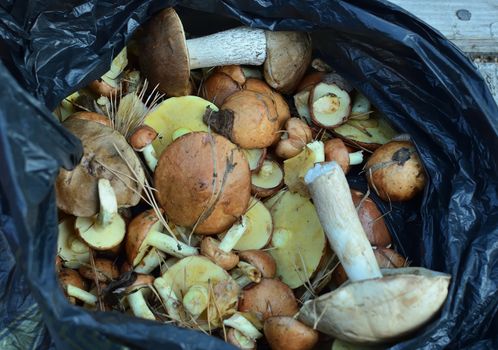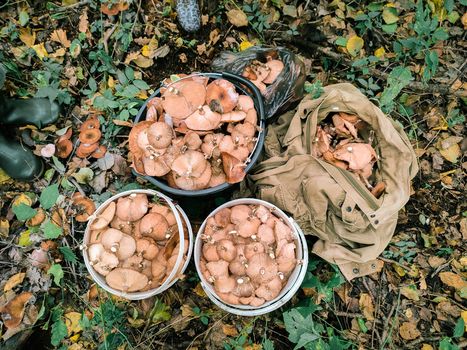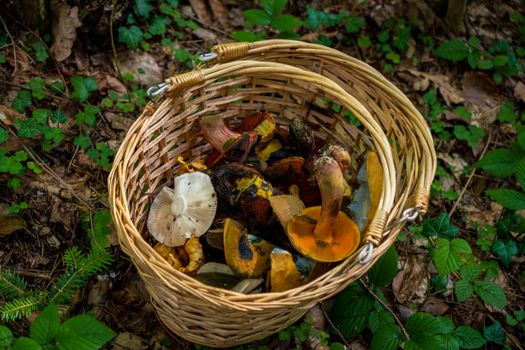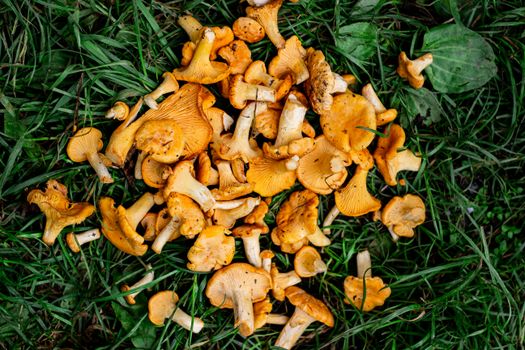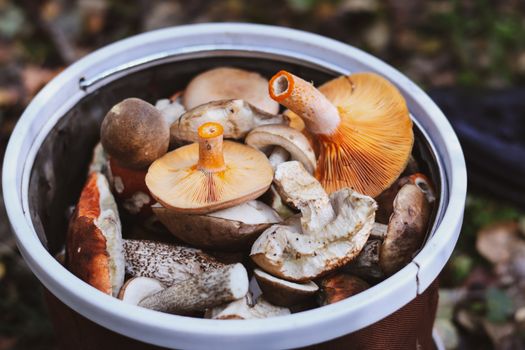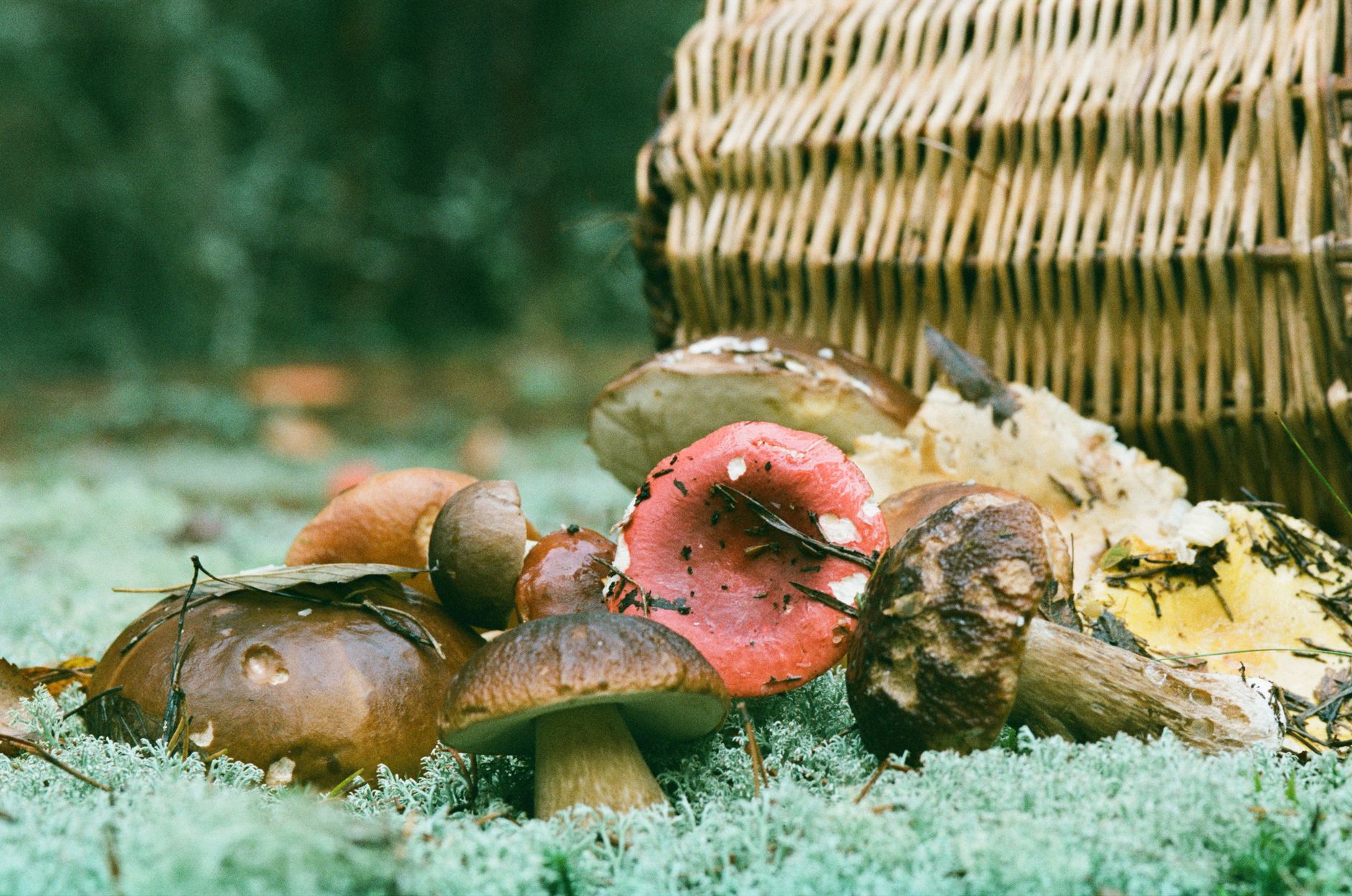
Mushroom foraging draws many people to forests in autumn and other damp seasons, offering a chance to learn about the ecosystem beneath the trees and, for some, a seasonal addition to the kitchen. It can also be dangerous. Several wild species closely resemble edible ones, and some cause serious illness even in small quantities. Rules on picking also differ between countries, regions and protected areas. This guide explains how to approach foraging with caution, what to understand before you go and how to enjoy forest visits safely whether or not you collect anything.
Understanding the risks
The main danger in mushroom foraging is misidentification. Some toxic species look similar to edible ones, and features that seem reassuring, such as smell or taste, are not reliable indicators of safety. Symptoms of poisoning can be delayed for many hours, making it hard to connect them with a meal. Anyone who eats wild mushrooms should be confident in identification, and should never rely on a single online photo or a rumor from a friend.
Legal and land-use considerations
Foraging rules vary considerably. Some national parks and nature reserves prohibit picking altogether. Others allow limited personal collection for food within set quantities or seasons. Private land requires the owner's permission. Commercial collection often requires a licence. Check the rules for the specific area with park authorities or local forestry offices before you go, and keep in mind that rules may change.
Learning from experts
The safest route for most visitors is to join a guided walk led by a qualified mycologist or experienced local forager. Guides can explain key features, habitats and seasonal patterns, and they will often refuse to identify any specimen they are not certain about. Some regional mycological societies run public identification sessions or courses. Books can supplement learning, but they should not replace hands-on instruction.
Recognizing key identification features
Identification usually depends on several characteristics: the cap, gills or pores beneath it, the stem, any ring or volva at the base, spore colour, and the habitat and tree associations. Many dangerous species share these features with edible ones, which is why experts stress checking multiple characteristics together. Do not rely on folk tests, since they are unreliable. Keep specimens for a second opinion and note where and when you found them.
Safe handling and storage
If you do collect mushrooms that an expert has identified, store them in a breathable container such as a basket or paper bag, not a sealed plastic bag, and cook them thoroughly. Some edible species can cause stomach upset when eaten raw or in large quantities, and a few people react badly to particular species. Try small amounts first if you are new to a species. Discard any mushrooms that are damaged or spoiled.
Responsible forest behavior
Responsible foraging protects the forest. Take only what you need, avoid trampling habitats, and leave some mushrooms to release spores. Respect wildlife, which also feeds on fungi, and avoid damaging trees or soil. Carry out any litter and stay on marked paths in sensitive areas.
Practical tips
Plan visits with a guide when possible, especially during your first season. Check local rules and any permit requirements before you start collecting. Carry a field guide, a notebook and a camera, which help you record features for later identification. Dress for forest conditions, with sturdy footwear and layers. Keep a phone charged and know the emergency number for the area. If you or someone else suspects poisoning after eating wild mushrooms, seek medical care immediately and, if possible, bring a sample or photo to help clinicians, though never delay treatment to do so.
Common mistakes to avoid
Relying on a phone app to make the final identification is a serious error, since apps can misidentify species and cannot examine smell, texture or spore prints in the way a trained person can. Another mistake is collecting along roadsides, near industrial sites or in heavily trampled areas, where soil and fungi may be contaminated. Some foragers assume a mushroom is safe because insects or animals have eaten it, but this does not reliably indicate safety for people. Mixing unidentified specimens in one container is another frequent problem, because a single toxic item can contaminate the whole batch. Finally, some people drink alcohol with a meal of wild fungi, although reactions with certain species are reported. Keep these risks in mind before you enjoy any meal you have gathered.
Who this suits and who it doesn't
Foraging walks suit curious people who enjoy learning about forest ecology, patient observers and those who want to build knowledge over several seasons. Photographers, illustrators and nature lovers can enjoy the forest without collecting anything at all. This activity may be less suitable for anyone who plans to eat whatever they find without expert confirmation, and for those who are pregnant or have health conditions affecting digestion or immunity, who should seek medical advice before eating wild fungi. Young children may enjoy looking, but they need close supervision and clear rules not to touch or taste anything. Those who prefer structured, predictable activities may find that foraging depends too much on weather and chance. If you join a guided walk, choose one that spends time explaining habitat and seasonal patterns rather than focusing on finding as many specimens as possible.
Quick questions
Is an identification app enough to decide if a mushroom is safe?
No. Apps are an aid for learning, not a substitute for confirmation by a qualified expert.
If others nearby are eating a mushroom, is it safe for you?
Not necessarily. People differ in their reactions, and an identification mistake can affect anyone who eats the same specimen.
Can children join a forest walk?
Yes, as long as an adult supervises closely and everyone understands that nothing should be picked, tasted or eaten without expert checking.
Mushroom foraging can be a rewarding way to spend time in the woods, but it demands patience, humility and reliable knowledge. By respecting rules, learning from experts and taking identification seriously, you can enjoy forest visits safely whether you leave with a basket or simply with a deeper appreciation of the fungi around you.