The Enchanted Canopy: My First Foraging Footsteps
I stepped off the train and into a symphony of damp earth and pine. The air, thick with the scent of decaying leaves and something subtly sweet – the promise of unseen treasures – clung to my skin. Sunlight, fractured by the impossibly tall canopy, dappled the moss-covered forest floor like scattered gold coins. This wasn't just a walk; it was an immersion. The silence was profound, broken only by the rustle of unseen creatures and the distant murmur of a hidden stream. My guide, an old woodsman named Silas with eyes that held the wisdom of centuries, simply smiled and pointed. "Listen," he whispered, "the forest speaks to those who are quiet enough to hear." That day, I learned that mushroom foraging wasn't just about finding food; it was about unlocking a secret language whispered by the ancient earth.
Beyond the Supermarket Aisle: The Allure of Wild Edibles
For too long, our connection to food has been severed. We pluck perfectly uniform specimens from plastic trays, oblivious to the intricate ecosystems that birthed them. Mushroom foraging reignites this primal connection. It’s about understanding the symbiotic relationships between fungi, trees, and soil. It’s about the thrill of the hunt, the satisfaction of identifying a true delicacy with your own eyes, and the unparalleled flavor of something you’ve personally discovered. Forget bland button mushrooms; we’re talking about the earthy depth of a Chanterelle kissed by dew, the delicate texture of a Morel bursting with spring flavor, or the robust, nutty notes of a Porcini unearthed after a good rain. These aren't just ingredients; they are gifts from the forest, imbued with the very essence of their wild origins.
The Legendary Forests Awaiting Your Discovery
The world is dotted with forests that whisper tales of magic, mystery, and, yes, incredible fungi. These aren’t your average woodlands; they are places where the trees seem to touch the sky, the air hums with ancient energy, and the very ground beneath your feet is a vibrant ecosystem teeming with life. We’re talking about places that have inspired folklore, fueled legends, and continue to be sanctuaries for some of the most sought-after edible mushrooms.
1. The Black Forest, Germany: A Fairytale of Fungi and Folklore
The Hook:
Imagine stepping into a Brothers Grimm fairytale, where ancient trees stand like stoic guardians and the air is thick with the scent of pine and the whisper of old tales. The Black Forest isn't just a landscape; it's an experience. The sheer density of the forest, the winding paths, and the occasional glimpse of a charming, half-timbered village all contribute to an almost surreal sense of enchantment.
The Meat:
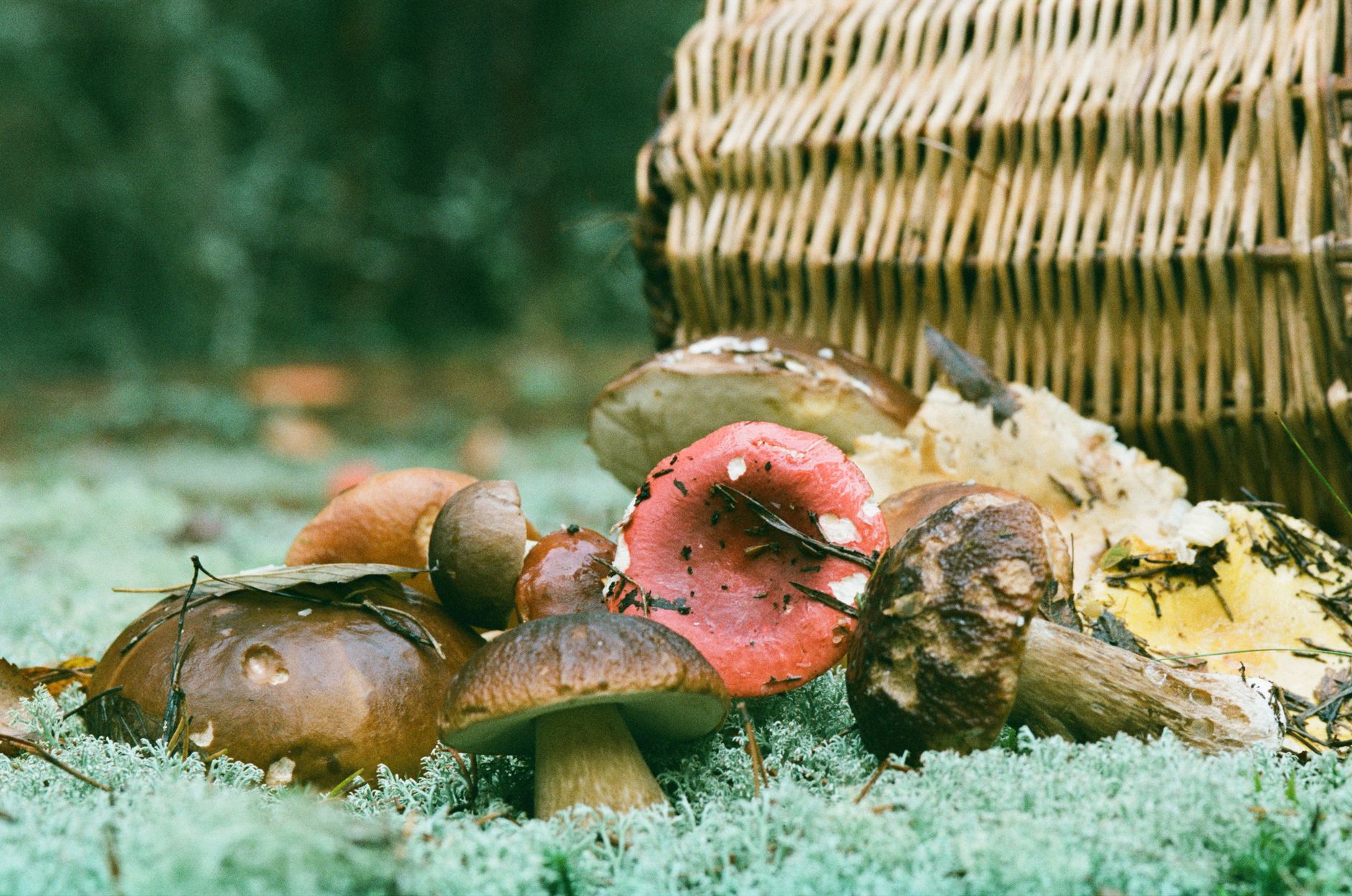
This vast, mountainous region in southwestern Germany is a haven for mushroom enthusiasts. Its diverse forest types – from dense conifer stands to mixed deciduous woods – create ideal habitats for a wide array of edible fungi. The King Bolete (Steinpilz), a true delicacy, thrives here, its robust, nutty flavor making it a star in German cuisine. You’ll also find Chanterelles (Pfifferlinge), with their delicate apricot aroma, and the sought-after Morels (Morcheln), especially after a spring thaw. The sheer scale of the Black Forest means you can often find secluded spots, allowing for a truly immersive foraging experience.
Pro-Tips:
* Visit at 7 AM: For the best selection and to avoid the weekend crowds, get out into the forest at dawn. The early morning mist adds to the atmosphere.
* Follow the streams: Many edible mushrooms, especially Chanterelles, prefer moist environments, so look near water sources.
* Learn local names: Familiarize yourself with German mushroom names like "Steinpilz" and "Pfifferlinge" – it will make your identification easier and impress the locals!
* The hidden entrance: Look for well-marked hiking trails that lead away from major tourist hubs for more untouched areas.
Quick Facts: Black Forest Foraging
* Estimated Costs ($): $50-$150 (for guided tour, gas, and local market purchases)
* Best Time to Visit: Late Spring (May-June) for Morels, late Summer to Autumn (August-October) for Boletes and Chanterelles.
* How to Get There: Fly into Stuttgart (STR) or Baden Airpark (FKB). Rent a car for flexibility. Public transport is available but less convenient for remote foraging spots.
2. The Pacific Northwest, USA: A Coastal Rainforest of Culinary Gold
The Hook:
The air is a cool, moist kiss, carrying the distinct aroma of cedar, damp earth, and a hint of salt from the distant Pacific. Towering Douglas firs and Sitka spruces form a cathedral ceiling, their immense trunks draped in emerald moss. Sunlight filters through in ethereal shafts, illuminating ferns that unfurl like prehistoric scrolls. This is the Pacific Northwest, a land of perpetual green and a treasure trove for the discerning forager.
The Meat:
This region boasts some of the most biodiverse forests in North America, making it a prime location for mushroom hunting. The King Bolete (Porcini), known for its rich, savory flavor, is abundant here, especially in the Douglas fir forests. Matsutake mushrooms, highly prized in Japanese cuisine for their unique spicy-aroma and firm texture, also find a home in these woods. Don't forget the vibrant Lobster mushrooms, with their striking red hue and seafood-like taste, or the delicate Hedgehog mushrooms, which have a delightful, slightly peppery flavor. The sheer variety is astounding, offering something for every palate.
Pro-Tips:
* Wander off the beaten path: While popular trails are good for scouting, venture into less-trafficked areas for higher yields. Look for areas with a thick layer of pine needles.
* The hidden entrance: Many of the best spots are accessible via old logging roads – keep an eye out for these less obvious routes.
* Respect private land: Always be aware of property lines and private land. Many public forests are available for foraging.
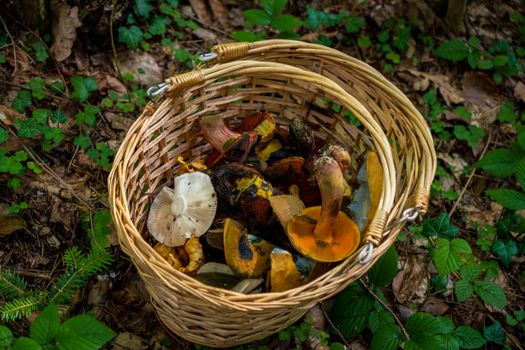
* Carry a basket, not a plastic bag: This allows spores to disperse, aiding future growth.
Quick Facts: Pacific Northwest Foraging
* Estimated Costs ($): $75-$200 (for gas, foraging gear, and potential guided tours)
* Best Time to Visit: Autumn (September-November) is peak season for many species. Spring can yield some early Morels in specific microclimates.
* How to Get There: Major airports include Seattle-Tacoma (SEA) and Portland (PDX). A car is essential for exploring the vast forest regions.
3. The Białowieża Forest, Poland/Belarus: Europe's Last Primeval Wilderness
The Hook:
The scent here is ancient. It’s the deep, earthy perfume of undisturbed earth, of millennia of fallen leaves and decaying wood, mingled with the fresh, sharp tang of old-growth pine. The trees are colossal, their branches gnarled and twisted like the arms of giants, creating a dense, almost primeval canopy that filters the light into an emerald twilight. The silence is profound, punctuated only by the hoot of an owl or the distant call of a wild boar. This is Białowieża, a living testament to Europe's wild past.
The Meat:
As one of the last and largest remaining parts of the immense primeval forest that once stretched across the European Plain, Białowieża is a biodiversity hotspot. It’s a haven for a staggering variety of fungi, many of which are rare elsewhere. The Bay Bolete (Xerocomus badius) is common, offering a mild, pleasant flavor. You’ll also find Saffron Milk Caps (Lactarius deliciosus), known for their vibrant orange color and slightly sweet, peppery taste, and various types of Russulas, many of which are edible and add a delightful crunch to dishes. For the truly adventurous, the Caesar's Mushroom (Amanita caesarea), a stunning edible species, can sometimes be found in warmer pockets of the forest.
Pro-Tips:
* Hire a local guide: Foraging in a protected area like Białowieża requires knowledge of regulations and the best spots. A local guide is invaluable.
* Focus on deciduous edges: Many edible species prefer the transition zones between different forest types.
* The hidden entrance: Access to less-explored areas might require venturing off marked trails with a guide's permission.
* Learn about the bison: The European Bison are a symbol of this forest; be respectful of their habitat.
Quick Facts: Białowieża Forest Foraging
* Estimated Costs ($): $100-$250 (includes guided tours, accommodation in the region, and transportation)
* Best Time to Visit: Late Summer to Autumn (August-October) for the widest variety of mushrooms.
* How to Get There: Fly into Warsaw (WAW). From Warsaw, you can take a train to Białystok and then a bus or taxi to Białowieża village. Hiring a local guide often includes transport arrangements.
4. The Hoh Rainforest, Olympic National Park, USA: An Emerald Kingdom of Fungi
The Hook:
The air is a perpetual, cool mist, heavy with the scent of damp moss, decaying cedar, and the subtle, sweet perfume of unseen blooms. Giant Sitka spruce and Western hemlock, draped in impossibly thick curtains of moss, form a living, breathing cathedral. Sunlight struggles to penetrate, casting an ethereal, green-tinged glow on the forest floor, where ferns and fungi carpet the landscape. It’s a place that feels ancient, untouched, and brimming with life in its most verdant form.
The Meat:
This temperate rainforest is a wonderland for foragers, offering a unique array of edible mushrooms due to its consistently wet climate and rich soil. The Hedgehog mushroom is a star here, its frilled underside resembling hedgehog spines and its flavor mild and slightly nutty. You'll also find the beautiful Golden Chanterelle, its trumpet shape and apricot aroma a welcome sight. Cauliflower mushrooms, with their intricate, branching structure, offer a unique texture and mild taste. The sheer humidity and abundance of decaying organic matter create a perfect breeding ground for a multitude of fascinating and delicious fungi.
Pro-Tips:
* Check park regulations: Foraging is often restricted or requires permits in National Parks. Always verify current rules.
* Focus on the undergrowth: Many mushrooms prefer the shaded, humid environment beneath the dense canopy.
* The hidden entrance: Look for less-trafficked trails that lead into denser sections of the forest.
* Carry a field guide specific to the PNW: The species here are distinct, and a specialized guide is crucial.
Quick Facts: Hoh Rainforest Foraging
* Estimated Costs ($): $100-$200 (for park entrance fees, gas, and potential permit costs)
* Best Time to Visit: Autumn (October-November) is generally the most productive season due to increased rainfall.
* How to Get There: Fly into Seattle-Tacoma (SEA) and rent a car. The drive to the Hoh Rainforest Visitor Center is scenic but can be long.
The Art of the Hunt: Essential Foraging Skills and Ethics
Mushroom foraging is more than just a hobby; it’s a responsibility. To truly connect with the forest and its bounty, you must embrace a set of core principles.
Know Your Fungi: Identification is Paramount
This is non-negotiable. Never eat a mushroom unless you are 100% certain of its identification. Misidentification can lead to severe illness or even death.
* Invest in good field guides: Get regional guides with clear photos and detailed descriptions.
* Join a local mycological society: Their experts can teach you invaluable identification skills.
* Learn the "dead giveaways": Understand the key characteristics of poisonous mushrooms in your area (e.g., red cap, white gills, ring on stem).
* When in doubt, throw it out: This mantra will save your life.
Foraging Ethics: Leave No Trace, Take Only What You Need
- Sustainability is key: Only harvest what you will eat. Leave plenty for wildlife and for the fungi to reproduce.
- Respect the ecosystem: Avoid disturbing the surrounding vegetation. Don't trample delicate plants or break branches unnecessarily.
- Harvest with care: Use a sharp knife to cut mushrooms at the base, leaving the mycelium intact.
- Clean as you go: Brush off excess dirt in the forest rather than washing them at home, which can spread spores.
- Be aware of regulations: Many areas have specific rules about foraging, including permits or outright bans. Always check local ordinances.
Pro-Tips for a Successful Forage:
- Go with an expert: Your first few forays should absolutely be with an experienced forager or a guided tour.
- Dress appropriately: Waterproof layers, sturdy boots, and a hat are essential.
- Carry the right gear: A basket for collection, a sharp knife, a compass or GPS, water, and snacks.
- Learn the "look-alikes": Understand which edible mushrooms have dangerous twins.
- Observe the habitat: Different mushrooms prefer different soil types, tree associations, and moisture levels.
- Start small: Focus on learning to identify a few common, easily recognizable edible species before branching out.
The Flavor of the Wild: Bringing Your Harvest Home
The taste of a freshly foraged mushroom is unlike anything you can buy. It's an intense, pure expression of the earth, a culmination of sunlight, rain, and the intricate magic of the forest floor.
Culinary Delights
- Sautéed to perfection: Simple is often best. A drizzle of olive oil, a pinch of salt, and a clove of garlic can transform a humble mushroom into a gourmet delight.
- Soups and stews: Their earthy depth adds an unparalleled richness to broths and hearty stews.
- Risotto: Imagine creamy risotto infused with the subtle, nutty notes of freshly picked Porcini.
- Dried and preserved: Many mushrooms, like Boletes, dry beautifully, concentrating their flavor for use year-round.
Safety First, Always
- Cook thoroughly: Most wild mushrooms must be cooked to be digestible and safe.
- Eat a small amount first: If you're trying a new species, eat just a small portion to test for any adverse reactions.
- When in doubt, consult an expert: If you have any lingering doubts about your identification, do not consume the mushroom.
The Takeaway: Your Wild Culinary Adventure Awaits
Mushroom foraging is an invitation to slow down, to observe, and to reconnect with the natural world in a profoundly intimate way. It’s a journey that rewards patience, curiosity, and respect for the environment. The legendary forests I've shared are more than just beautiful landscapes; they are living pantries, waiting to be explored by those willing to learn their secrets. So, lace up your boots, grab your basket, and embark on your own wild culinary adventure. The forest is calling, and its delicious treasures await.
---