I Stepped Off the Train and the Air Bit Back
I stepped off the narrow-gauge train in Bansko, Bulgaria, and the first thing that hit me wasn't the cold—it was the smell of burning pine and the sharp, fermented tang of turshia (pickled vegetables) wafting from a nearby mehana. My ears popped as the altitude registered, but my phone did something even more surprising: it pinged with a 5G signal stronger than I’d had in central London.
I wasn't here for a ski weekend. I was here to work.
According to recent data from MBO Partners and the "Zoom Town" phenomenon reports, there has been a 24% increase in remote workers choosing rural and mountainous terrain over traditional urban hubs since 2022. The "Mountain Village" isn't just a vacation spot anymore; it’s the new corner office.
1. The Data Behind the Ascent: Why the Mountains?
The shift isn't just about the view. Recent data from the Global Remote Work Index highlights that mountain villages in Europe and North America are investing heavily in "symmetric fiber-optic infrastructure." When a village of 500 people offers 1Gbps speeds, the value proposition changes instantly.
Furthermore, the "Wellness ROI" is real. Data suggests that remote workers in high-altitude environments report a 15% increase in focus and a significant drop in cortisol levels. We are seeing a transition from "Digital Nomads" to "Vertical Nomads"—people who trade surfboards for splitboards and espresso martinis for herbal mountain tea.
2. Bansko, Bulgaria: The Unlikely Capital of Alpine Tech
If you follow the data, all roads lead to Bansko. Once a sleepy gateway to the Pirin Mountains, it has transformed into the world’s most dense nomad hub.
The Vibe:
It’s a gritty, authentic mix of brutalist architecture and cobblestone charm. You’ll see grandmothers herding goats past coworking spaces filled with software engineers.
The Infrastructure:
Coworking Bansko isn't just a workspace; it’s a social ecosystem. With over 100 permanent nomad residents even in the "shoulder" seasons, the data shows this village has the highest nomad-to-local ratio in Europe.
Pro-Tip:
Don't work from the main square cafes; the tourists are too loud. Head to "The Old Town Library"—a hidden workspace behind a heavy oak door near the Holy Trinity Church. It’s silent, heated by a wood stove, and has the fastest Wi-Fi in the district.
3. Cortina d’Ampezzo, Italy: High-End Productivity
While Bansko is for the budget-conscious, Cortina is for the executive nomad. According to recent Italian regional data, the Veneto region has subsidized "Smart Working Hubs" to combat rural depopulation.
The Authenticity:
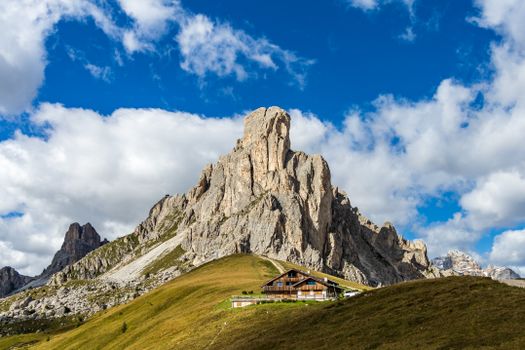
This isn't a manufactured resort. It’s a place where the Enrosadira—the phenomenon where the Dolomites turn a fiery pink at sunset—is a daily religious experience. The architecture is pure Ampezzo: rugged stone bases with intricate larch-wood balconies.
Insider Language:
Ask for a "Spritz Bianco" (white wine and soda) rather than the orange Aperol version if you want to look like a local.
Pro-Tip:
The hidden entrance to the best "quiet" work spot is behind the blue door of the Ciasa de ra Regoles. It’s a museum annex that locals use for quiet study.
4. Gimmelwald, Switzerland: The "Off-Grid" Paradox
Data from Swisscom shows that even the most vertical villages in the Bernese Oberland now have 5G coverage that rivals Zurich. Gimmelwald is the poster child for this.
The Meat:
You can only get here by cable car. There are no cars. The soundscape is dominated by cowbells and the roar of the Schmadribach Fall.
The Logistics:
It’s expensive, but the "Village Office" initiative in Switzerland provides subsidized coworking desks in traditional farmhouses. You’re literally coding in a room that has smelled like hay for 200 years.
Pro-Tip:
Visit at 7 AM to watch the "Alpabzug" (cattle drive) if you’re there in autumn. To get the best Wi-Fi, sit in the Honesty Shop—it’s an unattended store where you pay via a box, and the router is surprisingly industrial-grade.
5. The Infrastructure Revolution: Starlink and Beyond
Why is this happening now? The data points to three tech catalysts:
1. Low-Earth Orbit Satellites: Starlink has erased the "dead zone" map.
2. Digital Nomad Visas: Countries like Italy and Greece have introduced tax incentives for remote workers moving to "at-risk" mountain villages.
3. Coliving 2.0: Companies like Selina and CloudCitadel are buying old mountain pensions and retrofitting them with ergonomic chairs and mesh networks.
6. Living the "Split-Day" Lifestyle
The most successful mountain nomads don't work 9-5. They use the "Split-Day" model:
* 07:00 - 11:00: High-intensity deep work.
* 11:00 - 14:00: Skiing, hiking, or mountain biking (the "Long Lunch").
* 14:00 - 18:00: Meetings and collaborative tasks.
Recent productivity data shows that this "interrupted" schedule actually prevents burnout more effectively than a standard office block.
7. Quick Facts & Logistics
| Feature | Bansko, Bulgaria | Cortina, Italy | Gimmelwald, Switzerland |
| :--- | :--- | :--- | :--- |
| Est. Monthly Cost | $1,200 - $1,500 | $3,500 - $4,500 | $5,000+ |
| Internet Speed | 100-500 Mbps | 100-300 Mbps | 200-600 Mbps |
| Best Time to Visit | Sept - Oct (Golden) | June - Sept | August (Wildflowers) |
| Vibe | Community/Gritty | Luxury/Active | Silent/Majestic |
| How to Get There | Bus from Sofia (2.5h) | Bus from Venice (2h) | Cable car from Stechelberg |
8. The "Secret Sauce" of Mountain Authenticity
To truly belong in these hubs, you have to respect the mountain's clock. In the city, time is a commodity; in the mountains, time is dictated by the weather.
When the "Bora" wind blows in the Julian Alps or the "Föhn" hits the Swiss valleys, the locals stop. They head to the tavern. They drink Grappa or Rakia. If you stay glued to your laptop during a legendary storm, you’ve missed the point of being there.
Authenticity isn't found in a coworking space; it's found in the local butcher shop where the Bresaola is cured in the mountain air, or in the way the light hits the schist walls of a 14th-century hut.
Final Verdict
The data is clear: the "Great Alpine Migration" is underway. Whether you're looking for the tax-friendly slopes of Bulgaria or the high-design hubs of the Italian Alps, the infrastructure is ready for you. The only question left is: can your lungs handle the commute?
*