The Hook: A 3:00 AM Revelation in Singapore
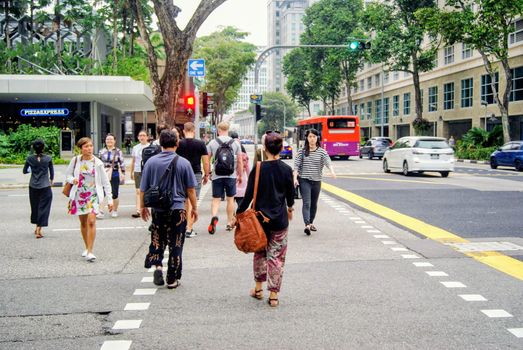
I stepped off the train at Bayfront Avenue at three o'clock in the morning, the humid air smelling faintly of rain and jasmine. In most global megacities, a solo traveler carrying a Leica around their neck at this hour is a target. In Singapore, I felt more vulnerable to a sudden tropical downpour than to a mugging. I watched a local leave their MacBook on a table at a hawker center to go order a Laksa. No lock, no "buddy system," just pure, unadulterated social trust.
That’s the "safety high" I’m talking about. It’s not just about the absence of crime; it’s the presence of peace. To find the countries with the best safety statistics for tourists according to recent data, we have to look past the brochures and into the raw metrics of the Global Peace Index (GPI), the Safety Index by Numbeo, and the US State Department’s latest advisories.
Here is where you can roam, get lost, and find yourself without constantly checking your back pocket.
1. Iceland: The Perennial Champion of Peace
For over a decade, Iceland has held the #1 spot on the Global Peace Index. It’s not just because there are more sheep than people; it’s a cultural obsession with egalitarianism.
The Data:
Iceland boasts a near-zero rate of violent crime. In fact, the police don't even carry firearms on regular patrol.
The Insider Vibe:
When you’re in Reykjavik, don’t just stick to the Laugavegur shopping street. Head to the Vesturbæjarlaug geothermal pool. It’s where the locals discuss politics and the weather. There is no "tourist bubble" here because the entire country is the bubble.
- Pro-Tip: If you’re driving the Ring Road, your biggest safety threat is the wind. It can literally rip a car door off its hinges. Always check vedur.is before heading out.
2. Singapore: The Invisible Shield
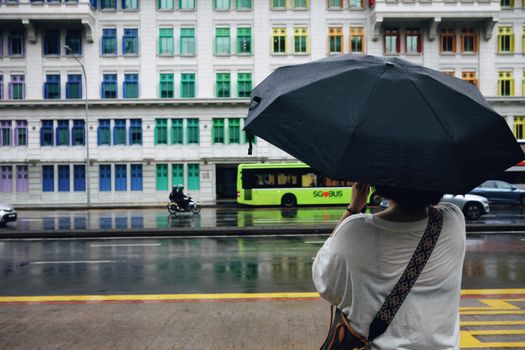
Singapore is consistently ranked as the safest country in Asia and often the world for personal security. The city-state’s "Total Defence" strategy isn't just a slogan; it’s baked into the architecture.
The Data:
According to the Gallup Law and Order Report, 95% of Singapore residents feel safe walking alone at night—the highest percentage globally.
The Insider Vibe:
Forget the sterile malls. Head to Geylang for the best durian and late-night dim sum. Despite its reputation as a "red-light district," it is incredibly safe and offers a grit that the rest of the city lacks. The architecture here is a riot of pastel-colored shophouses with ornate stucco work that smells of incense and frying garlic.
- Pro-Tip: The "hidden" entrance to the best speakeasy, 28 HongKong Street, is an unmarked beige door. It looks like a boring office—that’s the point.
3. Denmark: The "Hygge" of Security
Denmark isn’t just safe; it’s cozy. The Danish concept of Samfundssind (social responsibility) means everyone looks out for everyone else.
The Data:
Denmark consistently ranks in the top three of the GPI. It has incredibly low levels of corruption and high levels of social equality, which correlates directly to low petty crime rates.
The Insider Vibe:
In Copenhagen, you’ll see strollers parked outside cafes with babies sleeping inside while parents grab a coffee. That is the ultimate safety flex. Skip the Little Mermaid statue (it’s underwhelming) and bike to Refshaleøen. It’s an industrial shipyard turned into a creative hub.
- Pro-Tip: Rent a bike from a local shop, not a tourist app. Use the "Copenhagen Left" (the two-stage turn) to avoid the wrath of local commuters.
4. Switzerland: Precision and Protection
Switzerland is the watchmaker of nations: everything works, everyone is on time, and the safety is mechanical in its reliability.
The Data:
Switzerland’s low crime rate is bolstered by one of the highest standards of living in the world. It’s a "Level 1" country according to the State Department, the lowest risk level possible.
The Insider Vibe:
While Zurich is the financial heart, the safety of the Bernese Oberland is unmatched. In villages like Gimmelwald, there are "honesty shops" where you take a piece of alpine cheese and leave your money in a wooden box. No cameras, no guards.
- Pro-Tip: Don’t waste money on bottled water. The fountains in every Swiss square provide better mineral water than anything you can buy in a plastic bottle. Look for the "Eau Potable" sign.
5. Japan: The Culture of Lost and Found
In Tokyo, if you lose your wallet, there is an 80% chance it will be returned to a Koban (police box) with the cash still inside.
The Data:
Japan’s homicide rate is one of the lowest on the planet. Recent data shows a continued decline in "street crimes" like pickpocketing, which are already rare.
The Insider Vibe:
The real magic is in the Shotengai (local shopping streets) of Suginami or Setagaya. Here, the "safety" is felt in the way elderly residents sweep the pavement in front of their homes and school children walk to the subway unaccompanied.
- Pro-Tip: If you need help, look for the Koban. These are small neighborhood police stations. The officers are more like community helpers than traditional cops; they’ll even help you find a specific ramen shop or lend you umbrella money.
6. New Zealand: Adventure Without Anxiety
New Zealand is the playground of the world, and it’s a playground with a very high fence.
The Data:
Ranking 4th on the 2023 Global Peace Index, New Zealand excels in "Internal Peace," meaning domestic conflict and violent crime are statistically negligible.
The Insider Vibe:
While everyone heads to Queenstown, find your way to Wanaka. It has the same stunning Southern Alps backdrop but with a slower, safer, "everybody-knows-your-name" pace. The air smells of wild thyme and glacial silt.
- Pro-Tip: The "Sandfly" is the only thing that will attack you in New Zealand. Buy "Goodbye Sandfly" repellent—it’s a local essential oil blend that actually works.
Quick Facts & Logistics
| Country | GPI Rank (2023/24) | Best Time to Visit | Est. Daily Cost ($) | How to Get There |
| :--- | :--- | :--- | :--- | :--- |
| Iceland | #1 | June - August | $200 - $350 | Fly into KEF (Reykjavik) |
| Singapore | #6 | Feb - April | $150 - $300 | Fly into SIN (Changi) |
| Denmark | #2 | May - Sept | $180 - $280 | Fly into CPH (Copenhagen) |
| Switzerland | #10 | July - August | $250 - $400 | Fly into ZRH or GVA |
| Japan | #9 | March - May | $120 - $250 | Fly into NRT or HND |
| New Zealand| #4 | Dec - Feb | $150 - $300 | Fly into AKL or CHC |
The Final Verdict: Why Statistics Matter
When we talk about the countries with the best safety statistics for tourists according to recent data, we aren't just talking about avoiding the "bad guys." We are talking about the freedom to be present. When you aren't clutching your bag or scanning the shadows, you notice the way the light hits the fjords in Iceland or the intricate spice blends in a Singaporean satay.
Safety is the ultimate luxury. It’s the foundation that allows for true adventure. So, pack your bags, book that flight, and breathe easy. The world is safer than you think—if you know where to look.
*