The Buzzworthy Secret: Unveiling the World's Most Enchanting Beekeeping Experiences with Honey Tasting
I stepped off the ancient cobblestone path, the air thick with the sweet, intoxicating perfume of lavender and wild thyme. A gentle hum, a thousand tiny wings beating in unison, filled my ears. This wasn't just a farm; it was a symphony of nature, orchestrated by its smallest, most industrious inhabitants. I was at a small, family-run apiary tucked away in the rolling hills of Provence, France, about to embark on an adventure that would redefine my understanding of honey and the incredible creatures that create it. Forget mass-produced supermarket jars; this was about connecting with the source, with the earth, and with the pure, unadulterated sweetness of life.
For too long, beekeeping has been a behind-the-scenes marvel. But thankfully, the world is waking up to the magic of immersive bee experiences. These aren't just tours; they're sensory journeys, educational odysseys, and culinary revelations. If you're a traveler with a palate for the extraordinary and a curiosity for the natural world, then these beekeeping experiences with honey tasting are for you.
1. The French Provincial Symphony: Lavender Fields and Liquid Gold
My first stop was a revelation. In Provence, the landscape itself is a pantry for the bees. Imagine walking through endless fields of vibrant purple lavender, the air alive with their buzzing. The beekeepers here, often generations deep in the craft, don't just show you hives; they invite you into their world.
The Experience:
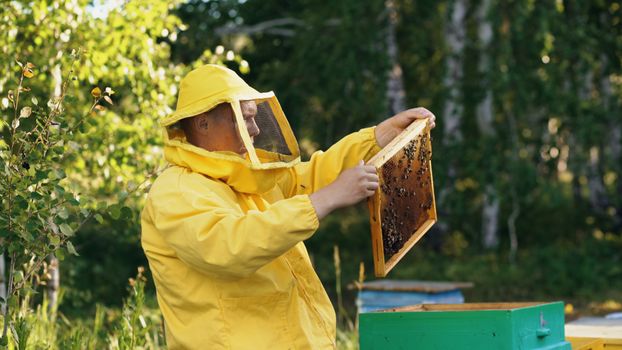
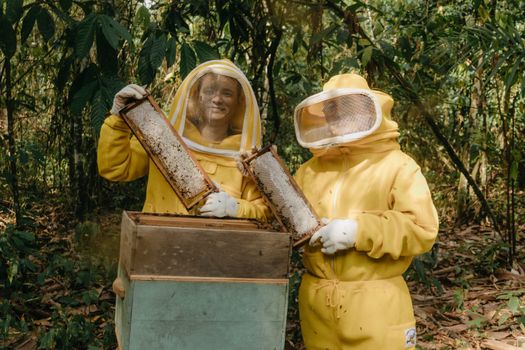
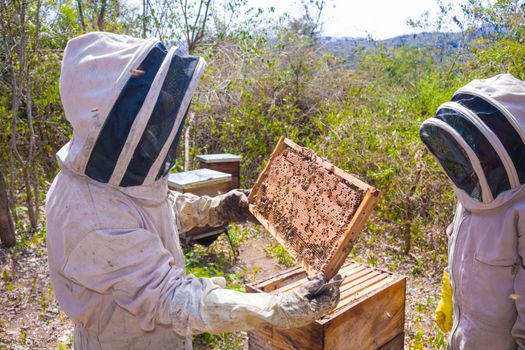
I donned a traditional veil and suit, feeling a mix of trepidation and exhilaration. My guide, a weathered man named Jean-Pierre whose hands moved with the gentle reverence of a surgeon, showed me how to approach a hive with respect. We carefully opened a frame, revealing a mesmerizing city of thousands of bees, each with a purpose. The sheer organization and dedication were awe-inspiring.
The Honey Tasting:
This is where the real magic happened. Jean-Pierre laid out a spread of honeys, each a distinct jewel. There was the delicate, floral Lavender Honey, tasting precisely like the fields I'd just walked through. Then came the richer, darker Acacia Honey, with hints of vanilla. My personal favorite was the Wildflower Honey, a complex blend that shifted with every taste, a true reflection of the diverse flora. He explained how the bees' foraging patterns directly influenced the honey's flavor profile.
Pro-Tip:
Visit during the peak lavender bloom (late June to early August) for the most aromatic and visually stunning experience. Many small producers offer private tastings by appointment.
Quick Facts: Provence Apiary Experience
| Category | Details | Estimated Cost ($) | Best Time to Visit | How to Get There |
| :----------------- | :--------------------------------------- | :----------------- | :--------------------------- | :--------------------------------------------------------------------------------- |
| Apiary Tour | Guided hive inspection, bee behavior talk | $50 - $100 | Late June - Early August | Fly into Marseille (MRS) or Nice (NCE), then rent a car or take a train to a local town. |
| Honey Tasting | Multiple varietals, cheese pairings | Included with tour | Year-round (best bloom) | Many are accessible by car from major Provençal cities. |
| Accommodation | Local guesthouses (Gîtes), farm stays | $80 - $200/night | Spring through Autumn | Book in advance, especially during peak season. |
2. The Tuscan Sun: Organic Bliss and Ancient Traditions
Tuscany. The name itself conjures images of rolling vineyards, cypress-lined avenues, and sun-drenched farmhouses. Here, beekeeping is not just an agricultural practice; it's an art form woven into the fabric of the land.
The Experience:
I found myself at a small, family-run organic farm nestled in the Chianti region. The air hummed with a gentle energy, not just from the bees, but from the passion of the family who have tended these hives for generations. They emphasized sustainable practices, explaining how they ensure their bees are healthy and their environment is protected. We explored the apiary, learning about the different types of hives and the crucial role of the queen bee.
The Honey Tasting:
The Tuscan honey tasting was an education in terroir. We sampled Millefiori Honey, a delightful medley of wildflowers, bursting with the essence of the Tuscan countryside. Then came the darker, almost molasses-like Chestnut Honey, with its distinct, slightly bitter finish – a true taste of the local forests. They also offered Acacia Honey, lighter and sweeter, reminiscent of spring blossoms. The tasting often included local pecorino cheese and crusty bread, perfectly complementing the honey's nuances.
Insider Tip:
Look for farms that are certified organic. This ensures the bees are not exposed to harmful pesticides, and the honey is pure goodness. Many offer cooking classes that incorporate honey into traditional Tuscan dishes.
Quick Facts: Tuscan Apiary Experience
| Category | Details | Estimated Cost ($) | Best Time to Visit | How to Get There |
| :----------------- | :--------------------------------------- | :----------------- | :----------------- | :------------------------------------------------------------------------------------- |
| Apiary Tour | Farm tour, hive observation, bee talk | $60 - $120 | April - October | Fly into Florence (FLR) or Pisa (PSA), then rent a car or take a bus to a Tuscan town. |
| Honey Tasting | Varietals, local cheese, bread | Included with tour | Year-round | Many are accessible by car from Florence or Siena. |
| Accommodation | Agriturismo (farm stays), villas | $100 - $300/night | Spring, Summer, Fall | Book well in advance, especially for popular agriturismos. |
3. The Californian Bloom: Urban Beekeeping and Innovative Flavors
Who knew you could find buzzing beehives in the heart of a bustling city? California, with its diverse microclimates and innovative spirit, is home to some incredible urban and peri-urban beekeeping experiences.
The Experience:
I visited an apiary perched on a rooftop in San Francisco, offering panoramic views of the bay. It was a testament to how bees can thrive even in unexpected urban environments. The beekeepers here were passionate about educating the public on the importance of pollinators in urban ecosystems. We learned about the challenges and rewards of city beekeeping, from navigating regulations to finding nectar sources amidst concrete jungles.
The Honey Tasting:
The honey here was a fascinating reflection of the urban landscape. We tasted Eucalyptus Honey, with its medicinal, menthol notes from the pervasive trees. Then there was Citrus Honey, bright and zesty, a testament to the city's numerous gardens and parks. A particularly unique offering was Wildflower Honey, a complex blend of whatever the bees could find – from ornamental flowers to forgotten urban weeds.
Pro-Tip:
Many urban apiaries offer workshops on building your own beehive or starting a small balcony garden to attract pollinators. These are fantastic for budding urban homesteaders.
Quick Facts: Californian Urban Apiary
| Category | Details | Estimated Cost ($) | Best Time to Visit | How to Get There |
| :----------------- | :--------------------------------------- | :----------------- | :----------------- | :------------------------------------------------------------------------------------- |
| Apiary Tour | Rooftop/urban hive visit, pollination talk | $40 - $80 | Year-round | Accessible via public transport or ride-sharing in major Californian cities. |
| Honey Tasting | Unique urban varietals | Included with tour | Year-round | Check specific locations for accessibility. |
| Accommodation | Hotels, Airbnb | $150 - $400/night | Year-round | Abundant in major cities. |
4. The Greek Island Secret: Aegean Nectar and Ancient Wisdom
The Greek islands are renowned for their sun-drenched landscapes, crystal-clear waters, and ancient history. It's no surprise that they also produce some of the world's most exquisite honeys.
The Experience:
On a small island in the Cyclades, I stumbled upon a tiny apiary with hives nestled amongst wild herbs and olive trees. The beekeeper, a woman with eyes as blue as the Aegean Sea, shared stories of her family's long tradition of beekeeping, passed down through generations. She spoke of the bees' connection to the island's unique flora, including wild thyme, oregano, and heather.
The Honey Tasting:
The tasting was a journey through the island's botanical treasures. The Thyme Honey was intensely aromatic and robust, with a distinctly herbal finish. The Heather Honey was darker and richer, with a slightly malty flavor. We also sampled Wildflower Honey, a complex symphony of island blooms. The tasting was often accompanied by local cheeses, olives, and a glass of raki, a traditional spirit.
Insider Tip:
Seek out apiaries on islands known for their wild herbs, such as Crete, Rhodes, or smaller, less touristy islands. The quality of the honey is directly linked to the purity of the environment.
Quick Facts: Greek Island Apiary
| Category | Details | Estimated Cost ($) | Best Time to Visit | How to Get There |
| :----------------- | :--------------------------------------- | :----------------- | :----------------- | :------------------------------------------------------------------------------------- |
| Apiary Tour | Island flora focus, traditional methods | $40 - $90 | April - October | Fly into Athens (ATH), then take a ferry or a domestic flight to your chosen island. |
| Honey Tasting | Island varietals, local pairings | Included with tour | Year-round | Many are accessible by car or scooter on the island. |
| Accommodation | Traditional guesthouses, boutique hotels | $70 - $250/night | Spring through Fall | Book ferries and accommodation in advance, especially during peak season. |
5. The New Zealand Mana: Manuka's Mystique and Maori Culture
New Zealand is synonymous with Manuka honey, a potent, medicinal honey with a global reputation. Experiencing Manuka beekeeping is not just about tasting; it's about understanding the unique ecosystem and the cultural significance of this golden elixir.
The Experience:
I ventured into the rolling hills of the North Island, where rugged landscapes meet the iconic Manuka bush. Here, beekeeping is deeply intertwined with Maori culture and a profound respect for the land (whenua). I visited an apiary run by a Maori family who shared their knowledge of the Manuka plant, its medicinal properties, and the intricate dance between the bees and this special flower. We learned about the challenges of harvesting Manuka, from its remote locations to the precise timing required.
The Honey Tasting:
The star, of course, was Manuka Honey. The tasting here was less about a wide variety and more about appreciating the unique qualities of Manuka. We sampled different UMF (Unique Manuka Factor) ratings, noting the subtle differences in flavor – from a slightly medicinal, earthy taste to a sweeter, caramel-like note. They explained how the UMF rating indicates the honey's antibacterial properties. It was a truly educational and palate-awakening experience.
Insider Tip:
Look for certified Manuka honey with a UMF rating clearly displayed. Many Maori-run operations offer cultural experiences alongside their beekeeping tours, providing a deeper understanding of their connection to the land and its bounty.
Quick Facts: New Zealand Manuka Experience
| Category | Details | Estimated Cost ($) | Best Time to Visit | How to Get There |
| :----------------- | :--------------------------------------- | :----------------- | :----------------- | :------------------------------------------------------------------------------------- |
| Apiary Tour | Manuka focus, Maori culture, UMF talk | $70 - $150 | Year-round | Fly into Auckland (AKL) or Christchurch (CHC), then rent a car or take domestic flights. |
| Honey Tasting | Manuka varietals (UMF ratings) | Included with tour | Year-round | Often requires driving to rural areas. |
| Accommodation | Lodges, B&Bs, farm stays | $100 - $300/night | Year-round | Book in advance, especially for remote locations. |
Beyond the Tasting: The Deeper Meaning of Beekeeping Experiences
These experiences offer so much more than just a sweet treat. They are opportunities to:
- Connect with Nature: Witness firsthand the incredible work of bees and understand their vital role in our ecosystem.
- Support Sustainable Practices: Learn about beekeepers dedicated to the health of their bees and the environment.
- Discover Terroir: Taste the unique flavors of a region, dictated by its flora and climate.
- Learn a New Skill: Many workshops offer hands-on opportunities to learn about beekeeping.
- Savor Authentic Flavors: Experience honey in its purest, most natural form, unadulterated and bursting with character.
Planning Your Sweet Escape
When choosing your beekeeping experience, consider:
- Your Interests: Are you more interested in the science of beekeeping, the culinary aspect, or the cultural connection?
- Time of Year: While honey is produced year-round, the bloom of specific flowers will influence the honey's flavor.
- Location: Consider how far you're willing to travel and what other attractions are in the area.
- Sustainability: Look for apiaries that prioritize ethical and sustainable beekeeping practices.
These beekeeping experiences with honey tasting are not just trips; they are journeys into the heart of nature's sweetest creations. They offer a chance to slow down, to appreciate the intricate beauty of the natural world, and to taste the very essence of the land. So, if you're looking for an adventure that's both delicious and deeply enriching, it's time to answer the call of the bees.