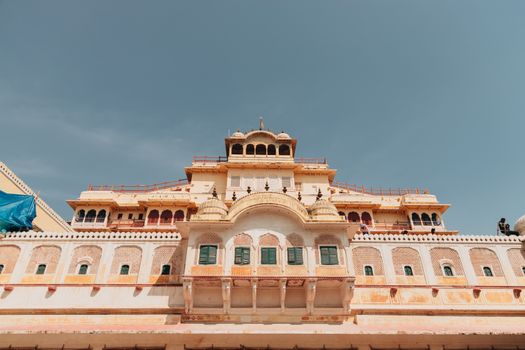
For many travellers planning a trip to India, the question "is Jaipur worth visiting?" often arises. The simple answer for most is yes, Jaipur offers a rich, engaging, and often spectacular experience that makes it a worthwhile addition to any itinerary. Known as the Pink City, Jaipur is a cornerstone of India's Golden Triangle, renowned for its magnificent forts, opulent palaces, vibrant bazaars, and deep-rooted cultural heritage. However, like any major tourist destination, it comes with its own set of challenges that might not appeal to every type of traveller. This guide provides an honest assessment for 2026, helping you decide if Jaipur aligns with your travel style and expectations.
| Aspect | Detail |
|---|---|
| Best Time to Visit | October to March (cooler, drier weather) |
| Typical Daily Cost (approx.) | Budget: £30-£60 Mid-range: £70-£150 Luxury: £180+ Note: Prices are approximate per person, per day, excluding international flights. Always check current rates for accommodation, transport, and activities. |
| How to Get There | Jaipur International Airport (JAI) offers domestic and some international flights. The city is well-connected by train and bus from major Indian cities. |
| Recommended Stay | 2 to 4 full days to cover major sights and experience local life. |
| Local Transport | Auto-rickshaws, taxis (app-based services like Uber/Ola are common), local buses, and a limited metro system. |
| Currency | Indian Rupee (INR) |
| Language | Hindi, Rajasthani (local dialect), English widely understood in tourist areas. |
Is Jaipur Worth Visiting for You? A Closer Look
Understanding what Jaipur offers and where it might fall short is key to setting realistic expectations for your trip. Here’s a breakdown of who typically thrives in the Pink City and who might find it less appealing.
Who will adore Jaipur?
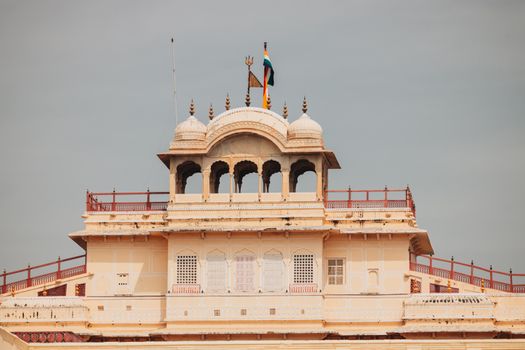
- History and Architecture Enthusiasts: Jaipur is a treasure trove of Rajput architecture. The Amber Fort, City Palace, Hawa Mahal, and Jantar Mantar offer a fascinating glimpse into India's royal past and intricate design. You can spend days exploring these grand structures, each telling a unique story.
- Culture Seekers: From traditional music and dance to vibrant festivals and artisan workshops, Jaipur is steeped in Rajasthani culture. You'll find opportunities to witness block printing, gem cutting, and pottery, offering a deeper understanding of local traditions.
- Shoppers and Bargain Hunters: The city's bustling bazaars – Johari Bazaar, Bapu Bazaar, and Tripolia Bazaar – are legendary. You can find everything from exquisite jewellery and precious gemstones to colourful textiles, traditional handicrafts, leather goods, and lac bangles. The experience of haggling and discovering unique souvenirs is a highlight for many.
- Foodies: Rajasthani cuisine is distinct and flavourful. Jaipur offers a chance to savour authentic dishes like Dal Baati Churma, Laal Maas, Ghewar, and various street foods. Culinary tours and cooking classes are also popular ways to explore the local gastronomy.
- Photographers: The vibrant colours, intricate facades, and grand scale of Jaipur's architecture provide endless photographic opportunities, especially during the golden hours of sunrise and sunset.
Who might find Jaipur challenging?
- Those Seeking Peace and Quiet: Jaipur is a large, bustling Indian city. Expect constant noise from traffic, honking, and crowds. If your ideal holiday involves serene landscapes and tranquil environments, Jaipur's urban intensity might be overwhelming.
- Budget Travellers Averse to Haggling: While affordable, navigating prices for auto-rickshaws, souvenirs, and sometimes even services often requires negotiation. Travellers uncomfortable with this aspect might find it stressful.
- Travellers Sensitive to Urban Pollution: Like many major cities in India, Jaipur experiences air pollution and general urban grime. This can be a concern for those with respiratory sensitivities or who prefer very clean environments.
- Individuals with Limited Mobility: Many of Jaipur's historic sites, particularly the forts, involve extensive walking, uneven terrain, and numerous stairs. While some accessibility options exist (e.g., jeep rides up to Amber Fort), exploring fully can be physically demanding.
- Those Looking for an "Off-the-Beaten-Path" Experience: Jaipur is a well-established tourist destination. While authentic experiences can be found, the main attractions are heavily touristed. If you prefer to avoid crowds and discover truly hidden gems, you might need to venture further afield.
Best Things to Do in Jaipur
Jaipur's main attractions are concentrated enough to be explored efficiently, yet each offers enough depth for extended visits.
Explore the Amber Fort (Amer Fort)
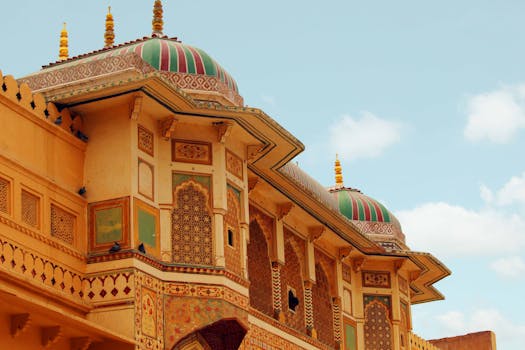
Located about 11 kilometres outside the city centre, Amber Fort is a magnificent example of Rajput architecture. It's built from red sandstone and marble, featuring intricate carvings, expansive courtyards, and beautiful palaces within its walls, such as the Sheesh Mahal (Mirror Palace). You can reach the fort's entrance by jeep, or for a more traditional (though often debated ethically) experience, by elephant ride. Allow at least 2-3 hours to explore properly.
Book tickets and tours: Amber Fort
Pro tip: For the most comfortable experience at Amber Fort, arrive early in the morning, ideally right at opening time (usually 8:00 AM), to beat the largest crowds and the midday heat. Consider pre-booking tickets online to save time.
Admire the Hawa Mahal (Palace of Winds)
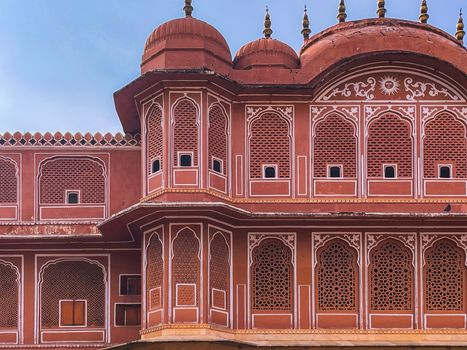
An iconic symbol of Jaipur, the Hawa Mahal is a stunning five-story palace famous for its intricate pink sandstone facade with 953 small windows. Designed to allow royal ladies to observe street festivals unseen from below, it's primarily a facade. While you can enter and climb to the top for city views, the best photos are usually taken from the street opposite.
Book tickets and tours: Hawa Mahal
Visit the City Palace
Situated in the heart of the Old City, the City Palace is a sprawling complex that blends Rajput, Mughal, and European architectural styles. It houses several palaces, courtyards, gardens, and a museum showcasing royal garments, weapons, and art. Don't miss the Mubarak Mahal and the Chandra Mahal, which still serves as the residence of the former royal family. Allow 2 hours.
Book tickets and tours: City Palace
Discover Jantar Mantar
Adjacent to the City Palace, Jantar Mantar is an astronomical observatory built by Maharaja Sawai Jai Singh II. It features a collection of nineteen architectural astronomical instruments, including the world's largest stone sundial. It's a UNESCO World Heritage site and a fascinating testament to ancient Indian scientific prowess. Consider hiring a local guide to understand the instruments' functions.
Book tickets and tours: Jantar Mantar
Catch Sunset at Nahargarh Fort
Perched on the Aravalli Hills overlooking Jaipur, Nahargarh Fort offers panoramic views of the city, especially stunning at sunset. The fort itself is interesting to explore, but many visit primarily for the vistas. It's a popular spot for both locals and tourists to relax and enjoy the evening breeze. Auto-rickshaws and taxis can take you up the winding road.
Book tickets and tours: Nahargarh Fort
Wander Through Jaipur's Bazaars
- Johari Bazaar: Famous for jewellery, especially traditional Kundan work, and precious gemstones.
- Bapu Bazaar: Known for leather products (Mojari shoes), textiles, and local perfumes.
- Tripolia Bazaar: Specialises in lac bangles and traditional brassware.
Book tickets and tours: Jaipur's Bazaars
These markets are an assault on the senses with their colours, sounds, and aromas. It's an essential Jaipur experience, even if you're just window shopping.
Pro tip: When shopping in Jaipur's bazaars, polite haggling is expected, especially for non-fixed price items. Start by offering around 40-50% of the initial quoted price and negotiate from there. Maintain a friendly demeanour.
Savour Rajasthani Cuisine
Don't leave Jaipur without trying local specialities. Seek out a traditional Rajasthani Thali for a comprehensive meal, taste the rich and spicy Laal Maas (a mutton curry), or enjoy street food like Mirchi Bada (chilli fritters) and Pyaaz Kachori (onion pastry). For dessert, Ghewar is a popular sweet treat, especially during festivals.
Book tickets and tours: Rajasthani Cuisine
What Often Disappoints Visitors to Jaipur?
While Jaipur offers incredible experiences, it's important to be aware of common challenges that can sometimes temper expectations:
- Crowds and Congestion: The major tourist sites, especially Amber Fort and the central bazaars, can be extremely crowded, particularly during peak season. Traffic congestion is also a constant reality in the city.
- Persistent Touting and Scams: Tourists frequently report being approached by persistent street vendors, rickshaw drivers offering "special tours," and guides at attractions. While most are harmless, some can be aggressive or attempt to overcharge. Being firm but polite is usually effective.
- Pollution and Noise: As a large Indian city, Jaipur experiences significant air pollution and high noise levels from traffic and general urban activity. This can be a shock for those unaccustomed to such environments.
- Animal Welfare Concerns: Elephant rides at Amber Fort are a traditional offering, but ethical concerns regarding animal welfare persist. If you choose to engage, research operators thoroughly or consider alternative transport like jeeps.
- Infrastructure Expectations: While major tourist areas are well-maintained, venturing into less-touristed parts of the city can reveal less developed infrastructure, including uneven pavements and open drains.
How Many Days Do You Need in Jaipur?
The ideal duration for a Jaipur visit depends on your interests and pace, but most travellers find:
- 2 Full Days: This allows you to cover the absolute main highlights: Amber Fort, City Palace, Jantar Mantar, Hawa Mahal, and a quick stroll through one or two major bazaars. It will be a busy, fast-paced itinerary.
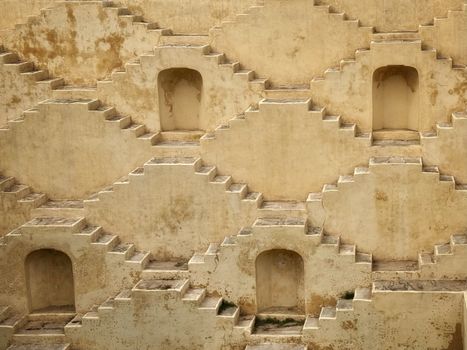
- 3-4 Days: This is often recommended for a more relaxed and comprehensive experience. It provides time to explore Nahargarh Fort, visit a stepwell like Panna Meena ka Kund, delve deeper into the bazaars, enjoy a cooking class, or take a food tour. You might also consider a day trip to a nearby attraction if time allows.
Best Time to Visit Jaipur
Choosing the right time to visit can significantly impact your experience:
- October to March: This is the peak season and widely considered the best time to visit. The weather is relatively cool and dry, with pleasant daytime temperatures (typically 20-25°C). Skies are usually clear, making for excellent sightseeing. Expect larger crowds and higher prices for accommodation and flights during these months.
- April to June: These months bring extreme heat, with temperatures often soaring above 40°C. Sightseeing becomes challenging and uncomfortable. This period is generally not recommended unless you have a specific reason to visit and are prepared for the heat.
- July to September: This is the monsoon season. While the rains bring relief from the heat and turn the landscape lush, heavy downpours can disrupt travel plans. Humidity is high, and some outdoor activities might be affected. However, it can also be a quieter time to visit, with fewer tourists.
Cheaper or Quieter Alternatives to Jaipur
If Jaipur's intensity or popularity doesn't quite align with your travel preferences, Rajasthan offers other captivating cities that might be a better fit:
- Udaipur: Known as the "City of Lakes" and often considered India's most romantic city. Udaipur offers a more relaxed pace, stunning lake palaces, beautiful havelis, and a generally calmer atmosphere than Jaipur. It's ideal for those seeking beauty and serenity.
- Jodhpur: The "Blue City" is famous for its houses painted in vibrant blue hues and the imposing Mehrangarh Fort that dominates the skyline. Jodhpur offers a distinct charm, narrower alleys to explore, and a slightly less overwhelming experience compared to Jaipur, while still providing grand historical sites.
- Pushkar: A smaller, spiritual town centred around a sacred lake and the Brahma Temple (one of the few in the world). Pushkar is significantly quieter and offers a more laid-back, bohemian vibe. It's an excellent choice for those interested in spirituality, local markets, and a slower pace of travel.
- Mandawa (Shekhawati Region): For a truly off-the-beaten-path experience, explore the Shekhawati region, particularly Mandawa. This area is famous for its exquisitely painted havelis (mansions) adorned with frescoes. It offers a glimpse into a bygone era without the large crowds of the major cities.
Common Mistakes When Visiting Jaipur
- Not planning transport: Relying solely on street rickshaws without agreeing on a price upfront can lead to overpaying. Use ride-hailing apps like Uber or Ola, or pre-negotiate fares.
- Only visiting the main sights: While the major forts and palaces are essential, missing out on the city's vibrant street life, local eateries, and smaller, less crowded temples or stepwells means missing a significant part of Jaipur's charm.
- Ignoring local cuisine: Sticking to familiar food instead of trying authentic Rajasthani dishes is a missed opportunity. Be adventurous with local specialities.
- Not dressing appropriately: Especially when visiting religious sites or conservative areas; shoulders and knees should be covered as a sign of respect.
- Underestimating the heat: Even in shoulder seasons, the sun can be intense. Always carry water, wear a hat, and seek shade during the hottest parts of the day.
- Not allowing enough time: Trying to rush through Jaipur in a single day will lead to exhaustion and a superficial experience. Give yourself at least two full days.
Plan Your Trip
Ready to experience the grandeur of Jaipur? Use Tripsora to craft a personalised itinerary that matches your interests, budget, and pace. Our AI platform can help you navigate the Pink City's wonders, ensuring a seamless and memorable journey.
Frequently asked questions
Is Jaipur safe for tourists?
Jaipur is generally safe for tourists, but like any major city, it's wise to be aware of your surroundings, especially at night. Petty theft can occur, and women travellers should exercise caution and avoid isolated areas after dark.
Can you visit Jaipur on a budget?
Yes, Jaipur can be visited on a budget. Accommodation options range from affordable guesthouses to luxury hotels, and local food is very inexpensive. Transport via auto-rickshaws and local buses is also budget-friendly, especially if you're comfortable negotiating fares.
What is Jaipur famous for?
Jaipur is famous for its stunning pink-hued architecture, earning it the nickname "The Pink City." It's renowned for its magnificent forts (like Amber Fort), opulent palaces (City Palace, Hawa Mahal), vibrant bazaars selling textiles and jewellery, and rich Rajasthani culture and cuisine.
Is Jaipur very crowded?
Yes, Jaipur can be very crowded, especially during the peak tourist season from October to March. Major attractions, markets, and main roads often experience significant pedestrian and vehicle traffic.
How far is Jaipur from Delhi?
Jaipur is approximately 280-300 kilometres (175-185 miles) southwest of Delhi. It's well-connected by road, train, and domestic flights, with travel times typically ranging from 4-6 hours by road or train, and about an hour by flight.