For travellers contemplating a French Riviera escape in 2026, the question "is Nice worth visiting?" is a common one. The direct answer is yes, Nice offers a compelling blend of urban sophistication, coastal beauty, and cultural depth that makes it a worthwhile destination for many. It serves as an excellent hub for exploring the wider region while providing plenty to see and do within its own bounds, though its unique character means it won't appeal to absolutely everyone.
Quick Facts: Nice at a Glance
| Category | Details |
|---|---|
| Best Time to Visit | May-June (late spring) or September-October (early autumn) for pleasant weather and fewer crowds. |
| Typical Costs (per day, approx.) | Budget: £60-£100 Mid-range: £100-£200 Luxury: £200+ Note: Prices are approximate and can vary significantly. Always check current rates on official websites. |
| How Many Days Recommended | 3-5 days to explore Nice and take one or two day trips. |
| Main Airport | Nice Côte d'Azur Airport (NCE) |
| Local Transport | Excellent tram network, buses, regional trains for day trips. Nice is very walkable. |
Who Will Love Nice?
Nice holds a particular appeal for several types of travellers, making it a truly rewarding destination for them:
- Culture Enthusiasts: With its impressive array of museums, including the Musée Matisse and Musée Marc Chagall, and its historic Vieux Nice (Old Town), Nice offers a rich cultural experience. The city's Italianate architecture, art galleries, and vibrant local markets provide a constant source of discovery.
- City Break Seekers with a Coastal Twist: Unlike smaller Riviera towns, Nice is a substantial city with a diverse range of dining, shopping, and nightlife options. It combines the amenities of an urban centre with immediate access to the Mediterranean Sea, offering the best of both worlds.
- Foodies and Market Lovers: Nice boasts a distinct culinary identity, with dishes like Socca, Salade Niçoise, and Pissaladière. The Cours Saleya market is a sensory delight, offering fresh produce, flowers, and local specialities daily, alongside numerous excellent restaurants.
- Explorers of the French Riviera: Nice's strategic location makes it an ideal base for day trips. The regional train network easily connects you to iconic destinations like Cannes, Monaco, Antibes, Eze, and Villefranche-sur-Mer, allowing for diverse itineraries without constantly changing accommodation.
- Walkers and Strollers: The city centre, including the Promenade des Anglais, Vieux Nice, and the port area, is largely flat and very walkable. Exploring on foot is often the best way to soak in the atmosphere.
Who Might Not Enjoy Nice?
While Nice has much to offer, certain aspects might not align with every traveller's expectations:
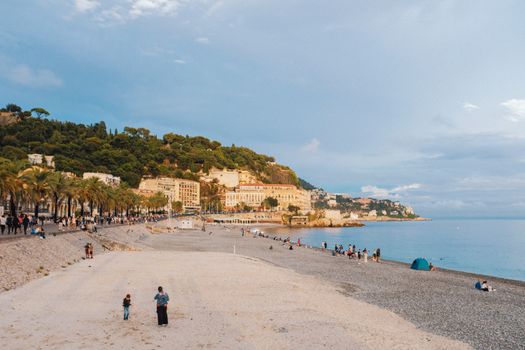
- Those Seeking Secluded Sandy Beaches: Nice's famous beaches are composed of pebbles, not soft sand. While beautiful and popular for sunbathing, they might not be ideal for those who prefer sandy shores or comfortable barefoot strolling by the water.
- Budget-Conscious Travellers on a Tight Schedule: As a popular destination on the French Riviera, Nice can be more expensive than other parts of France, especially for accommodation and dining, particularly during peak season. While budget options exist, a truly immersive experience might require a moderate budget.
- Visitors Avoiding Crowds: During the summer months (July and August), Nice experiences significant tourist traffic. The Promenade des Anglais, Vieux Nice, and popular attractions can become very crowded, which might detract from the experience for those seeking peace and quiet.
- Travellers Expecting a "Sleepy Village" Vibe: Nice is a bustling city. While it has charming historic areas, it's not a quaint, quiet village. There's urban noise, traffic, and a fast pace in parts of the city.
- Pure Adrenaline Junkies: While there are water sports and hiking opportunities nearby, Nice itself is more about cultural exploration, relaxation, and scenic beauty rather than extreme adventure sports.
Best Things To Do in Nice
Promenade des Anglais & Beaches
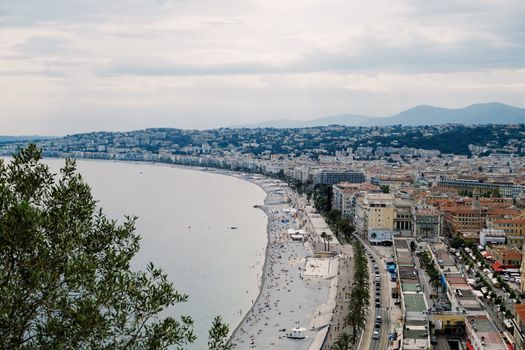
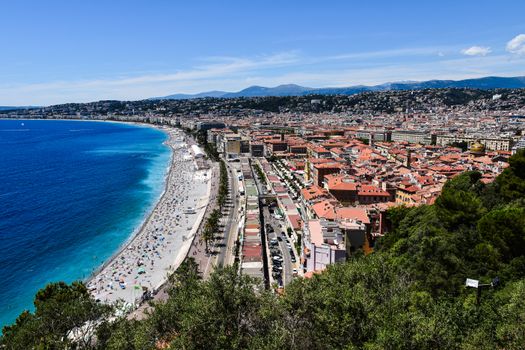
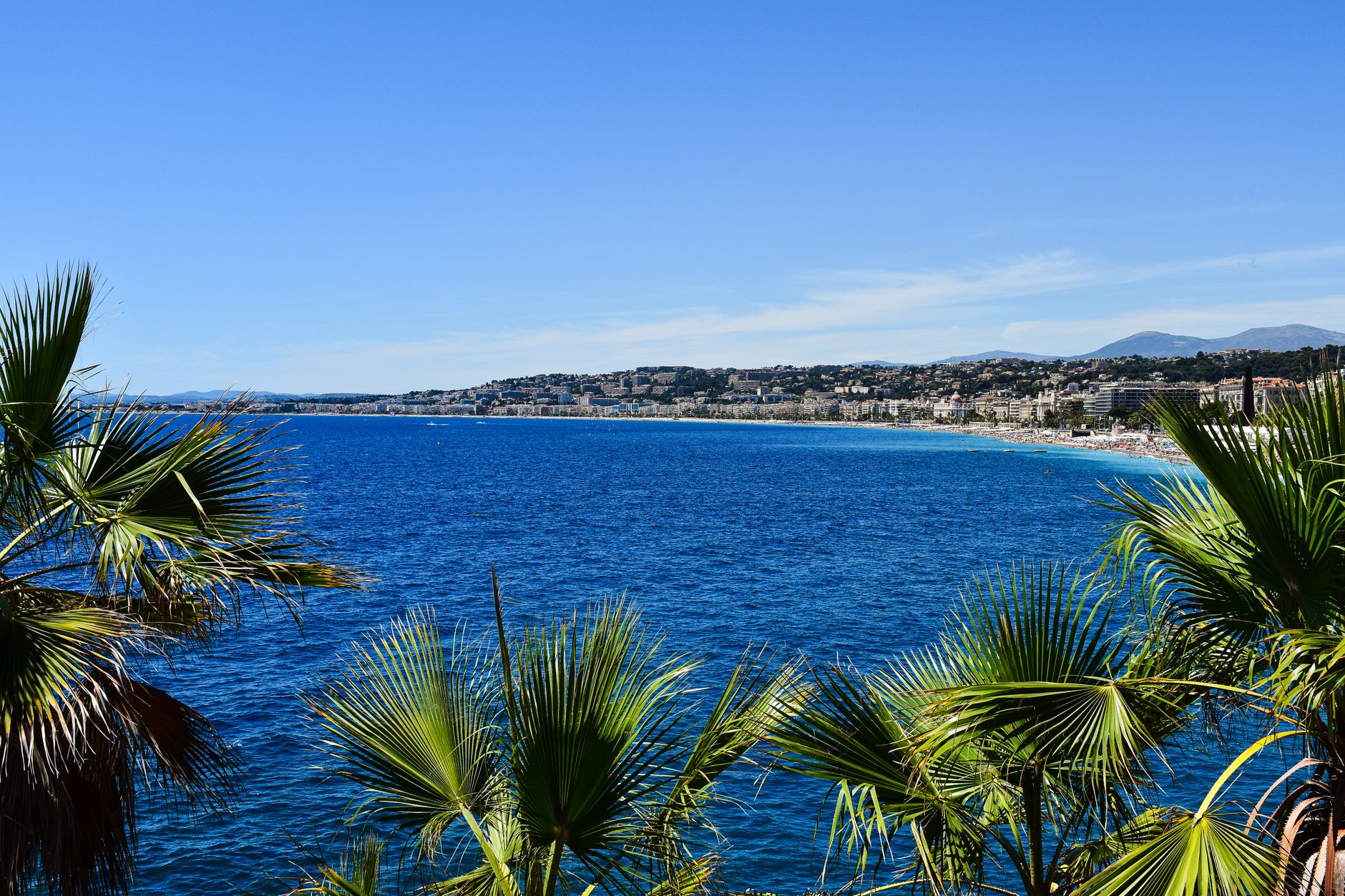
The iconic Promenade des Anglais stretches for approximately 7 kilometres along the Baie des Anges. It's perfect for a leisurely stroll, cycling, or simply people-watching. The pebble beaches alongside are popular for sunbathing and swimming, with both public and private sections. Consider renting a sun lounger at one of the private beach clubs for a more comfortable experience.
Vieux Nice (Old Town)
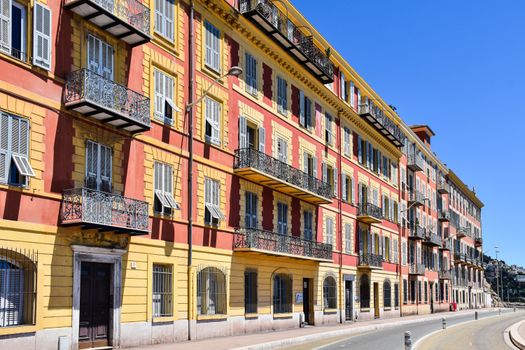
Step back in time in Vieux Nice, a labyrinth of narrow, winding streets, colourful Baroque buildings, and bustling squares. Explore the Cours Saleya market, which transforms from a vibrant flower and produce market in the mornings to a lively restaurant hub by evening. Discover hidden chapels, artisan shops, and traditional Niçoise eateries.
Pro tip: Get lost intentionally in Vieux Nice. Some of the best discoveries are made by simply wandering without a specific destination in mind. Look up to admire the architecture.
Castle Hill (Colline du Château)
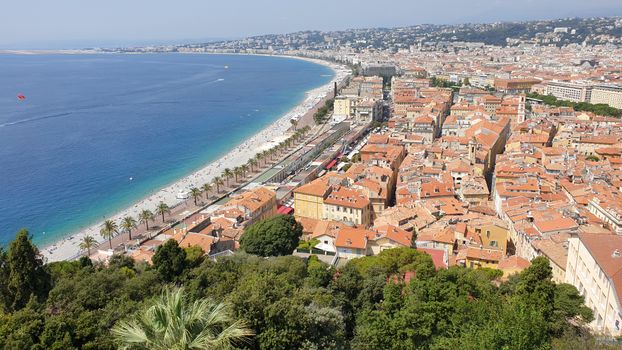
Though the castle itself is long gone, Castle Hill offers the most spectacular panoramic views of Nice, the Baie des Anges, and the port. You can ascend via a free elevator from near the Promenade, a tourist train, or by walking up several sets of stairs. At the top, you'll find a beautiful park, a waterfall, and remnants of the old citadel. It's particularly stunning at sunset.
Museums & Art
- Musée Matisse: Located in the Cimiez neighbourhood, this museum is housed in a 17th-century Genoese villa and showcases a significant collection of Henri Matisse's work, who lived in Nice for many years.
- Musée Marc Chagall: Dedicated to the artist Marc Chagall, this museum primarily features his biblical message series, a powerful collection of 17 large paintings.
- Musée Masséna: Situated in a beautiful villa on the Promenade des Anglais, this museum focuses on the history and art of Nice and the French Riviera from the end of the 18th century to the beginning of the 20th century.
Food & Markets
Nice's culinary scene is a highlight. Don't miss trying local specialities:
- Socca: A thin, savoury chickpea pancake, often cooked in a wood-fired oven.
- Salade Niçoise: The authentic version includes tuna, hard-boiled eggs, tomatoes, anchovies, olives, and green beans, dressed with olive oil.
- Pissaladière: A tart topped with caramelised onions, anchovies, and olives.
- Ratatouille: A stewed vegetable dish originating from Nice.
The Cours Saleya market is essential for experiencing local flavours. For fresh produce and local cheese, explore the smaller markets in liberation or other neighbourhoods.
Pro tip: Many traditional Niçoise restaurants offer a "plat du jour" (dish of the day) at lunchtime, which can be a more affordable way to sample authentic cuisine. Look for establishments away from the main tourist arteries in Vieux Nice.
What Might Disappoint You About Nice
- Pebble Beaches: As mentioned, the beaches are shingle. While clean and offering beautiful views, they are not soft sand, which can be a surprise for some.
- Summer Crowds: If you visit in July or August, expect significant crowds, particularly along the Promenade, in Vieux Nice, and at popular attractions. This can lead to longer waits and a less tranquil experience.
- Cost: Nice is part of the glamorous French Riviera, and prices for accommodation, dining, and even basic groceries can be higher than in other regions of France. A standard coffee might be £3-£5 approx., a main course at a mid-range restaurant £18-£30 approx.
- Traffic and Urban Noise: While charming in parts, Nice is a sizable city. Expect urban traffic, especially during rush hour, and the general hum of city life, particularly if your accommodation is on a busy street.
- Tourist Traps: Like any popular destination, some restaurants and shops in prime tourist areas might offer overpriced or inauthentic experiences. Researching or asking locals for recommendations can help avoid these.
How Many Days Do You Need in Nice?
To fully appreciate Nice and its surroundings, a stay of 3 to 5 days is typically recommended.
- 3 Days: Allows you to explore the main sights of Nice – Vieux Nice, Castle Hill, Promenade des Anglais, and one or two museums. You'll get a good feel for the city but might feel rushed if you want to relax.
- 4-5 Days: This duration is ideal. It provides enough time to delve deeper into Nice's neighbourhoods, enjoy its culinary scene, and comfortably incorporate one or two day trips to nearby Riviera gems like Eze, Monaco, or Antibes. You can explore at a more relaxed pace and truly soak in the atmosphere.
Best Time to Visit Nice
The shoulder seasons offer the best balance of pleasant weather and manageable crowds:
- May-June (Late Spring): The weather is typically warm and sunny, ideal for sightseeing and enjoying the coast, but without the intense heat and peak crowds of summer. Flowers are in bloom, and the city feels fresh.
- September-October (Early Autumn): The sea is still warm enough for swimming, the summer crowds have thinned out, and the temperatures are comfortably mild. It's an excellent time for cultural exploration and outdoor activities.
Summer (July-August) brings hot weather, high prices, and very large crowds. Winter (November-April) is cooler and quieter, with some attractions having reduced hours. While pleasant, it's less about beach activities and more about cultural visits and enjoying the mild Mediterranean winter.
Cheaper or Quieter Alternatives to Nice
If Nice doesn't quite fit your preferences, consider these alternatives on the French Riviera or nearby:
- Villefranche-sur-Mer: Just a short train ride from Nice, this picturesque fishing village offers a stunning bay, a charming old town, and a much quieter atmosphere. It's often considered more authentically "Riviera" than Nice.
- Antibes: Known for its yacht-filled port, Picasso Museum, and well-preserved ramparts. Antibes has beautiful sandy beaches (Plage de la Gravette, Plage du Ponteil) and a lively, yet less overwhelming, old town (Vieil Antibes).
- Menton: Close to the Italian border, Menton is famed for its vibrant citrus groves, stunning gardens, and Italianate architecture. It's often warmer in winter and less crowded than Nice, with a more relaxed pace.
- Cannes: While known for its film festival and luxury, outside of major events, Cannes offers beautiful beaches, a chic promenade (La Croisette), and a charming old quarter (Le Suquet) that can be explored without the dense crowds of Nice.
- Inland Provence Villages (e.g., Saint-Paul-de-Vence, Eze Village): For a truly quieter, more traditional French experience away from the coast, consider staying in a hilltop village. These offer stunning views, artisan shops, and a slower pace of life, though coastal access requires travel.
Common Mistakes When Visiting Nice
- Not Validating Transport Tickets: Always validate your tram or bus ticket when you board to avoid fines.
- Underestimating Sun Exposure: The Mediterranean sun can be intense, even outside of summer. Always use sunscreen, wear a hat, and stay hydrated.
- Only Eating in Tourist Traps: Venture a few streets away from the main squares and the Promenade to find more authentic and better-value dining.
- Wearing Uncomfortable Shoes for the Old Town: Vieux Nice's cobbled streets are charming but can be challenging in high heels or flimsy sandals. Opt for comfortable walking shoes.
- Not Booking Accommodation in Advance: Especially during peak season or major events, popular hotels and apartments can book up quickly and become very expensive.
- Expecting Sandy Beaches: Be prepared for pebbles; bring appropriate footwear for the beach.
Plan Your Trip with Tripsora
Whether Nice is your primary destination or a starting point for Riviera adventures, Tripsora can help you craft a personalised itinerary that matches your interests and budget. Discover unique experiences and optimise your travel plans by visiting Tripsora.
Frequently asked questions
Is Nice expensive to visit?
Nice can be more expensive than other parts of France, especially for accommodation and dining, particularly during peak season. However, budget-friendly options exist, and costs can be managed by eating at local markets and using public transport.
Are Nice's beaches sandy or rocky?
Nice's famous beaches are predominantly pebble or shingle beaches, not soft sand. While beautiful for sunbathing and swimming, it's advisable to bring appropriate footwear for comfort.
Is Nice walkable, or do I need public transport?
Nice is highly walkable, especially the city centre, Promenade des Anglais, and Vieux Nice. For longer distances or day trips, the city has an excellent tram network and regional trains that are efficient and easy to use.
How safe is Nice for tourists?
Nice is generally a safe city for tourists. However, like any major urban area, it's wise to be aware of your surroundings, particularly in crowded areas, and to take standard precautions against petty theft.
Can you do day trips from Nice?
Yes, Nice is an excellent base for day trips across the French Riviera. Popular destinations easily reachable by regional train or bus include Monaco, Cannes, Antibes, Eze Village, and Villefranche-sur-Mer.