Deciding between Lisbon vs Istanbul for your next city break means choosing between two captivating, historically rich, and culturally distinct destinations. While both offer stunning architecture, delicious food, and a unique atmosphere, they cater to different travel preferences. Lisbon typically provides a more laid-back, Western European experience with a strong sense of Fado and seafaring history, whereas Istanbul offers an exhilarating immersion into a vibrant East-meets-West metropolis, steeped in Byzantine and Ottoman grandeur.
Quick Facts: Lisbon vs Istanbul
| Category | Lisbon | Istanbul |
|---|---|---|
| Cost Level (approx.) | Mid-range (££) | Budget-friendly (£) |
| Best For | Relaxed city breaks, foodies, history buffs, scenic views, Fado music, day trips | Cultural immersion, history enthusiasts, food adventurers, unique shopping, vibrant atmosphere |
| Typical Weather (Nov 2026) | Mild, some rain (10-18°C) | Cool, often crisp (5-12°C) |
| Getting Around | Walkable, trams, metro, funiculars, buses | Extensive metro, tram, bus, ferry network; taxis |
| Crowds | Moderate, can be busy in popular areas | Dense, especially in historical and market areas |
| Food Highlights | Pastéis de Nata, Bacalhau, seafood, Ginjinha, Bifana | Kebabs, Mezze, Baklava, Turkish Delight, Simit, Turkish coffee |
| Nightlife | Lively bars in Bairro Alto, Fado houses, riverside clubs | Rooftop bars, live music, traditional meyhanes, Bosphorus cruises |
| Day Trips | Sintra, Cascais, Óbidos, Évora | Princes' Islands, Bursa (via ferry), Black Sea coast towns |
| Trip Length Needed | 3-5 days for core city, 5-7 days with day trips | 4-6 days for core city, 6-8 days with day trips |
Cost & Value
When comparing Lisbon vs Istanbul, your budget will likely stretch further in Istanbul. Turkey generally offers a more budget-friendly travel experience compared to Portugal, particularly for accommodation, dining, and local transport.
Lisbon's Price Point
Lisbon is considered one of Western Europe's more affordable capital cities, but prices have risen in recent years. You can find good value, especially if you eat at local "tascas" and use public transport. A typical mid-range hotel might cost approx. £80-£150 per night, while a sit-down meal could be approx. £15-£25 per person. Local transport passes are economical.
Istanbul's Affordability
Istanbul offers excellent value for money. Accommodation, food, and transport are generally significantly cheaper than in Lisbon. A mid-range hotel might be approx. £50-£100 per night, and a substantial meal at a local eatery could be approx. £8-£18 per person. Public transport is very inexpensive, especially with an Istanbulkart.
Pro tip: Always carry some local currency (Euros in Lisbon, Turkish Lira in Istanbul) for small purchases, especially at markets or smaller cafes, though card payments are widely accepted in both cities. Always check current exchange rates and prices closer to your travel date on official websites.
Culture & History
Both cities boast millennia of history, but their cultural narratives and architectural styles are distinctly different, reflecting their unique geographical and historical positions.
Lisbon's Heritage
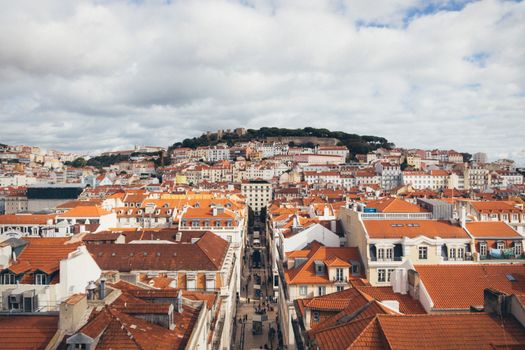
Lisbon's history is deeply intertwined with its maritime past, the Age of Discoveries, and its resilience after the 1755 earthquake. You'll find a charming blend of Moorish influences, Manueline architecture, and Pombaline reconstruction.
- Alfama District: Wander through the oldest district, a labyrinth of narrow streets, historic houses, and Fado music venues.
- Belém Tower & Jerónimos Monastery: Iconic Manueline structures showcasing Portugal's golden age of exploration.
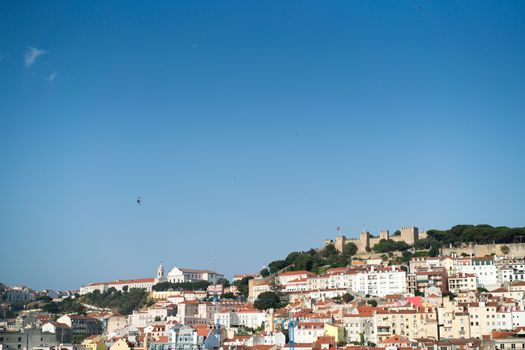
- São Jorge Castle: Offers panoramic views over the city and the Tagus River, with origins dating back to Roman times.
- Fado: Experience this soulful, traditional Portuguese music in intimate settings, particularly in Alfama or Bairro Alto.
Istanbul's Legacy
Istanbul, formerly Constantinople and Byzantium, is a city where East meets West, literally spanning two continents. Its history is a grand tapestry of empires, from Roman and Byzantine to Ottoman, each leaving an indelible mark.
- Hagia Sophia: A former church, then mosque, now a mosque again, it's an architectural marvel reflecting centuries of religious and cultural shifts.
- Blue Mosque (Sultan Ahmed Mosque): Famous for its six minarets and stunning blue Iznik tiles.
- Topkapi Palace: The opulent residence of Ottoman sultans for nearly 400 years, offering insight into imperial life.
- Grand Bazaar & Spice Market: Ancient, sprawling markets that are a sensory overload of colours, sounds, and aromas, perfect for experiencing traditional commerce.
Food & Drink
Prepare for a culinary adventure in both cities, each offering distinct flavours, ingredients, and dining traditions.
Lisbon's Culinary Scene
Lisbon's cuisine is defined by its fresh seafood, hearty stews, and delightful pastries. Expect simple yet flavourful dishes, often featuring olive oil, garlic, and fresh herbs.
- Pastéis de Nata: The iconic custard tart, best enjoyed warm with a sprinkle of cinnamon, particularly from Pastéis de Belém.
- Bacalhau: Codfish prepared in countless ways (e.g., Bacalhau à Brás, Bacalhau com Natas).
- Sardines: Especially popular grilled during the summer festivals, but available year-round.
- Ginjinha: A sweet cherry liqueur, often served in a chocolate cup, found in small bars around Rossio.
Istanbul's Gastronomy
Istanbul's food scene is a rich blend of Middle Eastern, Mediterranean, and Central Asian influences, offering a diverse array of kebabs, mezze, and sweet treats.
- Kebabs: From Adana and Urfa to Döner, the variety is immense.
- Mezze: A selection of small appetisers like hummus, eggplant salads, and stuffed vine leaves.
- Baklava & Turkish Delight (Lokum): Indulgent sweets, perfect with Turkish coffee or tea.
- Simit: A sesame-crusted bread ring, a popular street food for breakfast or a snack.
Pro tip: In both cities, seek out local eateries away from the main tourist thoroughfares for more authentic flavours and better prices. In Lisbon, look for "Prato do Dia" (dish of the day) specials. In Istanbul, try a "lokanta" for home-style Turkish cooking.
Getting Around & Atmosphere
Both cities are hilly, requiring good walking shoes, but their public transport systems are efficient and offer different experiences.
Navigating Lisbon
Lisbon is a city of seven hills, meaning you'll do a fair amount of uphill walking. However, its public transport system is charming and effective.
- Trams: Iconic yellow trams, especially Tram 28, offer a scenic (and often crowded) way to see the historic districts.
- Metro: Clean, efficient, and connects most parts of the city.
- Funiculars & Elevators: Elevador de Santa Justa and the funiculars (Bica, Glória, Lavra) save you from steep climbs.
- Atmosphere: Generally relaxed, with a melancholic charm (saudade). Streets are often cobbled, and viewpoints (miradouros) are plentiful.
Exploring Istanbul
Istanbul is vast and sprawling, making its extensive public transport network essential. While the historical core is walkable, getting between districts often requires a ride.
- Metro & Tram: Modern and efficient, connecting key areas like Sultanahmet, Beyoğlu, and Kadıköy.
- Ferries: A fantastic way to cross the Bosphorus, offering stunning views and a taste of local life.
- Buses: Cover routes not served by rail, but can be slow in traffic.
- Atmosphere: Energetic, bustling, and vibrant. The call to prayer echoes across the city, and the Bosphorus is a constant presence.
Nightlife & Entertainment
Both cities offer diverse nightlife, from traditional performances to modern bars and clubs, catering to different moods.
Lisbon's Evening Scene
Lisbon's nightlife ranges from intimate Fado houses to lively bars and riverside clubs.
- Bairro Alto: The epicentre of Lisbon's nightlife, with narrow streets packed with small bars where people spill out onto the pavement.
- Cais do Sodré: Home to more modern bars and clubs, particularly along "Pink Street."
- Fado Houses: For a traditional Portuguese experience, often accompanied by dinner, found in Alfama and Bairro Alto.
Istanbul's Nightlife
Istanbul offers a vibrant and varied nightlife, from sophisticated rooftop bars to traditional meyhanes and Bosphorus dinner cruises.
- Beyoğlu (especially Istiklal Avenue & side streets): A hub for bars, clubs, and live music venues.
- Karaköy & Kadıköy: Trendy areas with cafes, bars, and a younger crowd.
- Rooftop Bars: Many hotels and restaurants offer stunning views of the Bosphorus and city skyline.
- Meyhanes: Traditional taverns serving mezze and rakı, often with live music.
Day Trips & Extended Stays
Both Lisbon and Istanbul serve as excellent bases for exploring surrounding regions, offering diverse day trip options.
Lisbon Day Trips
Portugal's compact size allows for easy day trips to charming towns and coastal areas.
- Sintra: A UNESCO World Heritage site known for its romantic 19th-century architecture, including Pena Palace and Quinta da Regaleira. Approx. 40 minutes by train.
- Cascais: A picturesque coastal town with beaches, a marina, and a relaxed atmosphere. Approx. 40 minutes by train.
- Óbidos: A medieval walled town with cobbled streets and a castle. Approx. 1 hour by bus.
- Évora: Another UNESCO site, famous for its Roman Temple, Chapel of Bones, and historic centre. Approx. 1.5 hours by train/bus.
Istanbul Day Trips
Istanbul's strategic location offers a mix of island getaways, ancient cities, and Black Sea coastal towns.
- Princes' Islands (Adalar): A cluster of nine islands in the Sea of Marmara, car-free and perfect for cycling or horse-drawn carriage rides. Büyükada is the largest. Approx. 1-1.5 hours by ferry.
- Bursa: The first capital of the Ottoman Empire, known for its Ottoman-era mosques, thermal baths, and Mount Uludağ for skiing in winter. Approx. 2-3 hours by ferry and bus.
- Anadolu Kavağı: A charming fishing village on the Asian side of the Bosphorus, offering fresh seafood and a castle ruin. Approx. 1.5-2 hours by Bosphorus ferry.
Common Mistakes to Avoid
- Underestimating the Hills: Both Lisbon and Istanbul are very hilly. Wear comfortable shoes and be prepared for climbs. Utilise public transport (trams, funiculars in Lisbon; metro, tram, ferries in Istanbul) to save your legs.
- Not Validating Transport Tickets: In both cities, it's crucial to validate your ticket or pass when entering public transport, even if barriers are open. Fines can be issued.
- Only Staying in Tourist Hubs: While Sultanahmet (Istanbul) and Baixa/Chiado (Lisbon) are central, venture into neighbourhoods like Kadıköy (Istanbul) or Graca (Lisbon) for a more authentic local experience.
- Ignoring Local Customs: In Istanbul, dress modestly when visiting mosques (shoulders and knees covered, headscarf for women). In Lisbon, be aware of pickpockets in crowded tourist areas, especially on Tram 28.
- Not Booking Ahead: For popular Fado shows in Lisbon or Bosphorus dinner cruises in Istanbul, booking in advance is advisable, especially during peak season.
Making Your Choice: Lisbon or Istanbul?
Your ideal city break depends on what you seek from your travels:
Choose Lisbon if you:
- Prefer a more relaxed, walkable city with a strong European feel.
- Are drawn to stunning Atlantic views, charming cobbled streets, and melancholic Fado music.
- Desire a culinary experience focused on fresh seafood and delightful pastries.
- Are looking for a destination that combines historical exploration with a laid-back atmosphere and easy day trips to coastal towns and palaces.
- Appreciate a slightly more familiar cultural experience, albeit with its own unique Portuguese flavour.
Choose Istanbul if you:
- Seek a truly immersive and culturally distinct experience, bridging East and West.
- Are fascinated by the grandeur of ancient empires (Byzantine, Ottoman) and their architectural legacies.
- Are excited by a bustling, energetic metropolis that offers a sensory feast of sights, sounds, and smells.
- Want to explore a diverse culinary landscape, from street food kebabs to elaborate mezze spreads.
- Are travelling on a tighter budget and want your money to go further, without compromising on rich experiences.
Plan your trip
Whether you choose Lisbon's sun-drenched hills or Istanbul's Bosphorus-straddling majesty, a personalised itinerary will help you make the most of your journey. Build your perfect trip with Tripsora.
Frequently asked questions
Which city is more affordable, Lisbon or Istanbul?
Istanbul is generally more affordable than Lisbon, particularly for accommodation, dining, and public transport, offering excellent value for money. Lisbon is still considered budget-friendly for Western Europe but prices have risen.
Which city is better for history buffs?
Both cities are rich in history, but they offer different historical narratives. Lisbon focuses on its maritime past, the Age of Discoveries, and post-earthquake reconstruction, while Istanbul provides a deeper dive into Roman, Byzantine, and Ottoman empires, with grand mosques and palaces.
How many days are recommended for each city?
For Lisbon, 3-5 days are sufficient to explore the main city, with 5-7 days if you plan on taking day trips to places like Sintra. For Istanbul, 4-6 days are recommended for the core city, extending to 6-8 days with day trips to places like the Princes' Islands.
Is it easy to get around in Lisbon and Istanbul?
Both cities have efficient public transport systems. Lisbon is very walkable but hilly, utilising trams, metro, and funiculars. Istanbul is vast, making its extensive metro, tram, and ferry network essential for getting between districts.
Which city offers better food for a foodie traveller?
Both cities are culinary delights. Lisbon excels with fresh seafood, Bacalhau, and iconic Pastéis de Nata. Istanbul offers a diverse array of kebabs, mezze, and sweet treats like Baklava, representing a fusion of Eastern and Mediterranean flavours.