For travellers seeking to explore India without breaking the bank, understanding the cheapest time to visit India is key to unlocking significant savings. While the country offers incredible experiences year-round, prices for flights, accommodation, and even some tours fluctuate dramatically with the seasons. By strategically planning your trip during specific periods, you can enjoy India's rich culture, diverse landscapes, and incredible cuisine at a fraction of the cost, often with fewer crowds to contend with.
Quick Facts: Planning Your India Trip
| Category | Details |
|---|---|
| Best Value Months | Early March, Late October, November |
| Typical Daily Budget (approx.) | £30-£60 (budget traveller), £60-£120 (mid-range comfort) |
| Visa Requirements | Required for most foreign nationals; check official government websites for the latest e-Visa or traditional visa rules. |
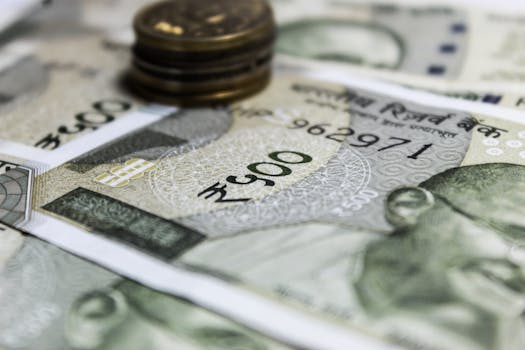
| Currency | Indian Rupee (INR) |
| Main International Airports | Delhi (DEL), Mumbai (BOM), Bengaluru (BLR), Chennai (MAA), Kolkata (CCU) |
| Primary Modes of Transport | Trains (extensive network), local buses, domestic flights, auto-rickshaws, metro (major cities) |
Note: All prices are approximate and in GBP (£). Always check current exchange rates, visa regulations, and prices closer to your travel dates.
Understanding India's Travel Seasons
India's vast geographical spread means that weather patterns vary significantly across regions. However, general travel seasons dictate pricing across the country:
High Season (October to March)
This is when India experiences its most pleasant weather across most regions, particularly in the popular northern states like Rajasthan, Delhi, and Uttar Pradesh, as well as the southern states of Kerala and Goa. Temperatures are comfortable, rainfall is minimal, and skies are typically clear. As a result, this period sees the highest demand for flights and accommodation, leading to peak prices and larger crowds at popular attractions. Major festivals like Diwali (Oct/Nov) and Holi (Mar) also fall within or near this period, further increasing demand.
Shoulder Season (April, Early June, Late September)
The shoulder seasons offer a transitional period, balancing decent weather with more moderate prices. April marks the start of summer, with temperatures rising, especially in the north. Late September sees the monsoon receding, leaving lush landscapes and fewer crowds before the peak season begins. Early June is the cusp of monsoon, where some regions might still be dry and offer pre-monsoon discounts. These months can be an excellent choice for budget-conscious travellers willing to tolerate slightly warmer or more humid conditions for better value.
Low Season (May to September)
This period encompasses India's hot summer months (May) and the monsoon season (June to September). Temperatures can be extremely high across the northern plains in May, making sightseeing challenging. The monsoon brings heavy rainfall, especially to coastal areas and the Western Ghats, which can disrupt travel plans and limit outdoor activities. However, this is when you'll find the absolute cheapest prices for flights and hotels. Some regions, like the Himalayas, can be particularly beautiful and accessible during parts of the monsoon, offering unique experiences at lower costs.
Cheapest Time to Visit India: Month-by-Month Breakdown
To pinpoint the ideal time for your budget trip, consider the typical weather, crowd levels, and price trends for each month. This table provides a general overview, but always remember India's immense diversity means regional variations are common.
| Month | Typical Weather | Crowd Level | Approx. Flight/Stay Cost Trend | Notes for Budget Travel |
|---|---|---|---|---|
| January | Cool & dry in North, pleasant in South. Foggy mornings in Delhi. | High | High | Peak season. Book well in advance. Very popular for Rajasthan, Goa, Kerala. |
| February | Pleasant across most regions. Ideal for sightseeing. | High | High | Still peak season, but might see slight dips towards month-end. |
| March | Warm up north, hot in south. Monsoon approaches south by end. | Moderate-High | Moderate | Sweet spot: Early March offers good weather & pre-summer discounts. Holi festival can increase prices. |
| April | Hot & dry across most plains. Pleasant in hills. | Low-Moderate | Low-Moderate | Summer begins. Good deals for flights & hotels, especially for Northern India. Hill stations are popular. |
| May | Very hot across plains, humid in coastal areas. Pleasant in Himalayas. | Low | Lowest | Extreme heat in many areas. Best for Himalayan treks or indoor activities. Significant discounts available. |
| June | Monsoon arrives in South & East. Hot & humid elsewhere. | Low | Lowest | Monsoon season begins. Lower prices. Green landscapes. Consider regions less affected by early monsoon. |
| July | Heavy monsoon rains across much of India. Lush greenery. | Low | Lowest | Deep monsoon. Best for nature lovers, waterfalls. Travel can be slower. Excellent deals. |
| August | Monsoon continues, but often with breaks. Flooding possible in some areas. | Low | Lowest | Still monsoon. Prices remain very low. Consider places like Ladakh (dry) or Kerala for Ayurvedic treatments. |
| September | Monsoon recedes, humidity high. Pleasant towards month-end. | Low-Moderate | Low-Moderate | Monsoon ends. Landscapes are green. Good value before peak season. Can be a good shoulder month. |
| October | Pleasant & clear skies. Post-monsoon freshness. | Moderate-High | Moderate | Sweet spot: Late October offers good weather & pre-peak season value. Diwali can raise prices. |
| November | Cool & dry in North, pleasant in South. Ideal weather. | High | Moderate-High | Sweet spot: Early November can offer good value before prices fully peak. Excellent weather. |
| December | Cool & dry across most regions. Festive season. | High | High | Peak tourist season, especially around Christmas & New Year. Book far in advance. |
The Sweet Spot: Best Value Months for India Travel
While the absolute cheapest time to visit India falls during the intense heat of summer or the monsoon, the "sweet spot" for budget travellers is when you find a balance between lower costs and enjoyable weather. This typically occurs during the shoulder seasons, specifically:
Early March
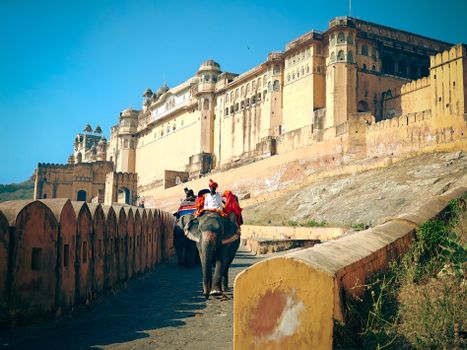
As the winter chill recedes and before the intense summer heat sets in, early March offers a fantastic window. The weather across Northern India (Rajasthan, Uttar Pradesh, Delhi) is generally warm and sunny, perfect for exploring historical sites like the Red Fort in Delhi or the palaces of Jaipur. In Southern India, coastal areas like Goa and Kerala are still pleasant, though temperatures begin to climb. You'll find that flight and accommodation prices are noticeably lower than in the peak winter months, and popular attractions are less crowded. This period also often precedes the major school holidays, contributing to better deals.
Late October / Early November
Following the monsoon, late October and early November present another excellent opportunity for value travel. The landscapes are lush and green from the rains, the air is fresh, and temperatures are comfortable across most of the country. This is an ideal time to visit the backwaters of Kerala, the beaches of Goa, or the wildlife sanctuaries before they become packed. While prices start to rise as the peak season approaches, booking early for this window can secure you better rates than those found later in November and December. Be mindful of Diwali, which usually falls in October or November, as it can temporarily increase prices and crowds in some areas.
Smart Strategies for Cheaper Flights to India
Flights are often the biggest single expense for an international trip to India. Employing these strategies can significantly reduce your airfare:
- Book in Advance: Aim to book your flights 3-6 months ahead of your intended travel date, especially if you're targeting the shoulder or high season.
- Be Flexible with Dates: Flying mid-week (Tuesday to Thursday) or during off-peak hours can often yield cheaper fares. Using flight comparison sites with flexible date options can highlight the cheapest days.
- Consider Connecting Flights: Direct flights are convenient but often more expensive. Be open to flights with one or two layovers, as these can offer substantial savings.
- Fly into Smaller Airports (if applicable): While Delhi and Mumbai are major hubs, sometimes flying into secondary international airports like Chennai, Bengaluru, or Amritsar can be cheaper, depending on your final destination.
- Utilise Flight Comparison Tools: Websites like Skyscanner, Google Flights, and Kayak are invaluable for comparing prices across multiple airlines and finding the best deals.
Pro tip: Set up price alerts for your desired route. You'll be notified when fares drop, allowing you to snag a deal as soon as it appears.
How to Save on Accommodation and Local Costs
Beyond flights, managing your daily expenses is crucial for a budget-friendly trip to India. Here's how to keep costs down:
- Choose Budget Accommodation: Opt for guesthouses, homestays, hostels, or smaller boutique hotels over large chains. These often offer authentic experiences at a fraction of the price. Consider staying slightly outside the absolute city centre for better value.
- Book Non-Refundable Rates: If your travel plans are firm, non-refundable rates are typically cheaper than flexible options. Always read the cancellation policy carefully.
- Eat Local: India's street food is legendary, delicious, and incredibly affordable. Look for popular local eateries and "thali" restaurants (serving a platter of various dishes) for authentic and inexpensive meals.
- Embrace Public Transport: India has an extensive and affordable public transport network. Utilise long-distance trains for inter-city travel (book well in advance), local buses, and city metros (in Delhi, Mumbai, Bengaluru). For shorter distances, auto-rickshaws are common – always agree on a price beforehand or ensure the meter is used.
- Bargain Politely: In local markets and for auto-rickshaw fares (where no meter is used), polite bargaining is expected and can save you money. Always do so with a smile.
- Minimise Tour Packages: While convenient, pre-booked tour packages can be expensive. Consider organising your own itinerary using local transport and hiring guides for specific sites if needed.
Pro tip: Travel during the absolute low season (May-August) for the deepest discounts on hotels and guesthouses. Many establishments offer significant reductions to attract guests during these quieter months.
Common Mistakes When Planning a Budget India Trip
- Underestimating the vastness of India and trying to cover too much in a short time, leading to expensive last-minute travel.
- Not checking visa requirements well in advance, resulting in unexpected costs or delays.
- Ignoring local transport options and relying solely on taxis or private cars, which can quickly add up.
- Forgetting to factor in incidental costs like entrance fees, tips, and bottled water.
- Booking flights or popular hotels last minute during the peak season, leading to inflated prices.
- Not being prepared for varying weather conditions across different regions, especially during shoulder seasons.
Plan Your Trip
Finding the cheapest time to visit India is just the first step towards an incredible and affordable adventure. With the right planning and a flexible approach, you can experience the best of India without overspending. Start building your personalised itinerary today and discover how easy it is to craft your ideal budget-friendly journey with Tripsora.
Frequently asked questions
Is it safe to visit India during the monsoon?
Visiting India during the monsoon (June-September) is generally safe, but travel can be slower due to heavy rains, and some rural roads might be affected. Certain regions, like coastal areas and the Western Ghats, experience intense rainfall, while others, like Ladakh, remain largely dry.
What are typical daily expenses for a budget traveller in India?
A budget traveller in India can typically expect to spend around £30-£60 per day. This includes basic guesthouse accommodation, local street food or simple restaurant meals, public transport, and entrance fees to a couple of attractions.
Can I find good deals on flights to India last minute?
Generally, no. Last-minute flight deals to India are rare, especially for international routes. It is almost always cheaper to book flights at least 3-6 months in advance, particularly if travelling during the high or shoulder seasons.
Which regions of India are cheapest to visit?
While prices vary, regions like Rajasthan, Uttar Pradesh, and parts of Madhya Pradesh offer excellent value for money. Southern states like Kerala and Goa can be more expensive during peak season but offer great deals during the monsoon.
Do I need a visa to visit India?
Yes, most foreign nationals require a visa to enter India. This can often be obtained as an e-Visa online, but it's crucial to check the latest requirements and application procedures on the official Indian government visa website well before your travel dates.