I Stepped Off the Collectivo and Smelled the Eucalyptus
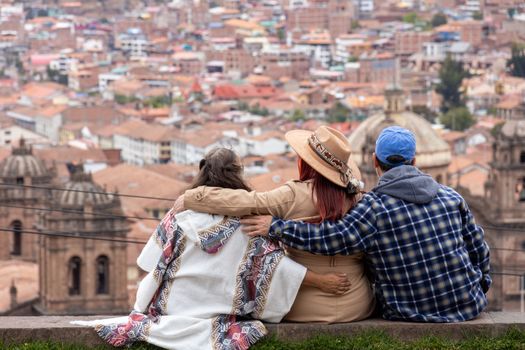
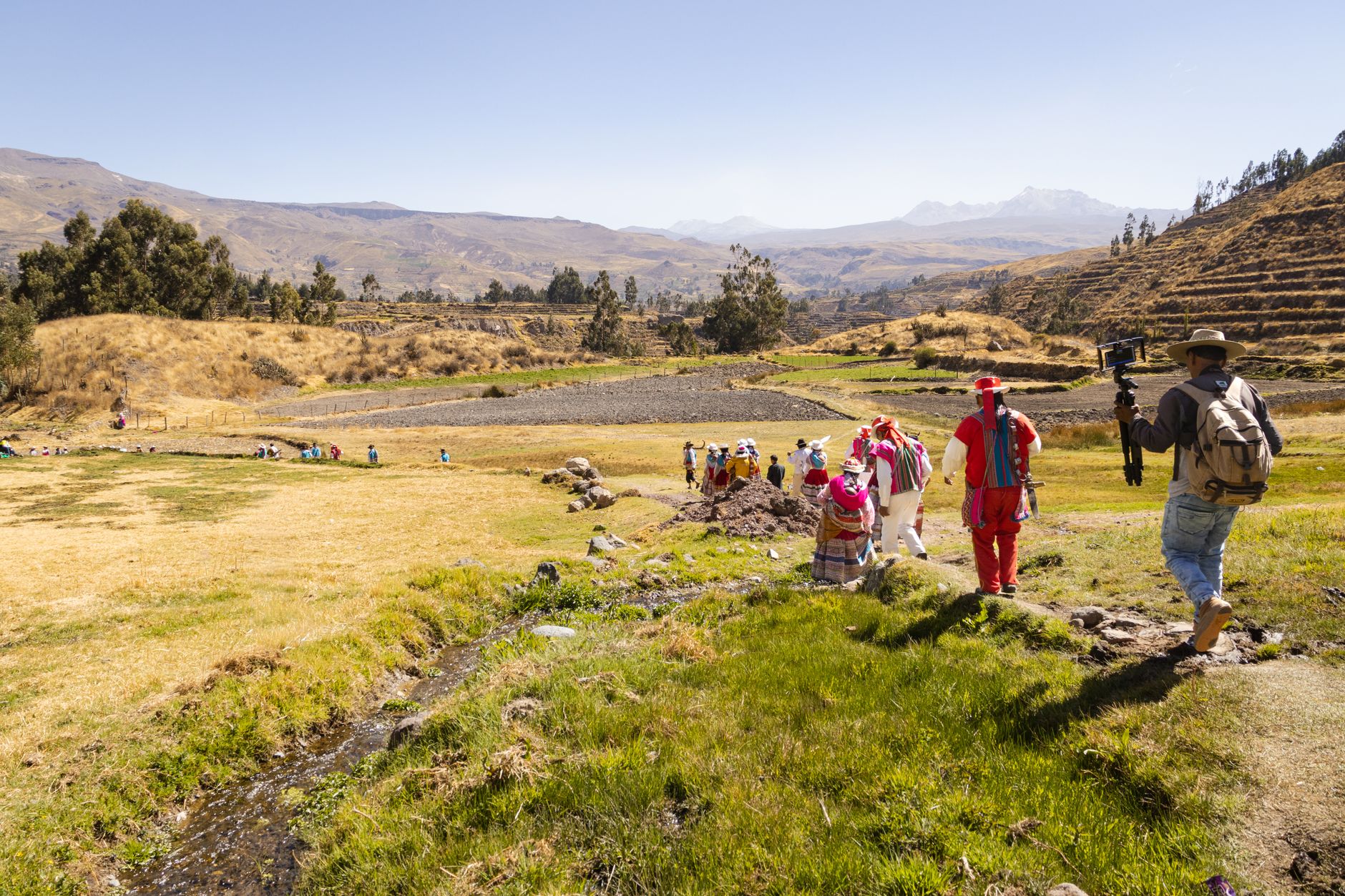
I stepped off the rusted, blue collectivo bus and immediately felt the thin, biting air of the Peruvian Andes hit the back of my throat. At 11,500 feet, the world smells different. It smells of damp earth, woodsmoke, and the sharp, medicinal tang of wild muña (Andean mint) crushed underfoot.
My hands were freezing, but within seconds, they were warmed by a cup of hot herbal tea pressed into my palms by Nelly, a master weaver from the Amaru community of Pisac. Her fingers, stained a deep, semi-permanent magenta from years of working with cochineal dye, were rough and strong.
```
Mass tourism leaves a footprint; community tourism leaves a legacy.
```
For years, travelers to the Sacred Valley rushed through on tour buses, snapped photos of indigenous weavers from behind glass windowpanes, and left. The profits went to international tour agencies based in Lima or Miami.
But today, I wasn't a passive spectator. I was staying in Nelly’s adobe home, learning how to extract yellow dye from the qolle flower, and seeing exactly how my tourist dollars paid for her daughter’s university tuition.
This is the reality of community tourism that benefits local economies travel advisors suggest. It is intimate, it is transformative, and when done correctly, it is the most powerful tool we have to redistribute global wealth.
---
Why Travel Advisors are Shunning Mass Resorts for Community-Based Tourism (CBT)
For decades, the travel industry operated on an extraction model. Tourists arrived, consumed resources, generated waste, and departed. According to the United Nations Environment Programme (UNEP), for every $100 spent on a tour in a developing country by a traveler from a developed country, only about $5 remains in the destination's economy. This is known as tourism leakage.
```
Mass Tourism Leakage: 95% of your money leaves the community.
Community-Based Tourism: Up to 85% of your money stays local.
```
To combat this, elite travel advisors are shifting their clients toward Community-Based Tourism (CBT). In a CBT model, the local community owns, manages, and runs the tourism infrastructure. They aren't just employees; they are the stakeholders, CEOs, and beneficiaries.
When you book a CBT experience:
* The Leakage Stops: Your money directly funds local schools, healthcare, and conservation efforts.
* Cultural Preservation is Funded: Traditional crafts, languages, and agricultural techniques become economically viable assets rather than relics of the past.
* Environmental Stewardship Thrives: Local communities protect their natural resources because their livelihoods depend on keeping their ecosystems intact.
---
4 Advisor-Approved Destinations Putting Community First
If you want to plan an itinerary that leaves a positive economic footprint, these four destinations are highly recommended by sustainable travel specialists.
1. The Amaru Weaving Community (Sacred Valley, Peru)
High above the bustling market town of Pisac, the Amaru community has preserved ancestral Quechua agricultural and textile traditions.
- The Experience: You don't just buy a poncho; you spend a day harvesting native potatoes, shearing alpaca wool, spinning yarn on a drop spindle, and learning the complex iconographies woven into every textile.
- The Economic Impact: The community cooperative pools a percentage of all tourism revenue into a communal fund used to buy agricultural tools and fund emergency medical care for elders.
> Pro-Tip: Do not book this through a massive aggregator site. Ask a specialized travel advisor to connect you directly with local associations like Tierra de los Yachaqs, or book directly at their community office in Pisac. Bring cash (soles) in small denominations; there are no card readers at 11,000 feet.
---
2. Mae Kampong Eco-Valley (Chiang Mai, Thailand)
Located in the lush, mist-shrouded hills of Northern Thailand, Mae Kampong is a model for successful community-based tourism in Southeast Asia.
- The Experience: Visitors stay in traditional wooden cottages perched over running streams, hike through organic wild tea and coffee plantations, and dine on miang (fermented tea leaves) prepared by local elders.
- The Economic Impact: The village operates under a strict cooperative system. Homeowners rotate hosting duties to ensure income is distributed equally among all participating families. A portion of every stay goes into a village cooperative bank that offers low-interest loans to residents starting small businesses.
> Pro-Tip: Skip the crowded weekend day trips from Chiang Mai. Book a two-night homestay mid-week. Wake up at 6:00 AM to participate in the quiet, respectful morning almsgiving to the local Buddhist monks—an experience completely missed by day-trippers.
---
3. Taos Pueblo (New Mexico, USA)
You don't need to cross oceans to experience community-first tourism. Taos Pueblo, a UNESCO World Heritage Site, has been continuously inhabited for over 1,000 years.
- The Experience: Walk among the multi-tiered adobe dwellings, purchase handmade micaceous clay pottery directly from the artists, and taste fresh, oven-baked frybread (horno) sweetened with local wild plum jam.
- The Economic Impact: The Pueblo is entirely self-governed and owned by the Taos Pueblo Tiwa people. Admission fees and camera permits directly fund the maintenance of the ancient adobe structures and support the community's sovereign infrastructure.
> Pro-Tip: Respect the "Restricted Area" signs. These are not tourist backdrops; they are active homes and sacred ceremonial spaces. Always ask for explicit permission before taking a photo of any tribal member.
---
4. Il Ngwesi Group Ranch (Laikipia, Kenya)
While many African safaris are owned by foreign luxury lodge brands, Il Ngwesi is entirely owned and operated by the local Maasai community.
- The Experience: Track black rhinos on foot with Maasai morans (warriors), sleep in an open-air eco-lodge built from local deadwood, and learn about traditional medicinal plants.
- The Economic Impact: 100% of the lodge’s profits go toward funding local schools, clean water projects, and a community-run conservation trust that protects the local wildlife corridor from poachers.
> Pro-Tip: Visit during the dry season (June to October). The wildlife congregates around the Ngare Ndare River, which runs right past the lodge, offering spectacular viewing directly from your private veranda.
---
How to Vet a Community Tour Operator Like a Pro
Not all tours that claim to be "local" actually benefit the community. Many large agencies use "community-washing" to market standard tours at a premium.
To ensure your money lands in the right hands, ask these three critical questions before booking:
1. "What percentage of the booking fee stays in the community?"
If the operator cannot give you a clear, transparent percentage, walk away. Legitimate community tourism initiatives should direct at least 50% to 80% of the total cost of the experience directly back to local wages, local supply chains, or community funds.
2. "Who owns the land and the infrastructure?"
If the lodge or tour company is leased by an outside developer who merely hires locals as low-wage cleaners or drivers, it is not community-based tourism. The community must hold the land rights and have a seat at the decision-making table.
3. "How does this experience support local supply chains?"
Ask where the food, materials, and guides come from. An ethical operator source their vegetables from neighboring farms, uses local transport cooperatives, and hires local guides who are paid fair, living wages (not just tips).
---
The Ethical Etiquette: How to Be a Guest, Not an Invader
When entering a community-based tourism space, you are entering someone’s home, living room, and sacred space. To ensure your visit is mutually beneficial, follow these ground rules:
- Ditch the "Savior" Complex: You are not there to "save" or "fix" the community. You are there to learn, share, and engage in a fair economic exchange. Treat your hosts as business partners and cultural peers.
- Never Hand Out Sweets or Cash to Children: While well-intentioned, handing out candy causes dental decay in areas without dental care, and handing out cash encourages children to skip school to beg. If you want to donate, ask the village elder how to make a contribution to the local school board or medical clinic.
- Dress for the Culture, Not the Climate: In many traditional communities, showing shoulders, knees, or midriffs is highly offensive. Research local dress codes before packing. When in doubt, opt for loose, lightweight, long-sleeved clothing.
---
Quick Facts: Planning Your Community Tourism Trip
| Destination | Best Time to Visit | Est. Daily Cost (USD) | How to Get There |
| :--- | :--- | :--- | :--- |
| Amaru, Peru | May to October (Dry Season) | $60 - $120 | Take a 45-minute taxi from Cusco to Pisac, then a local taxi up to Amaru. |
| Mae Kampong, Thailand | November to February | $40 - $70 | Hire a private songthaew (red truck) from Chiang Mai's Warorot Market. |
| Taos Pueblo, USA | June to September | $25 - $75 | Drive 3 miles north of the town of Taos, New Mexico. |
| Il Ngwesi, Kenya | June to October | $350 - $600 (All-inclusive safari) | Fly into Nanyuki airstrip, followed by a 2-hour 4WD transfer arranged by the lodge. |
---
The Ultimate Return on Investment
At the end of my stay in Amaru, Nelly handed me a small, hand-woven wristband colored with the very cochineal dye we had prepared together. It wasn't a cheap souvenir bought from a airport kiosk; it was a physical manifestation of shared laughter, smoky kitchens, and mutual respect.
By choosing community tourism that benefits local economies travel advisors suggest, you aren't just taking a vacation. You are choosing to use your purchasing power to preserve cultures, protect ecosystems, and build a more equitable world—one destination at a time.
---