The Hook: Why I Walked Away from the Citadel
I stepped off the local colectivo in Cachora, and the first thing that hit me wasn't the altitude—it was the scent of damp eucalyptus leaves and woodsmoke curling from a roadside kitchen. My boots were already coated in a fine layer of red Andean dust. In my hand, a steaming enamel mug of muña (Andean mint) tea radiated heat against the crisp, 50-degree morning air.
Just two days prior, I had been in Cusco, listening to travelers complain about the stress of booking Machu Picchu Circuit 1 tickets six months in advance, only to be herded like sheep along one-way concrete paths.
That’s when I made a choice. I bypassed the train to Aguas Calientes entirely.
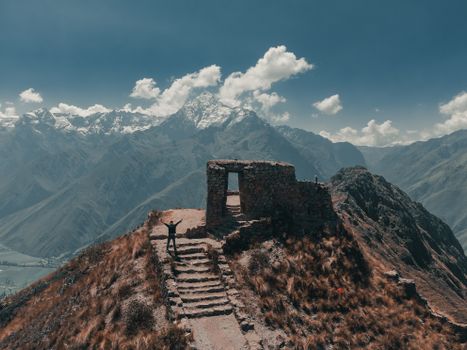
Instead, I headed into the rugged, deep canyons of the Apurímac region. Standing on the edge of the ridge at Capuliyoc, looking out at the snow-capped peaks of Padreyoc slicing through the morning mist like obsidian blades, I realized something vital: the true spirit of the Incas isn't found where the tour buses park. It’s found where the silence is so thick you can hear the wind whistling through ancient stone trapezoids.
If you are planning an adventure for May 2026, you have a golden window. The rainy season has just ended, leaving the mountains an impossibly vibrant emerald green, yet the massive summer crowds haven't arrived. Here is your definitive, boots-on-the-ground guide to the absolute best Machu Picchu alternatives that remain wild, raw, and blissfully empty.
---
Why May 2026 is the Ultimate Time to Pivot
May is the undisputed sweet spot for the Peruvian Andes. The heavy rains of January through April have completely cleared, leaving the landscape lush and watered. Mountain passes are clear of snow, and the daytime skies are a brilliant, cloudless cobalt blue.
However, in 2026, Peru’s Ministry of Culture has implemented even stricter capacity caps and rigid, non-negotiable one-way walking circuits at Machu Picchu to protect the site. If you don't want your once-in-a-lifetime trip dictated by whistles from park rangers every time you pause to take a breath, you need to look elsewhere.
These five sites offer the same architectural marvels, jaw-dropping topography, and deep historical resonance—minus the crowds and red tape.
---
1. Choquequirao: The True Sister City
If you want to earn your ruins, this is the holy grail. Choquequirao (meaning "Cradle of Gold" in Quechua) is physically larger than Machu Picchu, yet it receives fewer than 30 visitors a day compared to Machu Picchu’s 4,000+. Why? Because there are no trains, no roads, and no easy ways out. You have to hike in.
The Architecture & Vibe
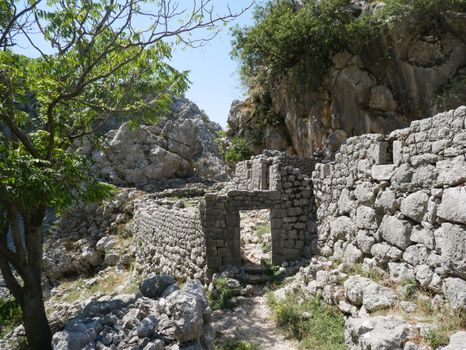
Built during the late 15th century, Choquequirao served as a royal estate and a bastion of resistance against the Spanish. The crowning glory here is the Mosaicos de Llamas—terraces inlaid with white quartzite stones depicting llamas running up the hillside. Unlike Machu Picchu, where you are separated from the masonry by ropes, here you can sit alone on the ceremonial platforms, running your fingers over the dry-stone granite walls.
- How to Get There: Take a 4-hour private taxi or local bus from Cusco to the trailhead at Cachora. From there, it’s a grueling but spectacular 2-day hike down into the Apurímac Canyon and back up the other side.
- Pro-Tip: Do not camp at the crowded trailhead sites. Push through to the tiny hamlet of Marampata. Ask for Don Juan; he runs a basic homestay and can arrange a fresh meal of trucha frita (fried trout) caught from the river below, seasoned with wild huacatay (black mint).
---
2. Waqrapukara: The Horned Fortress of the Qanchi
Perched precariously on the edge of a sheer vertical canyon 13,000 feet above the roaring Apurímac River, Waqrapukara looks less like an archaeological site and more like a fantasy fortress from Game of Thrones.
The Architecture & Vibe
Long before the Incas arrived, the Qanchi people built this ceremonial stronghold around a massive, double-horned rock formation. The Incas later conquered the site, adding their signature high-precision stonework, triple-jamb doorways, and agricultural terraces that seem to hang suspended over the abyss. The wind here is fierce, howling through the natural stone arches like a pipe organ.
- How to Get There: It is best tackled as a long day-trip from Cusco. Drive 3 hours south to the trailhead at Sangarará, followed by a moderate 2.5-hour hike across an otherworldly, high-altitude puna landscape dotted with grazing alpacas.
- Pro-Tip: Arrive at the ruins around 3:00 PM. The late afternoon sun hits the red sandstone cliffs at a sharp angle, turning the entire canyon a fiery orange. You will likely have the entire site to yourself before making the hike back down by twilight. Bring a high-quality headlamp.
---
3. Kuelap: The Cloud Fortress of the North
If you are willing to venture away from the Cusco region, head north to the Amazonas department. Kuelap is a colossal walled city built by the Chachapoyas culture—the "Warriors of the Clouds"—around 500 AD, making it hundreds of years older than Machu Picchu.
The Architecture & Vibe
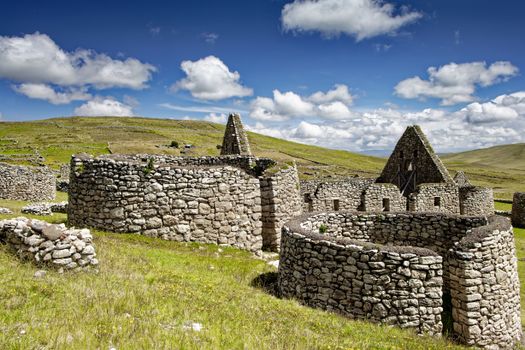
Kuelap sits on a limestone ridge surrounded by orchids and bromeliads. The outer wall is a massive barrier of limestone blocks rising up to 60 feet high. Inside, instead of the classic rectangular Inca buildings, you’ll find over 400 circular stone homes decorated with intricate zigzag and diamond friezes.
- How to Get There: Fly from Lima to Chachapoyas (via a brief connection or direct charter), then take a 45-minute drive to Nuevo Tingo. From there, a modern cable car whisks you across a deep valley directly to the mountain ridge.
- Pro-Tip: After a partial wall collapse in 2022, the site has been meticulously stabilized and reopened with brand-new, eco-friendly wooden walkways. To experience the area like a local, base yourself in the nearby village of Leymebamba and try the local clay-pot baked cecina (smoked pork) with mashed tacacho (savory green plantain).
---
4. Huchuy Qosqo: The Imperial Retreat
Translated as "Little Cusco," Huchuy Qosqo was built as a country estate for the eighth Inca Emperor, Viracocha, who sought refuge here during a rebellion. It sits on a high plateau overlooking the Sacred Valley, directly above the town of Lamay.
The Architecture & Vibe
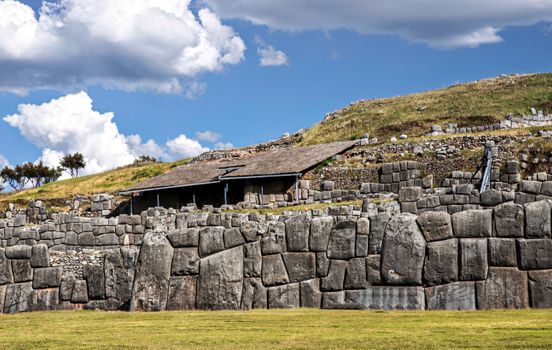
This site is highly unusual because it showcases a mix of stone masonry and large adobe brickwork on the upper levels—a rare preservation feat made possible by the dry Andean climate. The centerpiece is a grand, two-story royal palace and a massive central plaza flanked by an continuous, 150-foot-long stone terrace.
- How to Get There: The most scenic route starts in Chinchero. It’s a 3-hour, mostly downhill hike along an exceptionally preserved section of the original Qhapaq Ñan (Inca Trail), passing through high mountain passes before descending into the ruins.
- Pro-Tip: The descent from Huchuy Qosqo down to Lamay is incredibly steep (nearly 2,500 vertical feet of knee-jarring stone steps). Pack collapsible trekking poles and stop at the bottom for a glass of fresh chicha de jora (fermented corn beer) from any house displaying a red plastic bag on a bamboo pole outside their door.
---
5. Sayacmarca & Phuyupatamarca: The Cloud Forest Outposts
While many travelers focus on the classic Inca Trail endpoints, the intermediate ruins along the high ridges are often far more atmospheric. Sayacmarca ("Inaccessible Town") and Phuyupatamarca ("Town in the Clouds") are two such sites.
The Architecture & Vibe
Sayacmarca is built on a razor-thin mountain ridge, accessible only by a single, steep stone staircase carved into the cliffside. It features labyrinthine corridors, tiny ritual baths, and defensive walls that merge seamlessly with the natural rock. Phuyupatamarca, located slightly higher up, features beautifully preserved ceremonial baths fed by active underground spring water channels.
- How to Get There: These sites are accessed via alternative multi-day treks (such as the Salkantay Trek with an Inca Trail connection, or specialized conservation routes).
- Pro-Tip: If your trekking outfitter allows it, request to camp at the Phuyupatamarca campsite. While most groups rush past to reach Aguas Calientes, camping here allows you to wake up at dawn to watch the mist rise directly out of the Amazon basin, slowly revealing the stone terraces below your tent.
---
The Budget & Logistics Playbook
To help you plan your May 2026 journey, here is a quick-reference guide to the costs, difficulty levels, and transit methods for these crowd-free alternatives.
| Site | Est. Cost ($ USD) | Physical Difficulty | Best Time of Day | How to Get There (From Cusco) |
| :--- | :--- | :--- | :--- | :--- |
| Choquequirao | $150 - $350 (guide/mules) | Extreme (4 days) | 7:00 AM | Colectivo to Cachora, then trek. |
| Waqrapukara | $60 - $120 (day tour/taxi) | Moderate (1 day) | 3:00 PM | Private car to Sangarará, then hike. |
| Kuelap | $80 - $150 (flight + cable) | Easy (Cable car) | 9:00 AM | Flight to Chachapoyas, then cable car. |
| Huchuy Qosqo | $30 - $70 (independent) | Moderate (1 day) | 11:00 AM | Taxi to Chinchero, hike to Lamay. |
| Phuyupatamarca | $500+ (multi-day trek) | Strenuous (multi-day) | Sunrise | Guided trek via Salkantay/Inca Trail. |
---
Insider Gear Checklist for May 2026
The transition from the wet to dry season in May means warm, high-UV days but bone-chilling nights. Pack smart:
- Waterproof Shell & Down Layers: The temperature in the high Andes can swing by 40 degrees Fahrenheit in a matter of minutes when the sun goes behind a cloud.
- Trekking Poles with Rubber Tips: Essential for the steep, knee-crushing descents of Choquequirao and Huchuy Qosqo. Note: Metal tips are banned on historic stone pathways.
- High-SPF Mineral Sunscreen & Bug Balm: The Andean sun at 12,000 feet is relentless, and the biting midges (mantas blancas) in the river canyons are vicious.
- Cash in Small Denominations (Soles): Mountain villages do not accept credit cards, and nobody has change for a 100-Sol note. Keep 10 and 20-Sol notes handy.
---
Respecting the Apus: Responsible Travel in 2026
When you step off the beaten path in Peru, you are entering living communities where ancient traditions are still active. The mountains (Apus) are viewed as protective deities.
Before you begin a steep climb, do as the locals do: take three pristine coca leaves (a k'intu), blow gently across them toward the mountain peaks, and whisper a brief thank you. It’s a simple, profound mark of respect that bridges the gap between traveler and local.
By choosing these alternatives, you aren't just saving yourself from long lines and over-tourism. You are directly supporting local muleteers, family-run guesthouses, and remote communities that don't see a single cent of the massive revenue generated by the commercialized corridors of Machu Picchu. That is what real travel is all about.
---