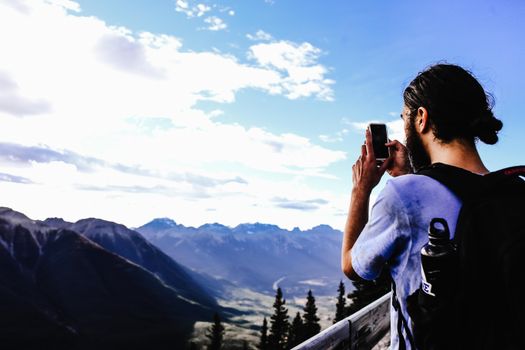
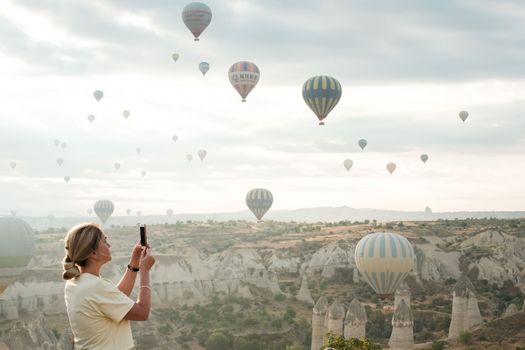
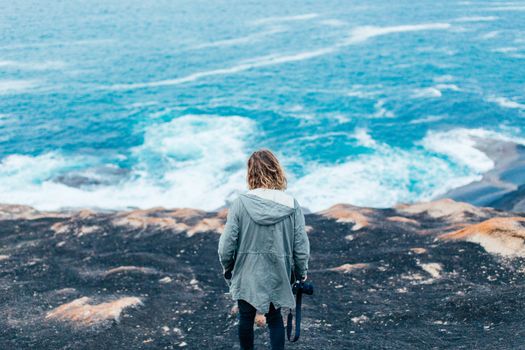
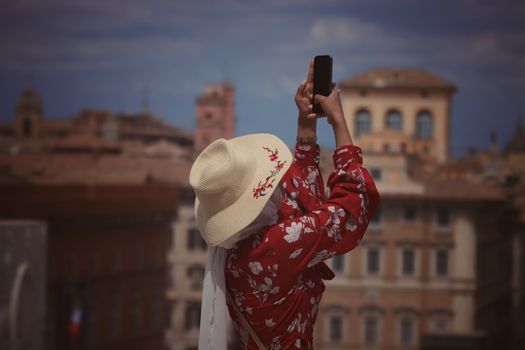
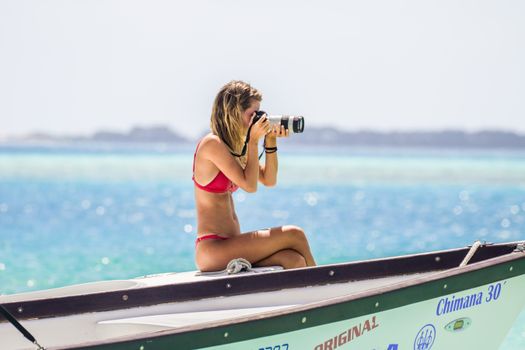
The Secret Shots: How to Take Amazing Photos of Yourself Locals Don't Want Tourists to Know
The year was 2017, and I was standing on the Rialto Bridge in Venice, elbow-to-elbow with a sea of fellow tourists, all vying for the exact same shot. My attempt at a serene, solo photo with the Grand Canal in the background resulted in a blurred mess, a dozen strangers' heads, and an overwhelming sense of defeat. I’d seen the Instagram feeds, the travel blogs, the stunning, seemingly effortless photos of people alone in magical places. How were they doing it? Was I just fundamentally unphotogenic, or was there a secret I was missing?
Fast forward to today, and my camera roll is a testament to what I’ve learned since that frustrating Venetian moment. I've captured myself sipping coffee in a tranquil Kyoto garden, framed by vibrant autumn leaves, without another soul in sight. I've stood atop a hidden viewpoint in Lisbon, the city sparkling below, feeling like I had discovered my own private movie set. And yes, I finally got that serene canal shot in Venice—just not on the Rialto.
The truth is, those "perfect" travel photos aren't about luck or expensive gear (though a good camera helps!). They're about strategy, observation, and a dash of respectful rebellion against the well-trodden path. It’s about finding the spots locals cherish, the moments they live, and capturing them in a way that feels authentic, personal, and utterly breathtaking. It’s about taking photos of yourself that locals don't want tourists to know about—not because they're selfish, but because these places are their quiet escapes, their daily beauty. And today, I’m letting you in on those secrets.
This isn't about exploiting local culture; it's about immersing yourself deeply enough to find the true heart of a place and capture it ethically and beautifully. Ready to ditch the crowds and elevate your travel photography game? Let's dive in.
---
1. The Art of Disappearing: Finding Unseen Backdrops
The first rule of getting those "locals only" shots? Don't go where the tourists go. Or, if you must, go when they don't. This requires a bit of planning and a lot of adventurous spirit.
Go Early, Go Late, Go Obscure:
My biggest secret weapon is the alarm clock. For popular spots, sunrise is your best friend. Imagine the Colosseum at dawn, bathed in soft, golden light, with only a handful of dedicated photographers for company. I once captured an empty Piazza San Marco in Venice at 6 AM, the only sounds the lapping water and distant church bells. By 9 AM, it was a human soup. Similarly, blue hour (just after sunset) can offer a magical, moody vibe that's often overlooked.
But what about truly unseen backdrops? This is where the magic happens.
- Wander Off the Main Path: In Rome, everyone flocks to the Trevi Fountain. But just a few blocks away, I stumbled upon a tiny, ivy-covered alleyway with a quaint flower shop that provided the most charming backdrop. In Kyoto, while tourists throng Gion, I found serene residential streets with traditional wooden houses and small, hidden shrines that offered unparalleled tranquility. Don't be afraid to turn down that unassuming side street or explore beyond the main square. Often, the most beautiful scenes are found where you least expect them.
- Scout with Tech: Before I even arrive in a city, I'm on Google Maps. I use satellite view to find green spaces, interesting architectural patterns, or less-trafficked waterways. Street View is incredible for virtually walking down streets and identifying potential photo spots. Look for unique doorways, colorful walls, quiet courtyards, or local markets that aren't listed in the "top attractions" guides. I found a stunning, mural-covered wall in Lisbon this way, tucked behind a seemingly ordinary street, which became the perfect vibrant backdrop for my photo.
- Embrace the Mundane (Locally): Sometimes, the most authentic shots come from places locals frequent daily, which tourists ignore. Think local parks, neighborhood cafes with charming outdoor seating, small grocery stores with colorful produce displays, or quiet residential areas with unique architecture. These spots offer a glimpse into everyday life and provide a genuine, non-staged feel to your photos.
Anecdote: In Amsterdam, I spent an entire morning trying to get a decent canal shot without a million people in the frame. Frustrated, I wandered several blocks away from the main canals, deeper into a residential area. There, I found a small, tree-lined canal with a charming bridge and not a single tourist boat in sight. I set up my tripod, and with the soft morning light, captured one of my favorite, most authentic Amsterdam photos – a serene moment that felt truly mine, far from the tourist bustle.
---
2. Befriend the Locals (or at least Observe Them Wisely)
The "locals don't want tourists to know" part isn't about being sneaky; it's about tapping into their knowledge and perspective. Locals know their city's pulse, its hidden gems, and its quiet corners.
- Observe, Then Explore: Watch where locals go. Where do they eat their lunch? Where do they take their evening stroll? What park do they relax in? These places are often beautiful, authentic, and relatively untouched by mass tourism. In Chiang Mai, I noticed locals frequently visiting a small temple complex called Wat Suan Dok, a little outside the main city walls. It was stunning, less crowded than Wat Phra Singh, and offered incredible photo opportunities with its white chedis and golden Buddha statues.
- Learn a Few Phrases: A simple "Hello," "Please," "Thank you," and "Do you have any recommendations for a quiet place to relax/eat?" in the local language can open doors. People are often delighted when you make an effort. While I wouldn't directly ask for "secret photo spots," I'd ask for "a beautiful, peaceful place where locals go to unwind." These suggestions often lead to incredibly photogenic locations.
- Ask for "Authentic Experiences": Instead of asking for photo spots, ask for genuine local experiences. "Where's your favorite place to watch the sunset away from the crowds?" or "Where can I find the best traditional coffee shop that isn't full of tourists?" These questions often lead to stunning viewpoints, charming cafes, or picturesque streets perfect for your next shot.
- Ethical Considerations: Always, always be respectful. If you're photographing in a residential area, be mindful of noise and privacy. If you want to include locals in your shot, always ask for permission first. A smile and a gesture often work wonders, even if there's a language barrier. The goal is to blend in and appreciate, not to invade or exploit.
Anecdote: During a trip to Lisbon, I struck up a conversation with an elderly gentleman at a small, local bakery. After he patiently helped me order my pastry in broken Portuguese, I asked him, "Senhor, where do you go when you want to see the city's beauty, but quietly?" He smiled and pointed me towards Miradouro de Santa Catarina, but then added, "But for true peace, walk further, past the statue, down the steps, and you'll find a small garden overlooking the river. That's where I go." He was right. It wasn't on any map I had, and it offered a breathtaking, solitary view perfect for a contemplative self-portrait.
---
3. Mastering the Solo Shot: Gear & Techniques for Self-Portraits
You don't need a professional photographer (or even a friend) to get amazing photos of yourself. With the right gear and a few clever techniques, you can be your own best travel companion and photographer.
Essential Gear:
- Lightweight Travel Tripod: This is non-negotiable. Look for something compact and sturdy. My go-to is the Peak Design Travel Tripod (a bit pricey but worth it for durability and size) or a Joby Gorillapod for more versatile, uneven surfaces.
- Remote Shutter/Bluetooth Clicker: This tiny device is a game-changer. It connects to your phone or camera and allows you to trigger the shutter from a distance, giving you freedom to move and pose naturally. They're usually less than $10 online.
- Camera: Your smartphone (iPhone 13/14/15 Pro, Google Pixel, Samsung Galaxy S series) is incredibly capable these days, especially in good light. If you're serious, a mirrorless camera (like a Sony Alpha or Fujifilm X-T series) offers more control and better image quality in challenging light.
- Wide-Angle Lens (Optional but Recommended): On a phone, use the ultra-wide lens. On a camera, a 16-35mm or 24-70mm lens allows you to capture more of the stunning backdrop around you, which is crucial for travel photography.
Techniques for the Perfect Solo Shot:
- Composition is Key: Don't just stand in the middle. Use the rule of thirds, leading lines, and natural frames (doorways, arches, trees) to guide the viewer's eye. Place yourself off-center, or use elements in the foreground to add depth.
- Natural Light is Your Friend: We covered the golden hour, but also consider overcast days for soft, even light perfect for portraits. Avoid harsh midday sun which creates unflattering shadows.
- Burst Mode & Self-Timer Tricks: Set your camera to burst mode and your remote to continuous shooting. This allows you to move through several poses and expressions, increasing your chances of getting "the shot." For self-timer, use the 10-second delay to give yourself time to get into position, then use the remote for fine-tuning.
- Blend In, Don't Stand Out (Unless You Want To): When shooting in local spots, try to be discreet. A huge tripod setup in a quiet alley might draw unwanted attention. A compact tripod and a quick shot are often best.
- Focus on the Environment: Remember, you're not just taking a picture of yourself, but with yourself in a beautiful place. Let the environment tell the story. Your pose should complement, not overpower, the backdrop.
Anecdote: I was in Paris, determined to get a candid-looking shot of myself reading a book in a charming café, but without a friend. I found a lovely, quiet spot in Le Marais, ordered a coffee, and placed my Joby Gorillapod tripod on the table directly opposite me. With my phone mounted and connected to my remote, I pretended to read, occasionally clicking the remote hidden in my hand. The result was a perfectly natural, unposed shot that looked like a friend had captured a spontaneous moment.
---
4. The Golden Hour & Beyond: Lighting Secrets
Lighting can make or break a photograph, and understanding it is one of the "secrets" pros use to get those dreamy shots. Locals know when their city looks its best, and often it's when the light is most flattering.
- The Golden Hour (Sunrise & Sunset): This is the holy grail of photography lighting. The hour after sunrise and the hour before sunset bathe everything in a soft, warm, golden glow. It minimizes harsh shadows, makes colors pop, and creates a magical atmosphere. This is when you'll capture those breathtaking silhouettes or beautifully lit portraits. I always prioritize my photo sessions during these times, especially for iconic landmarks or scenic viewpoints.
- The Blue Hour: Often overlooked, the blue hour (the period of twilight each morning and evening when the sun is below the horizon but its indirect light is still visible) offers a completely different, moody aesthetic. The sky turns a deep, rich blue, and city lights begin to sparkle. This is perfect for capturing urban landscapes, cityscapes, and atmospheric street photography. Imagine yourself silhouetted against a deep blue sky with the illuminated Eiffel Tower in the background – a truly unique shot!
- Overcast Days: Don't let cloudy weather deter you! Overcast skies act like a giant softbox, diffusing the light evenly. This eliminates harsh shadows and harsh highlights, making it ideal for portraits and detailed shots of architecture or street art. Colors often appear more vibrant and saturated on cloudy days.
- Avoid Midday Sun: Unless you're going for a specific high-contrast, graphic look, try to avoid shooting between 11 AM and 3 PM. The overhead sun creates harsh shadows, squints, and washed-out colors. If you must shoot during this time, seek out shade or use architectural elements to create interesting light patterns.
Anecdote: Everyone goes to Oia in Santorini for the sunset. And while it's undeniably beautiful, the crowds are insane. I wanted a different sunset shot. Instead of Oia, I hiked to the Prophet Elias Monastery, the highest point on the island. I arrived during golden hour, and from there, I captured myself silhouetted against a fiery sunset, with the entire caldera stretching out beneath me. There were only a handful of people, and the sense of solitude made the moment, and the photo, truly unforgettable. It was a local tip that led me there, and it paid off immensely.
---
5. Blending In, Standing Out: Authenticity in Your Frame
The best "locals don't want tourists to know" photos aren't just about the location; they're about the feeling. They capture a moment of genuine immersion, not just a posed snapshot.
- Dress the Part (Respectfully): While you don't need to wear traditional attire, consider dressing in a way that blends in with the local fashion and culture. This not only shows respect but also makes your photos feel more authentic. Bright, flashy tourist attire can often detract from the natural beauty of a local setting. Opt for natural fabrics, neutral tones, or colors that complement the environment.
- Engage with the Scene: Don't just stand and smile at the camera. Interact with your surroundings. Sip a coffee at a café, browse books in a local shop, walk down a street, gaze out at a view, or simply sit and observe. These actions create a sense of candidness and tell a story within your photo. The goal is to make it look like someone caught you in a genuine moment, not that you're posing for a photoshoot.
- Capture Genuine Moments (Even if Staged): The paradox of self-photography is staging a candid moment. Think about what you'd actually be doing in that beautiful spot. Would you be contemplating the view? Reading a book? Enjoying a local treat? Replicate that authentic action. I often set my camera up, then walk into the frame, act naturally for a few seconds, and then walk out. Burst mode helps capture those fleeting, natural expressions.
- Focus on Details and Textures: Sometimes, the "secret" isn't a grand vista, but the intricate details of a place. A beautifully carved wooden door, a vibrant street art mural, the texture of an ancient stone wall, or a colorful display of spices in a market. Frame yourself interacting with these details. These close-up shots add depth and character, making your photos uniquely yours.
Anecdote: In Vietnam, I wanted a photo that truly captured the street food culture. Instead of trying to pose in front of a famous Pho stall, I found a small, unassuming vendor in a quiet alley in Hoi An. I ordered a bowl of Mi Quang, sat on a tiny plastic stool, and discreetly set up my phone on a nearby ledge, using my remote. The photo I got wasn't of me smiling at the camera, but of me looking down at my bowl, steam rising, completely immersed in the experience. It felt authentic, delicious, and exactly what I wanted to remember.
---
6. Post-Processing Power: Enhancing Your Hidden Gems
Even the most perfectly composed and lit photos can benefit from a little post-processing magic. This is where you elevate your images from good to "wow," making them truly shareable and Instagram-worthy.
My Go-To Apps & Software:
- Adobe Lightroom Mobile (Free & Paid): This is my absolute favorite. It offers powerful editing tools, allows you to work with RAW files (if your camera shoots them), and has excellent presets.
- Snapseed (Free): Google's Snapseed is incredibly user-friendly and offers a fantastic range of tools for quick, impactful edits, especially its selective adjustments.
- VSCO (Free & Paid): Great for its film-like filters and subtle color grading options.
Key Editing Steps:
- Basic Adjustments: Always start here. Adjust exposure (brightness), contrast, highlights, and shadows to bring out detail. Correct the white balance to ensure colors look natural (not too blue or too yellow).
- Color Grading: This is where you set the mood. Play with saturation (use sparingly!), vibrance, and individual color channels (HSL sliders in Lightroom) to make greens pop, blues deeper, or oranges warmer. Develop a consistent editing style for your feed.
- Sharpening & Noise Reduction: A little sharpening can make details crisper. If you shot in low light, noise reduction can clean up grainy images.
- Cropping & Straightening: Ensure your horizons are straight and crop to improve composition. Sometimes, a slight crop can dramatically change the impact of an image.
- Subtle Retouching (If Necessary): Remove distracting elements in the background (e.g., a stray piece of litter) using healing tools. Be careful not to overdo it; the goal is natural enhancement, not artificial perfection.
Anecdote: I took a photo of myself walking down a vibrant, but slightly dim, street in Marrakech. The light was challenging, and the colors didn't quite pop. Back in my riad, I imported the photo into Lightroom Mobile. I boosted the shadows to reveal details in the ancient buildings, slightly increased the saturation of the reds and oranges in the market stalls, and added a subtle vignette to draw attention to myself in the center. The result was a dramatic, moody shot that perfectly conveyed the atmosphere of the souk, far more impactful than the original flat image.
---
Conclusion: Your Journey to Authentic, Shareable Self-Portraits
There you have it – the playbook for capturing those jaw-dropping, authentic photos of yourself that feel like a true discovery, not just another tourist cliché. From scouting hidden alleyways in Kyoto to catching the blue hour in Lisbon, these aren't just photography tips; they're an invitation to travel deeper, observe more keenly, and connect with your destination on a more intimate level.
Remember, the goal isn't just to get likes; it's to create lasting memories and tell a compelling story of your adventures. By seeking out the quiet corners, respecting local life, and mastering the art of the solo shot, you’re not just taking pictures—you're crafting a narrative that truly reflects the spirit of travel.
So, pack your bags, charge your batteries, and set that alarm for sunrise. The world's most beautiful, uncrowded backdrops are waiting for you to discover them. Now go forth, explore, and capture your own Tripsora-worthy moments. And when you do, don't forget to share your incredible, secret shots with us using #TripsoraSecrets and tag @Tripsora! We can't wait to see where your journey takes you.
---