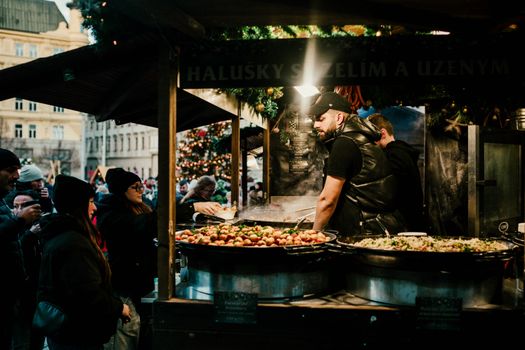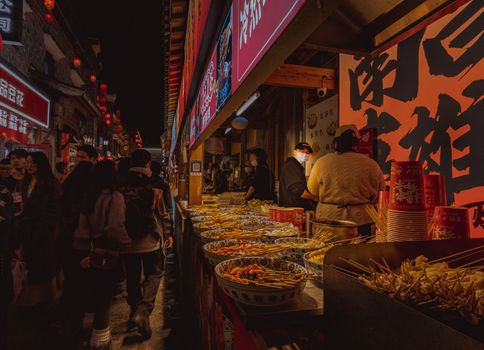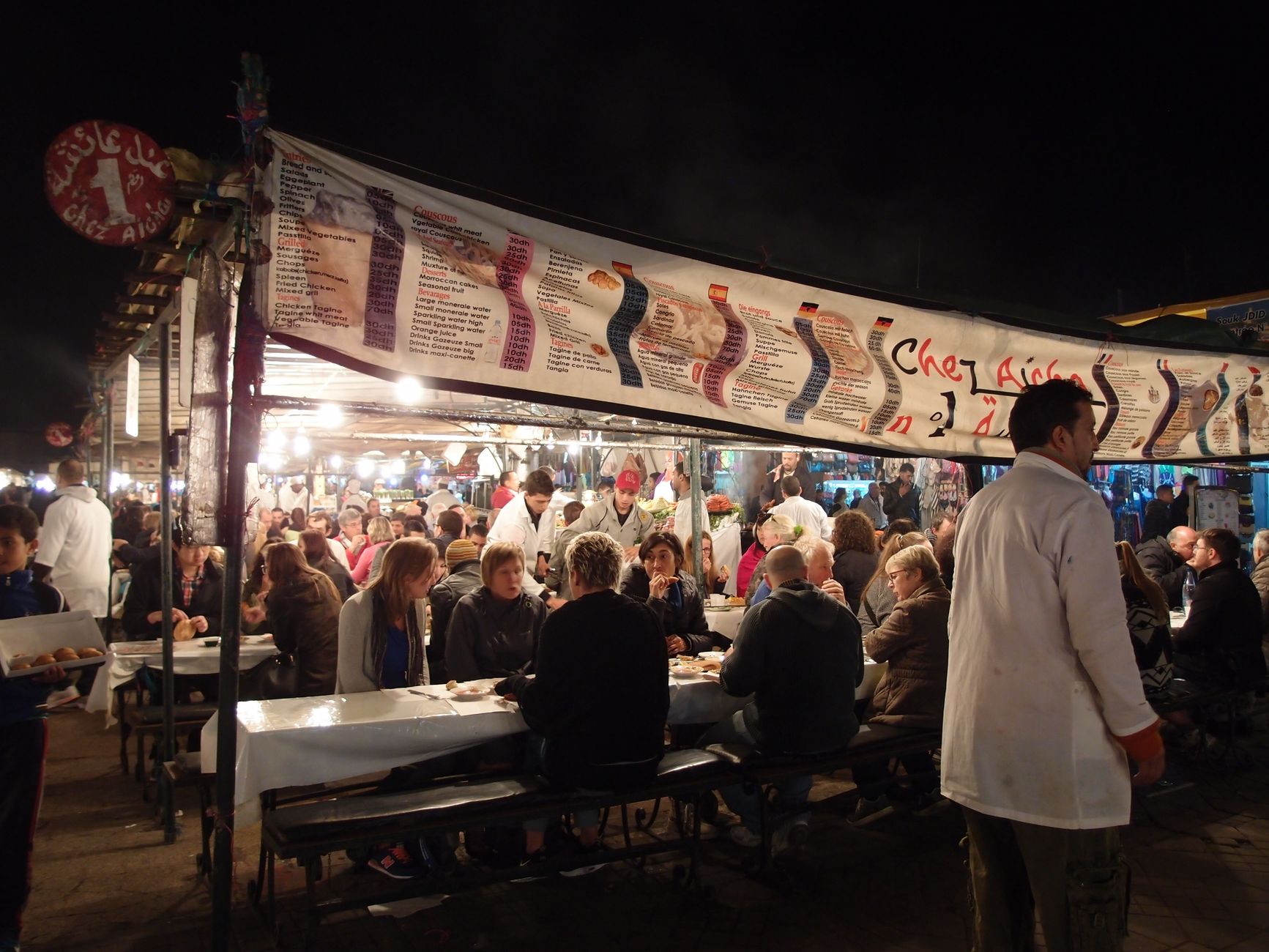
The year was 2018. I was elbow-deep in a plate of what promised to be the "world's best paella" at a renowned Spanish food festival, surrounded by what felt like half of Europe. Don't get me wrong, the paella was good, but the experience? A chaotic blur of long lines, overpriced souvenirs, and a distinct feeling that I was just another face in a sea of tourists. It was then, amidst the clamor, that a thought struck me: there has to be more to culinary travel than this.
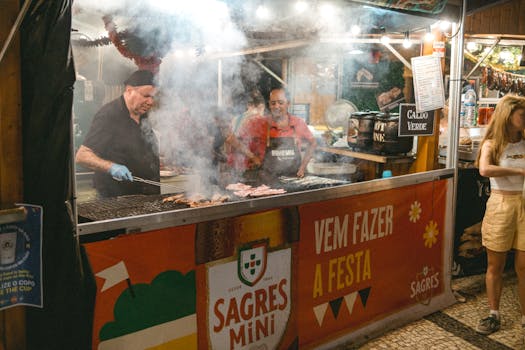
Fast forward to last spring, and I found myself in a tiny fishing village in Portugal, not at a "festival" per se, but at a local sardine celebration – a spontaneous, joyous gathering where fishermen grilled their fresh catch right on the docks, sharing it with anyone who passed by. The air was thick with smoke and laughter, the sardines were charred to perfection, and the wine flowed freely. There were no tickets, no corporate sponsors, just pure, unadulterated community and incredible food. That, my friends, was the moment I truly understood the magic of unmainstream food experiences.
We’re all foodies at heart, constantly chasing that next unforgettable bite, that unique flavor that tells a story. But in our hyper-connected world, truly authentic experiences are becoming harder to find. The internet, while a blessing, can also turn local gems into global sensations overnight, sometimes sacrificing their soul in the process.
So, what if I told you there are still places, still festivals, still culinary celebrations out there that haven't yet been discovered by the masses? Places where the food is prepared with generations of love, where the traditions are vibrant, and where you're welcomed not as a tourist, but as a guest. These aren't just events; they're invitations to a different way of experiencing food and culture.
Today, I’m pulling back the curtain on some of my absolute favorite, under-the-radar food festivals – the ones I've personally unearthed, savored, and believe are worth planning an entire trip around before they hit the big leagues. Get ready to bookmark this page, because your next epic gastronomic adventure starts now.
1. The Wild Garlic & Foraging Feast, Slovenia
Imagine a place where lush forests meet alpine peaks, and the air is crisp with the scent of pine and something distinctly garlicky. Welcome to Slovenia, a country that often flies under the radar but boasts an incredible natural bounty. While not a single, massive event, Slovenia hosts numerous small, regional "Wild Garlic & Foraging Feasts" (locally known as Čemaževi Dnevi or similar) throughout its countryside, particularly in the spring (March-May).
I stumbled upon one such gathering near the Soča Valley, a region famous for its emerald rivers. It was less a festival and more a series of pop-up events and special menus at local gostilnas (traditional restaurants) and agritourism farms. Locals ventured into the woods, baskets in hand, to gather wild garlic (čemaž), ramps, and other edible delights. The food? Think wild garlic soup, pesto, dumplings, even wild garlic ice cream – all made with the freshest, most pungent ingredients.
Why it's special:
This isn't about celebrity chefs; it's about connecting with nature, understanding sustainable foraging, and tasting true Slovenian spring. The atmosphere is intimate, educational, and deeply rooted in local tradition. You might even join a guided foraging walk with a local expert, learning about the forest's secrets.
Practical Tips:
* When to go: Late March to early May is prime foraging season.
* Where to stay: Look for agriturismo farms (like Tourist Farm Pri Kafolu or Kmetija pri Flandru) or charming guesthouses in the Soča Valley or Prekmurje regions. Prices range from €40-€80/night.
* Getting there: Rent a car from Ljubljana for flexibility. Public transport is limited in rural areas.
* Budget: Food experiences are incredibly affordable, often €10-€20 for a multi-course meal at a local gostilna. Foraging walks might cost €20-€40.
* Instagram-worthy moment: A close-up of a basket overflowing with freshly picked wild garlic, or a plate of vibrant green wild garlic pasta against a backdrop of rolling hills.
2. The Oaxacan Mole & Mezcal Journey, Mexico
Mexico's culinary scene is globally celebrated, but beyond the bustling markets of Oaxaca City, there are smaller, more intimate celebrations of its most iconic flavors. I'm talking about micro-festivals and special events dedicated to mole and mezcal in the villages surrounding Oaxaca, particularly during the harvest seasons. These aren't advertised on massive billboards; you hear about them through word-of-mouth or local guides.
My most memorable experience was a "Mole & Mezcal Route" I pieced together with a local guide (shout out to Ricardo from Oaxaca Cultural Navigator!) through villages like San Martin Tilcajete (known for its alebrijes) and Santiago Matatlán (the "World Capital of Mezcal"). We visited family palenques (mezcal distilleries) where generations had perfected the art of distillation, tasting small-batch mezcals directly from the barrel. Then, we moved to local homes, where women prepared ancient mole recipes – a rich, complex sauce that can have dozens of ingredients – some passed down for centuries.
Why it's special:
This isn't just about eating and drinking; it's a deep dive into the heart of Oaxacan culture. You meet the producers, learn about their struggles and triumphs, and witness the incredible dedication that goes into these artisanal products. The food is soul-stirring, and the mezcal is a revelation – far beyond anything you'll find in a bar back home.
Practical Tips:
* When to go: Mole festivals (like Feria del Mole in San Antonino Castillo Velasco) often happen in July, but smaller, informal events and tours are available year-round. Mezcal harvest is typically August-October.
* Where to stay: Base yourself in Oaxaca City (plenty of boutique hotels and Airbnbs, €50-€150/night) and arrange day trips.
* Getting there: Fly into Oaxaca International Airport (OAX). Hire a local guide for the best experience – they know the secret spots!
* Budget: A full-day guided tour with tastings and meals might cost €100-€200 per person, but it’s an immersive, once-in-a-lifetime experience. Individual mezcal tastings at palenques are often free or very low cost, with the expectation you might buy a bottle.
* Instagram-worthy moment: A vibrant spread of different moles in traditional clay pots, surrounded by fresh tortillas and a flight of artisanal mezcals, with the sun-drenched Oaxacan countryside in the background.
3. The Salted Fish & Winter Vegetable Fest, Faroe Islands
Okay, this one is truly niche, and utterly unforgettable. The Faroe Islands are a rugged, remote archipelago in the North Atlantic, known for dramatic landscapes and a fiercely independent culture. Their food traditions are unique, often involving fermentation, drying, and preserving. While not a "festival" in the conventional sense, during the colder months (late autumn to early spring), local communities and restaurants often host special "Salted Fish & Winter Vegetable" (or Ræstur Fiskur og Vetrargrønt) events.
I was there in November, chasing the Northern Lights, when my host at a local guesthouse in Tjørnuvík invited me to a community dinner. It was a revelation. Ræstur fiskur (fermented fish) is a staple, but it's served alongside root vegetables like turnips and potatoes that have been carefully stored since the summer harvest. The flavors are intense, earthy, and deeply comforting – a true taste of survival and tradition in a harsh climate. These aren't tourist events; they're genuine community gatherings.
Why it's special:
This is an experience for the truly adventurous palate, a deep dive into a culinary heritage shaped by isolation and resourcefulness. You won't find this on a cruise ship menu. It's about understanding resilience, sharing stories with locals, and embracing flavors that challenge and expand your definition of delicious.
Practical Tips:
* When to go: Late October to March is when these events are most common. Bundle up!
* Where to stay: Guesthouses or Airbnbs in smaller villages (e.g., Gjogv, Saksun, Tjørnuvík) offer a more authentic experience, €80-€150/night. Book well in advance.
* Getting there: Fly to Vágar Airport (FAE), then rent a car. Driving is essential for exploring.
* Budget: Dining at these local events is often by invitation or a modest contribution (€20-€40). Fine dining Faroese restaurants can be pricey (€100+ for tasting menus), but these local gatherings offer incredible value and authenticity.
* Instagram-worthy moment: A cozy, candlelit table laden with hearty Faroese dishes, steam rising from a bowl of ræstur fiskur, with a glimpse of a stormy North Atlantic landscape outside the window.
4. The Piedmont Truffle Hunt & Feast, Italy (Beyond Alba)
Everyone knows about the white truffle festival in Alba, Italy. It's fantastic, but also incredibly popular. For a more intimate, authentic experience, you need to venture into the smaller, lesser-known towns and hills of Piedmont during truffle season (late September to December). I'm talking about places like Monferrato, Langhe Roero, or even the outskirts of Asti, where local truffle hunters (trifolau) still work with their beloved dogs, far from the tourist buses.
My most cherished memory was joining a private truffle hunt arranged through a small agriturismo near Canelli. We set out at dawn with a trifolau named Marco and his scruffy Lagotto Romagnolo, Luna. Watching Luna sniff out and delicately unearth a prized white truffle was pure magic. Afterward, Marco's wife cooked us a simple but sublime lunch: fresh tagliolini with generous shavings of our freshly found truffle, paired with local Barbera wine. It wasn't a "festival" with stalls, but a deep, personal immersion into a centuries-old tradition.
Why it's special:
This is about connection – with the land, with the animals, and with the passionate people who dedicate their lives to this elusive delicacy. The food is simple but exquisite, highlighting the star ingredient without pretense. It's the kind of experience that makes you feel like you've unlocked a secret of Italy.
Practical Tips:
* When to go: White truffle season is typically late September to December. Black truffles are found at other times.
* Where to stay: Agriturismos are your best bet (e.g., Agriturismo San Michele, La Cascina del Castello) offering rustic charm and often home-cooked meals, €80-€150/night.
* Getting there: Rent a car from Turin or Milan. It’s essential for exploring the countryside.
* Budget: A private truffle hunt can range from €150-€300 per group, often including a meal. Truffles themselves are expensive, but the experience is priceless. Local wines are very affordable.
* Instagram-worthy moment: A close-up of a freshly unearthed white truffle, still covered in earth, held gently in a hand, with a happy truffle dog in the background. Or a plate of simple pasta generously adorned with truffle shavings.
5. The Isaan Fermented Fish & Rice Noodle Fair, Thailand
Move over, Pad Thai and Green Curry. Northeastern Thailand, known as Isaan, boasts a distinct and incredibly vibrant culinary tradition often overlooked by mainstream tourism. Their food is bold, spicy, and often features fermented ingredients. While there isn't one single "fair," many regional towns in Isaan, particularly around the rice harvest (November-February), host small, local markets and celebrations centered around their staple fermented fish paste (pla ra) and rice noodles (khanom chin).
I spent a week exploring the markets of Udon Thani and Khon Kaen, and by pure chance, stumbled upon a lively local fair in a village outside Yasothon. It was a kaleidoscope of colors, sounds, and pungent aromas. Farmers brought their homemade pla ra in various forms, alongside fresh herbs, chili pastes, and mountains of freshly made khanom chin. There were competitions for the best som tum (papaya salad) made with pla ra, and vendors selling unique local snacks I'd never seen before. The energy was infectious, and I was one of only a handful of non-locals.
Why it's special:
This is truly off the beaten path, offering an authentic glimpse into the heart of Isaan culture and cuisine. It challenges your taste buds in the best way possible, introducing you to flavors and ingredients that are fundamental to Thai identity but rarely found in tourist-centric areas.
Practical Tips:
* When to go: November to February offers pleasant weather and coincides with rice harvest and many local fairs.
* Where to stay: Simple guesthouses or local hotels in towns like Udon Thani, Khon Kaen, or Yasothon, €20-€50/night.
* Getting there: Fly to Udon Thani (UTH) or Khon Kaen (KKC) from Bangkok. Renting a scooter or using local songthaews (shared taxis) is best for exploring villages.
* Budget: Extremely affordable. Food at these markets is often less than €2-€5 per dish.
* Instagram-worthy moment: A vibrant stall overflowing with colorful fresh herbs, chilies, and different types of pla ra, with a smiling vendor preparing a som tum in a traditional mortar and pestle.
6. The Basque Cider House & Txotx Season, Spain (Beyond San Sebastián)
Everyone raves about San Sebastián's pintxos, and for good reason. But for a truly unique, raucous, and deeply traditional Basque culinary experience, you need to head to the cider houses (sagardotegiak) during txotx season (January to April), particularly in the hills surrounding Astigarraga, just outside San Sebastián. While Astigarraga is known, many smaller, family-run cider houses are still relatively unknown to mass tourism.
I found myself at a rustic sagardotegi called Zapiain, sitting on long communal benches, anticipating the call. Suddenly, the owner yelled "Txotx!" and everyone rushed towards a massive wooden barrel, catching streams of natural cider directly into their glasses. The meal is fixed: cod omelette, fried cod with peppers, a massive txuletón (bone-in ribeye steak), and cheese with quince paste and walnuts. It’s loud, it’s messy, and it’s gloriously authentic.
Why it's special:
This isn't just a meal; it's a social ritual, a celebration of Basque heritage and the year's cider harvest. You'll be eating shoulder-to-shoulder with locals, practicing your "txotx!" yell, and soaking in an atmosphere of pure conviviality. It's a taste of Basque culture that goes far beyond pintxos.
Practical Tips:
* When to go: Txotx season runs from late January to April. Book well in advance, especially for weekends.
* Where to stay: Stay in San Sebastián (plenty of options, €80-€200/night) and take a short bus or taxi ride to the cider houses in Astigarraga or Hernani.
* Getting there: Fly to Bilbao (BIO) or Biarritz (BIQ), then train or bus to San Sebastián.
* Budget: The fixed menu at a sagardotegi typically costs €30-€40 per person, including unlimited cider.
* Instagram-worthy moment: A group of friends laughing, catching streams of cider from a giant barrel, with a sizzling txuletón in the background, all bathed in the warm, rustic glow of the cider house.
How to Unearth Your Own Culinary Gems
Finding these hidden food festivals isn't always easy, and that's precisely their charm. Here's my secret sauce for discovering your next unforgettable gastronomic adventure:
- Go Local: Forget the big travel sites. Dive into local tourism board websites (often in the local language, so use Google Translate!), regional food blogs, and community Facebook groups for specific areas.
- Ask Around: Once you're on the ground, talk to locals! Your guesthouse owner, a friendly bartender, or a market vendor will know about the truly authentic events. "What's happening around here that locals love?" is your golden question.
- Timing is Everything: Many of these events are seasonal, tied to harvests or specific cultural dates. Do your research on regional agricultural cycles or local holidays.
- Embrace the Unexpected: Sometimes the best "festival" isn't a planned event but a spontaneous gathering. Be open to serendipity, follow your nose, and be willing to step off the well-trodden path.
- Language Basics: Learn a few key phrases in the local language. Even "Hello," "Thank you," and "Delicious!" can open doors and hearts.
- Respect & Responsibility: These are local traditions. Be respectful of customs, support local businesses, and leave no trace. Be a guest, not just a tourist.
- Flexibility is Key: Plans might change. Embrace the adventure. Some of these events might be less organized than you're used to, and that's part of their charm.
Your Plate Awaits!
There's a world of flavor out there, waiting to be discovered by those willing to look beyond the obvious. These hidden food festivals aren't just about eating; they're about connecting with cultures, supporting local communities, and creating travel memories that truly nourish the soul. They offer a rare glimpse into authentic traditions, a chance to taste history, and an opportunity to be part of something truly special before the rest of the world catches on.
So, which hidden food festival will you explore first? Will it be the earthy delights of a Slovenian forest, the ancient flavors of Oaxacan mole, the resilient tastes of the Faroes, the elusive magic of Piedmont truffles, or the spicy, fermented wonders of Isaan? The choice is yours, but one thing is certain: your taste buds (and your Instagram feed) will thank you.
Don't just travel, taste the world – the authentic way. Share your dream culinary adventure in the comments below, or better yet, share this post with a fellow foodie and start planning your escape!