How to Never Pay Baggage Fees Again: The Ultimate Guide You Need to Experience Before You Die
The year was 2017. I was fresh off a whirlwind backpacking trip through Southeast Asia, feeling like a seasoned pro, ready to conquer European budget airlines. My flight from Rome to Barcelona was with a notoriously strict carrier. I’d measured my carry-on at home, confident I was within limits. What I hadn't accounted for was the weight. At the gate, the agent, with a smile that barely reached her eyes, slapped me with a €75 fee for an overweight carry-on. €75! That was more than the flight itself! My heart sank, my budget screamed, and I swore right then and there: never again.
That moment of pure travel frustration sparked an obsession. An obsession with mastering the art of fee-free travel. Over the past six years, I’ve flown countless flights – from ultra-low-cost carriers across Europe to long-haul journeys across continents – and I haven't paid a single baggage fee since that fateful day in Rome. Not one.
This isn't just about saving money (though, let’s be real, that’s a huge perk). It’s about freedom. It’s about breezing past check-in lines, avoiding lost luggage nightmares, and experiencing the incredible lightness of being a truly unburdened traveler. This isn't just a guide; it’s a lifestyle transformation for every wanderer. Get ready to unlock the secrets to never paying baggage fees again – a skill so valuable, you need to master it before you die.
1. The Mindset Shift: From Packer to Minimalist Maestro
Before we even talk about bags or packing cubes, we need to talk about your brain. The biggest hurdle to fee-free travel isn't the airline; it's our own ingrained urge to overpack. We’ve all been there: "What if I need three pairs of shoes?" "What if it rains, then gets super hot, then I get invited to a fancy dinner?" This "what if" mentality is the enemy of the minimalist traveler.
Embrace the Art of Less: Why Less is Always More
My breakthrough came on a two-week trip to Iceland. I was determined to go carry-on only, despite the need for bulky winter gear. It forced me to be ruthless. Every item had to earn its place. I realized I didn't need all those "just in case" items. I wanted them, but they weren't essential. And guess what? I survived. I thrived! I had everything I needed, nothing I didn't, and the sheer joy of effortlessly navigating airports and public transport with just a backpack was intoxicating.
Actionable Advice:
- The "Rule of Three": For most trips (up to 2 weeks), aim for three tops, two bottoms, and one outer layer that can be mixed and matched. Add underwear/socks accordingly.
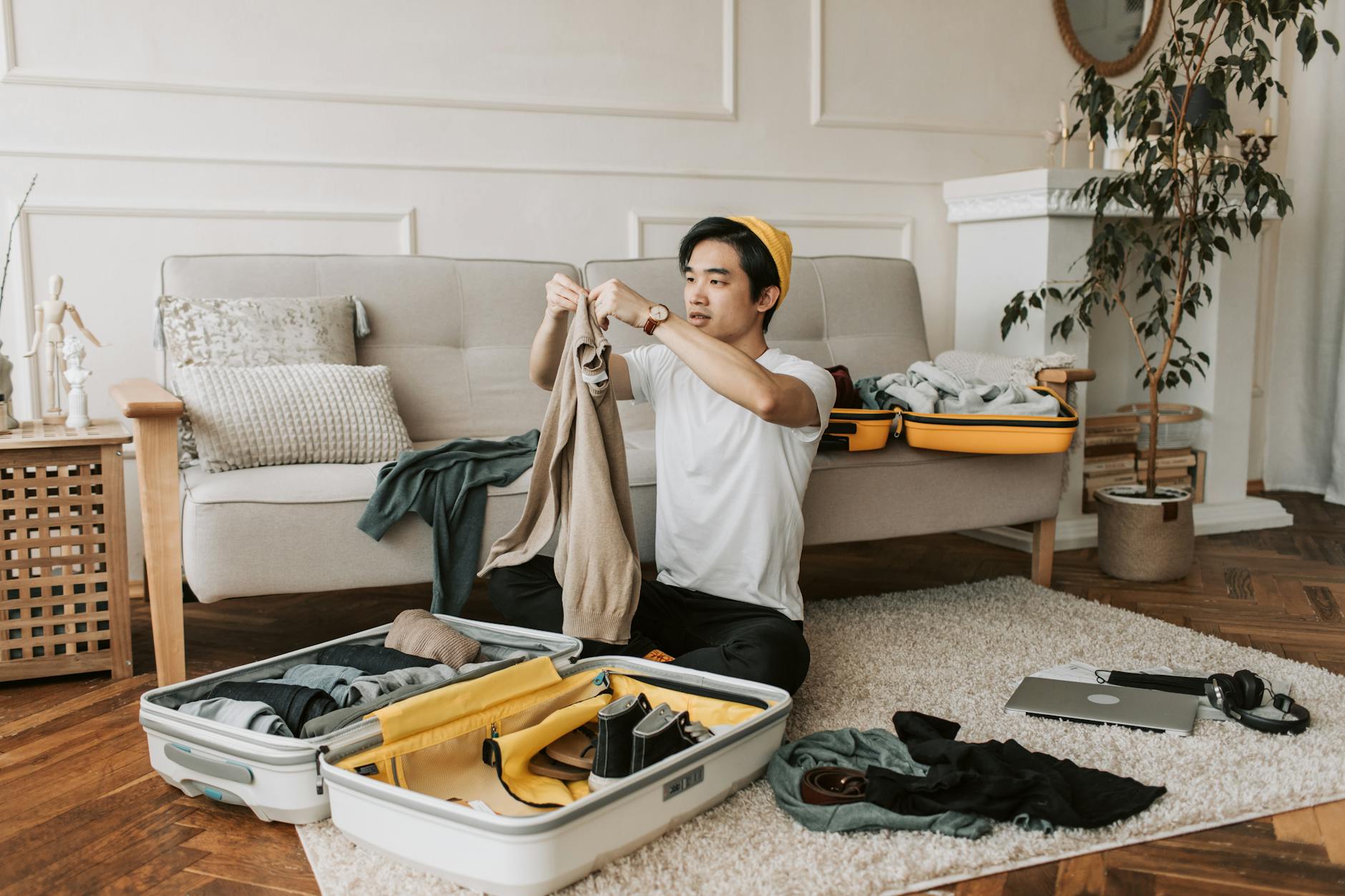
- Challenge Yourself: Before your next trip, lay out everything you think you need. Then, cut it in half. Seriously. Then, try to cut it again. You’ll be surprised at what you can live without.
- The "Capsule Wardrobe" Approach: Focus on neutral colors and versatile pieces that can be dressed up or down. A black dress, dark jeans, and a few basic tops can create dozens of outfits.
- Prioritize Experiences Over Possessions: Remind yourself that the money saved on baggage fees can go towards an incredible meal, a thrilling excursion, or an extra night in a beautiful destination. That’s worth more than an extra pair of shoes.
2. The Gear Game Changer: Investing in Smart Luggage
Your luggage isn't just a container; it's your strategic partner in the fight against fees. The right bag can make all the difference between a smooth boarding process and a last-minute scramble at the gate.
Your Carry-On is Your Castle: Maximize Space, Minimize Fees
I once saw a traveler trying to jam a massive roller bag into an airline sizer, only for it to get stuck and earn him a hefty fee. Don't be that traveler. Know your limits, and choose your weapon wisely.
Practical Tips:
- Know the Dimensions: This is CRITICAL. Most airlines have different carry-on dimensions, especially budget carriers. A typical domestic US carry-on might be 22 x 14 x 9 inches (56 x 36 x 23 cm), but European budget airlines like Ryanair or Wizz Air often have smaller free personal item limits (e.g., 40 x 25 x 20 cm) and charge for a larger carry-on. Always check your specific airline's policy before you buy your ticket and before you pack. I keep a screenshot of the dimensions on my phone for quick reference.
- Backpack vs. Wheeled Suitcase: For carry-on only, I almost always opt for a travel backpack (around 40-45 liters). Why?
- Flexibility: Backpacks are more forgiving with overhead bin space and often fit better under seats if needed.
- Maneuverability: Navigating cobbled streets, stairs, and crowded public transport is infinitely easier with a backpack.
- Perception: A backpack often looks less "bulky" than a wheeled suitcase, even if it holds the same volume, sometimes allowing you to slip past gate agents unnoticed.
- The "Personal Item" Power-Up: This is your secret weapon. Most airlines allow one carry-on AND one personal item (e.g., a laptop bag, purse, small backpack). Maximize this! Your personal item should be a small backpack or a large tote bag that fits comfortably under the seat in front of you. This is where your essentials, electronics, and even a few clothing items can go. I once flew from Bangkok to Kuala Lumpur with a 40L backpack and a large tote bag containing my laptop, camera, and a few changes of clothes, all completely free.
My Go-To Gear (Generic Types):
- 40-45L Travel Backpack: Look for one with a clamshell opening (like a suitcase), comfortable straps, and plenty of internal organization. Brands known for these include Osprey, Tortuga, and Aer.
- Small, Packable Daypack: This lives inside your main bag and is perfect for daily excursions once you reach your destination.
- Compressible Packing Cubes: These are a game-changer for organizing and compressing clothes. More on these next!
3. The Packing Wizardry: Techniques That Defy Gravity (and Fees)
Once you have your minimalist mindset and smart luggage, it’s time to become a packing ninja. This isn't just about fitting things; it's about fitting things efficiently and strategically.
Master the Fold, Roll, and Compress: The Science of Space-Saving
I used to be a folder. Then I became a roller. Now, I'm a packing cube evangelist. Each technique has its place, but combining them is where the magic happens.
Practical Tips:
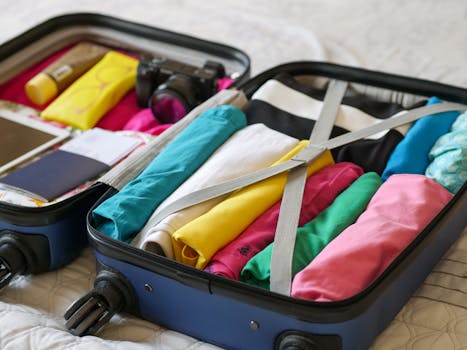
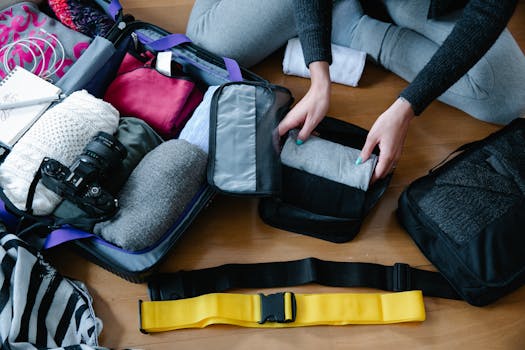
- The Packing Cube Revolution: If you take one thing from this guide, let it be this: buy packing cubes. They compartmentalize your clothes, make them easier to find, and most importantly, allow you to compress them significantly. I use a large cube for shirts, a medium for bottoms, and a small one for underwear/socks. For my two-week winter trip to Banff, I managed to fit sweaters, thermal layers, and snow pants into a 40L backpack thanks to these miraculous cubes.
- Rolling vs. Folding:
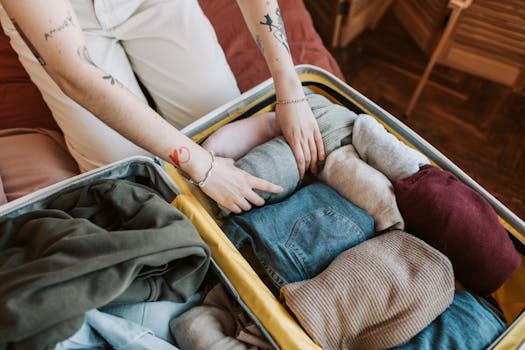
- Rolling: Best for t-shirts, jeans, and soft items. It minimizes wrinkles and saves space. Roll tightly!
- Folding: Best for bulkier items like sweaters or jackets, or delicate fabrics that might wrinkle when rolled. Fold them flat and use them as a base layer in your bag or a cube.
- Wear Your Bulkiest Items: This is a classic for a reason. Wear your heaviest jacket, bulkiest shoes/boots, and any chunky sweaters on the plane. Even if you get hot, you can always shed layers once onboard. I've flown with hiking boots, a heavy winter coat, and a thick hoodie all on my person, saving crucial weight and space in my bag.
- Stuff Small Items Inside Others: Pack socks, underwear, and small accessories inside shoes, hats, or the pockets of jackets. Every void is valuable space!
- The "Personal Item" Overflow: Remember your personal item? It's not just for electronics. If your carry-on is nearing its weight limit, transfer heavier items like books, toiletries, or even a pair of jeans into your personal item. As long as it fits under the seat, it's usually not weighed. On a flight from Lisbon, my carry-on was slightly over, so I quickly transferred my heavy camera lens and a book into my backpack (my personal item) and sailed through.
4. Beyond the Bag: Creative Hacks for the Savvy Traveler
Sometimes, even with the best packing techniques, you might have a few extra items. This is where you get creative and think outside the suitcase.
Think Outside the Suitcase: Unexpected Ways to Carry More
These are the "ninja moves" that seasoned travelers employ when every inch and ounce counts.
Practical Tips:
- The Travel Vest/Jacket with Many Pockets: This is a genius hack. Brands like ScotteVest specialize in jackets with dozens of hidden pockets designed to hold everything from tablets and phones to books and even light clothing items. It’s essentially wearable luggage. I've seen people carry entire outfits and electronics in these, bypassing both carry-on and personal item limits entirely. It's a bit extreme for some, but incredibly effective.
- The Duty-Free Bag Trick (Use with Caution): After security, many airports have duty-free shops. Purchases made here often come in a sealed bag that airlines sometimes allow as an additional item, even if you haven't bought anything. Some travelers buy a small, inexpensive item (like a candy bar) at a duty-free shop, then use the large, sealed bag to discreetly carry extra items that didn't fit in their main bags. Warning: This is a grey area and highly dependent on the airline and the gate agent. Use at your own risk!
- Shipping Items Ahead: For longer trips or when buying souvenirs, consider shipping items home. While it costs money, it might be cheaper than exorbitant airline fees, especially for heavy or bulky items. Compare shipping costs to baggage fees carefully. On a trip to New Zealand, I bought a beautiful but heavy wool blanket. Shipping it home was far cheaper than paying the airline's oversized baggage fee.
- Do Laundry on the Go: This is fundamental to minimalist packing. Instead of packing 14 outfits for a two-week trip, pack 5-7 and plan to do laundry. Most accommodations offer laundry services, or you can find laundromats. For light items, I often handwash in the sink with a travel-sized detergent and hang them to dry overnight. This dramatically reduces the amount of clothing you need to bring.
5. Airline Alliances and Credit Card Perks: Play the System
Sometimes, you don't even need to be a packing minimalist to avoid fees. The system itself can be your friend if you know how to leverage it.
Leverage Loyalty: Free Baggage is Your Right (Sometimes!)
This is about being smart with your bookings and understanding the hidden benefits you might already have or can easily acquire.
Practical Tips:
- Credit Card Travel Benefits: Many travel-focused credit cards offer free checked bags as a perk, especially for specific airlines. For example, some co-branded airline cards offer the primary cardholder (and sometimes companions on the same reservation) one free checked bag. While this doesn't help with carry-on limits, it's invaluable if you absolutely must check a bag. Do your research and see if your current cards offer this, or if a new card could save you hundreds in the long run. I've saved countless dollars on family trips to places like Hawaii and Mexico simply by having the right airline credit card.
- Airline Loyalty Programs and Elite Status: Even at the lowest tier, some airline loyalty programs offer benefits like priority boarding (which can sometimes mean more lenient baggage checks) or even a free checked bag. As you gain elite status, free checked bags become a standard perk, often for multiple travelers on the same booking. Always sign up for loyalty programs, even if you don't fly often. You never know when those points or status benefits will come in handy.
- Understand Your Fare Class: Many airlines now offer "Basic Economy" fares which are cheaper but often come with strict limitations, including no free carry-on (only a personal item) or no free checked bag. Always compare the total cost, including potential baggage fees, before booking. Sometimes, paying a little more for a "Standard Economy" fare that includes a carry-on or checked bag is cheaper than adding the fees to a Basic Economy ticket.
- Codeshares and Partner Airlines: If you're flying on a codeshare flight (e.g., booked with Airline A but operated by Airline B), the baggage policy of the operating carrier usually applies. However, if you have elite status with Airline A, those benefits might extend to Airline B. It's complex, so always double-check the specific baggage rules for your itinerary.
6. The Emergency Plan: When All Else Fails (and How to Still Win)
Despite all your planning, there might be a moment when you're at the airport, and panic starts to set in. Your bag feels heavier than usual, or the gate agent looks particularly eagle-eyed. Don't despair! You still have options.
The Last-Minute Save: Strategies for Unexpected Overages
These are the Hail Mary passes, the quick-thinking maneuvers that can save you from a dreaded fee.
Practical Tips:
- Weigh Your Bag BEFORE You Leave: This is the golden rule. Invest in a cheap portable luggage scale. Weigh your carry-on and personal item at home. If you're over, you have time to adjust. Don't rely on the "feel" method. I’ve seen too many travelers get caught out at the check-in desk simply because they didn't check their weight.
- Know the Policy (and Print It): Have the airline's exact baggage policy (dimensions and weight) readily available on your phone or printed out. If there's a dispute, you can politely reference their own rules.
- Be Polite but Firm: Gate agents have a tough job. A smile, a calm demeanor, and a polite request can go a long way. If you’re slightly over, sometimes they’ll wave it through if you’re not making a scene. But also know your rights if you are clearly within the rules.
- Consolidate with Travel Companions: If you’re traveling with others, you might be able to redistribute weight. If one person’s bag is underweight, shift some items from an overweight bag to theirs.
- The "Wear It All" Moment: This is the ultimate last resort. If you're facing a fee and absolutely refuse to pay, start putting on layers of clothes. Wear two pairs of pants, three shirts, and stuff socks into your pockets. It might look ridiculous, and you'll probably be hot, but it's effective. I once saw a guy at a gate in Budapest put on four t-shirts and two jackets to avoid a fee – he looked like the Michelin Man, but he saved his money!
- Reorganize at the Gate: If they tell you your carry-on is too big or heavy, ask if you can quickly reorganize. Often, they'll give you a minute or two. This is where your large personal item comes in handy. Quickly transfer heavy items like books, toiletries, or even shoes into your personal item, or put on an extra layer of clothing.
Conclusion: Your Fee-Free Future Awaits!
Paying baggage fees is a relic of an unoptimized past. In an era where travel budgets are tighter and experiences are valued above all else, mastering fee-free travel isn't just a hack; it's an essential skill. It empowers you to travel more, stress less, and truly savor every moment of your journey.
From that painful €75 lesson in Rome, I've transformed my travel habits, and so can you. Imagine the freedom of never waiting at baggage claim, never worrying about lost luggage, and having extra cash in your pocket for that delicious street food, that unforgettable excursion, or that spontaneous souvenir. This isn't just about saving money; it’s about experiencing travel in its purest, most liberating form.
Ready to revolutionize your packing and embark on a lifetime of fee-free adventures? Start small, practice these tips, and watch your travel life transform.
What's your best baggage fee hack? Share your tips and triumphs in the comments below! Let's build a community of fee-free travel warriors!
#FeeFreeTravel #TripsoraHacks #PackSmartNotHard
---