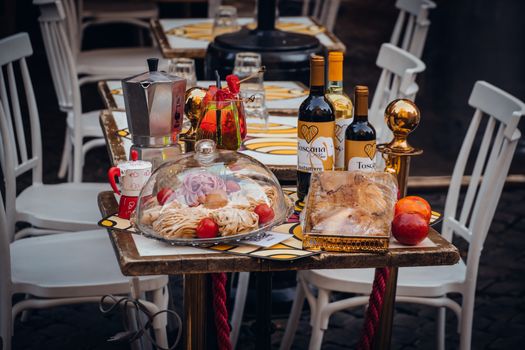
The aroma of freshly baked bread and strong espresso hung heavy in the air, a familiar symphony of a Parisian morning. I sat at a small, round table, a single croissant and a café au lait before me, watching the world awaken on Rue Montorgueil. It was my third solo trip to Paris, and yet, a faint tremor of self-consciousness still lingered. Am I taking up a table meant for two? Do I look lonely?
Then, I saw her. An elderly French woman, impeccably dressed, glided into the boulangerie, ordered her coffee and tartine, and settled at a tiny window perch. She didn't pull out a phone, didn't fuss with a book. She simply was. She watched the street, sipped her coffee, and ate her breakfast with an air of complete, unbothered contentment. In that moment, something clicked. She wasn't dining alone; she was having a private, intimate moment with her city, her food, and herself. And it hit me: this wasn't awkward; this was a superpower. This was how locals truly experienced their culinary world, a secret they rarely shared with wide-eyed tourists.
For years, the thought of dining alone in a restaurant sent shivers down my spine. The imagined stares, the pitying glances, the feeling of being an outsider looking in on everyone else’s shared joy. It felt like a public declaration of "I have no one to eat with." But as my solo travels grew more frequent and my appetite for authentic experiences intensified, I realized that avoiding solo meals meant missing out on some of the richest cultural interactions and most delicious discoveries.
So, I decided to master it. I started small, then gradually pushed my comfort zone, from a quick lunch at a market stall to a multi-course dinner at a Michelin-starred restaurant. What I discovered is that dining alone isn’t just tolerable; it’s transformative. It’s an act of self-love, a passport to hyper-local immersion, and honestly, the best way to truly taste a place. And guess what? The "locals don't want tourists to know" part isn't about malice; it's about a quiet, inherent understanding that this intimate ritual is best experienced, not taught. Until now.
Welcome, fellow adventurers, to the ultimate guide to dining alone like a seasoned local.
1. The Mindset Shift: Embracing Your Solo Superpower (They Don't Want You to Know!)
Let's dismantle the myth: dining alone is not a sign of loneliness; it's a declaration of independence. It's an opportunity for unadulterated pleasure, pure observation, and profound self-connection. Think of it as a luxurious date with the most interesting person you know: you.
Why it's a local secret:
Locals don't see dining alone as a chore or a compromise. It's simply part of life. They grab a quick bite at the bar after work, enjoy a leisurely coffee and pastry, or treat themselves to a quiet dinner. There's no performance, no apology. They understand that some of the best culinary moments are deeply personal. Tourists often feel pressured to "do" things in groups, missing this intimate layer of local life.
Actionable Advice:
- Reframe your narrative: Instead of "I have no one to eat with," tell yourself, "I get to choose exactly what I want, on my own terms, and savor every moment."
- Treat yourself: Dress nicely, even if it's just for lunch. Order that extra glass of wine. You're worth it.
- Be present: This is your time. Put away the phone (unless you're taking a quick, Instagram-worthy photo!). Observe the room, listen to the chatter, focus on the flavors. This is where the magic happens.
Personal Anecdote:
My first truly liberating solo dinner was at a small seafood restaurant in Lisbon, Cervejaria Ramiro. It’s famous, often bustling with groups. I walked in, asked for a table for one, and was seated at a tiny counter overlooking the open kitchen. Instead of feeling isolated, I felt like I had a backstage pass. I watched the chefs expertly shuck oysters, grill prawns, and plate dishes with incredible speed. The waiter, seeing my genuine interest, started explaining the different types of seafood. I ate the freshest prawns, drank crisp vinho verde, and felt utterly, completely, alive. It was a sensory explosion, heightened by the fact that I had no distractions. That night, I realized solo dining wasn't just about food; it was about connection – with the place, the people, and myself.
2. Choosing Your Battlefield: Where to Solo Dine Like a Pro
Not all restaurants are created equal for the solo diner. The key is to pick venues that naturally lend themselves to individual enjoyment, just like locals do.
Actionable Advice:
- Bars & Counters are Your Best Friends: This is the ultimate solo dining hack. In Italy, look for a bancone (bar counter) for a quick pasta or aperitivo. In Spain, a tapas bar counter is perfect for grazing and chatting with the bartender. In Japan, ramen bars or sushi counters are designed for solo diners.
- Example: In Rome, I often grab a stool at Roscioli Salumeria con Cucina (Via dei Giubbonari, 21/22) for incredible carbonara and a glass of wine. The lively atmosphere at the bar means you blend right in. Expect to pay around €15-20 for pasta and wine.
- Cafes & Bistros: Ideal for breakfast, lunch, or a light dinner. They often have smaller tables, window seats, or outdoor seating perfect for people-watching.
- Example: Any Parisian café with outdoor seating is perfect. I love Café de Flore (172 Bd Saint-Germain) for its iconic status and excellent people-watching, though prices are higher (€6-8 for coffee). For something more relaxed, a local boulangerie-café offers delicious, affordable options.
- Food Markets & Street Food Stalls: The ultimate solo diner's playground. No awkward table requests, just pure culinary exploration. Grab a bite here, another there.
- Example: Madrid's Mercado de San Miguel (Plaza de San Miguel) is a gastronomic paradise. You can wander, sample various tapas, cheeses, and wines from different vendors, standing at high tables or simply leaning against a counter. Budget €2-5 per tapa.
- Small, Independent Restaurants: Often more welcoming and less formal than large establishments. The staff are usually more attentive and eager to share their passion.
- Avoid (Initially): Large, overtly romantic restaurants or places clearly designed for big groups. While you can dine solo anywhere, these spots can feel more isolating if you're still building confidence.
Personal Anecdote:
On a trip to Kyoto, I found myself craving ramen. I stumbled upon a tiny, unassuming shop with a single counter wrapping around the kitchen. Everyone sat shoulder-to-shoulder, quietly slurping their noodles. There were no empty tables, just empty stools. It was the most natural solo dining experience I’d ever had. I ordered a bowl of tonkotsu ramen for about ¥800 (€6-7), and for those 15 minutes, I was just another local enjoying a comforting meal. No judgment, just deliciousness.
3. The Art of Arrival & Seating: Owning Your Space
Confidence is your best accessory when dining alone. You're not asking for a favor; you're a paying customer ready to enjoy a meal.
Actionable Advice:
- Walk in with Purpose: Head held high, a slight smile. You're there because you want to be.
- "Table for one, please": Say it clearly and confidently. Don't apologize or add qualifiers like "just me."
- Strategic Seating:
- Window Seats: Perfect for people-watching and feeling connected to the outside world without direct interaction.
- Bar/Counter Seating: As mentioned, excellent for interaction with staff or simply observing the action.
- Corner Table: If you prefer more privacy, a corner table can offer a sense of coziness and observation.
- Don't Be Afraid to Ask: If you're offered a table you don't like (e.g., right in the middle of a noisy room), politely ask if there's another option. "Is there a window seat available?" or "I'd love a seat at the bar if possible."
- Booking Ahead: For popular restaurants, especially for dinner, a reservation can prevent awkward waiting and ensure you get a good spot. Make sure to specify "table for one" when booking online or over the phone.
Personal Anecdote:
I once tried to get a table at a popular seafood restaurant in Marseille, France. It was packed. The host initially looked apologetic, "Only tables for two or four." I politely but firmly said, "I'm happy to sit at the bar, or if there's a small table for one tucked away, that would be lovely." He paused, then his eyes lit up. "Ah! I have just the spot!" He led me to a tiny, charming table right by a window overlooking the harbor. It was perfect – private, yet connected. Had I just accepted his initial hesitation, I would have missed out.
4. Engaging Your Senses (and the Staff): Beyond the Menu
This is where solo dining truly shines. Without conversational distractions, you're free to immerse yourself fully in the experience.
Actionable Advice:
- Observe Everything: The decor, the other diners, the street scene outside. What are people wearing? What are they talking about? How do they interact with the staff? This is invaluable cultural insight.
- Engage with the Staff (if you want to): Bartenders and waiters can be incredible sources of local knowledge. Ask for their recommendations – not just about the food, but about the area. "What's your favorite dish on the menu?" "What's a local specialty I should try?" "Is there a good market nearby?"
- Example: In Seville, at a tiny tapas bar called El Rinconcillo (Calle Gerona, 40), the bartender noticed I was struggling with the Spanish menu. He came over, pointed out the best jamón and manzanilla sherry, and even gave me tips on where to hear live flamenco. That interaction made my meal unforgettable.
- Journal or Read: If you prefer quiet contemplation, bring a small notebook to jot down observations or a book to read. It's a perfectly acceptable prop that signals you're content in your own company.
- Put Away Your Phone (mostly): Resist the urge to scroll endlessly. Use it for a quick photo of your incredible dish, or to look up a word, but then tuck it away. Be present.
- Order Adventurously: You don't have to compromise! Order that weird-sounding local specialty or the dish your travel companions might have vetoed. This is your culinary journey.
Personal Anecdote:
I was dining alone at a traditional Trattoria in Bologna, known for its incredible fresh pasta. I ordered the tagliatelle al ragù and a glass of local Sangiovese. Instead of burying my head in my phone, I watched the nonna in the kitchen meticulously rolling pasta by hand. The waiter noticed my fascination and, unprompted, brought over a small plate of tortellini in brodo on the house, explaining it was another Bolognese specialty. He then shared stories of his family's restaurant. This unsolicited kindness and connection wouldn't have happened if I'd been preoccupied or with a group. I ended up paying around €25-30 for a fantastic meal and a truly local experience.
5. The Unspoken Rules: Blending In Like a Local
Locals have an inherent understanding of dining etiquette that often goes unnoticed by tourists. Mastering these subtle cues will make you feel more at ease and truly part of the scene.
Actionable Advice:
- Pace Yourself: Don't rush. Locals in many cultures (especially Mediterranean and European) view meals as a leisurely affair. Take your time, savor each bite, and enjoy the atmosphere.
- Observe Local Customs:
- Tipping: Research local tipping etiquette. In some countries (e.g., Japan), tipping can be considered rude. In others (e.g., USA), it's expected. In many European countries, a small rounding up or 5-10% is common for good service, but not mandatory.
- Ordering: In some cultures, it's customary to wait for the waiter to approach you, rather than trying to flag them down immediately.
- Dining Hours: Be aware of local meal times. Italians often eat dinner much later than Americans. Spanish lunch can last for hours.
- Don't Over-Order: You're not sharing. Order one or two dishes that truly appeal to you. You can always order more later if you're still hungry.
- Embrace the Quiet: It's okay not to be constantly entertained. Enjoy the silence, the sounds of the restaurant, the hum of the city. This is part of the solo dining charm.
- Be Polite and Grateful: A simple "thank you" (grazie, merci, gracias, arigatou) goes a long way. Show appreciation for the food and service.
Personal Anecdote:
My first trip to Italy, I made the classic tourist mistake: asking for Parmesan cheese on my seafood pasta. The waiter looked at me with a mixture of horror and pity. It was a minor faux pas, but it taught me a valuable lesson: observe, listen, and if in doubt, ask. Locals wouldn't dream of it. Now, before any trip, I do a quick Google search for "local dining etiquette [country name]" to avoid such blunders. It’s a small effort that yields big rewards in terms of feeling comfortable and respected.
6. The Solo Diner's Arsenal: Smart Hacks for Every Meal
Beyond the basic mindset and etiquette, there are specific situations where solo diners can truly thrive.
Actionable Advice:
- Lunch vs. Dinner: Lunch is often a less formal, more casual affair, making it an easier entry point for solo diners. Restaurants are often less crowded, and staff might have more time to chat.
- Tasting Menus: If you're looking for a more upscale experience, a tasting menu is perfect for solo indulgence. It's a curated journey of flavors, and you don't need anyone else to appreciate it.
- Example: I once splurged on a 10-course tasting menu at a Michelin-starred restaurant in Copenhagen. Each dish was a work of art, and the sommelier paired wines perfectly. I felt like I was on a personal culinary adventure, completely absorbed in the experience. It cost a pretty penny (€150+), but it was worth every Krone for the sheer joy of it.
- Cooking Classes: This is a brilliant way to combine a meal with social interaction. You learn about local cuisine, cook with others (often other solo travelers), and then enjoy the fruits of your labor together. It's a natural way to break bread and make new friends.
- Example: In Chiang Mai, Thailand, I took a cooking class that included a market tour. I met other solo travelers from around the world, learned to make authentic Pad Thai and Green Curry, and then we all shared our creations. It was a delicious and deeply social experience. Expect to pay around $30-50 for a half-day class.
- Gourmet Food Tours: Similar to cooking classes, these tours allow you to sample various local dishes with a small group, often led by a knowledgeable local guide. No awkward solo table, just shared discovery.
- Apps & Online Resources: Use local food apps (like TheFork, OpenTable, or local equivalents) to find restaurants, read reviews, and make reservations. Look for places with good ratings for "solo diners" or "bar seating." Food blogs written by locals can also point you to hidden gems.
Personal Anecdote:
I was in San Sebastián, Spain, a city famous for its pintxos (Basque tapas). The concept itself is perfect for solo dining: you hop from bar to bar, grabbing a small bite and a drink at each. No need for a reservation, no pressure to order a full meal. I spent an entire evening wandering through the Parte Vieja, sampling incredible culinary creations from Bar Ganbara (Calle San Jerónimo, 19) to La Cuchara de San Telmo (31 de Agosto Kalea, 28). Each place offered a new delight, a new atmosphere, and a new moment of quiet enjoyment. It felt like a treasure hunt, and I was the sole adventurer. Pintxos typically cost €2-4 each.
Conclusion: Your Table Awaits!
Dining alone is not just about eating; it's about experiencing the world on your own terms. It’s about slowing down, observing, connecting, and savoring. It’s the ultimate act of self-reliance and self-indulgence, a secret known by locals who understand the profound pleasure of a private culinary moment.
So, the next time you find yourself traveling solo, or even just looking for a new adventure in your hometown, shed the apprehension. Embrace the power of your own company. Walk into that restaurant with confidence, choose your perfect spot, and allow yourself to be fully present. You'll not only discover incredible food but also a deeper connection to the place, and to yourself.
The locals may not want tourists to know their secret, but now you do. Go forth, explore, and dine like the confident, curious, and utterly un-awkward solo traveler you were meant to be!
What's your favorite solo dining experience? Share your tips and tell us where you conquered your solo dining fears! Tag @Tripsora and use #SoloDiningSuperpower #TripsoraEats.
---