The Suitcase Confessions: How I Went from Packing Disaster to Travel Zen Master
Let's be real. We've all been there. Standing amidst a mountain of clothes, a half-packed suitcase glaring back at you like an empty void, and the sinking feeling that no matter how hard you try, it's just not all going to fit. My personal rock bottom? A frantic attempt to cram three weeks' worth of "just in case" outfits into a carry-on for a spontaneous trip to Lisbon. The zipper eventually gave up the ghost, my carefully chosen outfits became a wrinkled mess, and I arrived feeling defeated before I even left the tarmac.
For years, packing was my travel Achilles' heel. I’d vacillate between overpacking (and lugging a ridiculous amount of weight) and underpacking (and finding myself desperately buying overpriced essentials). But then, something shifted. Scrolling through TikTok, Pinterest, and countless travel blogs (yes, even ours!), I started noticing a pattern. There were these hacks. Not just tips, but genuine, game-changing strategies that promised to revolutionize the way we approach our luggage.
I was skeptical, but desperate. So, I started experimenting. And let me tell you, these aren't just trending fads; they are the fundamental shifts that have transformed my packing process from a pre-trip nightmare into an almost meditative ritual. I’ve gone from a chronic overpacker to someone who can confidently travel for weeks with just a carry-on, looking chic and feeling utterly prepared.
Ready to ditch the luggage struggle and embrace the joy of smart packing? Here are the 7 trending packing hacks that truly changed my life, complete with my personal experiences and actionable advice to help you become a packing guru too!
---
1. The Capsule Wardrobe Revolution: Less is Truly More (and More Stylish!)
This isn't just a hack; it's a philosophy. The concept of a capsule wardrobe for travel has been around, but it's experiencing a massive resurgence thanks to the minimalist movement and the desire for more sustainable travel. The idea is simple: select a limited number of versatile clothing items that can be mixed and matched to create multiple outfits for different occasions.
My "Aha!" Moment in Italy:
My trip to Italy was the ultimate test. I wanted to look effortlessly chic exploring the cobblestone streets of Rome, dining al fresco in Florence, and lounging by Lake Como, all without a bulging suitcase. I challenged myself: one small carry-on for two weeks. My solution? A carefully curated capsule. I chose a core color palette (navy, white, beige, and a pop of emerald green). I packed:
* 2 pairs of versatile bottoms (dark wash jeans, tailored linen trousers)
* 4 tops (2 plain tees, 1 silk camisole, 1 button-down shirt)
* 1 lightweight cardigan
* 1 versatile dress (that could be dressed up or down)
* 1 denim jacket
* 2 pairs of shoes (comfortable walking sandals, elegant flats)
And you know what? I had a different, stylish outfit for every day and evening. I never felt like I was repeating myself, and everything worked together seamlessly. The secret? Quality over quantity, and focusing on pieces that can transition from day to night, casual to slightly dressy. This also meant less decision fatigue each morning, leaving more time for espresso and sightseeing!
How to Master It:
* Choose a Color Palette: Stick to 2-3 neutrals (black, white, grey, navy, beige) and 1-2 accent colors.
* Versatility is Key: Every item should ideally be wearable in at least two different outfits. Can that dress be a beach cover-up and a dinner outfit? Yes!
* Plan Outfits: Before you pack, lay out your chosen items and physically create outfits. Take photos! This helps you visualize and ensures you have enough combinations.
* Accessorize: Scarves, jewelry, and a versatile bag can completely change an outfit without taking up much space.
Trending Tip:
Use apps like Stylebook or even a simple Pinterest board to plan your travel capsule visually. It's like having a digital stylist in your pocket!
---
2. Packing Cubes: The Architects of Luggage Space
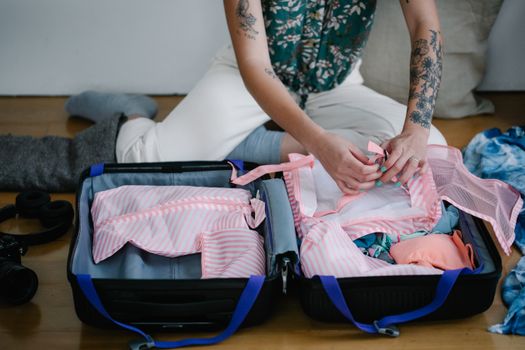
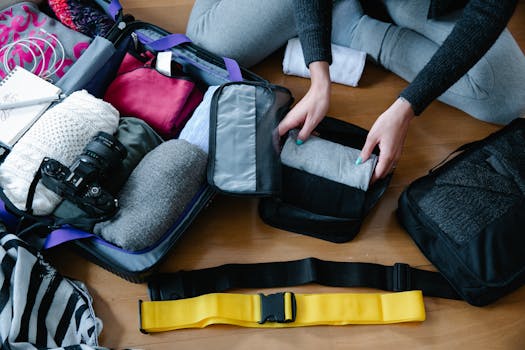
If there's one packing hack that gets nearly universal praise, it's packing cubes. And for good reason! These zippered fabric containers come in various sizes and are designed to compartmentalize your belongings within your suitcase. But they're not just about organization; they're about strategic space management.
From Chaos to Calm in Patagonia:
My packing cubes truly earned their stripes during a multi-trek adventure in Patagonia. Before cubes, my backpack was a black hole of tangled hiking gear, socks, and half-eaten granola bars. Every morning meant excavating for a clean shirt. With cubes, I assigned each one a category:
* Large Cube: All my hiking base layers and mid-layers.
* Medium Cube: Casual clothes for evenings at the refugios.
* Small Cube: Underwear and socks.
* Compression Cube: My bulky down jacket (more on these later!).
The difference was night and day. I could pull out exactly what I needed without disturbing the rest of my perfectly packed bag. When it came time to move to the next campsite, everything went back into its designated cube, neat and tidy. No more frantic rummaging, no more losing things, and the compression cubes meant my bulky items took up significantly less space.
How to Master It:
* Invest in Quality: Look for durable, lightweight cubes. Brands like Eagle Creek, Gonex, and Monos offer excellent options, typically ranging from $20-$60 for a set.
* Categorize: Assign a cube to a type of clothing (tops, bottoms, underwear, PJs) or by outfit/day.
* Roll or Fold Inside: Roll your clothes tightly before placing them in the cubes for maximum space saving and wrinkle reduction.
* Dirty Laundry Segregation: Designate one cube (or a reusable wet bag) for dirty clothes to keep them separate from clean items. This is a game-changer for multi-stop trips!
Trending Tip:
Compression packing cubes are the new frontier. They have an extra zipper that cinches down the fabric, literally squeezing out air and making your clothes even more compact. Perfect for bulky sweaters or jackets!
---
3. The Art of the Roll, the Fold, and the Bundle: A Strategic Hybrid Approach
The "roll vs. fold" debate has raged for years. Rolling saves space and reduces wrinkles for many items, while folding is better for structured garments. The real secret? It's not one or the other; it's a strategic hybrid, often incorporating the lesser-known "bundling" method.
My Business Trip to Tokyo & The Bundle Revelation:
For a recent business trip to Tokyo, I needed to pack a few crisp shirts and a blazer without them looking like they’d been through a wrestling match. Rolling wouldn't cut it for these items. That's when I tried the bundle method, a technique where you wrap your core items (like a t-shirt or underwear) with your more wrinkle-prone items, creating a central core that prevents creases.
I placed a rolled t-shirt at the center, then wrapped my blazer around it, followed by a dress shirt, then another pair of trousers, overlapping the sleeves and legs. It created a firm, compact bundle that minimized sharp creases. My shirts arrived surprisingly pristine, saving me precious time and money on hotel pressing services. For my casual tees and jeans? Rolling all the way!
How to Master It:
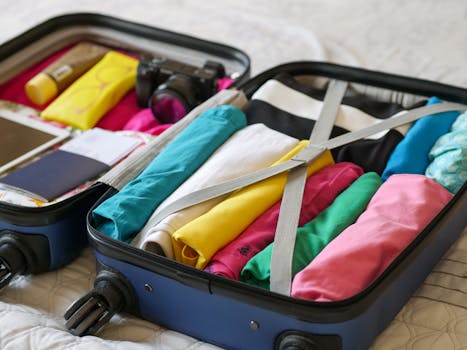
* Roll for Casuals: T-shirts, jeans, sweaters, activewear – roll them tightly. This saves space and lessens wrinkles on these fabrics.
* Fold for Structure: Blouses, dresses, blazers, tailored trousers – fold neatly. For delicate items, lay them flat in a packing cube or on top of rolled items.
* The Bundle Method: For formal wear or items you absolutely cannot afford to wrinkle. Lay out your least wrinkle-prone items first (e.g., a jacket), then layer more delicate items on top, wrapping them around a central core (like a packing cube or a rolled t-shirt). There are plenty of YouTube tutorials if you want to see it in action!
* Tissue Paper Trick: Place sheets of acid-free tissue paper between folded items (especially delicate fabrics like silk or linen) to further reduce creasing.
Trending Tip:
Experiment! What works for a cotton tee won't work for a linen shirt. Before a big trip, do a test pack and see which method yields the best results for your specific wardrobe.
---
4. Tech & Toiletries: Smart Miniaturization & Sustainable Swaps
The smallest items can often cause the biggest headaches, especially when it comes to liquid limits and tangled cables. This hack focuses on smart consolidation and making sustainable choices that are also incredibly travel-friendly.
The Lisbon Liquid Explosion Lesson:
I learned this the hard way on that infamous Lisbon trip. A full-sized shampoo bottle, optimistically placed in a Ziploc bag, exploded mid-flight. My clothes, my travel journal, my entire outlook on life – all sticky and smelling faintly of lavender. Never again.
Now, my toiletries bag is a testament to miniaturization and solid products. I've embraced:
* Solid Shampoo & Conditioner Bars: Brands like Lush or Ethique are amazing. They last forever, take up zero liquid allowance, and are eco-friendly. I've used them everywhere from the humid jungles of Bali to the dry air of the Sahara.
* Refillable Silicone Bottles: For any liquids I truly can't live without (like a specific serum), I decant them into TSA-approved, leak-proof silicone bottles. They're soft, squeezable, and much more durable than hard plastic.
* All-in-One Products: A tinted moisturizer with SPF, a multi-purpose balm, a single compact makeup palette – these save huge amounts of space.
* Tech Organizer: All my cables, chargers, power bank, and adapters now live in a compact tech organizer. No more rummaging or tangled messes. Anker power banks are my go-to for reliability.
* Digital Documents: Scan your passport, visa, flight tickets, and hotel reservations. Store them securely in a cloud service (like Google Drive or Dropbox) and also email them to yourself. Having a digital backup saved me when my phone's battery died in a remote part of Iceland.
How to Master It:
* Go Solid: Prioritize solid toiletries (shampoo, conditioner, soap, deodorant, toothpaste tablets).
* Decant Wisely: Only bring what you need in travel-sized, leak-proof containers.
* Consolidate Tech: Use a dedicated tech organizer. Consider universal chargers or multi-port adapters to reduce the number of bricks you carry.
* Digitize Everything: Back up important documents. A small, lightweight e-reader can replace multiple physical books.
Trending Tip:
Look for "zero-waste" travel kits. Many brands are now offering comprehensive sets of solid toiletries and reusable containers that are both good for the planet and perfect for travel.
---
5. The "Personal Item" Power-Up: Maximizing Your Under-Seat Space
Ah, the personal item. Often overlooked, but truly a superpower when mastering carry-on-only travel or simply wanting quick access to essentials. This is your secret weapon against lost luggage, long layovers, and mid-flight boredom.
My Iceland Layover Lifesaver:
I once had a flight to Iceland where my checked bag (yes, I broke my own rule for a winter trip!) was delayed for 48 hours. But thanks to my strategically packed personal item, I wasn't stranded. My backpack, nestled under the seat, contained:
* A change of clothes (underwear, socks, a clean t-shirt, and leggings)
* My essential toiletries (toothbrush, face wash, moisturizer)
* My medication
* My laptop, Kindle, and noise-canceling headphones
* A small scarf (doubled as a blanket or eye mask)
* Snacks and a reusable water bottle
I was able to freshen up, work, entertain myself, and even have a clean outfit for the next day. It was a stark reminder that your personal item isn't just for your purse; it's your emergency travel kit.
How to Master It:
* Choose Wisely: Select a personal item bag that maximizes space while still fitting airline dimensions (check your airline's specific rules!). Backpacks, large tote bags, or small duffels are ideal. Look for features like a laptop sleeve, external water bottle pocket, and luggage pass-through sleeve. My favorite is a 20L travel backpack that looks sleek but holds a surprising amount.
* Pack Essentials: This includes your "day 1" outfit, medication, valuables (jewelry, passport, wallet), electronics, chargers, and any comfort items (book, eye mask, neck pillow).
* Entertainment Hub: Load up your tablet or phone with movies, books, and podcasts for those long waits or flights.
* Hydration & Snacks: Always carry a reusable water bottle (fill it after security!) and some healthy snacks to avoid overpriced airport food.
Trending Tip:
Many travel backpacks now come with hidden pockets for passports and valuables, and clever compartments for tech. Look for bags designed specifically as "personal items" to get the most out of your under-seat allowance.
---
6. Vacuum Bags (The Travel Version) & Compression Straps: For the Bulky Necessities
While I generally advise against full-sized vacuum bags that require a vacuum cleaner (who carries one of those?), the travel-specific, roll-down compression bags and external compression straps are absolute game-changers for specific situations.
Ski Trip to Banff: Fitting the Fluff:
My annual ski trip to Banff used to mean a behemoth of a suitcase. Ski jackets, snow pants, fleece layers – they're all incredibly bulky. Traditional packing methods just didn't cut it. That's when I turned to the travel vacuum bags – the kind you roll to push the air out, no vacuum needed!
I managed to compress my ski jacket and two bulky fleeces into a single bag, reducing their volume by almost 50%. This freed up so much space in my duffel bag that I could fit my ski boots and helmet without needing a second piece of luggage. For my backpack, I use external compression straps to cinch down the load, making it more compact and comfortable to carry.
How to Master It:
* Strategic Use: These are best for genuinely bulky items like winter coats, thick sweaters, or extra blankets. Don't use them for delicate items that might get crushed or for clothing you need wrinkle-free.
* Roll-Down Bags: Look for brands like Space Saver or Ziploc Space Bags (travel size). They work by rolling out the air, creating a compact, airtight bundle. A pack of 3-5 bags usually costs around $15-25.
* Compression Straps: For backpacks or duffels that are slightly overstuffed, external compression straps (often built into good travel bags, or bought separately) can help condense the load and make it easier to carry.
* Weight Check: Be mindful that while you save space, you don't save weight. Make sure your compressed bag still meets airline weight limits!
Trending Tip:
TikTok is full of videos showcasing how to use these compression bags for everything from pillows to multiple outfits. They're particularly popular for budget travelers trying to maximize carry-on space.
---
7. The "Wear Your Heaviest" Rule & Strategic Layering: Your Travel Outfit is Part of Your Pack
This might seem like a no-brainer, but it's astonishing how many people overlook their travel outfit as a crucial component of their packing strategy. The heaviest and bulkiest items you own should be worn on the plane, not packed.
NYC Winter Wonderland Wisdom:
My winter trip to New York City involved a lot of walking and very cold temperatures. My bulky parka, waterproof boots, and thickest sweater were essential. Instead of trying to squeeze them into my suitcase, I wore them.
* Parka: Worn onto the plane, then used as a pillow or blanket.
* Boots: My heaviest footwear.
* Sweater & Layers: I layered a long-sleeve tee, a thermal top, and my sweater, which also kept me warm on the chilly flight.
This simple act freed up a significant amount of space and weight in my carry-on, allowing me to pack more practical items for my actual stay. Plus, I was perfectly comfortable on the flight, no shivering or overheating.
How to Master It:
* Identify Bulky Items: Your largest shoes (boots, hiking shoes), heaviest jacket, and thickest sweaters are prime candidates.
* Plan Your Travel Outfit: Think about your "travel uniform." Can your travel outfit contribute to your capsule wardrobe? Can your jacket be dressed up or down?
* Strategic Layering: Wear multiple layers that you can easily shed or add. A light scarf can be a neck warmer, eye mask, or even a head covering.
* Pocket Power: Utilize the pockets in your jacket and pants for small, flat items like your passport, boarding pass, phone, or wallet (but be mindful of security and pickpockets).
Trending Tip:
Consider "travel uniform" aesthetics. Influencers often showcase stylish yet practical travel outfits that blend comfort with chic, making your heaviest items look intentional and fashionable.
---
Unlock Your Travel Potential: The Journey to Smarter Packing Starts Now!
These packing hacks aren't just about fitting more into your bag; they're about transforming your entire travel experience. They're about reducing stress, saving time, and giving you the freedom to explore without the burden of excessive luggage. Imagine arriving at your destination, unzipping your perfectly organized suitcase, and knowing exactly where everything is, wrinkle-free and ready for adventure. That, my friends, is true travel zen.
I've been to bustling markets in Marrakech, serene temples in Kyoto, and rugged mountains in New Zealand, and these hacks have consistently proven their worth. They've saved me from baggage fees, lost luggage woes, and the dreaded "I have nothing to wear" panic.
So, on your next adventure, whether it's a weekend getaway or a month-long expedition, give these trending hacks a try. Start with one or two that resonate most, and watch how your travel life changes. You'll be amazed at how much more enjoyable, efficient, and stylish your journeys become.
What's your go-to packing hack? Did any of these change your life too? Share your wisdom in the comments below! And don't forget to pin this post to your travel board so you can always pack like a pro!
---