The Unseen Passport: How Thoughtful Gifts Open Doors Before They Go Mainstream
The dust of Marrakech settled on my worn sandals as I navigated the labyrinthine souks, a small, beautifully embroidered pouch clutched in my hand. It wasn't for me. It was for Fatima, the matriarch of the riad where I was staying – a woman whose warmth had already made my solo journey feel like a homecoming. I’d spent days searching, not for a tourist trinket, but for something that truly spoke to the heart of Moroccan craftsmanship, a piece of art created by a local artisan in a small, tucked-away workshop.
When I presented it to her later, with a humble bow and a few carefully practiced Darija phrases, her eyes, usually alight with a knowing twinkle, widened with genuine surprise and then a deep, radiant joy. She didn't just thank me; she pulled me into the kitchen, taught me to roll couscous for dinner, and shared stories of her grandmother under the starlit courtyard. That evening, I wasn't just a guest; I was family.
That, my fellow travelers, is the magic of gift-giving, reimagined. It’s not about grand gestures or expensive items. It’s about the silent language of respect, appreciation, and cultural understanding that, when spoken correctly, can unlock doors to experiences far richer and more authentic than any guidebook could ever promise. This isn’t about buying your way into a local’s life; it's about building bridges, one thoughtful offering at a time, long before those connections become a mainstream travel trend.
The Invisible Language of Generosity: Why Gifts Matter More Than You Think
In a world increasingly driven by transactional tourism, where every interaction can feel like a monetary exchange, the act of giving a thoughtful gift stands out like a beacon. It’s a genuine disruption to the "buy-sell" dynamic, signaling that you see the person beyond their service, beyond their role. It says, "I value you, not just what you can do for me."
This isn't about charity, nor is it about expecting something in return. It's about expressing gratitude, fostering goodwill, and showing that you’ve taken the time to understand and appreciate their culture. In many parts of the world, hospitality is deeply ingrained, and a reciprocal gesture of respect, even a small one, is profoundly appreciated. It humanizes the encounter, transforming a transient moment into a lasting memory.
I remember a time in a remote village in Nepal, high in the Annapurna foothills. I was staying in a simple homestay, and the family, despite their own limited resources, had showered me with incredible kindness. Before I left, I presented the mother with a small, beautifully patterned silk scarf I’d brought from home – a lightweight, easily packable piece that represented my own culture. Her tearful embrace, followed by an impromptu invitation to witness a local harvest festival the next day (which involved postponing my trek, but was absolutely worth it), cemented my belief: these connections are the true gold of travel.
Decoding Cultural Codes: What, When, and How to Give (and Not Give)
Navigating the nuances of gift-giving is where the real "before mainstream" wisdom comes in. A well-intentioned gift can sometimes cause offense if not presented with cultural sensitivity.
The "What": Choosing Your Messenger
- From Your Home Country: These are often the most cherished. Think small, lightweight, and representative of your culture.
- Consumables: High-quality local chocolates, artisan teas or coffees, unique candies (e.g., a small box of premium Swiss chocolates, around $15-20, or a unique blend of coffee beans from Colombia, $10-15). These are often shared with family, extending your goodwill.
- Small Crafts/Souvenirs: Not the mass-produced kind, but something unique. A beautifully designed bookmark, a set of postcards depicting your hometown, a small, good-quality pen (especially useful for students or professionals – a Parker Jotter, for example, around $10-15, is universally appreciated).
- Children's Books: If your hosts have children, a simple, brightly illustrated children's book in your native language can be a wonderful gift, sparking curiosity and offering a glimpse into another culture. (My gift of a Dr. Seuss book to a family in Vietnam opened up an afternoon of shared laughter and language lessons.)
- Locally Sourced (for your host): Sometimes, a gift you find in their own country can be even more impactful, demonstrating that you’ve taken the time to appreciate their local craftsmanship. Seek out items made by local artisans in small workshops, not tourist traps. A hand-woven textile, a piece of pottery, or a traditional sweet from a different region of their country can show a deep level of engagement.
The "What Not to Give": A Crucial List
- Money: Almost universally seen as insulting or charity, unless it's a specific, agreed-upon payment for a service.
- Overly Expensive Items: Can be perceived as bribery, make the recipient uncomfortable, or imply you expect something in return.
- Sharp Objects: Knives, scissors, etc., can symbolize cutting ties in some cultures (e.g., China).
- White Flowers: Often associated with funerals in many Asian and European cultures.
- Alcohol: Be extremely mindful of religious customs (e.g., many Islamic countries).
- Items with Controversial Imagery: Political symbols, certain animal prints, or anything that could be misinterpreted.
- Anything that requires batteries or specific electrical outlets: Impractical for many.
The "When": Timing is Everything
- Not Immediately: Unless it’s a formal occasion, don't thrust a gift upon arrival. Let a connection form first.
- During a Shared Experience: After a particularly memorable meal, a helpful tour, or a deep conversation.
- Upon Departure: A common and often appreciated time, as a gesture of thanks for hospitality.
- Never as Payment: Always separate the gift from any financial transaction.
The "How": Presentation Matters
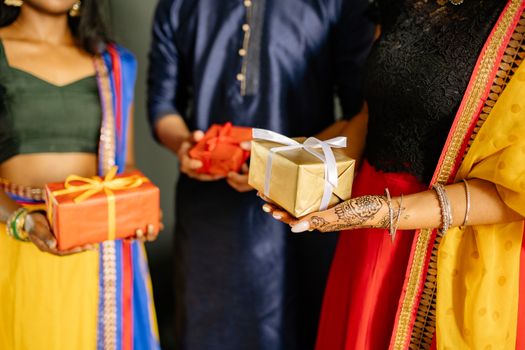
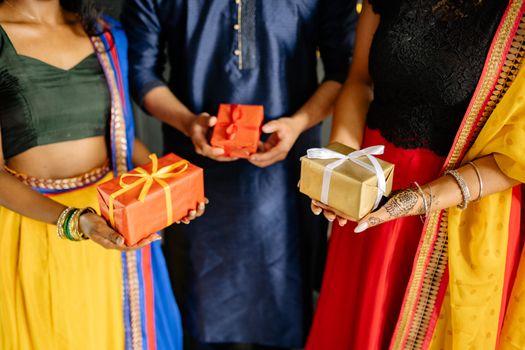
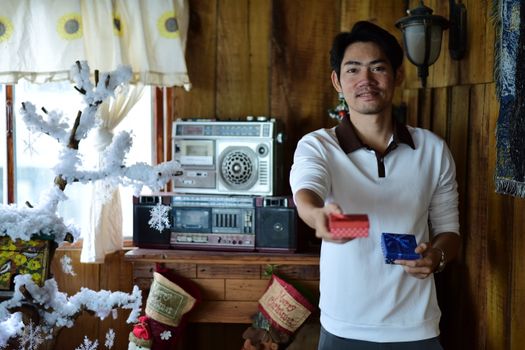
- Use Both Hands: In many Asian cultures, presenting and receiving with both hands shows respect.
- Humble Presentation: Don't make a big show of it. A quiet, sincere gesture is best.
- Don't Expect It to Be Opened Immediately: In some cultures (e.g., Japan), opening a gift in front of the giver is considered impolite, as it might make you feel judged.
- Wrapping: The color of wrapping paper can be significant. Red and gold are often auspicious in East Asian cultures; avoid white or black. A simple, elegant wrapping is usually safest.
My own blunder in Kyoto, Japan, taught me this lesson. I excitedly handed a beautifully wrapped box of premium local tea from my home country to my guesthouse owner upon arrival. He took it politely but placed it aside, unexamined. Later, a local friend explained the nuance. The next time, after a wonderful shared breakfast, I presented a small, locally sourced ceramic sake cup (from a market an hour away, not a tourist spot) to him with a quiet "Arigato gozaimasu." He smiled, nodded, and this time, after a moment, unwrapped it, his eyes lighting up at the artisan's mark. That simple exchange led to an unexpected invitation to a private tea ceremony in his family's traditional garden, an experience I’ll never forget.
Beyond the Souvenir Shop: Sourcing Gifts That Speak Volumes
This is where the "before mainstream" really comes into play. To truly impress and connect, you need to go beyond the airport gift shop or the main tourist drag.
Sourcing from Home:
As mentioned, consumables or small, unique crafts from your region are perfect. Think small-batch, artisanal products. A beautiful, high-quality tea towel featuring local landmarks from your city (around $10-15) can be a practical and charming gift for a host family.
Sourcing for Your Host's Home:
Sometimes, you might find something within their own country that shows you've truly explored and appreciated their culture. For instance, in Morocco, instead of buying a mass-produced tagine in Marrakech, I took a day trip to a small village known for its specific pottery style and bought a small, intricately painted decorative plate (about $25-30) for my riad host. It wasn't about the cost, but the effort and the recognition of local artistry.
The Power of the Local Artisan:
Actively seek out local markets away from the main tourist hubs, co-operatives, or villages known for specific crafts.
* Southeast Asia: Look for hand-woven textiles, intricate wood carvings, or natural fiber baskets made in rural communities.
* South America: Small, hand-painted ceramics, alpaca wool accessories from a small family shop, or fair-trade coffee beans from a specific region.
* Europe: Local honey, a unique bottle of olive oil from a small producer, or a hand-stitched leather item from a non-chain artisan.
The key is to find something that tells a story, supports local economies directly, and isn't something they see tourists buying en masse. These are the gifts that truly resonate.
The Art of the 'Experience Gift': Sharing, Not Just Giving
Sometimes, the most profound gift isn't an object at all, but a shared experience or a generous offer of your time and skills. This is truly off-the-beaten-path gifting.
- Share a Skill: If you have a particular talent, offer to share it. Are you a photographer? Offer to take beautiful portraits of your host family. Do you speak another language? Offer a casual language exchange. I once offered to teach basic English to the children of a family I stayed with in rural Thailand, and their joy and eagerness to learn was a gift in itself, cementing our bond.
- Cook a Meal from Your Home Country: This is a fantastic way to share your culture. Offer to cook a simple, authentic dish from your home (e.g., a pasta dish, a simple curry, a dessert). You might need to buy ingredients, but the shared experience of cooking and eating together is priceless. In a small village in Tuscany, I once cooked a simple, authentic "pasta al pomodoro" for a family who had only ever known their regional sauces. The shared laughter, the clinking of glasses, and their genuine delight at trying something new was an unforgettable evening.
- Offer to Pay for a Shared Outing: If appropriate, and if you’ve built a strong enough rapport, offer to treat your host or their family to a local experience they might not otherwise do. This could be tickets to a local performance, a boat ride, or a special meal at a restaurant they’ve always wanted to try. Be mindful not to make it feel like charity; frame it as a shared adventure.
Real-World Impact: Stories of Doors Unlocked
These aren't just theories; these are real experiences that have transformed my travels and countless others.
Vietnam: The Children's Book and the Festival Invitation
In Hoi An, I stayed with a family who ran a small homestay. They had two bright, curious children. Before my trip, I'd packed a beautifully illustrated children's book about animals from my home country (cost: $15). On my second day, after sharing a delicious meal, I presented it to the children. Their eyes lit up. The mother, touched by the gesture, spent an hour translating it for them. The next morning, I was invited to a local ancestral festival, usually reserved for villagers. I spent the day immersed in ancient rituals, vibrant colors, and communal feasting, experiencing a side of Vietnam few tourists ever see.
Peru: The Pen and the Hidden Waterfall
Trekking near Ollantaytambo, I hired a local guide, Mateo, a quiet, knowledgeable man who constantly took notes in a worn notebook. Observing this, I discreetly bought a high-quality, durable pen (around $12) from a small stationery shop in town. At the end of our multi-day trek, as I thanked him, I handed him the pen. He was genuinely surprised and deeply grateful. The next day, he offered to take me on a "secret" hike to a waterfall known only to locals, a place of profound beauty and tranquility, sharing stories of the Inca and medicinal plants along the way. It was a highlight of my entire trip, an experience money could not buy.
India: Chocolates and a Family Story
In Jaipur, I frequented a small chai stall run by a cheerful chai wallah, Rakesh, who always remembered my order. Before leaving, I sought out a beautifully packaged box of artisanal chocolates from a gourmet shop (around $20-25) – a taste of home, but elevated. I presented it to him with a simple "Dhanyawad." His smile widened, and he invited me to sit with his family after the stall closed. Over cups of chai, he shared his family history, his dreams, and the challenges of his community. It was a moment of profound human connection, offering a glimpse into the heart of India far beyond the tourist sites.
These stories underscore that the value isn't in the price tag, but in the thought, the effort, and the genuine desire to connect. These small gestures are the seeds of deep, authentic travel experiences that will stay with you long after the souvenirs are forgotten.
Conclusion: Your Passport to Deeper Travel
Gift-giving, when approached with cultural intelligence and genuine intent, is more than just an act of generosity; it's an investment in understanding, a bridge to authentic connection, and a silent testament to the spirit of global citizenship. It’s a powerful tool to enrich your travels, allowing you to move beyond the surface and truly immerse yourself in the heart of a place and its people.
So, the next time you pack your bags for an adventure, consider reserving a small space for a carefully chosen, thoughtful gift. It might just be the most valuable item you carry, an unseen passport that opens doors to experiences you never imagined, long before they become mainstream.
What are your experiences with thoughtful gift-giving while traveling? Share your stories and tips in the comments below! And for more insights into authentic, connection-rich travel, make sure to subscribe to Tripsora’s newsletter – your guide to unlocking the world, one genuine experience at a time.
---