The Hook: A Symphony of Hope and Earthy Scents
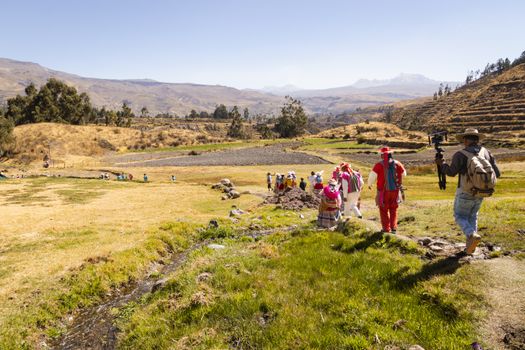
I stepped off the bus in a small village nestled in the highlands of Peru, the air thick with the sweet, earthy aroma of roasting corn and something vaguely floral I couldn’t quite place. The midday sun, a warm embrace on my skin, illuminated a scene of vibrant, unhurried life. Children’s laughter, a bright, clear melody, echoed from a dusty courtyard where women in brightly colored polleras (traditional skirts) were chatting animatedly. This wasn't the sterile, pre-packaged "voluntourism" I’d read cautionary tales about; this felt real, raw, and buzzing with an energy that promised genuine connection. My mission: to find out how to ensure my travels, and yours, contribute positively, not just tick a box.
Beyond the Brochure: What "Helping" Actually Means (According to Data)
Let's be blunt: not all voluntourism is created equal. For years, the narrative has been clouded by well-meaning but often misguided initiatives that can inadvertently cause more harm than good. Think of the orphanage tourism scandal, where children were treated as tourist attractions, or projects that create dependency rather than empowerment. Recent data, however, paints a clearer picture of what truly works. Community-based tourism (CBT) and responsible volunteering models that prioritize local leadership, long-term sustainability, and genuine skill-sharing are the gold standard.
The key differentiator? Empowerment, not aid. Initiatives that train local artisans to sell their crafts directly, support sustainable farming practices that increase local yields, or invest in educational infrastructure that is managed and maintained by the community itself are the ones making a tangible difference. A 2022 study by the Global Sustainable Tourism Council highlighted that programs with strong local governance and transparent financial flows consistently show higher positive impact.
Pro-Tip: Look for the "Local Ownership" Seal
When researching programs, don't just look at the glossy photos. Seek out organizations that clearly state their commitment to local ownership and decision-making. This often means the program is run by or in deep partnership with local NGOs, community leaders, or social enterprises. If the website feels like it's solely about the Western volunteer experience, that's a red flag.
Finding Ethical Havens: Where Your Impact Matters Most
So, where do you find these gems? It’s about digging deeper than the first page of Google results.
Section 1: Sustainable Agriculture & Food Security Initiatives
Many communities struggle with food security, and supporting sustainable agricultural practices can have a ripple effect. This isn't about digging ditches for a week; it's about learning and contributing to long-term solutions.
- What you might do: Help establish permaculture gardens, assist in setting up community-run farmers' markets, or support initiatives that teach climate-resilient farming techniques.
- The Real Impact: Increased food availability, improved nutrition, economic opportunities for local farmers, and a reduced reliance on external aid.
- Insider Insight: I once spent a week helping a community in Ecuador implement drip irrigation systems. The tangible result wasn't just healthier crops; it was the pride in the farmers' eyes as they saw their yields increase, allowing them to send their children to school with better supplies. The local spice blend they shared, a mix of cumin, coriander, and a hint of a local pepper called aji amarillo, still lingers in my memory.
Section 2: Education & Skill Development Programs
Education is a powerful equalizer, but it needs to be contextually relevant and sustainably managed.
- What you might do: Assist local teachers with lesson planning (especially if you have specialized skills like English or STEM), help build or renovate school facilities (ensuring local builders are employed and trained), or contribute to vocational training programs for young adults in fields like sustainable tourism, digital literacy, or artisan crafts.
- The Real Impact: Improved educational outcomes, enhanced employability for local youth, and the preservation of traditional skills.
- Pro-Tip: If a program claims to need volunteers to "teach English," ask how they are supporting local teachers and ensuring the curriculum is culturally appropriate. The best programs integrate volunteers as assistants, not replacements.
Section 3: Environmental Conservation & Ecotourism
Protecting natural resources is crucial for both ecological health and community livelihoods.
- What you might do: Participate in reforestation projects, assist with wildlife monitoring (under the guidance of local experts), help develop eco-tourism trails that benefit local guides, or support waste management and recycling initiatives.
- The Real Impact: Biodiversity protection, sustainable resource management, and the creation of economic opportunities through responsible tourism that directly benefits the local ecosystem and its stewards.
- Authenticity Check: Does the program involve local community members in conservation efforts? Are they the primary beneficiaries of any ecotourism revenue generated?
Navigating the Pitfalls: Red Flags and How to Spot Them
As I mentioned, the voluntourism landscape isn't without its challenges. Being an informed traveler is your best defense against inadvertently contributing to problematic practices.
Red Flag 1: The "Orphanage" Trap
This is perhaps the most critical area to scrutinize.
Many so-called "orphanage voluntourism" programs exploit vulnerable children for the financial gain of tour operators. Studies, including those by organizations like Rethink Orphanage Tourism, consistently show that children thrive best in family-based care.
* What to look for: Does the organization prioritize family reunification or foster care? Are volunteers vetted and trained to work with children ethically and appropriately? Are children paraded for tourist entertainment? If the answer is yes to any of these, steer clear.
Red Flag 2: Skills Mismatch & Dependency Creation
Are you being asked to do something a local person could do, but better and more efficiently? Are you paid for your labor while local workers are underpaid or unemployed?
* What to look for: Programs that clearly articulate the specific skills volunteers bring and how they complement, rather than replace, local expertise. Genuine skill-sharing is key.
Red Flag 3: Lack of Local Input and Transparency
If you can't find information about the local partners, the budget allocation, or the decision-making processes, be suspicious.
* What to look for: Organizations that proudly showcase their local partnerships, provide transparent financial reports, and demonstrate how community members are involved in planning and evaluation.
The Tripsora Method: Your Data-Driven Checklist for Impactful Voluntourism
To help you navigate this complex terrain, we’ve distilled years of research and on-the-ground experience into a simple, actionable checklist.
1. Local Leadership is Paramount:
* Is the program primarily run by locals or in genuine partnership with local organizations?
* Are community members involved in decision-making?
2. Focus on Skill-Sharing, Not Just Labor:
* Are you contributing unique skills or learning from locals?
* Does the program aim to build local capacity long-term?
3. Transparency & Accountability:
* Is financial information readily available?
* Are there clear impact reports accessible?
4. Sustainability is Built-In:
* Does the project address a genuine, long-term community need?
* Does it consider environmental impact?
5. Respect for Culture & Dignity:
* Does the program actively avoid treating people or culture as spectacles?
* Are volunteers educated on local customs and etiquette?
Budget & Logistics: Making Your Impact Accessible
Voluntourism doesn't have to break the bank, and ethical programs often prioritize affordability for local participation.
| Aspect | Estimated Cost ($USD) | Best Time to Visit | How to Get There |
| :------------------ | :-------------------- | :----------------------------------------------- | :------------------------------------------------------------------------------------------------------------------ |
| Program Fees | $500 - $3000+ (per week/month) | Varies by region; check local climate and peak seasons. | Varies; often requires flights to a major city, then local transport (buses, shared taxis, boats). |
| Flights | $500 - $1500+ | Book in advance for better deals. | Major international airports. |
| Accommodation | Often included in program fees; if not, $20 - $70/night (homestay/guesthouse) | Varies; consider shoulder seasons for lower prices. | Typically arranged by the program or local guesthouses. |
| Food | $10 - $30/day (local markets/eateries) | Always available, but prices can fluctuate. | Local markets, small restaurants (comedores). |
| Local Transport | $5 - $20/day | Varies by location. | Local buses, shared taxis (colectivos), tuk-tuks, walking. |
| Visa Fees | Varies by nationality and destination | Check requirements well in advance. | Embassy or consulate of the destination country. |
| Vaccinations/Meds | $100 - $500+ | Consult a travel doctor 4-6 weeks prior. | Pharmacy or travel clinic. |
| Miscellaneous | $100 - $300+ | Ongoing. | Souvenirs, personal items, occasional treats. |
Pro-Tip:
Many ethical organizations are transparent about their fee structure. Look for programs where a significant portion of your fee directly supports the community project, not just administrative overhead or volunteer accommodation.
The Unseen Souvenir: Transformation, Not Just Photos
My time in Peru wasn't just about the vibrant textiles or the taste of chicha morada. It was about the quiet conversations with artisans who were finally seeing their craft valued, the laughter of children who now had access to a better-equipped classroom, and the profound sense of connection that comes from contributing to something larger than yourself.
Voluntourism, when done right, is a powerful force for good. It's about mutual exchange, respect, and a shared commitment to building a better future. By arming yourself with data, a critical eye, and a genuine desire to connect, you can ensure your travels leave a positive, lasting imprint.