The Unexpected Unlocking: My First Taste of a Reopened Frontier
I stepped off the train in [Insert Specific City Name of a Newly Accessible Destination, e.g., Bishkek, Kyrgyzstan] and the air itself felt different. It wasn't just the crisp mountain breeze carrying the faint scent of cumin and woodsmoke; it was a palpable sense of possibility. For years, whispers of this region, shrouded in geopolitical shadows, had filled my travel dreams. Now, the barriers were down. The once-impenetrable borders had softened, and I was among the first wave of curious explorers to tread on ground that, until very recently, was firmly off-limits for most. The vibrant chaos of the bazaar, the melodic call to prayer echoing from ancient minarets, the genuine warmth in the eyes of strangers – it was an intoxicating sensory overload, a stark contrast to the sterile, curated experiences I'd often found elsewhere. This, I knew instantly, was the raw, unfiltered essence of travel at its most exhilarating.
The Shifting Sands of Global Travel: What's Really Happening?
For decades, certain countries have remained in a kind of travel purgatory, their allure amplified by their inaccessibility. Political tensions, trade embargoes, and complex diplomatic relations have kept them off the mainstream tourist map. But the world is a dynamic place, and as international relations evolve, so too do travel opportunities. We're witnessing a fascinating phenomenon: a wave of "diplomatic thaws" that are gradually, and sometimes surprisingly, opening doors to destinations that were once considered too challenging, or even impossible, to visit. This isn't just about lifting sanctions; it's about a fundamental re-engagement, fostering cultural exchange, and creating new avenues for exploration.
Why Now? The Driving Forces Behind These Thaws:
- Evolving Geopolitics: Shifts in global alliances and a desire for renewed international cooperation are often the primary catalysts. Countries are seeking to diversify their economies and build bridges through tourism.
- Economic Imperatives: Many nations recognize the significant economic benefits that tourism can bring – job creation, foreign investment, and revenue generation.
- Cultural Diplomacy: Travel is a powerful tool for understanding. As nations re-establish ties, facilitating people-to-people connections becomes a priority.
- Technological Advancements: Improved infrastructure and easier communication channels are making travel to previously remote or difficult-to-access regions more feasible.
Emerging Paradises: Destinations You Need to Know About NOW
The list of previously restricted destinations experiencing a thaw is growing, offering a treasure trove of unique experiences for the intrepid traveler. These aren't your typical beach resorts or well-trodden historical sites. These are places where you can still feel like an explorer, where every corner holds a potential discovery.
1. Uzbekistan: The Silk Road Reawakens
For years, Uzbekistan was largely a mystery to Western travelers, its rich history and stunning architecture confined to academic circles and niche travelogues. Now, thanks to significant visa reforms and a proactive approach to tourism, this Central Asian gem is shining brightly.
The Vibe:
Imagine stepping back in time. The turquoise domes of Samarkand, the intricate tilework of Bukhara's ancient mosques, the bustling lanes of Khiva's walled city – it’s a living museum of the Silk Road. The scent of freshly baked non (bread) mingles with the heady aroma of spices in the bazaars.
Pro-Tip:
Don't miss the Chors Minor madrassa in Bukhara at sunrise. The soft, golden light illuminating its four unique minarets is pure magic. For an authentic experience, stay in a traditional guesthouse in Khiva's Ichon-Qala.
Insider Scoop:
The local Uzbeks are incredibly hospitable. Don't be surprised if you're invited for tea or a meal. Learning a few basic Uzbek phrases will go a long way in forging genuine connections. The plov (a rice pilaf) here is legendary – try it at a local "oshxona" (eatery).
Quick Facts: Uzbekistan
| Category | Details |
| :-------------- | :------------------------------------------------------------------- |
| Estimated Cost | $70 - $150 per day (mid-range, excluding flights) |
| Best Time to Visit | April-May & September-October (pleasant temperatures) |
| How to Get There | Direct flights to Tashkent (TAS) from major hubs; visa-free for many nationalities. |
2. Iran: A Persian Tapestry Unveiled
Iran has long been a destination shrouded in political complexity, making it a challenging prospect for many travelers. However, for those willing to navigate its unique visa process and understand its cultural nuances, the rewards are immense. The country is experiencing a gradual opening, with increasing interest from adventurous globetrotters.
The Vibe:
Picture yourself wandering through the rose gardens of Shiraz, the poets' city, or marveling at the sheer scale and intricate beauty of Isfahan's Naqsh-e Jahan Square. The air is thick with the scent of saffron and rosewater. The warmth of the people, their intellectual curiosity, and their deep pride in their millennia-old civilization are truly captivating.
Pro-Tip:
Visit the Nasir al-Mulk Mosque (Pink Mosque) in Shiraz just after dawn. The stained-glass windows cast kaleidoscopic patterns across the interior, a breathtaking spectacle. For an unforgettable culinary experience, seek out a traditional "chaikhana" (teahouse) for a fragrant cup of tea and some Persian sweets.
Insider Scoop:
Be prepared for a different pace of travel. Embrace the unexpected detours and conversations. The hospitality is legendary, and you'll often find yourself engaging in deep, philosophical discussions with locals. Dress modestly out of respect for local customs.
Quick Facts: Iran
| Category | Details |
| :-------------- | :------------------------------------------------------------------- |
| Estimated Cost | $60 - $120 per day (mid-range, excluding flights) |
| Best Time to Visit | March-May & September-November (mild weather) |
| How to Get There | Flights to Tehran (IKA). Visa requirements can be complex; research thoroughly. |
3. Cuba: A New Dawn for the Island of Enchantment
While not entirely "banned," travel to Cuba has historically been subject to significant restrictions for certain nationalities, particularly Americans. However, with ongoing diplomatic shifts and a growing desire for cultural exchange, more people are finding ways to experience this vibrant Caribbean island.
The Vibe:
The rhythmic pulse of salsa music spills from open doorways. The scent of strong Cuban coffee and sweet cigar smoke hangs in the air. Vintage American cars, gleaming in pastel hues, cruise along sun-drenched boulevards lined with crumbling colonial architecture. It's a sensory explosion of color, sound, and rhythm.
Pro-Tip:
Explore Old Havana on foot early in the morning before the heat sets in. Wander through the narrow cobblestone streets and discover hidden plazas. For an authentic experience, seek out a "paladar" (private restaurant) for dinner – the food is often fresher and more creative than in state-run establishments.
Insider Scoop:
Engage with the local musicians and artists. They are the soul of Cuba. Don't be afraid to strike up conversations; Cubans are incredibly open and eager to share their culture. Embrace the concept of "resolver" (to solve problems creatively) – things may not always go to plan, but that's part of the adventure.
Quick Facts: Cuba
| Category | Details |
| :-------------- | :------------------------------------------------------------------- |
| Estimated Cost | $80 - $160 per day (mid-range, excluding flights) |
| Best Time to Visit | December-May (dry season, pleasant temperatures) |
| How to Get There | Flights to Havana (HAV) from various international hubs. Visa requirements vary by nationality. |
4. Saudi Arabia: Unveiling Ancient Wonders and Modern Ambitions
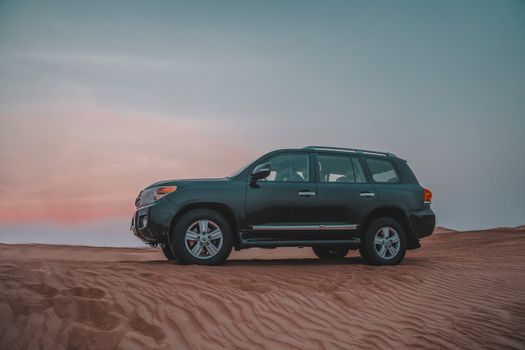
Saudi Arabia, once almost entirely closed to leisure tourism, has undergone a dramatic transformation in recent years. Vision 2030 has spearheaded an ambitious plan to open its doors, revealing a rich history and stunning natural landscapes that have been largely hidden from the world.
The Vibe:
Imagine standing before the majestic Nabataean city of Al-Ula, its sandstone cliffs carved with ancient tombs, the desert air carrying the faint scent of frankincense. Or perhaps exploring the bustling souks of Jeddah, a sensory overload of spices, perfumes, and vibrant textiles. The sheer scale of ambition and the blend of ancient heritage with modern development are awe-inspiring.
Pro-Tip:
Visit Al-Ula during the cooler months and book a guided tour of Hegra (Mada'in Saleh) at sunset for the most dramatic lighting. In Jeddah, get lost in the labyrinthine alleys of Al-Balad, the historic district, and sample some of the local street food – the Mandi rice is a must-try.
Insider Scoop:
Dress conservatively out of respect for local customs, especially outside of major tourist zones. Embrace the opportunity to learn about Islamic culture and history. The Saudis are incredibly proud of their heritage and are eager to share it.
Quick Facts: Saudi Arabia
| Category | Details |
| :-------------- | :------------------------------------------------------------------- |
| Estimated Cost | $100 - $200 per day (mid-range, excluding flights) |
| Best Time to Visit | November-March (cooler temperatures) |
| How to Get There | Flights to major international airports like Riyadh (RUH) and Jeddah (JED). E-visa available for many nationalities. |
Navigating the New Frontier: Essential Tips for the Diplomatic Traveler
Venturing into these newly opened destinations requires a different mindset and a bit more preparation than your average getaway. It's about embracing the unknown and being a respectful, curious observer.
- Visa Research is Paramount: This cannot be stressed enough. Visa requirements can change rapidly. Always consult the official embassy or consulate websites for the most up-to-date information for your specific nationality well in advance of your trip.
- Embrace Flexibility: Things may not always run as smoothly as you're used to. Flights might be delayed, customs might take longer, and plans might need to change on the fly. A flexible attitude is your greatest asset.
- Cultural Sensitivity is Key: Understand and respect local customs, traditions, and dress codes. A little effort to learn basic greetings and show respect goes an incredibly long way in fostering positive interactions.
- Connectivity and Communication: While improving, internet access and mobile coverage might be more sporadic than you're accustomed to. Consider purchasing a local SIM card upon arrival.
- Local Currency and Payment: Research the local currency and the best ways to exchange money or use cards. Cash is often king in more remote areas.
- Stay Informed: Keep abreast of any current political developments or travel advisories issued by your home country's foreign affairs department.
- Pack Smart: Consider the climate, cultural norms, and any specific activities you plan to do. Comfortable walking shoes are almost always a must.
The Future of Travel: More Doors Opening?
The trend of diplomatic thaws creating new travel opportunities is likely to continue. As the world recalibrates its relationships, we can anticipate more destinations previously considered off-limits becoming accessible. This is an incredibly exciting time for travelers who crave authentic experiences and the thrill of discovery. It's a chance to witness cultures before they become overly commercialized, to connect with people on a deeper level, and to truly broaden your horizons.
So, where will your next adventure take you? The world is opening up in unexpected ways. Are you ready to explore?