The Unseen Currency of Connection: Your Passport to Authentic Adventures
The sun beat down on the dusty streets of Marrakech, the air thick with the scent of spices, mint tea, and something indefinably ancient. I was lost – truly, wonderfully lost – somewhere deep in the labyrinthine souks. My phone's GPS had given up the ghost, and my rudimentary Arabic was failing me. Just as a wave of mild panic threatened to wash over my adventurous spirit, a wizened old shopkeeper, his eyes twinkling like the silver lanterns hanging in his stall, gestured me inside.
"Shai?" he offered, a steaming glass of mint tea appearing as if by magic. I sank onto a low stool, grateful for the shade and the unexpected hospitality. We talked, or rather, he talked, and I listened, picking up snippets of local life. When it was time to leave, I felt a genuine warmth for this stranger who had offered solace without expectation. Reaching into my daypack, I pulled out a small, beautifully illustrated postcard of my hometown – a quaint scene of rolling hills and historic buildings.
"Shukran," I said, offering it with both hands, "For your kindness."
His eyes widened, and a slow, genuine smile spread across his face, far warmer than any I’d seen directed at the camera-wielding tourists bustling past. He took the postcard, examined it carefully, then pointed to a doorway I hadn't noticed before. "Come," he beckoned, "I show you the real spice market. Not for tourists. For friends."
That day, I didn't just find my way out of the souk; I found a hidden world, a kaleidoscope of colours and aromas, guided by a new friend. It wasn't about the postcard's monetary value; it was the gesture, the respect, the human connection it forged. And that, my fellow travelers, is the secret Instagram influencers don't want you to know. They might chase the perfect shot, but they often miss the profound, door-opening power of a thoughtful, well-placed gift. This isn't about bribery; it's about building bridges, one genuine connection at a time.
More Than Just a Souvenir: The Philosophy of Thoughtful Gifting
In a world increasingly driven by transactional interactions, the simple act of giving a gift can feel revolutionary. But for centuries, across countless cultures, it has been a cornerstone of hospitality, respect, and relationship-building. When you travel, you are a guest in someone else’s home, their country, their way of life. A gift, when offered with sincerity and cultural awareness, communicates gratitude and respect in a way words often cannot.
Think about it: most tourists arrive, consume, and depart. They buy souvenirs, take photos, and engage in fleeting interactions. But the traveler who arrives with a small token of appreciation, ready to be offered to someone who goes above and beyond, immediately sets themselves apart. You’re not just another face in the crowd; you’re a person who understands the unspoken language of generosity.
This isn't about buying your way into exclusive experiences. It's about acknowledging the humanity of those you encounter. It’s about creating a moment of connection that transcends language barriers and cultural differences. It's about saying, "I see you, and I appreciate you." This philosophy is the foundation of unlocking experiences that no guidebook, no tour operator, and certainly no influencer's sponsored post can deliver. It’s the difference between seeing a place and truly feeling it, becoming a part of its fabric, even if just for a moment.
What to Bring: The Art of the Perfect Small Token
So, you’re convinced. But what do you actually pack? The key here is "small, light, and culturally appropriate." This isn't your aunt's fruitcake; it's a carefully considered token.
Rule #1: Think Small, Think Home, Think Quality.
- Local Crafts from Your Region: This is my absolute go-to. I always keep a few small, flat items from my hometown or country. Think beautifully designed postcards, high-quality keychains depicting local landmarks, small fabric items like tea towels with a regional motif, or even a small, artisanal magnet. These are unique to you and your home, sparking curiosity and conversation. They’re light, don’t take up much space, and aren't easily found elsewhere.
- Example: On a trip through Vietnam, I gave a beautifully illustrated postcard of a famous landmark in my home city to a family running a small guesthouse in Hoi An. They were fascinated, asking about the building and the history, and it led to a wonderful conversation about our respective cultures.
- High-Quality Pens: A simple, elegant pen is surprisingly versatile and universally appreciated, especially in places where good stationery might be a luxury. It’s practical and useful for everyone from a hotel receptionist to a local guide.
- Tripsora Tip: Invest in a pack of nice, smooth-writing pens. Not the cheap promotional kind, but something that feels good in the hand.
- Chocolates or Non-Perishable Snacks from Home: If you know the recipient doesn't have dietary restrictions or cultural taboos around certain foods, a small, individually wrapped, non-melting chocolate bar or a unique snack from your country can be a delightful treat. Always opt for something that won't melt in tropical climates!
- Anecdote: In the chillier highlands of Colombia, a small bar of good quality dark chocolate from my home country was met with genuine delight by a coffee farmer who had invited me into his home for an impromptu tasting.
- Children's Books (in their language if possible): If you anticipate interacting with families, especially those with young children, a small, colourful children's book can be a wonderful gesture. If you can find one translated into the local language, even better! Otherwise, a beautifully illustrated, wordless book works wonders.
- Small, Unique Tea or Coffee Samples: If you're a tea or coffee connoisseur, a small, sealed packet of a unique blend from your region can be a thoughtful gift, especially for hosts or guides who might appreciate a taste of something different.
What to Avoid (Generally):
- Money: Unless it's a direct tip for service, offering money as a "gift" can be offensive and transactional, especially in cultures where hospitality is sacred.
- Alcohol: Unless you're absolutely certain of the recipient's customs and preferences, avoid alcohol. Many cultures have religious or personal prohibitions.
- Overly Expensive Items: This can create an awkward sense of obligation or make the recipient uncomfortable. The value is in the gesture, not the price tag.
- Items with Your Company Logo: This can come across as promotional rather than personal. Keep it authentic.
- Items that are bulky or perishable: You don't want to lug around heavy items, nor do you want something that will spoil.
Remember, the goal is to show appreciation and build connection, not to impress with wealth.
Who to Gift and When: Timing is Everything
Knowing what to give is only half the battle; knowing who and when is the other. The timing and recipient can transform a simple token into a powerful gesture of goodwill.
Who to Consider:
- Homestay Hosts/Guesthouse Owners: These are often the most intimate connections you'll make. A gift upon arrival or departure is a beautiful way to express gratitude for their hospitality.
- Guides Who Go Above and Beyond: If a local guide shares personal stories, takes you off the beaten path, or dedicates extra time and effort, a thoughtful gift (in addition to a tip, if customary) shows profound appreciation.
- Shopkeepers/Artisans: If you spend significant time chatting with a local artisan, learning about their craft, or simply enjoying their company without necessarily making a large purchase, a small gift can be a lovely thank you for their time and stories.
- Local Families/Individuals Who Offer Unexpected Help: This is where the magic truly happens. Someone who helps you navigate a tricky situation, offers directions, invites you for a cup of tea, or simply shows you a kindness you didn't expect.
- Children: A small, appropriate gift for a child (like a colourful pen, a sticker book, or a small toy) can often open doors to their parents' hearts and create a memorable interaction for the whole family. Always ask the parent's permission first.
When to Present Your Gift:
- Upon Arrival (for hosts): If you're staying in a homestay or a small, family-run guesthouse, presenting a gift shortly after you've settled in can set a warm tone for your stay.
- After Exceptional Service: Don't just hand it over immediately. Let the interaction unfold. If someone genuinely goes out of their way, wait for a natural moment to express your thanks and offer the gift.
- As a Thank You for an Invitation: If you're invited into someone's home for a meal or a social gathering, bringing a small gift is almost universally appreciated.
- When Saying Goodbye: This is often a poignant moment, and a gift can serve as a lasting memento of your connection.
- Avoid: Don't offer a gift immediately upon meeting someone, especially if the interaction is brief or transactional. It can feel like you're trying to buy their attention or service. Let the relationship develop, even if only for a few minutes, before making the gesture.
I remember being in a small village in Laos, trying to find a particular temple. A young woman, seeing my struggle with a map, left her stall and walked me personally to the temple, chatting all the way. When we arrived, I offered her a small, intricately designed bookmark from my country. Her surprise and genuine delight were palpable. She didn't expect it, and that made the moment even more special.
The Etiquette Handbook: How to Present Your Gift Gracefully
The act of giving is just as important as the gift itself. Cultural nuances dictate how gifts are received and offered, and a little awareness goes a long way.
Presentation Matters:
- Wrapping: While not always necessary for very small items, wrapping a gift, even simply, shows care. Use a nice paper or a small fabric pouch. Avoid overly elaborate or expensive wrapping; simplicity often conveys sincerity better.
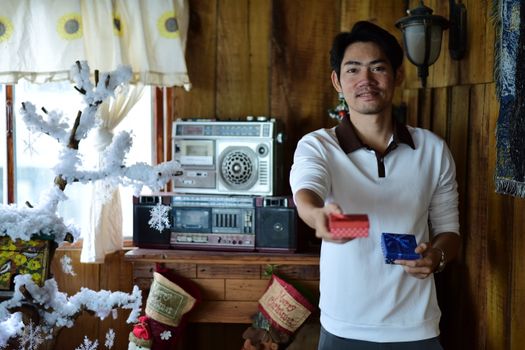
- Offer with Both Hands: In many Asian cultures (e.g., Japan, China, Vietnam, Thailand), offering and receiving a gift with both hands is a sign of respect. Pay attention to local customs.
- Modesty and Humility: Present the gift with a humble demeanor. Don't make a grand show of it. A simple, "This is a small token of my appreciation," or "Thank you for your kindness," is usually sufficient.
- Learn a Phrase of Thanks: Even a simple "Thank you" in the local language (e.g., "Shukran" in Arabic, "Cảm ơn" in Vietnamese, "Gracias" in Spanish) adds a layer of genuine connection.
- Don't Expect It to Be Opened Immediately: In some cultures, gifts are not opened in front of the giver to avoid any awkwardness or to allow the recipient to appreciate it privately. Respect this custom.
- Persistence (Polite): In certain cultures, it's customary to politely refuse a gift once or twice before accepting. If your gift is initially refused, offer it again gently, reassuring the person of your sincerity. If they still refuse after a second or third attempt, respect their decision. This is common in places like China.
- Reciprocity: Be prepared for your generosity to be met with generosity. Many cultures will feel compelled to offer you something in return – a meal, a drink, a small item. Accept graciously and with genuine thanks. To refuse too emphatically can be impolite.
My most memorable experience with this was in a small village in rural Cambodia. I had given a family a small pack of high-quality pens for their children's schoolwork. The mother, a woman with a gentle smile, initially waved her hands, saying "Oh, no, no, too much!" I insisted gently, explaining it was a small thank you. She finally accepted, then immediately motioned for me to sit. Within minutes, a steaming plate of freshly prepared fruit appeared, followed by a local rice wine. It wasn't just a gift exchange; it was an exchange of hearts.
Beyond the Transaction: The Ripple Effect of Generosity
This is where the magic truly unfolds. The small, thoughtful gesture isn't just an end in itself; it's a seed that blossoms into unforgettable experiences. These are the moments that truly define authentic travel, the stories you'll tell for years to come – stories that no amount of money or social media following can buy.
- Invitations to Local Life: That shopkeeper in Marrakech showing me the "real" spice market? That was just the beginning. I've been invited to family dinners in Italian villages, attended impromptu weddings in Balinese compounds, and received personal cooking lessons in Vietnamese kitchens – all stemming from a simple act of thoughtful gifting. These aren't on any tour itinerary.
- Insider Tips and Hidden Gems: Locals who feel a connection with you are far more likely to share their secrets. They’ll tell you about the best, cheapest local eatery, the secluded beach no one knows about, or the perfect time to visit a site to avoid the crowds. This is invaluable information that elevates your trip from tourist experience to genuine exploration.
- Genuine Friendships: Sometimes, these interactions evolve into lasting friendships. I still exchange holiday greetings with the Colombian coffee farmer whose family shared their dinner with me. These are the human connections that make travel so enriching.
- A Deeper Understanding of Culture: When you're welcomed into someone's home or community, you gain an unparalleled insight into their daily lives, traditions, and values. You move beyond observation to participation, fostering a deeper empathy and understanding of the world.
This is the very essence of what Tripsora believes in: travel that transforms you, not just your Instagram feed. Influencers might curate perfect aesthetics, but they often miss the messy, beautiful, spontaneous reality of true human connection. That connection is earned, not bought, and a thoughtful gift is often the key.
Tripsora Pro-Tip:
Keep a small travel journal specifically for these interactions. Note down the person's name, where you met, what gift you gave, and the unexpected kindness you received in return. These memories are priceless.
Responsible Gifting: A Note on Cultural Sensitivity and Sustainability
While the power of gifting is immense, it's crucial to approach it with responsibility and sensitivity.
- Research is Key: Before you go, do a quick search on gift-giving customs for your destination. Are there items to avoid? Are there specific colours or numbers that are considered lucky or unlucky? A little research can prevent accidental offense.
- Avoid Creating Dependencies: The goal is not to create a situation where locals expect gifts from every tourist. Keep your gestures personal and spontaneous, not as a blanket policy for every interaction.
- Support Local Economies: While bringing gifts from home is wonderful, remember to also support local artisans and businesses by purchasing their goods. This is a direct way to contribute to their livelihoods and the local economy. A gift from home is a gesture of connection; a purchase from their shop is a gesture of support.
- "Leave No Trace, But Leave a Positive Impression": This extends beyond environmental impact. Leave a positive social and cultural footprint. Your thoughtful actions can contribute to a more positive perception of tourists in general.
Think of your gifts as a small act of cultural diplomacy, a way to build bridges and foster mutual respect. It's about giving without expectation, but with the understanding that genuine kindness often comes full circle.
Your Passport to True Connection
So, the next time you're packing your bags, remember to leave a little space – not just for souvenirs, but for meaningful connections. A small tin of artisanal tea from your region, a beautifully illustrated postcard, or a handful of quality pens might seem insignificant, but in the right moment, offered with genuine respect and gratitude, they can be the key to unlocking experiences far richer and more profound than any travel brochure could promise.
This isn’t about ticking off bucket list items; it’s about collecting memories, building relationships, and experiencing the world through the eyes of its people. It's about transforming your journey from a simple trip into an authentic adventure, filled with unexpected kindness and genuine human connection.
What's your favorite travel gift-giving story? Have you ever opened a door with a small token of appreciation? Share your experiences and tips in the comments below! And next time you pack, make a little room for connection. Your most unforgettable adventure awaits.
#TripsoraSecrets #GiftOfTravel #AuthenticAdventures #TravelEtiquette #ConnectWithLocals #BeyondTheGuidebook #ResponsibleTravel
---