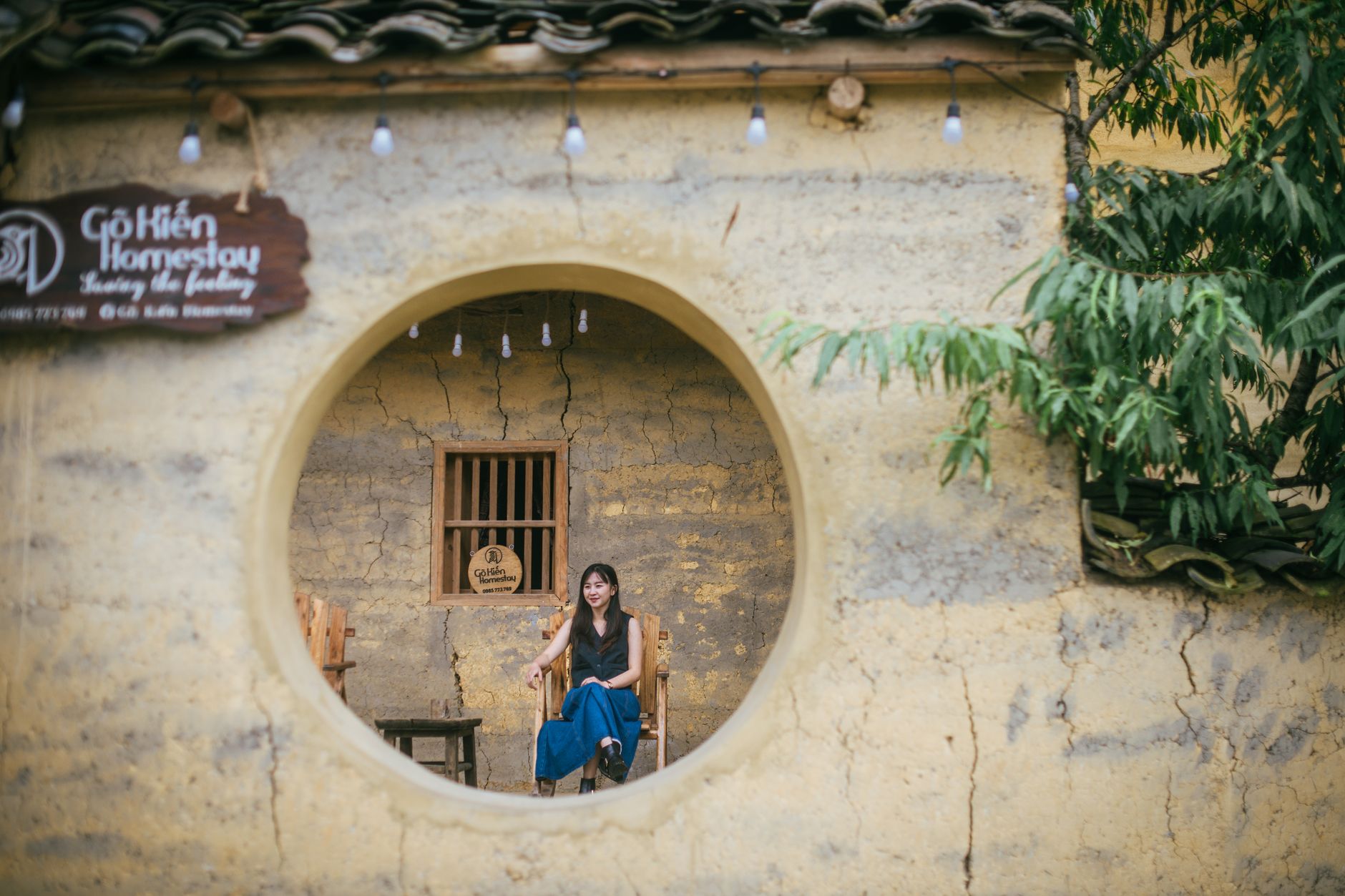
Beyond the Brochure: Homestays That Will Re-Wire Your Worldview (Seriously)
I used to be a hotel snob. Crisp sheets, room service, a discreet distance from the "real world" – that was my idea of travel. I’d explore during the day, then retreat to my sanitized bubble, feeling like I’d seen a place, but never truly felt it. Then came the homestay. Not a fancy Airbnb, not a boutique guesthouse, but a genuine invitation into someone’s home, their daily life, their culture. It was messy, sometimes uncomfortable, and absolutely, undeniably, the most profound way I’ve ever traveled.
These aren't just places to sleep; they are portals to understanding, empathy, and a complete re-evaluation of what truly matters. I'm talking about experiences so rich, so deeply human, they'll leave an indelible mark on your soul. If you're ready to peel back the layers of conventional tourism and dive headfirst into the heart of a destination, buckle up. These are the home-stay experiences that changed my perspective – and honestly, you need to experience them before you die.
1. The Rhythms of Rural Life: Sapa, Vietnam – A Lesson in Simple Joy
Location:
Remote villages outside Sapa, Vietnam (e.g., Ta Van, Lao Chai)
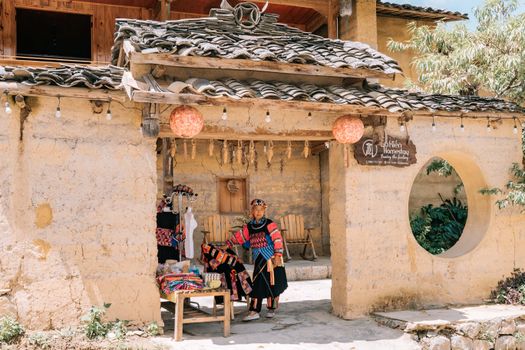
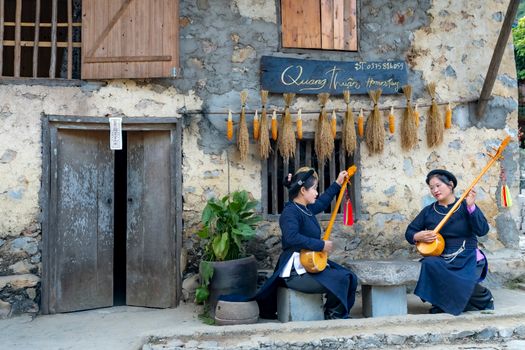
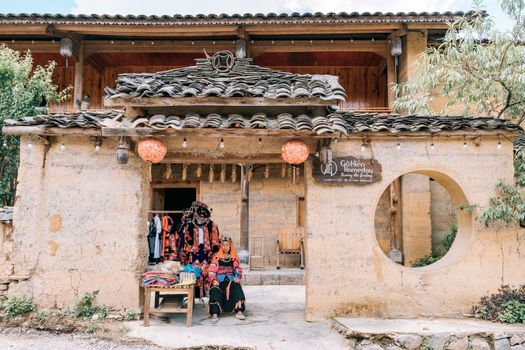
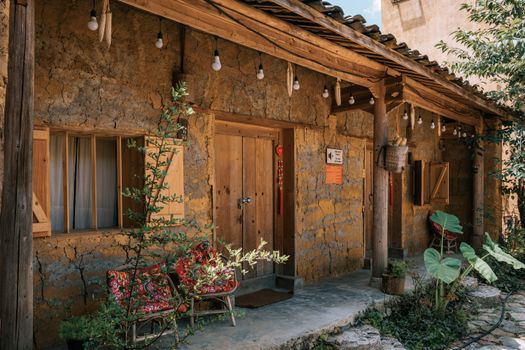
My first real homestay dive was in the misty, emerald rice terraces of Sapa, Vietnam. After a grueling overnight train from Hanoi, followed by a bumpy minibus, I found myself trekking deep into the mountains with a local Hmong guide named Mai. She led me to her family’s wooden stilt house in a village nestled amidst the breathtaking landscape. There was no Wi-Fi, no hot water on demand, and the toilet was a squat variety in an outhouse. My initial thought? "What have I gotten myself into?"
But as the days unfolded, my unease melted away. I helped Mai’s mother prepare dinner over an open fire, chopping vegetables I couldn’t name. We shared meals on the floor, a cacophony of cheerful chatter from children, chickens, and the occasional water buffalo outside. I learned how Mai's family cultivated rice, harvested corn, and wove intricate textiles by hand. I witnessed their resilience, their deep connection to the land, and the unwavering joy they found in the simplest things: a shared meal, a child’s laughter, the warmth of a fire on a cool evening.
Perspective Shift:
This experience shattered my notion that happiness was tied to material possessions or modern conveniences. I saw profound contentment in a life of hard work, strong community bonds, and a deep respect for nature. It made me question my own consumption habits and the relentless pursuit of "more." The simplicity, the genuine human connection, and the breathtaking natural beauty became my luxury.
Practical Details & Tips:
* How to find it: Many trekking companies in Sapa offer homestay packages, often including a guide and meals. You can also find independent guides in Sapa town who will take you to their family homes. I booked through a local agency in Hanoi.
* Typical Cost: Expect to pay around $20-40 USD per night, often including dinner and breakfast. Trekking guides are usually separate.
* What to expect: Very basic amenities. Sleeping on mattresses on the floor, mosquito nets, shared living spaces. Be prepared for cold showers (or no showers) and squat toilets.
* Tripsora Tip: Bring small, thoughtful gifts for the family, especially for the children (school supplies, small toys). Learn a few basic Vietnamese or Hmong phrases – even "hello" and "thank you" go a long way. Embrace the discomfort; it's where the magic happens.
2. Island Time & Open Hearts: Gili Air, Indonesia – The Power of Presence
Location:
Gili Air, Indonesia
After the intensity of Sapa, I craved island life, but still wanted that authentic connection. On Gili Air, a tiny, car-free island off Lombok, I found a homestay that wasn’t in a remote village, but right in the heart of the local community. It was a simple bungalow in the garden of a family’s home, run by a soft-spoken man named Wayan and his vivacious wife, Ketut.
Every morning, I’d wake to the scent of strong Indonesian coffee and the sound of Ketut preparing breakfast – usually banana pancakes or nasi goreng – which we'd eat together on their porch. Wayan, a fisherman, would often invite me to join him on his traditional outrigger boat at dawn, teaching me about the local marine life and the art of net casting. In the evenings, we’d sit out under the stars, sharing stories, practicing my Bahasa Indonesia, and laughing until our stomachs hurt. Their children, initially shy, soon became my little guides, showing me the best snorkeling spots and teaching me local games.
Perspective Shift:
This homestay taught me the profound value of slowing down and being truly present. On Gili Air, life moved at a different pace, dictated by the tides and the sun. There was no rush, no constant checking of phones. It highlighted the beauty of genuine, unhurried human connection and the joy found in the simple rhythms of island life. It made me realize how much of my own life was spent rushing, and how much I missed by not simply being.
Practical Details & Tips:
* How to find it: Many local families on Gili Air offer rooms or bungalows in their compounds. Look for signs, ask locals, or check platforms like Booking.com or Airbnb for "local homestay" options. Mine was found via a recommendation from another traveler.
* Typical Cost: Around $30-60 USD per night, often including breakfast.
* What to expect: Simple, clean rooms, often with air conditioning (a luxury after Sapa!). You'll be living alongside the family, hearing their daily life unfold.
* Tripsora Tip: Support their local ventures. If they offer cooking classes, snorkeling trips, or bike rentals, opt for theirs! Ask about their daily life, learn local dishes, and disconnect from your digital world. The best conversations happen face-to-face.
3. High Altitude & Higher Spirit: Ladakh, India – A Lesson in Resilience & Gratitude
Location:
Remote villages in the Nubra Valley or around Leh, Ladakh, India
My journey to Ladakh, nestled in the Indian Himalayas, was an adventure in itself. The air was thin, the landscapes stark yet breathtaking, and the culture deeply Buddhist. I chose a homestay in a tiny village called Turtuk, close to the Pakistan border, a place only opened to tourists in 2010. My host family lived in a traditional stone house, heated by a wood-burning stove, with limited electricity and no running water.
Life here was a testament to human resilience. I watched my host mother skillfully manage their small farm, tending to apricot trees and barley fields, all while preparing incredible meals (the local Thukpa soup was legendary!). We’d gather around the stove in the evenings, sipping butter tea, and sharing stories through broken English and hand gestures. They spoke of the harsh winters, the importance of community, and their deep spiritual beliefs. I visited ancient monasteries perched precariously on cliffs, their prayer flags fluttering in the icy wind, and felt a profound sense of peace.
Perspective Shift:
This homestay was a profound lesson in gratitude and the incredible strength of the human spirit. Witnessing life in such extreme conditions, yet seeing the unwavering hospitality and gentle nature of my hosts, made me deeply appreciate every comfort I had previously taken for granted. It highlighted the power of faith, community, and the ability to find joy and meaning amidst hardship. It also cemented my understanding of how interconnected we all are, despite vastly different circumstances.
Practical Details & Tips:
* How to find it: Many homestays in Ladakh are organized through local trekking agencies or guesthouses in Leh. You can also find them on platforms like Homestay.com or by simply asking around in villages. I booked through a local agency specializing in Ladakh.
* Typical Cost: Around $25-50 USD per night, often including full board (breakfast, lunch, dinner).
* What to expect: Very basic facilities. Dry pit toilets are common, limited heating, and intermittent electricity. Be prepared for cold nights, even in summer.
* Tripsora Tip: Acclimatize properly to the altitude in Leh before heading to remote villages. Pack warm layers, even in summer. Bring a good power bank for your electronics. Respect local Buddhist customs – dress modestly, remove shoes before entering sacred spaces, and always ask before taking photos.
4. The Art of Living: Kyoto, Japan – Beyond the Temples, Everyday Elegance
Location:
Gion or Nishijin districts, Kyoto, Japan
Japan, with its reputation for efficiency and formality, might not seem like an obvious homestay destination, but it was one of my most elegant and eye-opening experiences. Instead of a modern hotel, I opted for a machiya homestay – a traditional wooden townhouse – in Kyoto’s historic Gion district. My host, a retired calligraphy teacher named Mrs. Tanaka, was a paragon of grace and meticulousness.
From the moment I stepped onto the tatami mats, I was immersed in Japanese aesthetics and the art of mindful living. Mrs. Tanaka taught me the proper way to appreciate a tea ceremony, explaining the symbolism behind each gesture. We walked through her neighborhood, where she pointed out hidden shrines, artisanal shops, and the subtle beauty of a perfectly placed stone in a garden. She prepared exquisite traditional breakfasts, each dish a work of art, and patiently corrected my clumsy attempts at using chopsticks. It wasn’t just about seeing Kyoto; it was about experiencing the Japanese way of life, with its emphasis on respect, harmony, and attention to detail.
Perspective Shift:
This homestay deepened my appreciation for mindfulness, precision, and the profound beauty found in everyday rituals. It taught me that elegance isn't about extravagance, but about intention and respect – for objects, for people, and for the moment. It revealed the depth of Japanese culture beyond the geishas and temples, showing me a quiet, disciplined beauty that permeates daily life.
Practical Details & Tips:
* How to find it: Specialized homestay platforms like Homestay.com, sometimes Airbnb (look for "traditional Japanese house" or "machiya"), or through local guesthouses that partner with families. I found mine through a small, local Kyoto tourism website.
* Typical Cost: Can range from $70-150 USD per night, often including a traditional breakfast. Prices reflect the quality and cultural immersion.
* What to expect: Impeccably clean, often minimalist spaces. You'll likely sleep on a futon on tatami mats. Be prepared to remove your shoes inside and observe local etiquette.
* Tripsora Tip: Learn basic Japanese phrases ("Arigato gozaimasu," "Sumimasen," "Konichiwa"). Be punctual and respectful of your host's schedule and home. Observe and emulate; the best way to learn is by watching. Ask questions about customs – hosts are usually delighted to share.
5. Farm-to-Table & Heart-to-Heart: Tuscany, Italy – The Slow Food & Family Connection
Location:
Chianti region, Tuscany, Italy (e.g., near Siena or Florence)
Italy is famous for its food, but nothing prepared me for the culinary and communal immersion of an agriturismo homestay in Tuscany. I stayed on a working olive farm and vineyard, hosted by the vibrant Rossi family, whose roots in the region stretched back generations. This wasn't just a place to stay; it was an invitation to participate in their life, their land, and their legendary table.
My days were a delicious blend of activity and relaxation. I helped Nonna Rossi harvest olives in the crisp morning air, learning about different varietals and the process of making their own olive oil. Later, I joined her in the kitchen for hands-on pasta-making classes, rolling dough and stuffing ravioli with fillings made from ingredients picked just hours before. Evenings were spent around a long, communal table, sharing multi-course meals paired with the family’s homemade wine, accompanied by boisterous laughter and endless storytelling. It wasn't just food; it was a celebration of family, tradition, and the bounty of the land.
Perspective Shift:
This homestay profoundly changed my relationship with food and family. It highlighted the importance of knowing where your food comes from, the joy of preparing it with love, and the sacred ritual of sharing it with loved ones. It taught me that true wealth isn’t measured in money, but in strong family bonds, rich traditions, and the simple pleasure of a well-cooked meal shared with heart.
Practical Details & Tips:
* How to find it: Look for "agriturismo" on Booking.com, Agriturismo.it, or specialized Italian travel sites. Many are family-run and can be booked directly through their websites.
* Typical Cost: Can range from $80-200 USD per night, often including breakfast, and sometimes dinner or activities like cooking classes.
* What to expect: Rustic charm, comfortable rooms, often with private bathrooms. You’ll be on a working farm, so expect farm sounds and smells! Communal meals are a highlight.
* Tripsora Tip: Be prepared to get your hands dirty and participate in farm activities if offered. Ask for family recipes! Embrace the slow pace and linger over meals. This is an experience for your senses, so savor every moment.
Why Homestays Are Truly Transformational
These experiences, so varied in location and culture, share a common thread: they force you out of your comfort zone and into genuine human connection. They dismantle stereotypes, foster empathy, and provide an unfiltered glimpse into lives vastly different from your own. You don't just see a place; you live it. You don't just meet people; you connect with them on a deeply personal level. This isn't just travel; it's a journey of self-discovery through the eyes of others.
Practical Tips for Your Own Life-Changing Homestay Adventure
Ready to book your own perspective-shifting journey? Here’s how to make it happen:
- Do Your Research:
- Platforms: Websites like Homestay.com, Airbnb (use filters for "private room" and read reviews carefully), Booking.com (look for "guesthouse" or "family stay"), and specific cultural exchange organizations.
- Local Agencies: Especially in more remote areas, local tour operators often have established relationships with families offering homestays.
- Word-of-Mouth: Ask fellow travelers, backpackers, or travel groups for recommendations.
- Communicate Clearly:
- Expectations: Be clear about your expectations and ask about amenities (Wi-Fi, hot water, private bathroom, meals included).
- Arrival Time: Provide accurate arrival times and communicate any delays.
- Dietary Needs: Inform your host in advance about any allergies or dietary restrictions.
- Pack Smart & Thoughtfully:
- Small Gifts: A small, culturally appropriate gift from your home country (e.g., local sweets, a souvenir) is always appreciated.
- Adaptors & Power Banks: Essential, especially in rural areas with limited outlets.
- Open Mind & Heart: This is your most important packing item. Be ready to embrace differences, be flexible, and step outside your comfort zone.
- Embrace Local Etiquette:
- Respect Customs: Research local customs regarding dress, greetings, mealtime behavior, and personal space.
- Offer Help: Ask if you can help with chores, cooking, or setting the table. Even a small gesture goes a long way.
- Learn Basic Phrases: A few words in the local language can break down barriers and show respect.
- Safety First:
- Trust Your Gut: If something feels off, it probably is.
- Read Reviews: Pay close attention to reviews from other travelers.
- Inform Someone: Let a friend or family member know where you're staying and your itinerary.
- Budgeting: Homestays are often more affordable than hotels, especially when meals are included. This makes them a fantastic option for budget-conscious travelers seeking deep cultural immersion.
Are You Ready to Truly See the World, One Home at a Time?
My journey from hotel snob to homestay evangelist has been one of the most rewarding transformations of my life. These experiences didn’t just show me new places; they showed me new ways of being. They taught me gratitude, resilience, the power of human connection, and the profound beauty in simplicity.
If you’re seeking travel that goes beyond sightseeing, travel that challenges your preconceptions and enriches your soul, then a homestay is your next adventure. It's not just a place to sleep; it's an opportunity to live, learn, and love a culture from the inside out.
What homestay experience are you dreaming of? Share your thoughts in the comments below, and let's inspire each other to travel deeper!