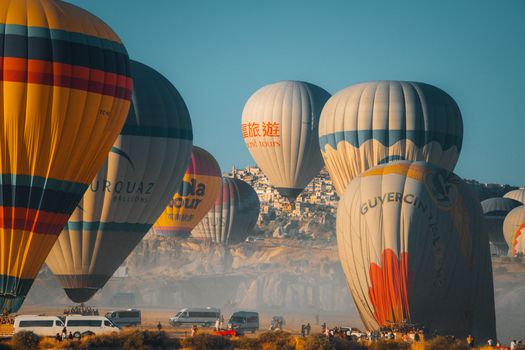
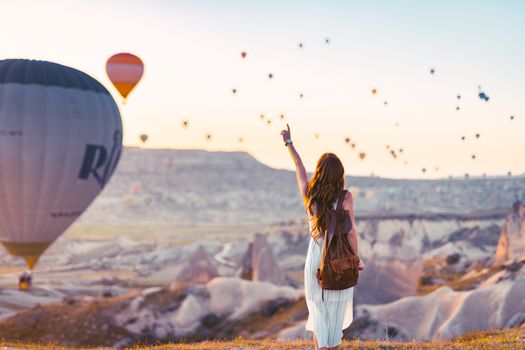
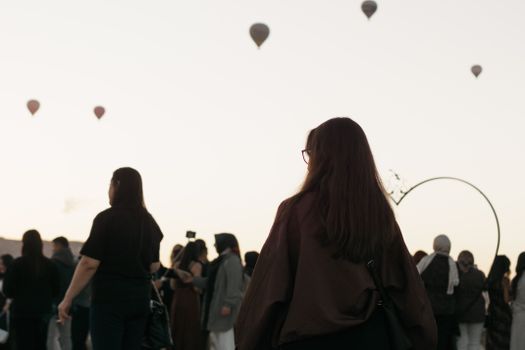
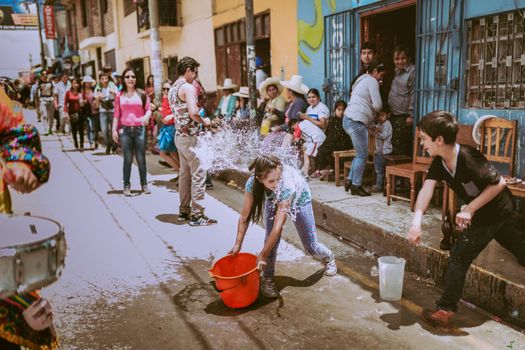
Festivals can turn an ordinary trip into a memorable one. Some are rooted in religious observance, others celebrate harvests, seasons, music, history or local identity. Many take place once a year, which makes them worth planning around, but also means that dates, tickets and accommodation can be limited. Because festival calendars are often set by lunar cycles, local councils or organising committees, it is important to confirm details each year. This guide describes how to research annual festivals, how to plan a visit and how to take part respectfully.
Types of annual festival
Festivals come in many forms. Religious celebrations, such as those marking seasonal or spiritual milestones, often involve processions, special meals and community gatherings. Carnivals feature music, costume and street parades, and they are common in many parts of the world before a period of fasting in some traditions. Harvest and seasonal festivals celebrate food, agriculture and the turning of the year. Music and arts festivals bring together performers and audiences over several days, while historical festivals re-enact events or highlight local heritage.
Some festivals are large and widely publicised, while others are small and local. Smaller events can offer a more intimate experience, though they may have fewer facilities and less information in English or other languages.
Researching dates and details
Dates are the first thing to confirm. Religious and lunar-calendar festivals shift from year to year, so check the calendar for the year you plan to travel. Official tourism websites, local council pages and event organisers are the most reliable sources. Be aware that some festivals have multi-day programmes, with the main events on particular days. Read the programme carefully to see when the key moments occur.
Check whether the festival involves ticketed areas, public streets or restricted sites. Some events require advance registration, and popular performances can sell out. Ask about accessibility, medical facilities and the expected crowd size if these matter for your group.
Planning transport and accommodation
Festival periods can put pressure on transport and accommodation, particularly in small towns. Book flights, trains and rooms early, and consider staying in a larger nearby town if local options are limited. Check the transport schedule for the days around the event, since services may be reduced or changed to manage crowds. Plan your return journey in advance, because the last departures can fill quickly.
Budget for higher prices during peak festival days. Some accommodation requires a minimum stay during major events, so check the terms before you book.
Taking part respectfully
Festivals often have deep meaning for the people who organise and attend them. Dress modestly where expected, particularly at religious events, and follow instructions from stewards and organisers. Ask permission before photographing people, especially during ceremonies, and avoid intrusive filming. Some events have rules about alcohol, dress or behaviour, and these should be followed carefully.
Consider how your presence affects the community. Spend money locally, support small vendors and be mindful of waste and noise. If you are unsure about a custom, observe what locals do and ask a respectful question when appropriate.
Staying safe and comfortable
Large gatherings can be crowded, so keep track of your companions, know your meeting points and carry basic supplies such as water, sun protection and a charged phone. Learn the emergency numbers for the area and note the location of medical facilities. Wear comfortable shoes, since festivals often involve long periods of standing or walking on uneven ground.
Weather can change quickly, so pack a light layer or waterproof jacket. If you plan to drink alcohol, do so in moderation and be aware of local laws.
Practical tips
- Confirm festival dates for the specific year, since many depend on lunar or local calendars.
- Book transport and accommodation early, and check schedules for the days around the event.
- Read the official programme and identify the main events you most want to see.
- Dress and behave in line with local expectations, particularly at religious or ceremonial events.
- Ask before photographing people, and avoid disrupting ceremonies.
- Carry water, identification and a charged phone, and agree on meeting points with companions.
Common mistakes to avoid
A common error is arriving only for the headline day and missing the smaller events that often give a festival its character. Check the full programme and consider whether a few days, rather than one, would suit you better. Another mistake is expecting every event to be open to visitors. Some ceremonies are reserved for community members, and visitors are expected to watch from designated areas or to stay away. Travelers also sometimes carry valuables into dense crowds, where a bag or phone can be easily lost. Keep essentials close and leave passports and spare cards in your accommodation when you can. Finally, some visitors ignore practical rules on drones, fireworks or large cameras, which can be restricted at certain events for safety or respect reasons. Read the organisers' notices before you arrive.
Who this suits and who it doesn't
Festivals suit travelers who enjoy music, color, ritual and communal energy, and who are comfortable with crowds and late evenings. People who like learning through observation, and who are happy to ask polite questions, often find festivals especially rewarding. They may be less suitable for people who find loud noise or dense crowds distressing, travelers with limited mobility who will struggle with long standing or uneven ground, and families with very young children who need early nights. Anyone with a medical condition should plan for access to care, since large gatherings can be far from clinics. If the festival is central to your trip, consider staying in a quieter base nearby and making day visits instead. Visitors who read about a festival's background beforehand often find the events easier to follow.
How to decide: a simple checklist
- Is the festival central to your trip, or would you enjoy it as one part of a wider itinerary?
- Have you checked whether any events require a wristband, pass or advance registration?
- Do you know which areas are open to visitors and which are reserved for participants?
- Have you planned rest breaks, shade or shelter, and a meeting point for your group?
- Are you comfortable with the likely noise levels and crowd sizes?
- Would you still enjoy the trip if the main events were rescheduled or canceled?
Annual festivals offer a direct way to experience local culture, music and tradition. Planning ahead, understanding the event and approaching it with respect will help you enjoy the celebration and leave a positive impression on the community. Because dates and arrangements change, always confirm the details with official sources before you travel.